Domingo Hermanos
Cafayate
Winery in Cafayate, Argentina
 Book with Pearl
The Read
High-Altitude Calchaquí Winemaking
Why go
Domingo Hermanos is better for Cafayate wine travelers who are comfortable confirming access before building a day around it. For a smoother first visit, compare it with Bodega Nanni, El Porvenir de Cafayate, Finca Quara, San Pedro de Yacochuya, and Bodega El Esteco before committing your itinerary.
About Domingo Hermanos
In Cafayate, Domingo Hermanos is best treated as a venue with limited planning detail. The dress code is casual, and the venue holds Pearl 2 Star Prestige recognition for 2025. Beyond that, specific visitor details such as service format, hours, pricing, menus, reservations, or visit arrangements are not confirmed.
The practical takeaway is simple: keep Domingo Hermanos on a Cafayate shortlist, but do not build a tightly scheduled day around assumptions. If you are comparing options in the area, use confirmed information from each venue directly before committing. Other named references for context include Bodega Nanni, Bodega El Esteco, El Porvenir de Cafayate, San Pedro de Yacochuya, and Finca Quara.
Worth considering if details are confirmed first
Domingo Hermanos has a casual dress code and Pearl 2 Star Prestige recognition for 2025, which makes it a venue worth noting in Cafayate. What remains important is that no specific price, visitor format, food service, or schedule is confirmed in the available information.
Compared with Bodega Nanni and El Porvenir de Cafayate, Domingo Hermanos should be evaluated on the basis of whatever current details the venue can confirm directly. The same is true when weighing it against San Pedro de Yacochuya, Finca Quara, or Bodega El Esteco: use each venue's current information rather than assuming a shared format or level of access.
Build the day around confirmed information
Plan Cafayate with flexibility. Confirm any practical details directly before visiting Domingo Hermanos, and avoid assuming food, visit length, or opening times unless the venue confirms them for your date. For broader planning, use local Cafayate guides, then pair the day with Our full Cafayate hotels guide and Our full Cafayate bars guide.
Planning details
- Location
- Nuestra Señora del Rosario, Av. Gral. Güemes Sur y, A4427 Cafayate, Salta
- Website
- domingohermanos.com
- Phone
- +54 3868 42-1386
The take
The Take
The Vibe
Domingo Hermanos presents as a focused, boutique Cafayate producer that rewards visitors who care about terroir. The copy emphasizes high-altitude character—intense UV, cool nights and a compressed growing season—that yields aromatically concentrated Torrontés and high-elevation Malbec. Its Pearl 2 Star Prestige rating positions the estate among the region's reliably excellent names, and the tone favors an informed audience—collectors and curious travelers—over casual passersby. Situated within the town core, the winery balances approachable scale with technically serious winemaking, giving the impression of a quietly elevated, discovery-oriented stop on the Cafayate circuit.
Best For
This estate is best suited to visitors interested in learning about high-altitude viticulture and tasting regionally distinctive wines. The description frames Domingo Hermanos as a destination for dedicated visits rather than drive-bys, which makes it a good pick for solo explorers, enthusiasts and collectors who want to compare Torrontés and high-elevation Malbec in context. Its location in the town core also makes it an effective pairing with other small producers in Cafayate, allowing for a concentrated, education-focused tasting route without long drives between estates.
Tasting Tips
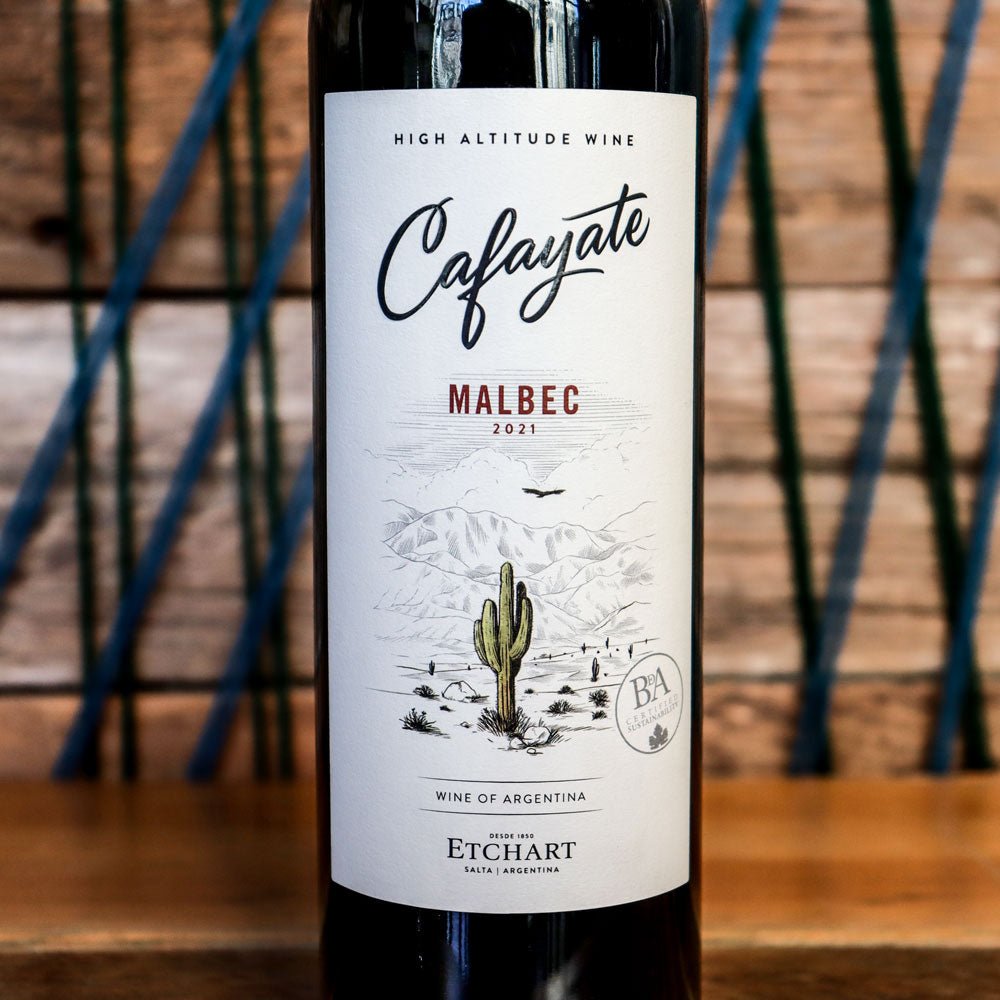
Prioritize the varietals the write-up highlights: taste the estate Torrontés to experience the region's aromatic intensity, and include a sample of the high-elevation Malbec to judge how altitude shapes color, acid and tannin. Because the profile emphasizes terroir and consistent quality, plan a dedicated visit rather than a quick stop—pair your tasting with nearby small producers on Av. Gral. Güemes to make the most of Cafayate's compact winery circuit. Keep the focus on comparative sipping and ask staff about altitude-specific practices if you want deeper technical context.
Venue details
Ambiance
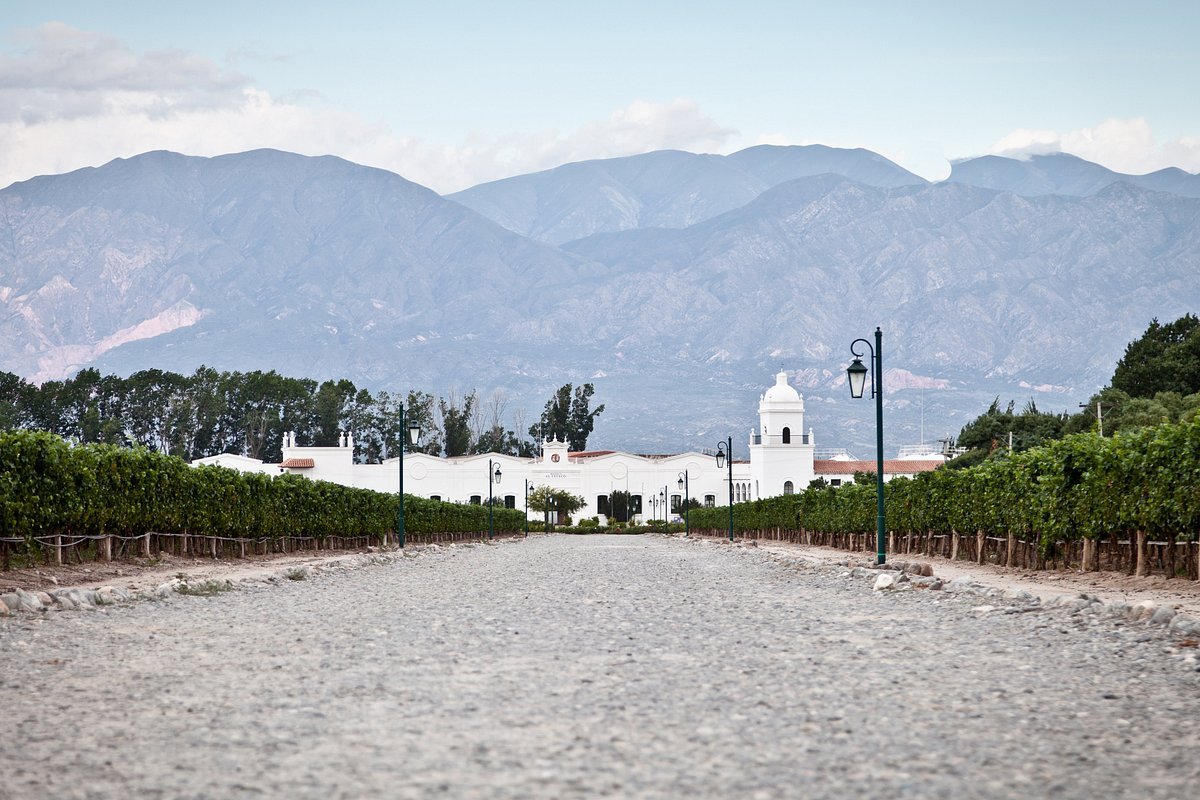
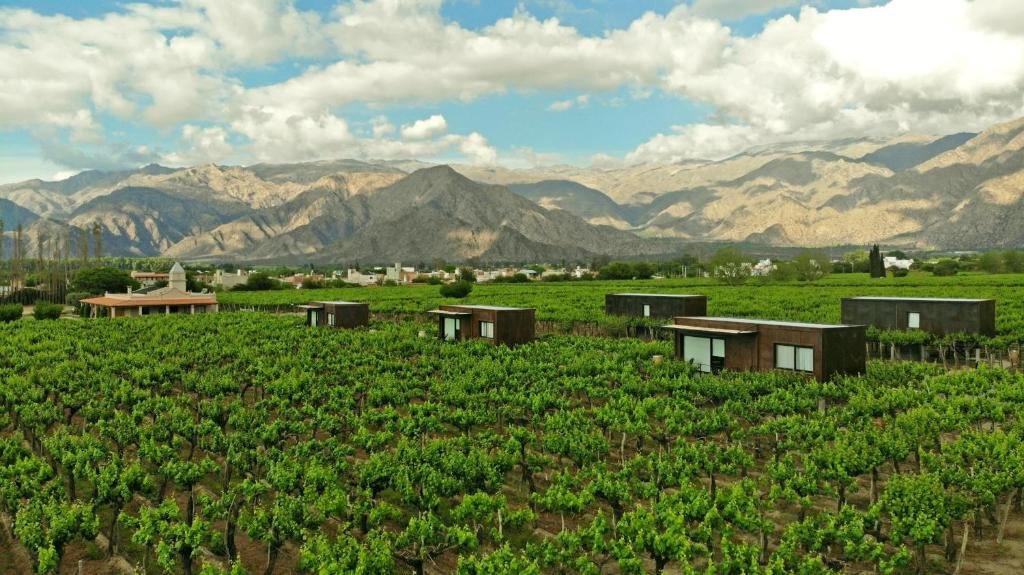
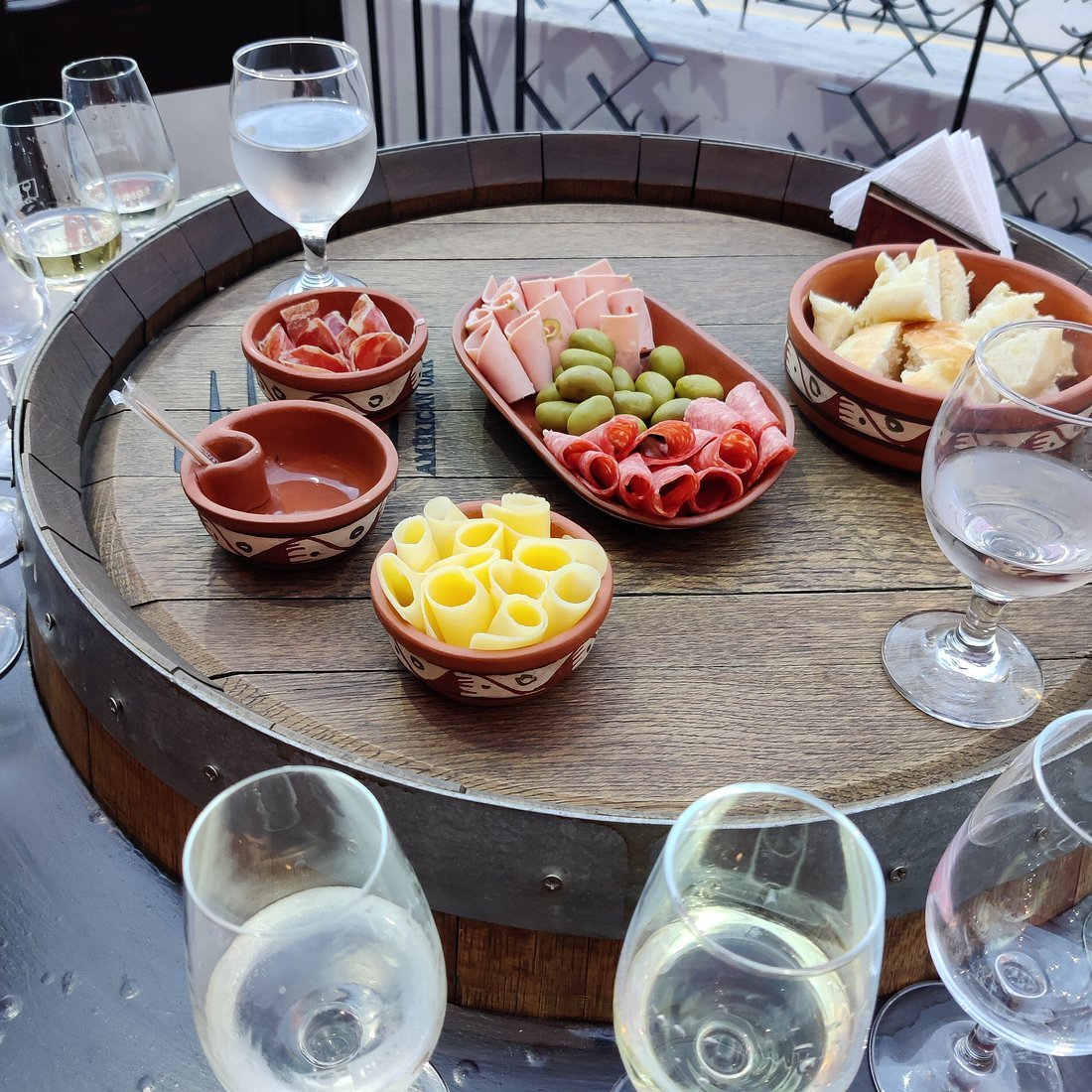
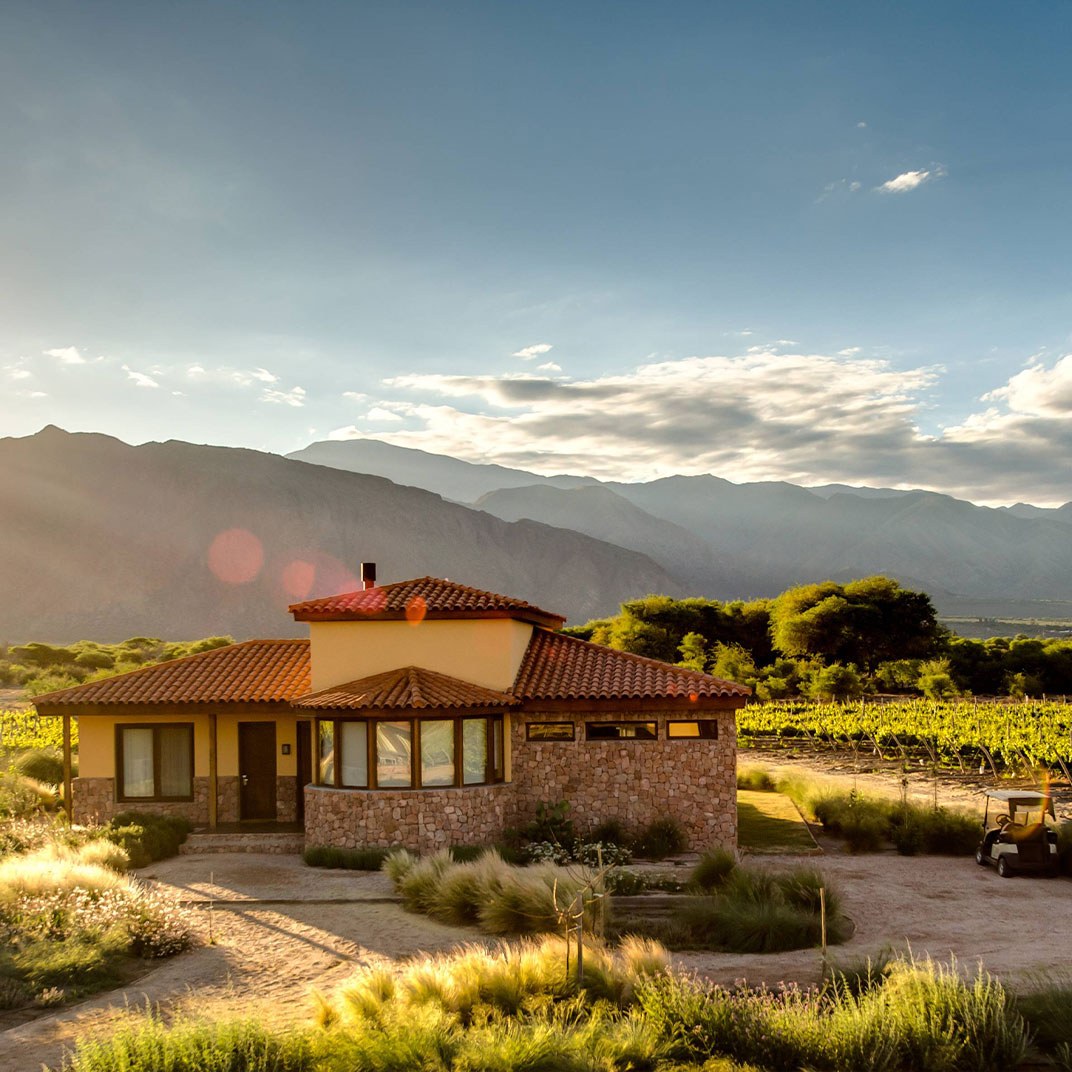
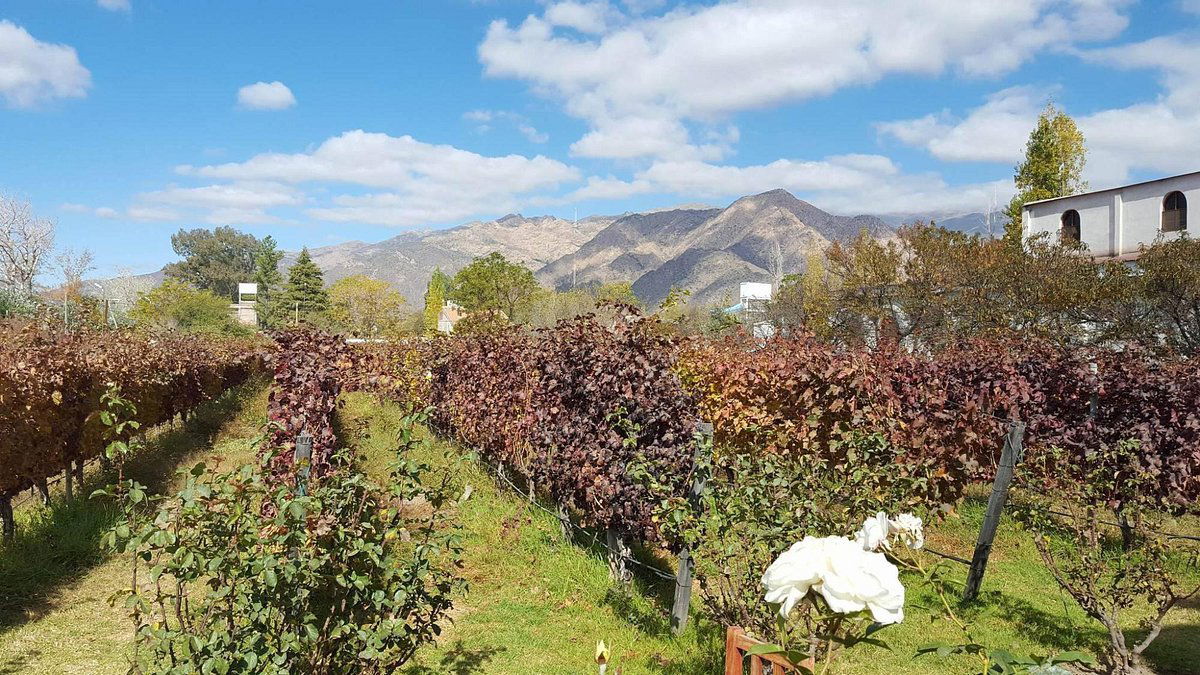
Relaxed and familial atmosphere in a traditional setting with views of vines, praised for its intimate tasting room and regional cheese pairings.
Tags
Vibe
Best For
Experience
View
At the Vineyard
- Appellation
- Valle de Cafayate
- Varietals
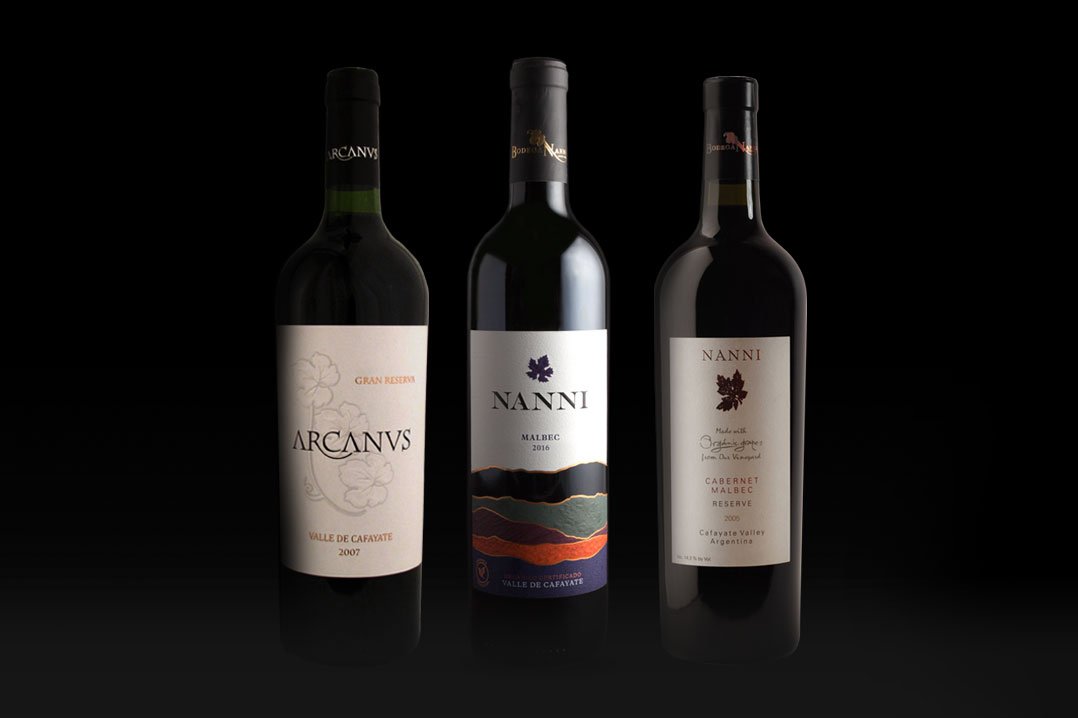
- Malbec, Torrontés, Tannat, Cabernet Sauvignon, Riesling
- Tour Duration
- 45 minutes
- Tour Languages
- Spanish, English
- Visits
- Walk-ins welcome
- Wine Styles
- Still White, Still Red
- Food Pairing
- Offered
- Wine Club
- Not available
Know before you go
Know Before You Go
- Getting there
- Nuestra Señora del Rosario, Av. Gral. Güemes Sur y, A4427 Cafayate, Salta
Planning details
Location
Nuestra Señora del Rosario, Av. Gral. Güemes Sur y, A4427 Cafayate, Salta · Directions
Also consider
If you cannot make Domingo Hermanos work
Try Bodega Nanni for a more straightforward Cafayate winery option, or Bodega El Esteco if you want a more established anchor for the day.
Winery context
How it compares in Cafayate
Choose Bodega Nanni or Bodega El Esteco first if the priority is an easier, more predictable visitor day. Domingo Hermanos is a higher-friction choice, better suited to travelers who are already comfortable confirming details before they go.
El Porvenir de Cafayate and Finca Quara are stronger cross-shops when the goal is value and simple planning in Cafayate. Domingo Hermanos makes more sense as a second or third stop, not the main booking, unless access and timing are already settled.
For a more ambitious wine itinerary, compare it with San Pedro de Yacochuya. That choice is better for travelers prioritizing a deeper wine-country route, while Domingo Hermanos fits the explorer who wants to round out a Cafayate map after the core visits are secured.
Explore Cafayate
Around this place
Discover more on Pearl
Unlock the full Domingo Hermanos guide in Pearl, including awards, comparisons, FAQs, planning details, and nearby places.
Compare Domingo Hermanos
| Venue | Location | Awards |
|---|---|---|
| Domingo Hermanos | Cafayate | No published awards |
| Bodega Nanni | Cafayate | No published awards |
| El Porvenir de Cafayate | Cafayate | 2026 Falstaff Winery Guide |
| San Pedro de Yacochuya | Cafayate | No published awards |
| Finca Quara | Cafayate | No published awards |
| Bodega El Esteco | Cafayate | 2026 Falstaff Winery Guide |

How Domingo Hermanos Cafayate compares with similar nearby venues.
FAQ
Frequently Asked Questions
What is about Domingo Hermanos?
Domingo Hermanos is in Cafayate, the dress code is casual, and it holds Pearl 2 Star Prestige recognition for 2025. Other practical details should be checked directly before visiting.
When is the best time to visit Domingo Hermanos?
No specific opening hours or best visit window is listed for Domingo Hermanos. The safest approach is to confirm timing directly with the venue before adding it to a Cafayate itinerary. Keep plans flexible unless you have current confirmation.
Do I need a reservation at Domingo Hermanos?
Reservation requirements are not listed. Domingo Hermanos is in Cafayate, and the prudent move is to confirm current access details directly before visiting. If your schedule is tight, avoid relying on assumptions about availability.
How long should I plan for a visit to Domingo Hermanos?
No visit length is provided for Domingo Hermanos. Plan only after confirming the current format directly with the venue, especially if you are pairing it with another Cafayate stop such as El Porvenir de Cafayate.
What other venues can I compare with Domingo Hermanos?
Useful named comparisons include Bodega Nanni, El Porvenir de Cafayate, San Pedro de Yacochuya, Finca Quara, and Bodega El Esteco. Use them as context when checking current details, but confirm each venue's practical information directly rather than assuming the same format across the area.
What should I confirm before visiting Domingo Hermanos?
Confirm the details that matter for your date, such as current access, timing, and any visitor information the venue provides directly. The details here do not go beyond the casual dress code, Cafayate location, and Pearl 2 Star Prestige recognition for 2025.