Bodega Nanni
Cafayate
Winery in Cafayate, Argentina
 Book with Pearl
The Read
High-Altitude Torrontés Production
Price
$10–20tasting
Why go
Bodega Nanni is worth considering as a focused Cafayate winery stop for couples or small special-occasion groups who care more about the tasting than a confirmed dining setup. It is not the easiest choice for spontaneous plans, large parties, or travelers who need published practical details before committing.
About Bodega Nanni
Bodega Nanni is a Cafayate venue with casual dress and Pearl 2 Star Prestige recognition for 2025. Plan around the confirmed details and confirm current practical information directly before building the day around it.
Use Bodega Nanni as one part of a Cafayate plan. For the rest of the trip, compare it with Bodega El Esteco, Domingo Hermanos, El Porvenir de Cafayate, Finca Quara, and San Pedro de Yacochuya, or consider other dining in Cafayate generically based on your priorities.
Worth considering with details confirmed in advance
Bodega Nanni may suit travelers who are specifically interested in including the venue in a Cafayate itinerary and are comfortable checking the current format in advance. The confirmed guidance is simple: dress casually, note its Pearl 2 Star Prestige recognition for 2025, and do not assume details such as food service, hours, pricing, seating, or a particular visit format.
The smarter Cafayate day is selective. If you are comparing names, look at Bodega El Esteco, Domingo Hermanos, El Porvenir de Cafayate, Finca Quara, and San Pedro de Yacochuya alongside Bodega Nanni, then choose based on the details each venue currently confirms.
Who should skip it
Skip making Bodega Nanni the anchor of a tightly scheduled day if you need confirmed details before committing. Do not plan on a meal, a walk-in visit, a group setup, shipping, hours, or a specific service style unless you confirm them directly. In Cafayate, the safest recommendation is to include Bodega Nanni when you can verify the current details directly and keep the rest of the itinerary flexible.
Planning details
- Location
- Silverio Chavarría 151, A4427ALC Salta
- Website
- bodegananni.com
- Phone
- +54 3868 42-1527
The take
The Take
The Vibe
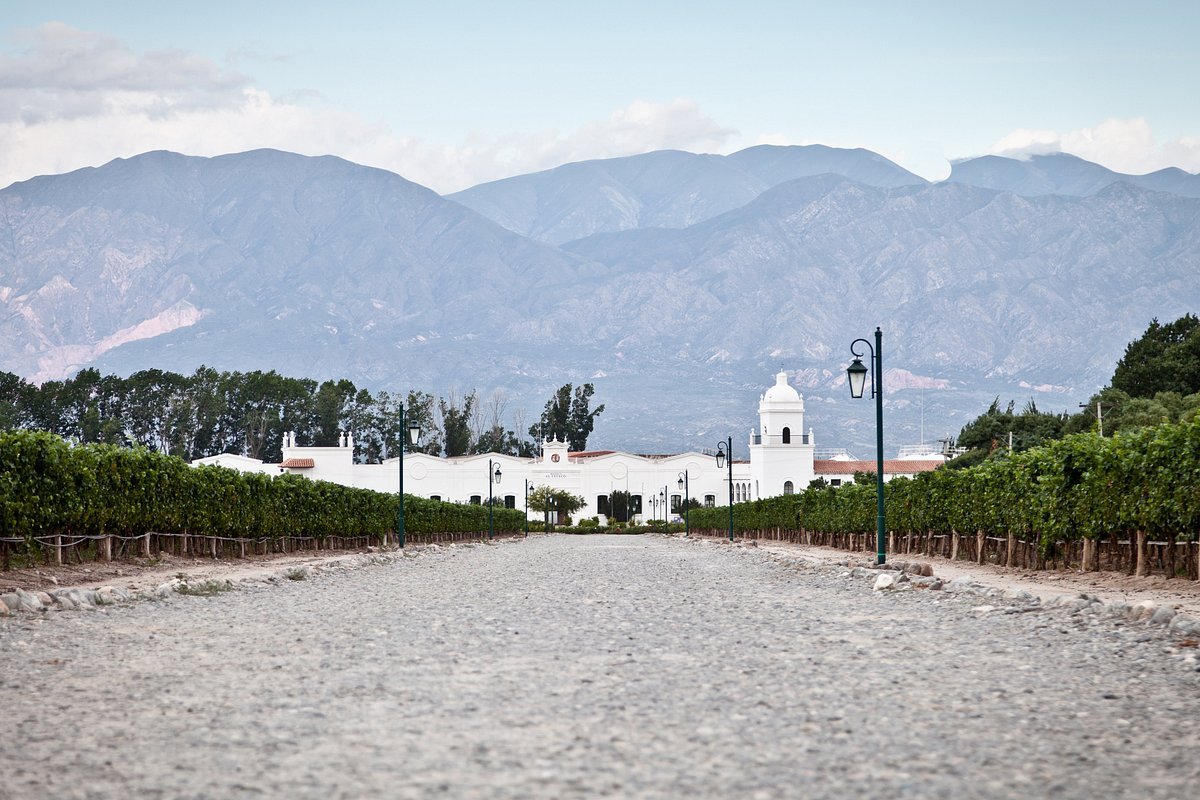
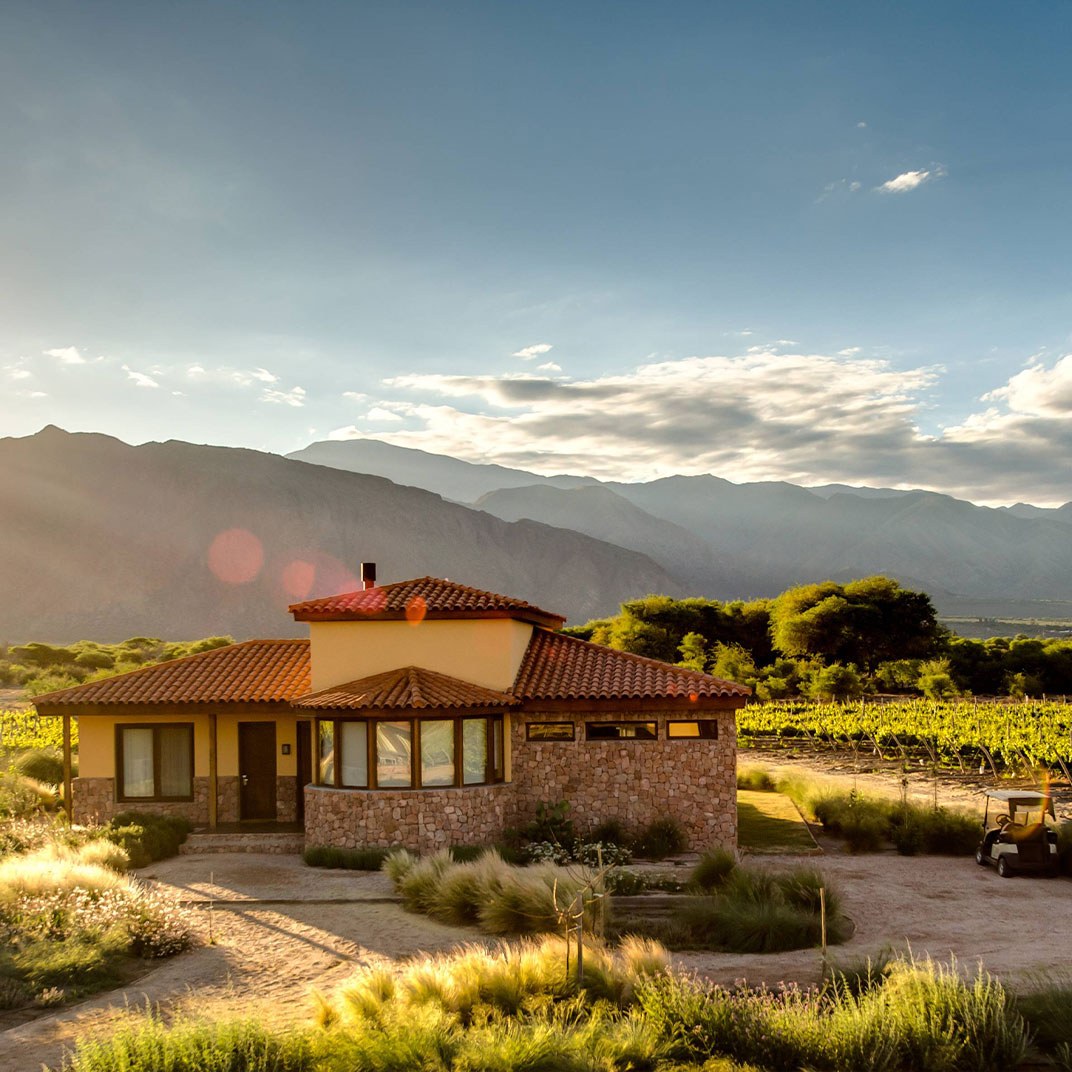
Bodega Nanni reads as a quietly assured, old‑world winery that prefers conversation over performance. Adobe‑influenced walls, deliberate shading and a measured sense of proportion keep the focus on what’s in the glass rather than architectural spectacle. The tasting room feels removed from busier, high‑volume stops nearby, which creates a sense of discovery — a calm, low‑key setting where staff can explain terroir and varietal expression. The property’s aesthetic and slower pace make it feel like a local classic: unflashy, historically grounded and quietly charming rather than theatrical.
Best For
This is a place for people who want to learn as they taste: students of terroir, travelers pursuing deeper knowledge of Torrontés and high‑altitude viticulture, and couples or small groups who prefer unhurried, conversational visits. Because tastings are structured and staff have the time to explain subzones, soil and tannin development, the winery suits curious visitors more than drop‑in, bus‑tour crowds. It’s well suited to anyone prioritizing education and thoughtful tasting over a fast, checklist approach.
Tasting Tips
Plan for a slower, structured tasting experience: allow more time than you would at high‑throughput wineries and consider booking or enquiring ahead because throughput is deliberately limited. Ask the staff to walk you through the tasting sequence and to explain distinctions between local subzones and the influence of volcanic soils — the description highlights that glasses arrive with context rather than just pours. Note that the property is within walking distance of central Cafayate but set slightly apart, so build a little travel time into your day.
Venue details
Ambiance
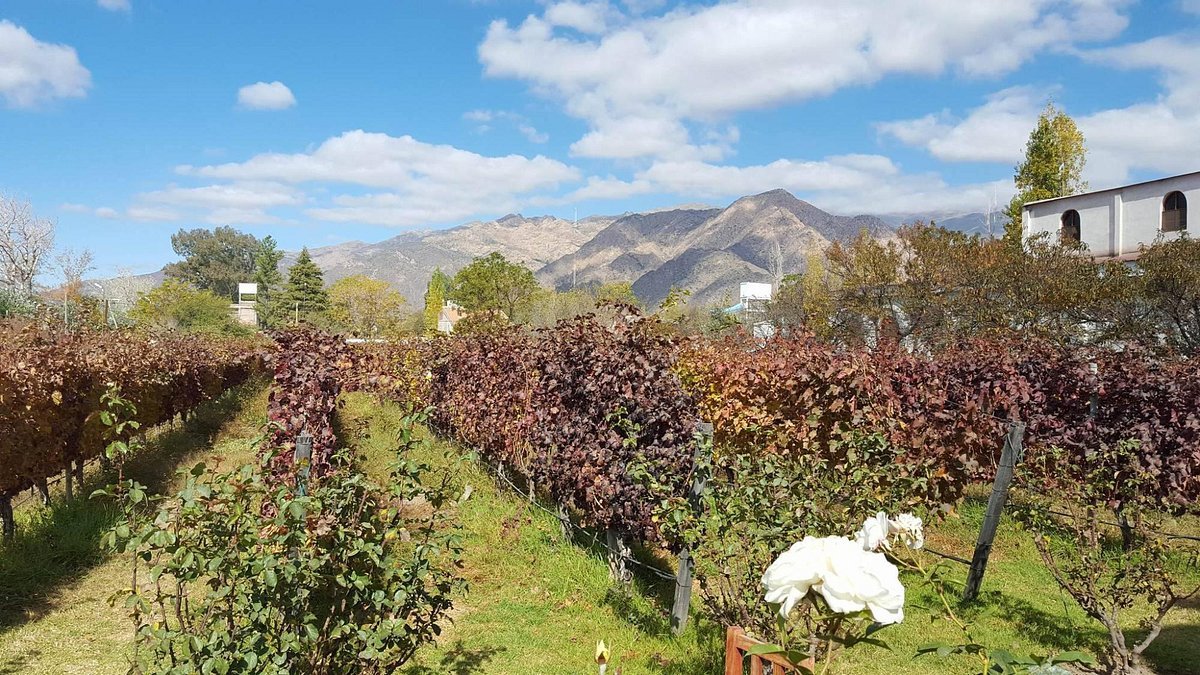
Charming and rustic with a lovely courtyard garden setting; warm, welcoming atmosphere with natural lighting and a family-owned feel that evokes decades of winemaking tradition.
Tags
Vibe
Best For
Experience
Sourcing
View
At the Vineyard
- Appellation
- Cafayate Valley
- Varietals
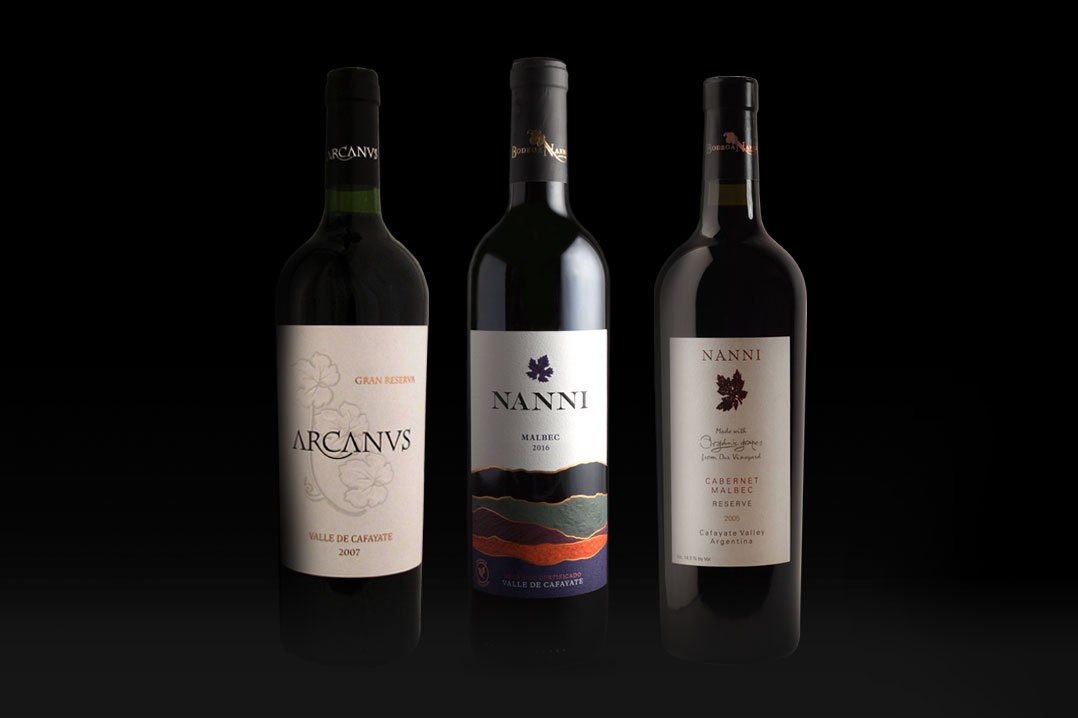
- Torrontés, Malbec, Tannat, Cabernet Sauvignon, Bonarda
- Tour Duration
- 30-45 minutes
- Tour Languages
- Spanish, English
- Visits
- Walk-ins welcome
- Farming
- Organic
- Wine Styles
- Still Red, Still White
- Food Pairing
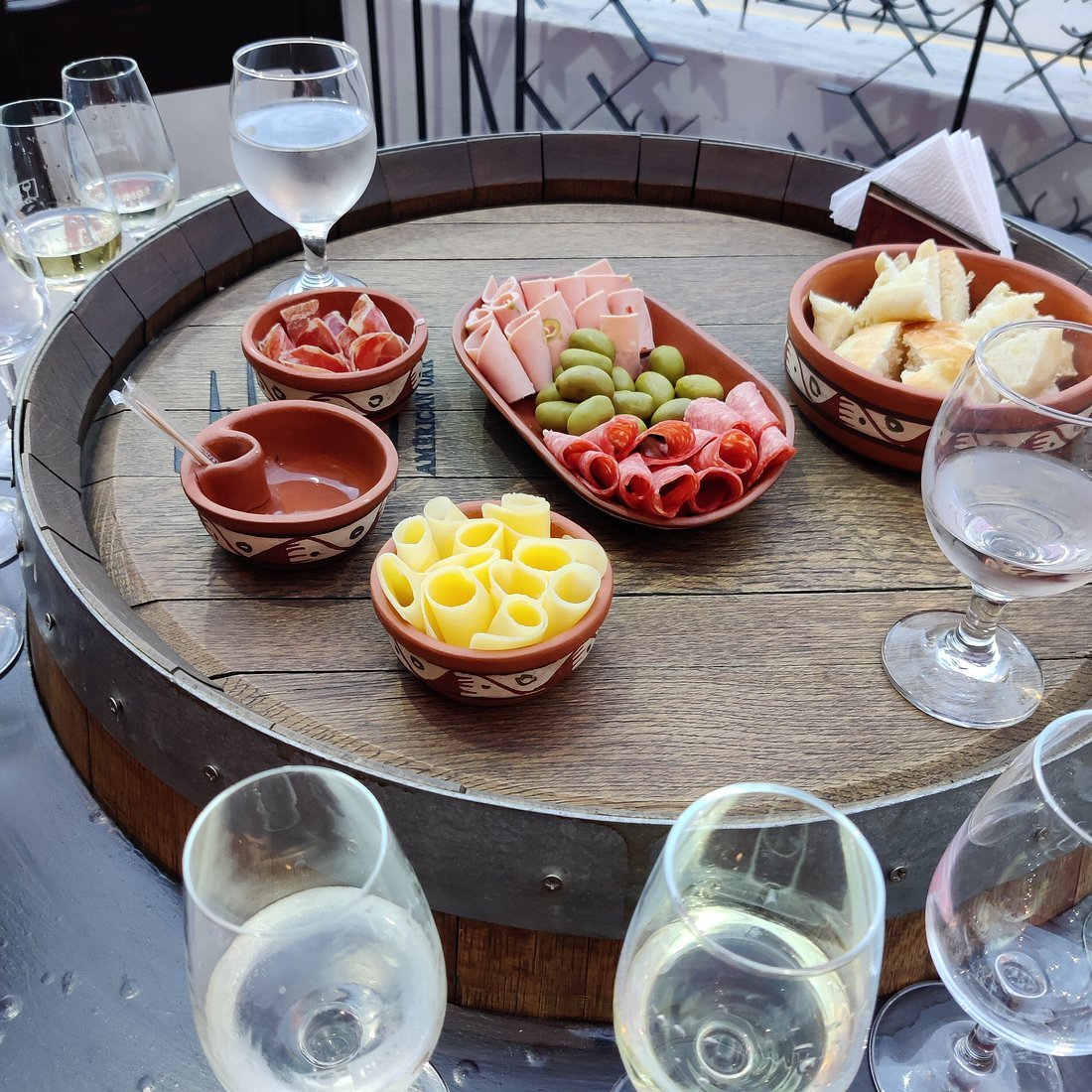
- Offered
- Wine Club
- Not available
Know before you go
Know Before You Go
- Getting there
- Silverio Chavarría 151, A4427ALC Salta
Planning details
Location
Also consider
Where to go if this does not fit the plan
If the booking feels too tight, start with Domingo Hermanos for a more casual Cafayate alternative or Finca Quara for a value-first backup. If the occasion needs a more polished setting, compare Bodega El Esteco and El Porvenir de Cafayate before locking the schedule.
Winery context
How it compares in Cafayate
Bodega Nanni is the stronger pick when the winery visit itself is the reason for the outing and the group is small enough to manage details ahead of time. Domingo Hermanos is the safer cross-shop for travelers who want a more casual Cafayate stop, while Bodega El Esteco reads as the better option when setting and a fuller hospitality feel matter more than a tightly focused tasting.
El Porvenir de Cafayate is the one to compare if the brief is a polished, occasion-friendly winery experience without overcomplicating the day. San Pedro de Yacochuya is better for travelers willing to build the schedule around a more destination-style visit, while Finca Quara makes sense as a practical fallback if ease and value are higher priorities than exclusivity.
For value, start with Domingo Hermanos or Finca Quara. For ambiance, compare Bodega El Esteco and El Porvenir de Cafayate. For a harder-to-secure, more deliberate special-occasion stop, Bodega Nanni is the one to plan around, provided the rest of the day does not depend on walk-in flexibility.
Explore Cafayate
Around this place
Discover more on Pearl
Unlock the full Bodega Nanni guide in Pearl, including awards, comparisons, FAQs, planning details, and nearby places.
Compare Bodega Nanni
| Venue | Location | Awards |
|---|---|---|
| Bodega Nanni | Cafayate | No published awards |
| Domingo Hermanos | Cafayate | No published awards |
| El Porvenir de Cafayate | Cafayate | 2026 Falstaff Winery Guide |
| San Pedro de Yacochuya | Cafayate | No published awards |
| Bodega El Esteco | Cafayate | 2026 Falstaff Winery Guide |
| Finca Quara | Cafayate | No published awards |

How Bodega Nanni Cafayate compares with similar nearby venues.
FAQ
Frequently Asked Questions
When is the best time to visit Bodega Nanni?
Does Bodega Nanni offer shipping or delivery?
Do not plan around shipping or delivery unless Bodega Nanni confirms those details directly.