

Lost Oak Winery
Burleson
Winery in Burleson, United States
 Book with Pearl
The Read
Blackland Prairie Viticulture
Why go
Lost Oak Winery is worth considering when the occasion calls for a relaxed winery setting in Burleson rather than a spirits-led outing. It is a better fit for dates, anniversaries, and small celebrations than for guests who need detailed production notes before choosing where to go.
About Lost Oak Winery
Lost Oak Winery is a Burleson venue with 2025 Pearl 2 Star Prestige recognition and a casual dress code. For planning, treat it as a recognized Burleson stop and confirm current visit details directly with the venue. That approach is especially useful for planners: it keeps the recognition and setting clear while leaving practical arrangements to a direct check before you go.
For decisions involving the wine program, menu, service format, pricing, hours, group capacity, or booking rules, check with the venue directly. The grounded takeaway is simple: Lost Oak Winery is a casual Burleson venue with a 2025 Pearl 2 Star Prestige distinction. If your decision depends on a particular tasting structure, a specific food expectation, a budget range, a precise arrival window, or the logistics of visiting with a group, confirm those details before setting an itinerary. The recognition gives the venue a clear reason to note it, while the planning details call for a careful, confirmation-first approach.
Choose it for a Burleson visit with confirmed recognition
Lost Oak Winery stands out because of its 2025 Pearl 2 Star Prestige recognition. If you are comparing Burleson options, use that accolade as the hook, then check the venue directly for the practical details that matter to your visit. The distinction can fairly anchor interest without implying more than the essentials. It may help you prioritize the venue on a short list, especially if your goal is simply to include a recognized Burleson stop in the day rather than to select based on a fully described menu, tasting lineup, or service model.
Avoid building plans around assumptions about specific grape varieties, named bottlings, winemaking style, food service, prices, hours, or seating capacity. The most reliable planning frame is to keep expectations general, dress casually, and confirm current arrangements before going. A cautious reading also helps avoid over-interpreting the name: it identifies Lost Oak Winery, but not the exact experience on a given visit. Until the venue shares the current setup, treat details like availability, timing, and any on-site offerings as open questions rather than settled facts.
Plan the wider Burleson day around confirmed details
If Lost Oak Winery is part of a broader Burleson outing, keep the itinerary flexible until you have checked current venue information. Other dining in Burleson can be considered around the visit, while comparisons such as Bearded Wheat Distillery, Bendt Distilling Co. Blackland Distillery, Firestone & Robertson Distilling (TX Whiskey), and Lone Elm (Five Points Distilling) offer different kinds of destination stops. Those names are useful as comparison points in the broad sense that they represent other beverage-oriented outings rather than the same experience. For Lost Oak Winery itself, the clearest planning move is to start with the essentials, leave room for updates, and let current information from the venue determine how firmly it fits into the day.
Planning details
- Location
- 8101 County Rd 802, Burleson, TX 76028
- Website
- lostoakwinery.com
- Phone
- +1 817-426-6625
The take
The Take
The Vibe
Lost Oak Winery reads like a regionally minded producer: serious, rooted and focused on expressing North Central Texas rather than chasing Hill Country benchmarks. The property is presented as an anchor for the metro fringe’s emerging cluster of growers, and the writing emphasizes the site's particular soils, climate and viticultural challenges. That measured, terroir-forward posture and its recent Pearl 2 Star Prestige recognition give the place a composed, sophisticated edge — a winery that privileges craft and regional character over flash, welcoming guests who care about provenance and the specifics of place.
Best For
This is a stop for people following Texas wine beyond the usual Hill Country circuit: tasters who want to compare site-driven expressions and understand how clay-loam soils and local climate shape varietal choices. Lost Oak suits group outings and celebrations that center on wine appreciation, and its status as a local anchor makes it a sensible destination for visitors surveying the region’s producers. Sommeliers, curious drinkers and anyone tracing the arc of North Central Texas viticulture will find the conversation here especially rewarding.
Venue details
Ambiance
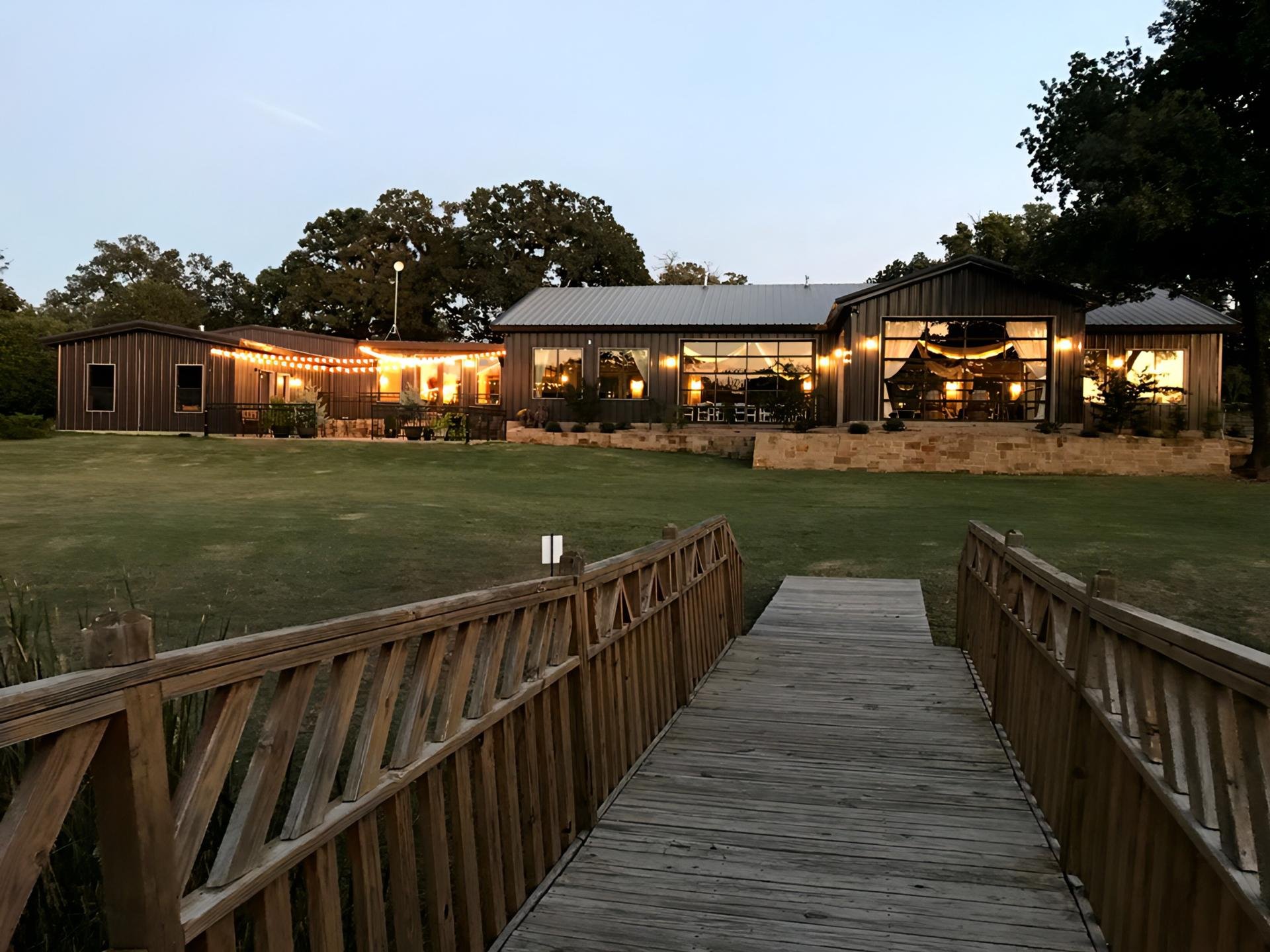
Warm and welcoming with golden walls, dark wooden floors, cozy oak barrel tables, and scenic outdoor grounds overlooking a creek.
Tags
Vibe
Best For
Experience
View
At the Vineyard
- Tour Duration
- 60-90 minutes
- Wine Club
- Available
Know before you go
Know Before You Go
- Getting there
- 8101 County Rd 802, Burleson, TX 76028
Planning details
Location
Also consider
Also Consider
- Firestone & Robertson Distilling (TX Whiskey), Notable alternative
- Blackland Distillery, Notable alternative
- Bearded Wheat Distillery, Notable alternative
- Bendt Distilling Co., Notable alternative
- Lone Elm (Five Points Distilling), Notable alternative
Winery context
How it compares for a Burleson-area drinks outing
Lost Oak Winery is the right choice when wine, conversation, and a softer celebration mood matter more than a distillery-style visit. Firestone & Robertson Distilling (TX Whiskey) and Blackland Distillery make more sense for groups that want whiskey or cocktail energy; Lost Oak is the calmer pick for a date or anniversary where the room should not overpower the conversation.
For value, the decision comes down to format rather than a published price comparison. Bearded Wheat Distillery, Bendt Distilling Co. and Lone Elm (Five Points Distilling) are better cross-shops if the group is more interested in spirits production than a winery afternoon. If the goal is an easygoing wine-focused stop, Lost Oak is the more natural fit.
Booking difficulty is the main caution: treat Lost Oak as the harder plan to secure and have a backup from the distillery set if timing is fixed. For a celebration that can flex around availability, prioritize Lost Oak; for a larger group or a tighter schedule, compare the distilleries first.
Explore Burleson
Around this place
Discover more on Pearl
Unlock the full Lost Oak Winery guide in Pearl, including awards, comparisons, FAQs, planning details, and nearby places.
Compare Lost Oak Winery
| Venue | Location | Awards |
|---|---|---|
| Lost Oak Winery | Burleson | No published awards |
| Firestone & Robertson Distilling (TX Whiskey) | Fort Worth | No published awards |
| Blackland Distillery | Fort Worth | No published awards |
| Bearded Wheat Distillery | Hillsboro | No published awards |
| Bendt Distilling Co. | Lewisville | No published awards |
| Lone Elm (Five Points Distilling) | Forney | No published awards |
How Lost Oak Winery Burleson compares with similar nearby venues.
FAQ
Frequently Asked Questions
Can Lost Oak Winery handle large groups?
Lost Oak Winery is in Burleson and has 2025 Pearl 2 Star Prestige recognition. For group size, booking requirements, and event arrangements, contact the venue directly.
Is the wine club at Lost Oak Winery worth joining?
Do I need a reservation at Lost Oak Winery?
When is the best time to visit Lost Oak Winery?
For the best time to visit Lost Oak Winery in Burleson, check the venue's current official information.