

Winery in Bulverde, United States
Chapline Distillery
500Pearl PointsPlan Ahead Stop
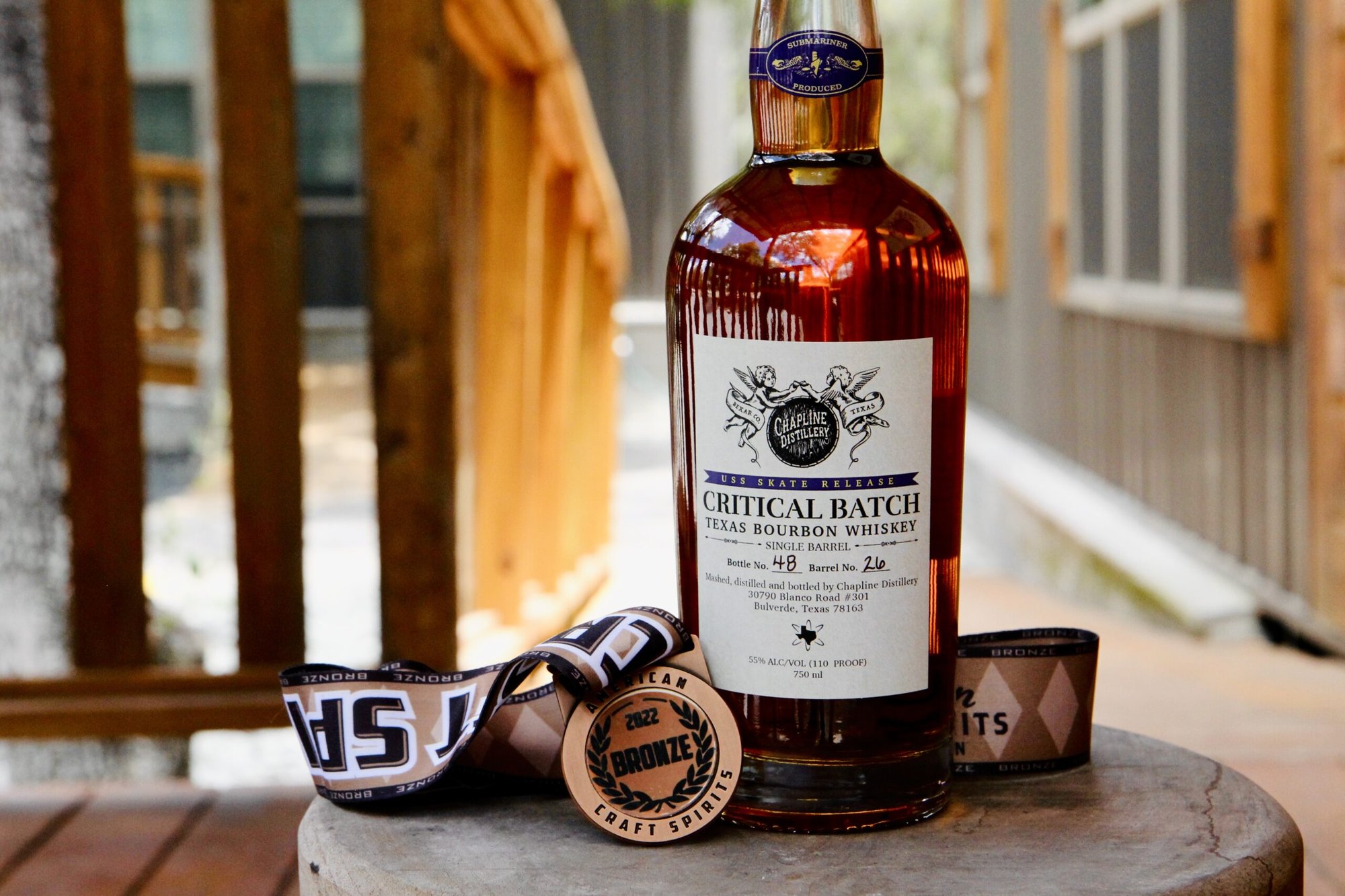
About Chapline Distillery
Chapline Distillery is worth considering if the goal is a quieter Bulverde-area spirits stop with Hill Country context, not a fully mapped tasting-room itinerary. Cross-shop Rebecca Creek Distillery or Ranger Creek Brewing & Distilling if the group needs clearer visitor infrastructure, choose Sister Creek Vineyards if the day should stay wine-focused.
Chapline Distillery is a Bulverde venue with a confirmed casual dress code and Pearl 2 Star Prestige recognition for 2025. Beyond those verified points, specific visitor details are not confirmed here, so plan with caution and check current information directly before building a trip around it.
Use Chapline Distillery as a Bulverde stop when the venue name and confirmed recognition are enough to put it on your shortlist. If you are comparing it with other regional options, consider Rebecca Creek Distillery, Ranger Creek Brewing & Distilling, Maverick Whiskey, Devils River Distillery, or Sister Creek Vineyards based on the kind of outing you want.
A better fit for flexible planners than checklist visitors
Choose this if you are looking at Bulverde and want a casual venue with confirmed Pearl 2 Star Prestige recognition. Skip making firm assumptions about formats, products, menus, tours, or visitor amenities, because those details are not part of the verified profile.
For comparison, Maverick Whiskey, Devils River Distillery, Ranger Creek Brewing & Distilling, Rebecca Creek Distillery, Sister Creek Vineyards may be useful names to check separately. Treat each as its own planning option rather than assuming the same location, format, or visit experience.
Plan the stop around certainty, not spontaneity
The confirmed profile is intentionally limited: Chapline Distillery is in Bulverde, dress is casual, Pearl 2 Star Prestige recognition is confirmed for 2025. Because hours, reservations, group policies, tasting details, menus, pricing, shipping are not verified here, confirm any practical details directly before visiting.
For a simple comparison set, keep the decision focused on Chapline Distillery and the other named venues above rather than assuming a specific service style. Other dining in Bulverde can be considered generically as part of the same outing, but no specific restaurant, bar, hotel, or activity details are verified in this profile.
Frequently Asked Questions
What other venues can I compare with Chapline Distillery?
Rebecca Creek Distillery, Ranger Creek Brewing & Distilling, Maverick Whiskey, Devils River Distillery, Sister Creek Vineyards are useful names to check separately. Do not assume they share the same location, format, hours, or visitor details.
Do I need a reservation at Chapline Distillery?
Reservation details are not verified here. Chapline Distillery is in Bulverde and has confirmed Pearl 2 Star Prestige recognition for 2025, but you should confirm current visit requirements directly before going.
Does Chapline Distillery offer shipping?
Shipping information is not verified here. Do not assume any specific shipping service without confirming directly with Chapline Distillery.
Does Chapline Distillery offer memberships or clubs?
A membership or club program is not verified here. If membership benefits matter to your decision, confirm directly with Chapline Distillery before treating them as part of the value case.
What should I order or try at Chapline Distillery?
No specific item, bottle, menu, or tasting format is verified here. The confirmed details are that Chapline Distillery is in Bulverde, has a casual dress code, holds Pearl 2 Star Prestige recognition for 2025.
When is the best time to visit Chapline Distillery?
Specific hours and ideal visit timing are not verified here. Check directly with Chapline Distillery before planning your Bulverde stop.
Can Chapline Distillery handle large groups?
Large-group policies are not verified here. If you are organizing a group visit, confirm capacity, booking needs, any visit requirements directly with Chapline Distillery.
Location
30790 Blanco Rd #301, Bulverde, TX 78163
Bulverde, United States
Compare Chapline Distillery
| Venue | Location | Awards |
|---|---|---|
| Chapline Distillery | Bulverde | Pearl 2 Star Prestige (2025) |
| Rebecca Creek Distillery | San Antonio | , |
| Ranger Creek Brewing & Distilling | San Antonio | , |
| Sister Creek Vineyards | Sisterdale | , |
| Maverick Whiskey | San Antonio | , |
| Devils River Distillery | San Antonio | , |
How Chapline Distillery Bulverde compares with similar nearby venues.
Also Consider
- Rebecca Creek Distillery, Notable alternative
- Ranger Creek Brewing & Distilling, Notable alternative
- Sister Creek Vineyards, Notable alternative
- Maverick Whiskey, Notable alternative
- Devils River Distillery, Notable alternative
How Chapline Distillery compares in the Bulverde and San Antonio orbit
Chapline Distillery is the more exploratory choice: book it only if the group is comfortable planning around a smaller confirmed public profile. Rebecca Creek Distillery is the safer pick for a spirits-focused outing with broader name recognition, while Ranger Creek Brewing & Distilling is better for groups split between beer and spirits.
If ambiance drives the decision, keep the setting in mind. Chapline fits a Hill Country-leaning day around Bulverde. Maverick Whiskey and Devils River Distillery make more sense for a city whiskey stop, especially when the group wants a more urban room and less driving between venues.
For wine rather than spirits, Sister Creek Vineyards is the cleaner cross-shop. It is the better fit when the outing is built around vineyard context; Chapline is the better fit when the point is a distillery stop within a Bulverde route.
Explore Bulverde
Save or rate Chapline Distillery on Pearl
Keep this venue in your Pearl passport, rate it after you visit, and track it alongside every other place you collect.