Racines
Lompoc, Buellton
Winery in Buellton, United States
 Book with Pearl
The Read
Sta. Rita Hills Terroir Focus
Price
$50–100tasting
Why go
Racines is a serious Buellton wine priority for travelers who care more about bottle quality than easy logistics. Treat it as the anchor of a Sta. Rita Hills-focused day, not a casual walk-in backup; groups needing clear food, hours, and large-party details should cross-shop more accessible local options.
About Racines
Racines is a Buellton venue with a smart casual dress code and Pearl 3 Star Prestige recognition for 2025. For itinerary planning, check current details directly before building a full schedule around it.
The grounded verdict: consider Racines if you want a Buellton visit with notable recognition, but do not assume hours, pricing, service format, menu, beverage program, group capacity, or booking process without checking directly.
Worth prioritizing with direct confirmation
Racines makes the clearest case for visitors who are already planning time in Buellton and are comfortable confirming current details before they go. If the day needs backup options, pair planning with Our full Buellton wineries guide, then cross-check food, hotel, and evening plans with Our full Buellton restaurants guide, Our full Buellton hotels guide, Our full Buellton bars guide, and Our full Buellton experiences guide.
For a broader itinerary, compare Racines with other named options such as QA Application Pick 4, San Antonio Winery, Sanguis Winery, Summerland Winery, and Whitcraft Winery, while confirming each venue's current location details and visitor information separately.
Use it as a recognized Buellton stop, then plan backups
The value question is practical: Racines is a stronger fit when its Pearl 3 Star Prestige recognition and smart casual dress code are enough to justify a planned stop. It is a weaker fit for anyone who needs price, hours, food, service style, reservations, or group logistics settled before committing. For backup planning, keep other Buellton dining and nearby venue options in reserve rather than relying on assumptions about Racines.
Planning details
- Location
- Buellton, Sta. Rita Hills, California, United States
- Website
- racineswine.com
The take
The Take
The Vibe
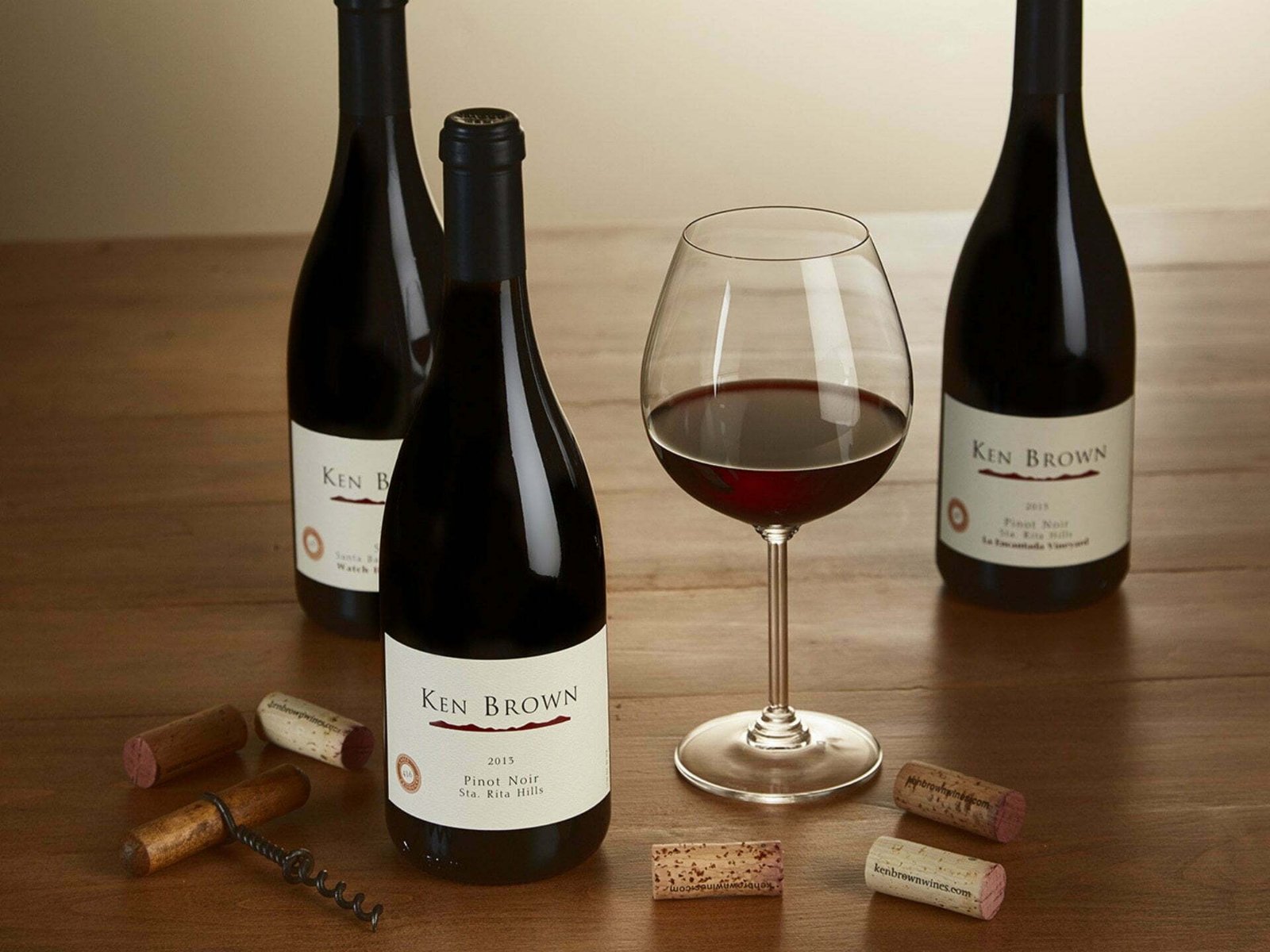
Racines presents a restrained, focused personality rooted in Sta. Rita Hills' cool-climate logic. The writing frames the winery in a prestige, Burgundian-influenced register: wines that prioritize tension over weight, Pinot Noir that retains bright acidity and Chardonnay that resists overripe flavors. The copy emphasizes seriousness and a quieter, contemplative feel—this is not a boisterous tasting room but a place where technique and site expression matter. Visitors encounter a measured, classic tone: wine-first, collector-minded, and oriented toward careful assessment rather than casual consumption.
Best For
Racines is well suited to serious tasters, collectors, and anyone interested in cool-climate Pinot Noir and Chardonnay. The text highlights the estate’s prestige-tier standing and allocation-driven approach, which makes it a logical stop for those focused on wine education, provenance, and comparative tasting against Burgundian-style references. It also fits travelers seeking a quieter, more intimate wine experience in Sta. Rita Hills—a spot for thoughtful sampling, focused discussions about barrel and cellar decisions, and special-occasion purchases rather than grab-and-go retail browsing.
Tasting Tips
Expect Racines’ wines to be handled with allocation discipline and critical-minded presentation: the description notes that the producer moves through mailing lists rather than retail shelves. If you’re trying to acquire bottles, look for mailing-list allocations or direct-purchase opportunities rather than relying on broad retail availability. When tasting, prioritize the Pinot Noir and Chardonnay expressions—the narrative specifically cites those varieties for their acidity and cellar-driven development—and ask about barrel-aging and cellar decisions, since the write-up foregrounds how post-harvest choices shape the wines.
Venue details
Ambiance
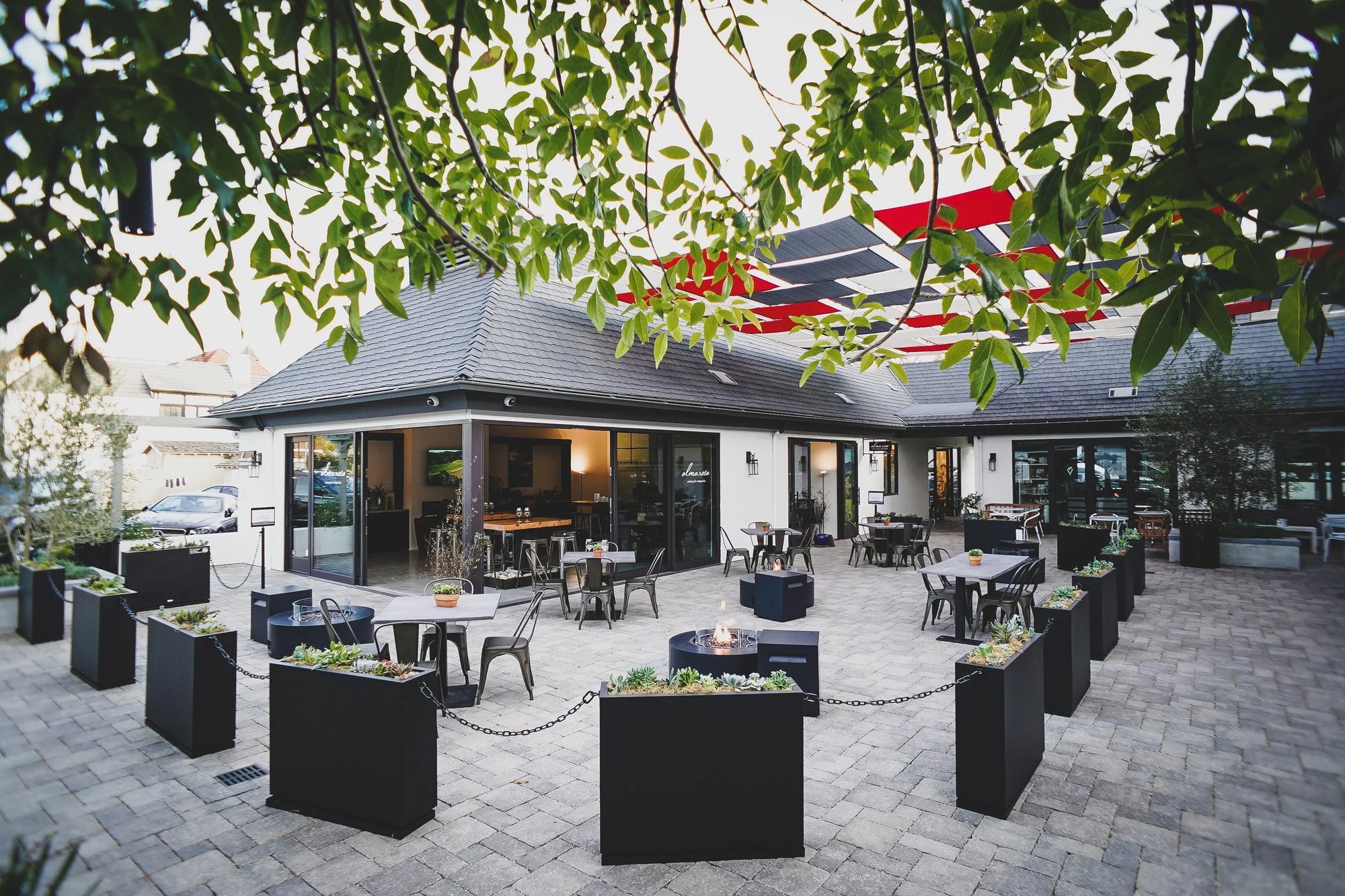
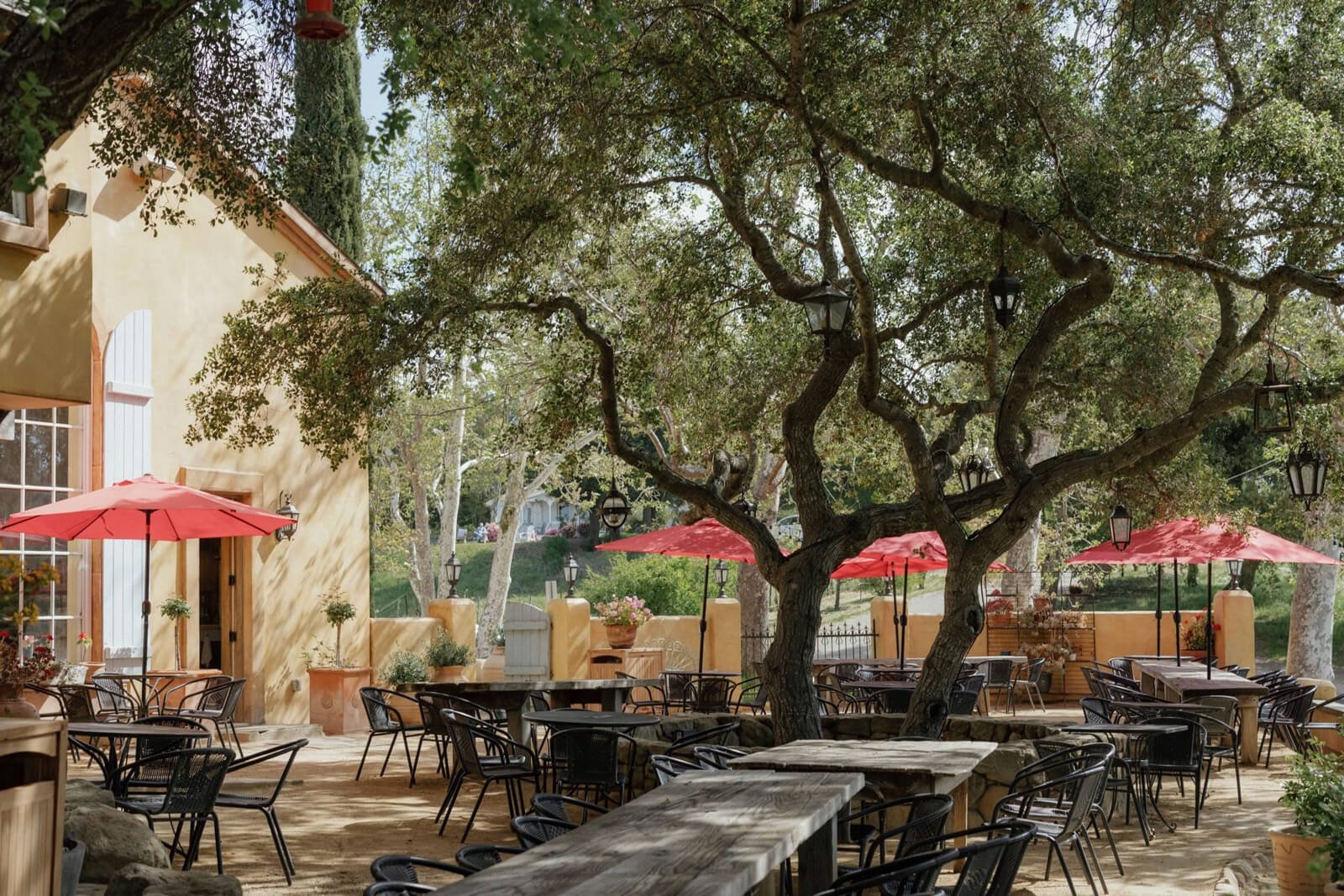
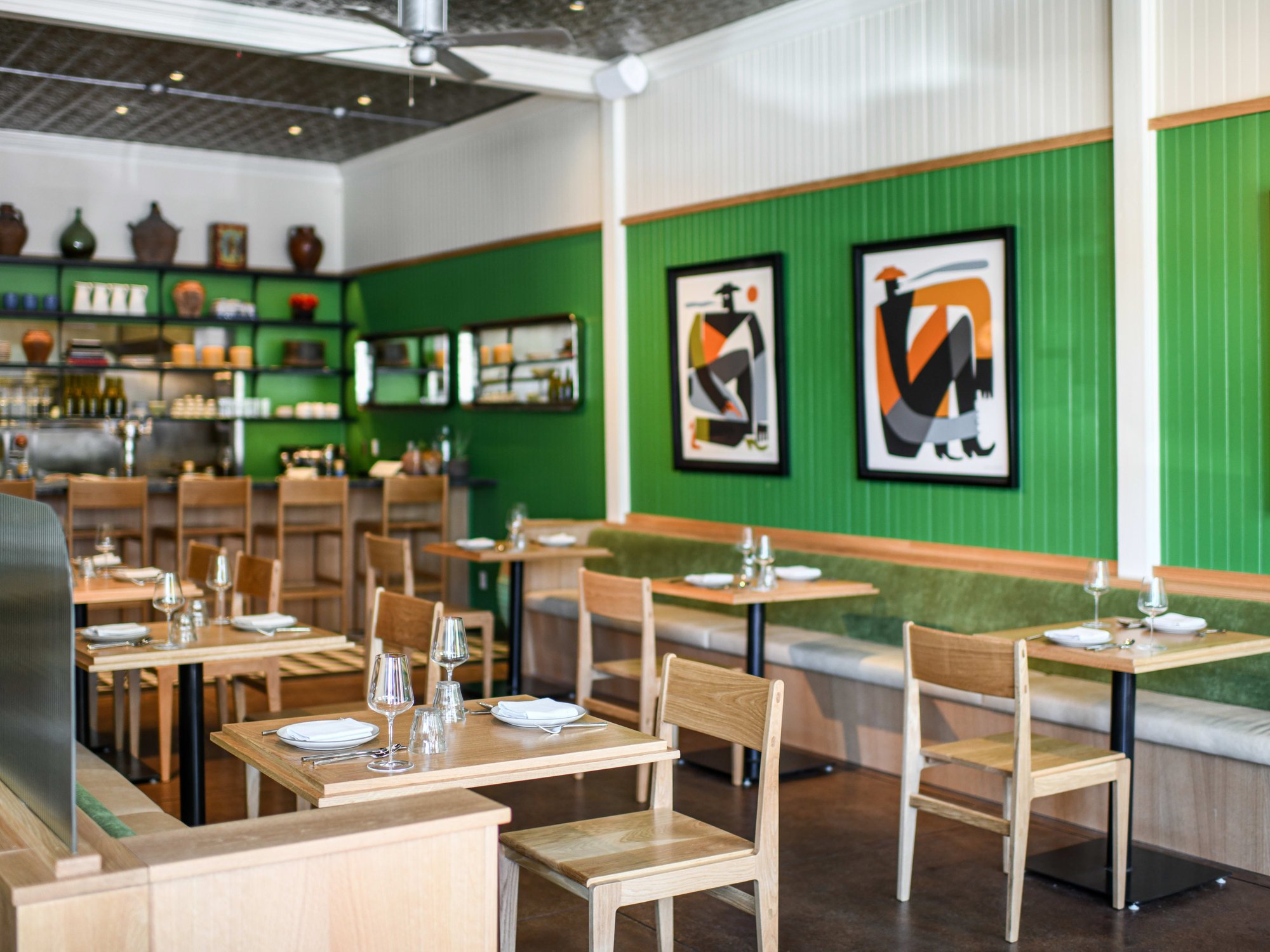
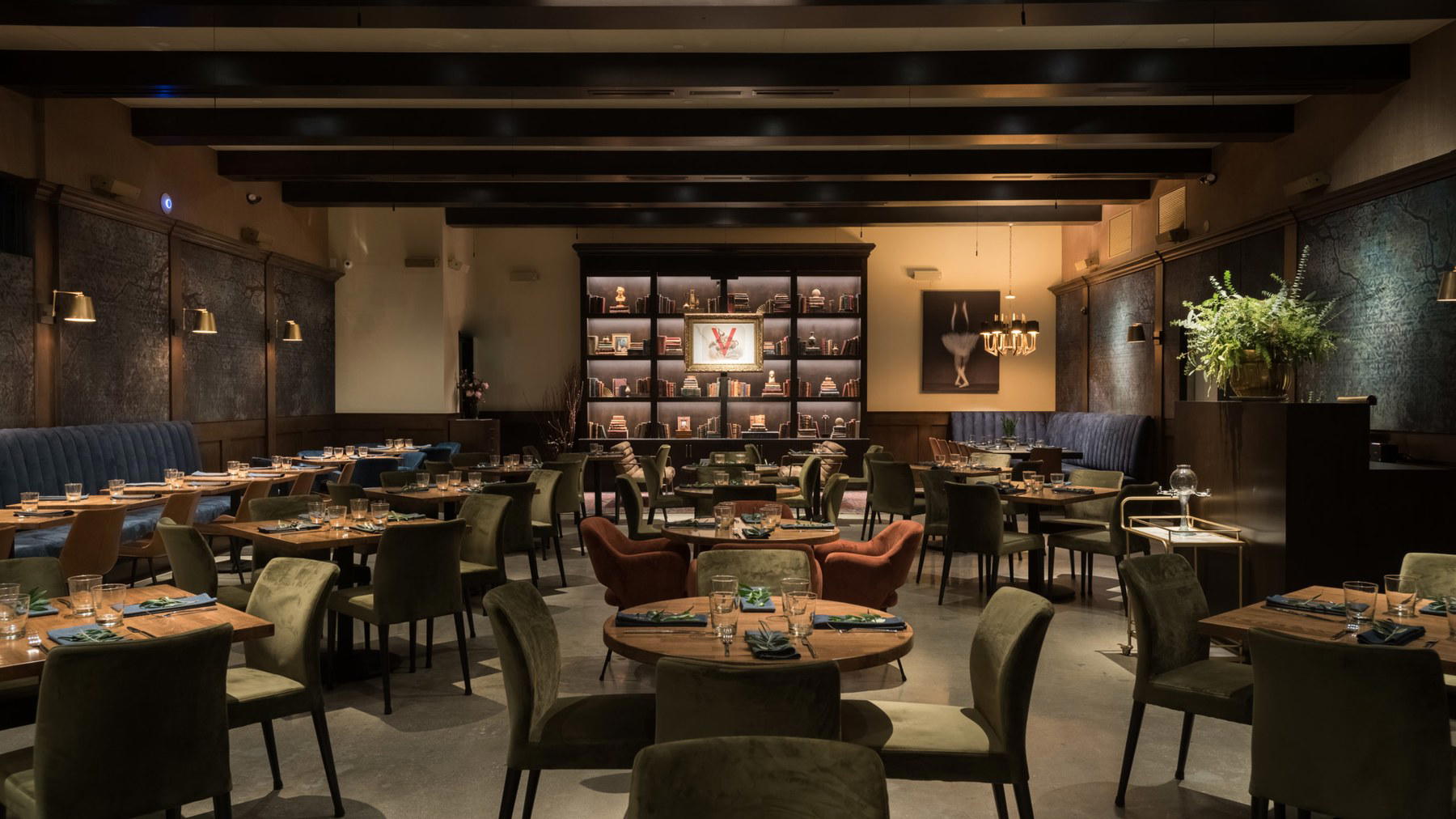
Estate vineyard setting with contemporary barn tasting room overlooking vineyards; refined yet approachable atmosphere.
Tags
Vibe
Best For
Experience
Sourcing
View
At the Vineyard
- Appellation
- Santa Rita Hills AVA
- Varietals
- Pinot Noir, Chardonnay, Grüner Veltliner
- Tour Duration
- 90 minutes
- Tour Languages
- English
- Visits
- By appointment only
- Farming
- Organic
- Wine Styles
- Still Red, Still White, Sparkling
- Shipping
- Available
- Wine Club
- Available
Know before you go
Know Before You Go
- Getting there
- Buellton, Sta. Rita Hills, California, United States
Planning details
Location
Buellton, Sta. Rita Hills, California, United States · Directions
Also consider
Where to go if Racines is not available
Try Sanguis Winery or Whitcraft Winery first if the goal is a serious wine stop rather than a broad tasting-room crawl. For a simpler backup, use Summerland Winery.
Winery context
How Racines compares in the Buellton wine set
Choose Racines when the trip is built around wine quality and the payoff matters more than convenience. Compared with San Antonio Winery and Summerland Winery, it reads as the more focused choice for a wine-first visitor, but not the easier one for casual groups or flexible timing.
Sanguis Winery and Whitcraft Winery are the more natural cross-shops for readers who care about producer identity and bottle depth. If the priority is value, Racines makes sense when access is available and the visit is centered on tasting rather than amenities; if the priority is a lower-friction outing, QA Application Pick 4 is the safer backup.
Explore Buellton
Around this place
Discover more on Pearl
Unlock the full Racines guide in Pearl, including awards, comparisons, FAQs, planning details, and nearby places.
Compare Racines
| Venue | Location | Awards |
|---|---|---|
| Racines | Buellton | No published awards |
| San Antonio Winery | Los Angeles | No published awards |
| QA Application Pick 4 | Los Angeles | No published awards |
| Summerland Winery | Summerland | No published awards |
| Sanguis Winery | Santa Barbara | No published awards |
| Whitcraft Winery | Santa Barbara | No published awards |
How Racines Buellton compares with similar nearby venues.
FAQ
Frequently Asked Questions
What is Racines known for here?
Racines is a Buellton venue with Pearl 3 Star Prestige recognition for 2025 and a smart casual dress code. Confirm current visit details directly before visiting.
Do I need a reservation at Racines?
Does Racines serve food?
What should I wear to Racines?
Does Racines offer shipping or purchases?
Can Racines handle large groups?
For any group visit in Buellton, contact Racines directly before planning around it.