Törley Pezsgőpincészet
Budafok, Budapest
Winery in Budapest, Hungary
 Book with Pearl
The Read
Limestone-Aged Pezsgő
Price
$10–20tasting
Why go
Törley Pezsgőpincészet is worth considering if the Budapest wine plan is specifically about sparkling wine and cellar context. It is less suited to spontaneous tasting-crawl energy or food-led group plans, so treat it as a planned stop and compare it with Etyek-area peers if you want a fuller countryside winery day.
About Törley Pezsgőpincészet
Is Törley Pezsgőpincészet worth planning around in Budapest? It may be, especially for travelers who are already considering a dedicated venue stop in the city. Törley Pezsgőpincészet is a Budapest venue with smart casual dress code guidance and Pearl 2 Star Prestige recognition for 2025. Travelers should confirm details about format, menus, tours, or services directly with the venue.
Plan with care and confirm practical details directly before building a day around the venue. If the itinerary is already centered on Budapest, pair it with Our full Budapest restaurants guide, Our full Budapest bars guide, Our full Budapest hotels guide, and other Budapest planning resources to avoid relying on assumptions about a single stop.
Plan around the key details
Törley Pezsgőpincészet is in Budapest, has a smart casual dress code, and is recognized with Pearl 2 Star Prestige (2025). For details about hours, pricing, food, visit format, group capacity, or reservations, travelers should confirm directly with the venue.
For travelers comparing Hungarian venue options, consider Törley Pezsgőpincészet alongside names such as Etyeki Kúria, Hernyák Birtok, Hilltop Neszmély Winery, Nyakas Pincészet, and Szentesi Pince, while checking each venue's current details directly. The choice should come down to your route, timing, and the kind of visit you can confirm by contacting the venue.
Who should plan around it, and who should choose a wider route
Consider Törley Pezsgőpincészet if a Budapest location, smart casual setting, and Pearl 2 Star Prestige recognition make it a strong fit for your plans. Choose a wider route if you need details on meals, timing, transportation, accessibility, group handling, or a particular style of visit before committing.
Quick reference: choose Törley Pezsgőpincészet for a Budapest venue with Pearl 2 Star Prestige (2025) recognition and smart casual dress guidance; compare other Hungarian options separately if you need more practical detail before planning the day.
Planning details
- Location
- Budapest, Anna u 7, 1221
- Website
- torleymuzeum.hu
- Phone
- +36 1 229 2300
The take
The Take
The Vibe
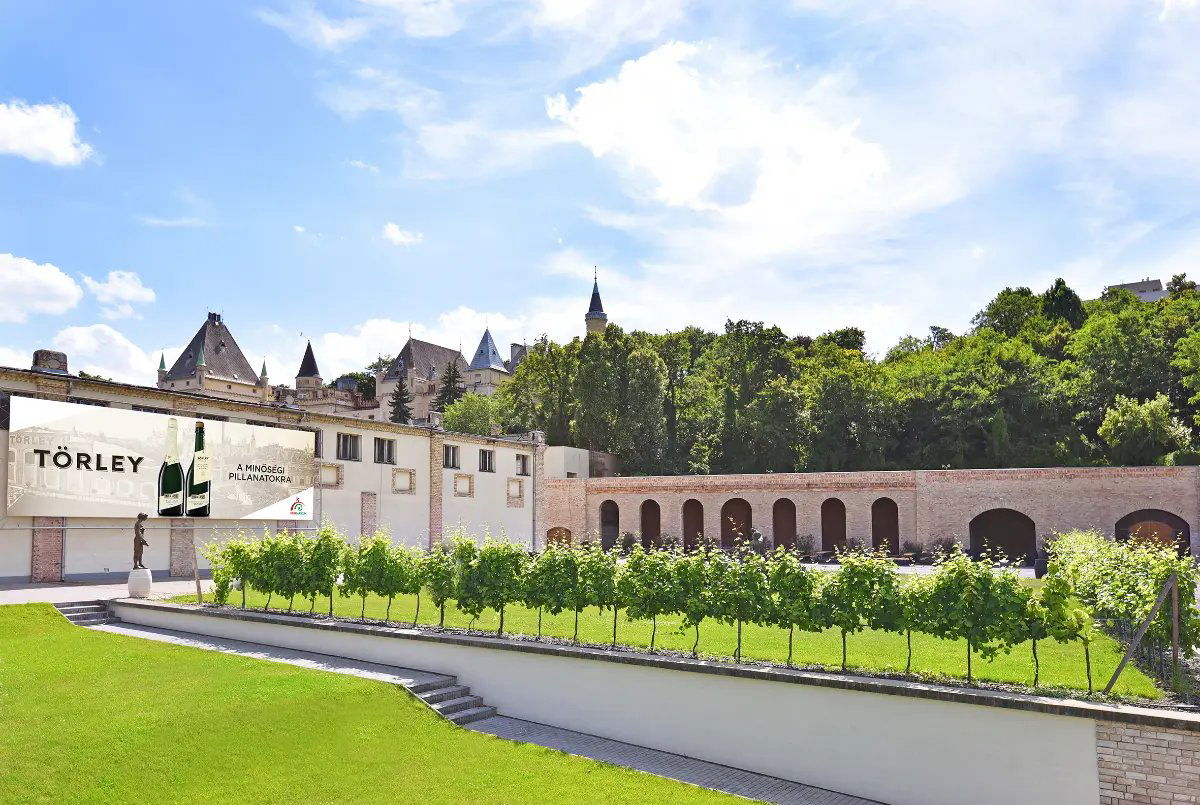
Törley Pezsgőpincészet reads as a classic, historic, and quietly iconic house anchored in Budapest’s sparkling-wine story. The visitor first senses scale above ground and then encounters an extensive subterranean world of volcanic tuff cellars, passages and cool, humid spaces built for secondary fermentation and long lees ageing. That cellar context gives the place a measured elegance: no flash, but a sense of craft and continuity. The atmosphere is shaped more by production and preservation than by showmanship, so the overall impression is one of dignified, time-tested gravitas rather than contemporary trendiness.
Best For
This is a destination for people who want to connect with Budapest’s sparkling-wine tradition: serious wine learners, groups marking a special occasion, and visitors seeking a celebratory bottle rooted in local history. The estate’s location in Budafok — a neighbourhood long used for production and ageing rather than grape growing — makes it especially suited to wine-education experiences that explain secondary fermentation and extended lees ageing. For those planning a meaningful or instructional visit, Törley offers context and scale that single-bottle tastings elsewhere may not provide.
Tasting Tips
When tasting here, prioritize Törley’s sparkling portfolio to understand how cellar conditions and extended lees ageing shape the wines. Ask staff about secondary fermentation and the role of the subterranean passages and volcanic tuff cellars in maturation — those details are central to the house’s identity. Order a comparative tasting or a flight if available so you can track stylistic differences and the textural influence of cellar ageing. Allow time to absorb the cellar environment: the cool, humid spaces and the sense of scale are part of the story the wines are telling.
Venue details
Ambiance
Atmospheric underground cellars with constant 12-14°C temperature, incandescent lighting, evoking tradition and elegance in a vast historic setting.
Tags
Vibe
Best For
Experience
At the Vineyard
- Appellation
- Etyek-Buda
- Varietals
- Chardonnay, Pinot Noir
- Tour Duration
- 1.5-2.5 hours
- Tour Languages
- Hungarian
- Visits
- By reservation
- Production
- Large producer
- Wine Styles
- Sparkling
- Wine Club
- Not available
Know before you go
Know Before You Go
- Getting there
- Budapest, Anna u 7, 1221
Planning details
Location
Also consider
Also Consider
- Szentesi Pince, Notable alternative
- Etyeki Kúria, Notable alternative
- Hernyák Birtok, Notable alternative
- Nyakas Pincészet, Notable alternative
- Hilltop Neszmély Winery, Notable alternative
Winery context
How it compares with Budapest-area winery options
Törley Pezsgőpincészet is the tighter choice for readers who want a Budapest-based sparkling-wine angle without turning the day into an out-of-metro excursion. Szentesi Pince, Etyeki Kúria, Hernyák Birtok, Nyakas Pincészet, and Hilltop Neszmély Winery make more sense when the wine day is the main event and travel time is part of the plan.
For value, the decision is less about a listed price and more about time cost. Törley Pezsgőpincészet is the practical pick if staying in Budapest and wanting a focused visit; Etyeki Kúria or Hernyák Birtok are better fits for a more complete countryside feel. Szentesi Pince and Nyakas Pincészet suit readers who care more about producer comparison than city convenience, while Hilltop Neszmély Winery is the one to consider when a broader out-of-city winery setting matters more than staying close.
Booking difficulty is the main caution. If the Budapest cellar visit cannot be arranged cleanly, cross-shop Etyeki Kúria or Hernyák Birtok first for a more conventional winery-day structure. If the priority is ambiance, Törley Pezsgőpincészet should appeal to visitors who prefer a focused cellar mood over a looser tasting-room afternoon.
Around this place
Discover more on Pearl
Unlock the full Törley Pezsgőpincészet guide in Pearl, including awards, comparisons, FAQs, planning details, and nearby places.
Compare Törley Pezsgőpincészet
| Venue | Location | Awards |
|---|---|---|
| Törley Pezsgőpincészet | Budapest | No published awards |
| Szentesi Pince | Érd | No published awards |
| Etyeki Kúria | Etyek | 2026 Falstaff Winery Guide |
| Hernyák Birtok | Etyek | 2026 Falstaff Winery Guide |
| Nyakas Pincészet | Tök | No published awards |
| Hilltop Neszmély Winery | Neszmély | No published awards |

How Törley Pezsgőpincészet Budapest compares with similar nearby venues.
FAQ
Frequently Asked Questions
What other Hungarian venues can I compare with Törley Pezsgőpincészet?
If you want to compare options beyond Törley Pezsgőpincészet in Budapest, look at Szentesi Pince, Etyeki Kúria, Hernyák Birtok, Nyakas Pincészet, and Hilltop Neszmély Winery. Check each venue's current details directly before treating it as part of the same itinerary.
Do I need a reservation at Törley Pezsgőpincészet?
Törley Pezsgőpincészet is in Budapest, has a smart casual dress code, and carries Pearl 2 Star Prestige (2025). Confirm booking requirements directly with the venue before you go.
Does Törley Pezsgőpincészet serve food?
Are memberships or special programs at Törley Pezsgőpincészet ?
Evaluate any such option only after checking the venue's current terms directly; the information is the Budapest location, smart casual dress code, and Pearl 2 Star Prestige (2025) recognition.
How long should I plan for a visit to Törley Pezsgőpincészet?
Plan conservatively, confirm current arrangements with the venue, and allow enough flexibility in your Budapest schedule for transportation and any separate meal plans.
Can Törley Pezsgőpincészet handle large groups?
If you are planning for a group in Budapest, contact Törley Pezsgőpincészet directly and confirm timing, booking requirements, and any group policies before finalizing plans.