
Winery in Brora, United Kingdom
Clynelish Distillery
750ptsWaxy Coastal Highland Spirit
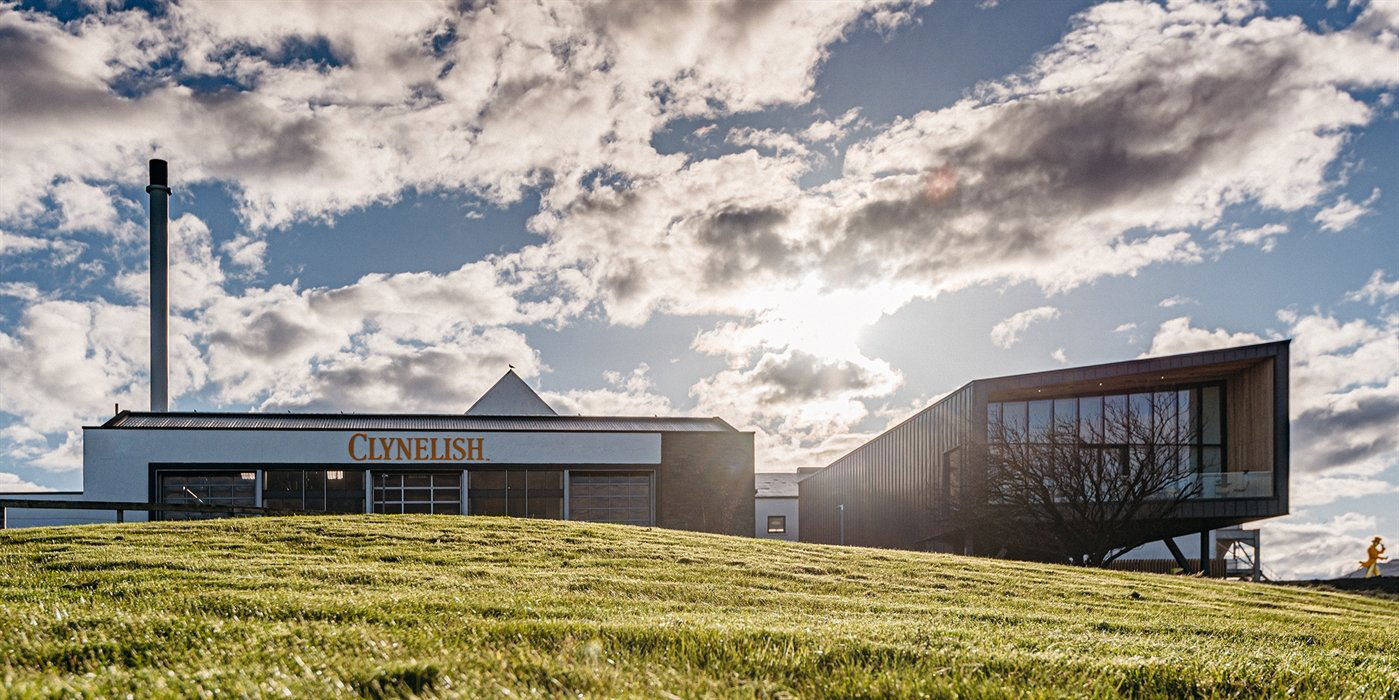
About Clynelish Distillery
Clynelish Distillery sits on the northern edge of the Scottish Highlands in Brora, Sutherland, producing one of the region's most distinctively waxy, coastal single malts. Awarded Pearl 3 Star Prestige in 2025, it occupies a respected tier among Highland distilleries where geography and climate do measurable work on spirit character. For whisky visitors making the drive up the A9, it remains a serious stop.
The Northern Edge of Highland Whisky Country
Scotland's whisky geography tends to collapse into shorthand: Speyside for elegance, Islay for peat, the Highlands for everything else. That last category does a disservice to the internal differences within the Highland region itself, and nowhere illustrates those differences more clearly than the far north coast of Sutherland. The land around Brora is exposed, salt-aired, and climatically distinct from the gentler valleys of Perthshire or the sheltered glens closer to Inverness. Clynelish Distillery sits on Clynelish Road in Brora, KW9 6LR, and operates in a setting where the environment is not incidental to what ends up in the bottle. The northern coast's maritime influence, its temperature swings, and the water drawn from local sources all contribute to a spirit profile that specialists have long separated from the broader Highland category.
The 2025 Pearl 3 Star Prestige award places Clynelish inside the upper tier of recognised Highland producers, a distinction that means something in a region where the gap between a functional distillery visitor experience and a genuinely authoritative one is considerable. For visitors making the journey north along the A9 or coming through Sutherland on a dedicated distillery circuit, this recognition is a useful calibration point: Clynelish is not a convenience stop between larger names. It is a destination in its own right.
What the Landscape Does to the Spirit
The editorial angle most relevant to Clynelish is terroir, a word borrowed from viticulture but increasingly used with precision in Scotch whisky circles. Unlike wine, where soil mineral uptake directly shapes flavour compounds, whisky terroir operates through water source, local barley, climatic maturation conditions, and the particular microbial environment of individual warehouses. At this latitude, with the North Sea influence audible in the surrounding geography, the cumulative effect on a long-matured spirit is measurable.
Clynelish has built a reputation specifically around a waxy, coastal character that distinguishes it from Highland distilleries further south or inland. That waxiness, which specialists often attribute to the specific cut points made during distillation and the interaction of new-make spirit with particular cask types over years, becomes more pronounced with age, making older expressions from this distillery particularly instructive for anyone tracking how northern Highland conditions translate into flavour over time. Compare this to [Balblair Distillery in Edderton](https://www.enprimeurclub.com/wineries/balblair-distillery-edderton-winery), another northern Highland producer with its own coastal-adjacent character, and the regional variations within this narrow geographical corridor become apparent. Both operate at the serious end of the Highland spectrum, but the spirit signatures diverge in ways that reward side-by-side tasting.
Further north and west, [Dornoch Distillery in Dornoch](https://www.enprimeurclub.com/wineries/dornoch-distillery-dornoch-winery) represents a newer generation of small-scale Highland production, with an emphasis on heritage barley varieties and lower-intervention fermentation. The contrast with Clynelish, which operates at larger scale and longer institutional history, places both in useful perspective: the northern Highlands are producing some of Scotland's most geographically specific whisky, from multiple points on the production philosophy spectrum.
Placing Clynelish in the Wider Scottish Distillery Circuit
Scotland's distillery visitor scene has stratified considerably over the past decade. At one end, large-volume operations have invested heavily in experiential infrastructure: cinema-style visitor centres, ticketed tastings, curated retail. At the other, smaller craft producers offer depth of access and production proximity. Clynelish occupies a middle ground, with institutional scale and a long track record, but set in a location remote enough that the visitors who make the journey tend to arrive with genuine intent rather than as part of a broader tourism pass.
For those building a northern Scotland distillery circuit, the routing logic is direct. [Balblair Distillery in Edderton](https://www.enprimeurclub.com/wineries/balblair-distillery-edderton-winery) sits to the south along the same coastal corridor, making a logical pairing with Clynelish for a single day's driving. Heading further into the Highlands, [Dornoch Distillery in Dornoch](https://www.enprimeurclub.com/wineries/dornoch-distillery-dornoch-winery) adds a contrasting craft-scale perspective. Those extending the circuit into Speyside will find [Aberlour in Aberlour](https://www.enprimeurclub.com/wineries/aberlour-aberlour-winery) and [Cardhu in Knockando](https://www.enprimeurclub.com/wineries/cardhu-knockando-winery) sitting at the heart of Scotland's most concentrated malt whisky geography, where the production philosophy and spirit character shift noticeably southward.
For island comparisons, [Ardnahoe in Port Askaig](https://www.enprimeurclub.com/wineries/ardnahoe-port-askaig-winery) on Islay represents an interesting counterpoint: coastal whisky production at the opposite end of the peat spectrum, where maritime influence arrives alongside heavy phenolic character rather than the waxy, drier coastal profile associated with Clynelish. And for Lowland contrast, [Auchentoshan Distillery in Clydebank](https://www.enprimeurclub.com/wineries/auchentoshan-distillery-clydebank-winery) and [Bladnoch Distillery in Bladnoch](https://www.enprimeurclub.com/wineries/bladnoch-distillery-bladnoch-winery) illustrate how Scotland's southernmost distilleries produce a lighter, triple-distilled style that sits at the opposite pole from northern Highland production. The full spectrum requires some travelling, and [our full Brora restaurants guide](https://www.enprimeurclub.com/cities/brora) covers the practical logistics of basing yourself in the area for a serious distillery itinerary.
The Broader Scottish Single Malt Scene
Scotland's whisky industry has undergone a quiet but significant reorientation over the past decade, with independent bottlers, distillery exclusives, and allocated releases increasingly shaping how serious collectors and enthusiasts engage with the category. The days when a distillery's entire range sat openly on the shelf have given way to a tiered release structure, where visitor-centre exclusives, warehouse samples, and cask-strength bottlings reward those who arrive in person. This model places physical visits at a premium in ways that were less true even fifteen years ago.
Across the country, newer operations like [InchDairnie Distillery in Glenrothes](https://www.enprimeurclub.com/wineries/inchdairnie-distillery-glenrothes-winery) and [Dunphail Distillery in Dunphail](https://www.enprimeurclub.com/wineries/dunphail-distillery-dunphail-winery) are approaching the category with experimental grain varieties and production methods that older distilleries cannot easily replicate, while established names like [Glen Garioch Distillery in Oldmeldrum](https://www.enprimeurclub.com/wineries/glen-garioch-distillery-oldmeldrum-winery) and [Glen Scotia in Campbeltown](https://www.enprimeurclub.com/wineries/glen-scotia-campbeltown-winery) carry the historical authority of long-established regional traditions. [Deanston in Deanston](https://www.enprimeurclub.com/wineries/deanston-deanston-winery) represents the organic and sustainability angle gaining traction across Scottish production. Clynelish, with its Pearl 3 Star Prestige recognition, sits within this broader conversation as a producer whose credentials rest on geographic specificity and a long, documented spirit character rather than novelty or recent reorientation.
Planning a Visit
Brora is located on the east coast of Sutherland, roughly 70 kilometres north of Inverness by road. The drive along the A9 is one of Scotland's more dramatic coastal routes, and the distillery sits just off that road on the edge of the town. Visitors coming from the south will likely pass through Inverness and continue north; from the north, the approach from Wick or Thurso is direct on the same route. As with most serious distillery visits in Scotland, booking ahead is advisable, particularly for specialist tasting experiences, which at Highland distilleries of this tier tend to fill weeks in advance, especially between May and September when the touring season peaks. The distillery's specific tour formats, pricing, and opening hours are leading confirmed directly before travelling, given that operational details at this address are subject to seasonal variation. For accommodation and dining context in the area, [our full Brora restaurants guide](https://www.enprimeurclub.com/cities/brora) provides current editorial coverage of what the town and its immediate surroundings offer.
Frequently Asked Questions
What kind of setting is Clynelish Distillery?
Clynelish is a working Highland distillery on the edge of Brora in Sutherland, on Scotland's north-east coast. The setting is rural and coastal, with the kind of exposed, open landscape that characterises this part of the Highlands. It holds a Pearl 3 Star Prestige award (2025), placing it at the recognised end of the Highland distillery visitor spectrum. Pricing for tours and tastings is leading confirmed directly with the distillery before visiting.
What should I taste at Clynelish Distillery?
Clynelish is associated with a waxy, coastal spirit profile that distinguishes it from Speyside or Lowland styles. The distillery's single malt expressions are the primary reason specialists make the journey north, and any guided tasting at the site will focus on how the northern Highland environment contributes to that character. Awards recognition at the Pearl 3 Star Prestige level (2025) indicates the distillery is operating at a standard that makes formal tasting experiences worthwhile rather than peripheral.
Why do people go to Clynelish Distillery?
The combination of geographic remoteness and a well-documented spirit character with a strong collector following brings serious whisky enthusiasts to Brora. The Pearl 3 Star Prestige recognition (2025) adds formal validation to what has long been word-of-mouth reputation among single malt specialists. For those already on a northern Scotland itinerary, it sits logically alongside nearby producers like Balblair in Edderton and Dornoch Distillery to the south.
Do they take walk-ins at Clynelish Distillery?
Walk-in availability at Highland distilleries of this profile varies considerably by season. Between late spring and early autumn, demand from touring visitors tends to absorb available capacity, and pre-booked places at specialist tastings fill ahead of casual enquiry. Outside peak season, walk-in access is more likely, though the most specific tasting formats typically require advance reservation regardless of time of year. Current booking options, pricing, and opening hours should be confirmed directly with the distillery, as contact and operational details are subject to change.
Related editorial
- Best Fine Dining Restaurants in ParisFrom three-Michelin-star icons to the next generation of Parisian chefs pushing boundaries, these are the restaurants that define fine dining in the world's culinary capital.
- Best Luxury Hotels in RomeFrom rooftop terraces overlooking ancient ruins to Michelin-starred hotel dining, these are the luxury hotels that make Rome unforgettable.
- Best Cocktail Bars in KyotoFrom sleek lounges to hidden speakeasies, Kyoto's cocktail scene blends Japanese precision with global influence in ways you won't find anywhere else.
Save or rate Clynelish Distillery on Pearl
Keep this venue in your Pearl passport, rate it after you visit, and track it alongside every other place you collect.