

Winery in Brooklyn, United States
Standard Wormwood Distillery
500Pearl PointsPrestige over polish
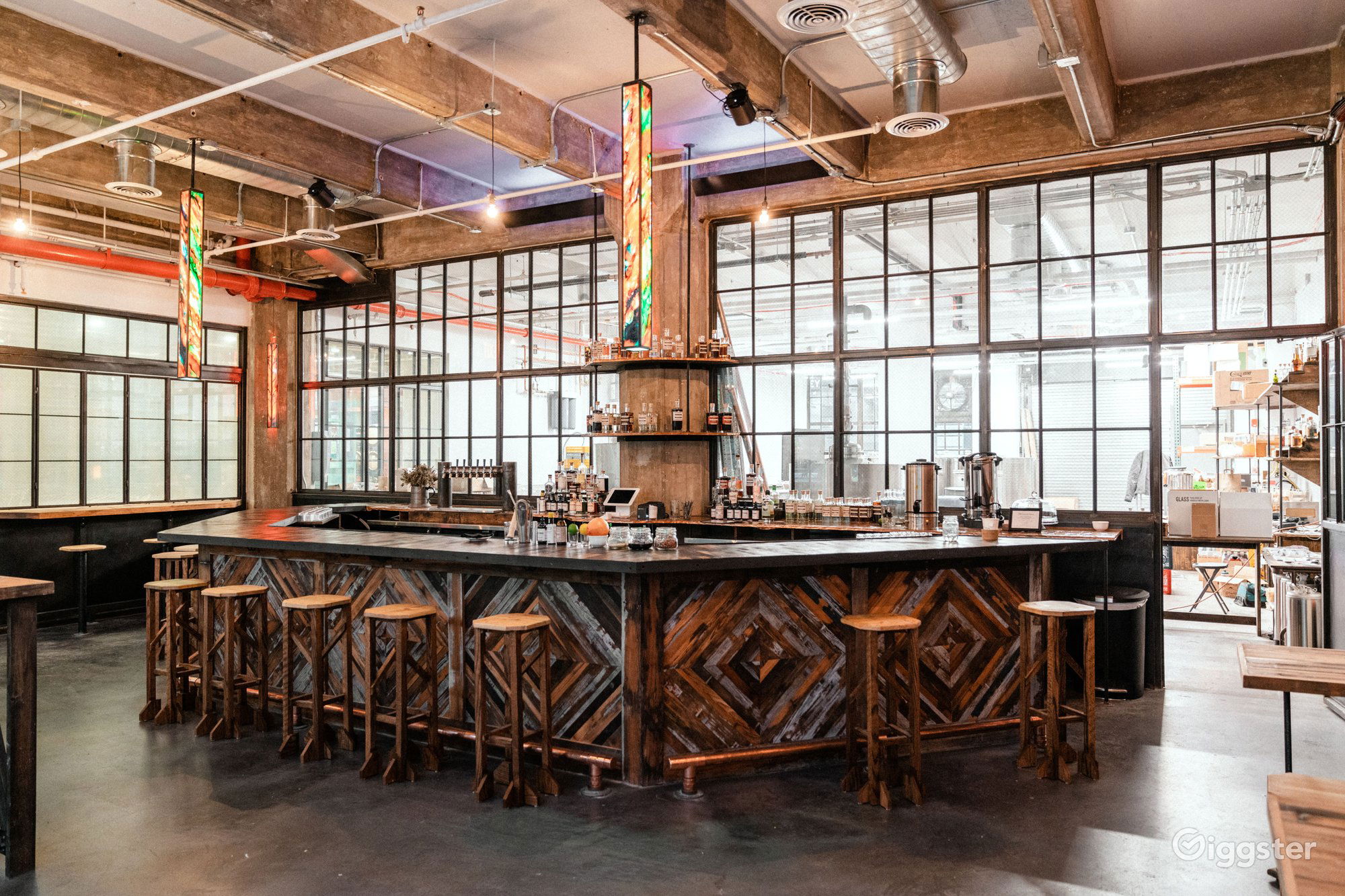
About Standard Wormwood Distillery
Standard Wormwood Distillery is a stronger fit for spirits-focused Brooklyn plans than for casual food-and-drink outings. The booking picture is high-friction, so treat it as a planned special-occasion stop and compare it with Fort Hamilton Distillery, Breuckelen Distilling, Van Brunt Stillhouse, Widow Jane Distillery, Kings County Distillery if convenience matters.
Standard Wormwood Distillery is a Brooklyn venue with clearly confirmed Pearl 2 Star Prestige recognition for 2025. Beyond that, the verified details are limited: the dress code is casual, there is no confirmed information here about food service, hours, seating, pricing, reservations, or a published tasting format. Treat this as a thin-data listing and confirm practical details directly before planning around it.
A Brooklyn distillery listing with limited confirmed planning details
The safest way to evaluate Standard Wormwood Distillery is as a Brooklyn distillery with a casual dress code and a confirmed 2025 Pearl 2 Star Prestige signal. Specific location details beyond Brooklyn, service format, menu structure, visit length are not verified here, so this page should not be used as proof of a particular tasting experience or dining setup.
Consider it when the group is specifically interested in Standard Wormwood Distillery and is willing to verify current access, timing, availability through the venue's official channels. Do not make it the anchor for a food-led evening unless another confirmed dinner stop is already arranged. For broader planning, Brooklyn bars guide and Brooklyn restaurants guide are more useful starting points if the night needs drinks plus a meal.
Worth considering, but only with details confirmed first
The case for going rests on the venue being a Brooklyn distillery with Pearl 2 Star Prestige recognition in 2025, not on any verified claim about food, seating, hours, or a specific tasting format. If you are comparing Brooklyn distillery options, you may also look at Fort Hamilton Distillery, Breuckelen Distilling, Van Brunt Stillhouse, Widow Jane Distillery, Kings County Distillery before deciding which visit best fits the plan.
Frequently Asked Questions
Does Standard Wormwood Distillery serve food?
Food service is not verified in the available data for Standard Wormwood Distillery. Treat it as a Brooklyn distillery listing, not as a confirmed dining pick, check the venue's official channels for the latest details.
Can Standard Wormwood Distillery handle large groups?
Large-group capacity is not verified in the available data. If you are planning for a group, confirm availability, booking requirements, any capacity limits directly with Standard Wormwood Distillery before committing.
What is Standard Wormwood Distillery known for?
The verified data identifies Standard Wormwood Distillery as a Brooklyn distillery with Pearl 2 Star Prestige recognition for 2025 and a casual dress code. Specific products, menus, or tasting details are not verified here.
Are memberships or recurring programs available at Standard Wormwood Distillery?
Memberships or recurring programs are not verified in the available data for Standard Wormwood Distillery. Base any decision on current information from the venue's official channels.
How long should I plan for a visit to Standard Wormwood Distillery?
A recommended visit length is not verified in the available data. Confirm current hours, access, any visit format directly with Standard Wormwood Distillery before planning your schedule.
Do I need a reservation at Standard Wormwood Distillery?
Reservation requirements are not verified in the available data. Plan to check directly with Standard Wormwood Distillery for current booking guidance, especially before making a special trip.
Location
52 34th St, Brooklyn, NY 11232-2004
Brooklyn, United States
Compare Standard Wormwood Distillery
| Venue | Location | Awards |
|---|---|---|
| Standard Wormwood Distillery | Brooklyn | Pearl 2 Star Prestige (2025) |
| Fort Hamilton Distillery | Brooklyn | , |
| Breuckelen Distilling | Brooklyn | , |
| Van Brunt Stillhouse | Brooklyn | , |
| Widow Jane Distillery | Brooklyn | , |
| Kings County Distillery | Brooklyn | , |
How Standard Wormwood Distillery Brooklyn compares with similar nearby venues.
If you cannot make this work
Try Kings County Distillery if the group wants a more familiar Brooklyn distillery plan. Try Van Brunt Stillhouse if the priority is a spirits outing that feels easier to slot into a broader Brooklyn night.
How Standard Wormwood Distillery compares in Brooklyn
Choose Standard Wormwood Distillery when the goal is a rarer, harder-to-access Brooklyn spirits stop. Compared with Fort Hamilton Distillery and Breuckelen Distilling, it reads as the less casual choice: better for a planned special-occasion visit, weaker for a flexible group that wants simple logistics.
Van Brunt Stillhouse and Widow Jane Distillery are the more obvious cross-shops for a Brooklyn distillery itinerary where ambiance and recognizability matter. Kings County Distillery is the safer comparison if the group wants a classic Brooklyn distillery pick with less uncertainty around the plan.
Value is hard to judge without a published price signal, so the practical recommendation is to treat Standard Wormwood Distillery as a specialty booking, not the easy default. If the night needs food, predictable timing, or a larger-group plan, cross-shop first rather than forcing this as the anchor.
Save or rate Standard Wormwood Distillery on Pearl
Keep this venue in your Pearl passport, rate it after you visit, and track it alongside every other place you collect.