

Winery in Bridgetown, Barbados
Mount Gay Rum
750Pearl PointsRum Stop, Not Wine Club
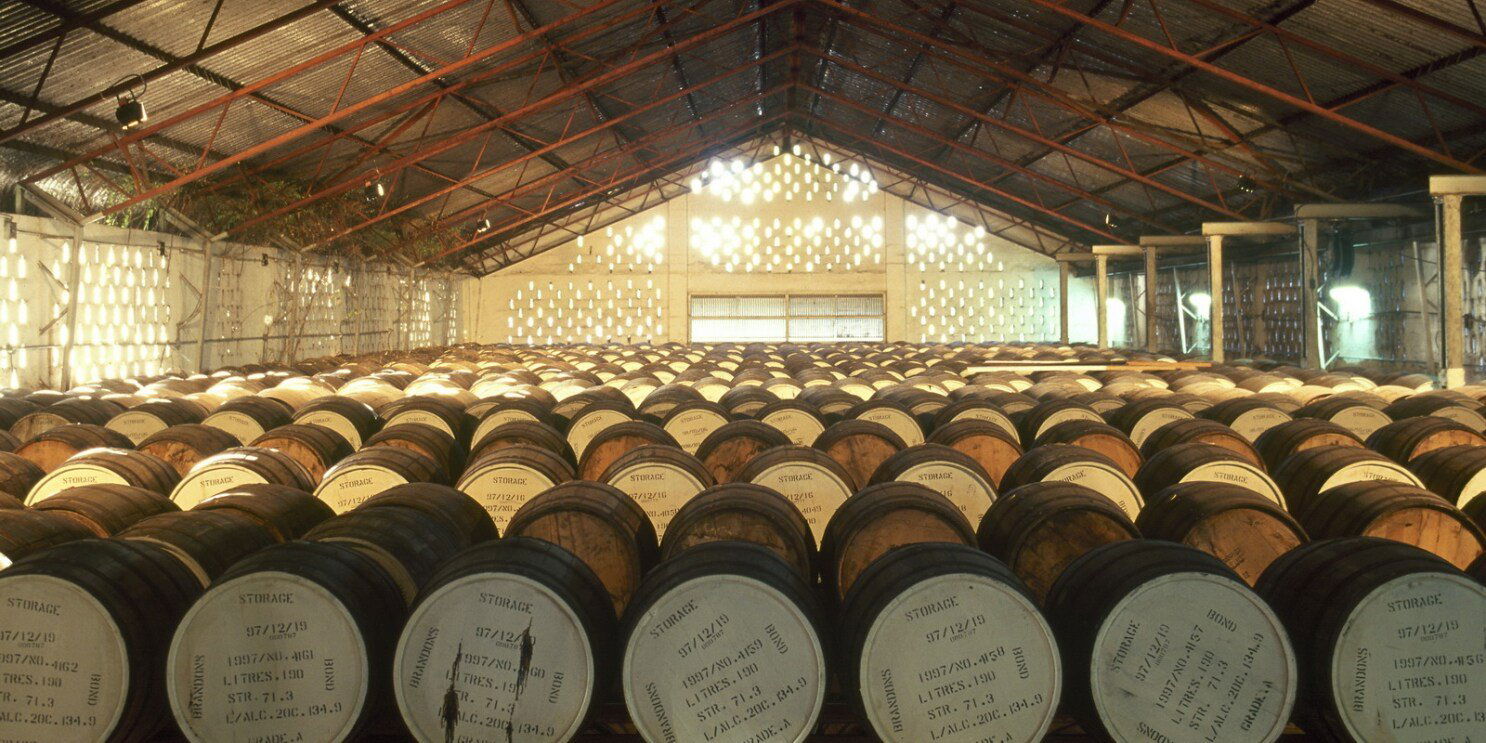
About Mount Gay Rum
Book Mount Gay Rum if the goal is Barbados rum context in Bridgetown, not a conventional winery visit. The draw is category heritage and a spirits-focused stop; the caution is planning, since confirmed visitor details are limited in the listing. Leave schedule slack and compare it with Rum Distillery if rum depth matters more than convenience.
Mount Gay Rum is a Bridgetown venue best framed around rum interest. The verified details are limited, but the confirmed signals are clear: it is in Bridgetown, the dress code is casual, it holds Pearl 3 Star Prestige (2025).
Use this page as a cautious planning note rather than a complete operating guide. The supplied verified data does not confirm cuisine, menu format, hours, booking method, phone number, bottle lineup, pricing, group capacity, or take-out and delivery. If those details matter, confirm them directly with the venue before building a fixed itinerary.
Plan for Bridgetown rum context
Mount Gay Rum is not supported here as a restaurant or food-led stop. The grounded reason to consider it is simple: it is a rum-related Bridgetown venue with Pearl 3 Star Prestige (2025), making it a stronger fit for travelers specifically interested in rum than for visitors searching for a confirmed meal service.
The practical expectation should stay narrow. Casual dress is verified, but service format, tour structure, tasting details, hours, reservation requirements are not included in the verified record supplied. Plan with flexibility, avoid relying on unconfirmed assumptions such as walk-in availability, large-group handling, or a posted visitor schedule.
How to think about timing and expectations
Because verified hours are not provided, do not assume a lunch, dinner, or late-night visit. The safest approach is to check current official information before going and to leave enough schedule flexibility for changes in availability.
Do not come looking for a confirmed meal service, wine club, shipping program, or named bottle lineup based on the information available here. Treat Mount Gay Rum as a casual-dress Bridgetown rum venue with a confirmed Pearl 3 Star Prestige (2025) recognition. For broader planning, build the rest of the day through the Bridgetown restaurants guide, Bridgetown bars guide, Bridgetown hotels guide, Bridgetown experiences guide.
Frequently Asked Questions
What is verified about Mount Gay Rum?
The verified details are that Mount Gay Rum is in Bridgetown, has a casual dress code, holds Pearl 3 Star Prestige (2025). Other operating details should be confirmed directly before visiting.
What other rum venue can I compare with Mount Gay Rum?
Rum Distillery is the relevant named comparison. Other Bridgetown dining and drinks options should be considered generically unless separately verified.
What should I expect at Mount Gay Rum?
The supplied details support Mount Gay Rum as a rum-related Bridgetown stop, with Pearl 3 Star Prestige (2025) as the confirmed quality signal. Specific tasting details, bottle lineup, service format are not verified here.
Can Mount Gay Rum handle large groups?
Large-group capacity is not verified in the supplied details. If visiting with a group, confirm current arrangements directly before planning around Mount Gay Rum.
Do I need a reservation at Mount Gay Rum?
Reservation requirements are not verified in the supplied details. Check current official information before going, especially if timing is important or your party is sizable.
Does Mount Gay Rum serve food?
A food service is not verified in the supplied details. If food is important, plan separately through Bridgetown dining options and treat Mount Gay Rum as a rum-focused stop unless the venue confirms otherwise.
Does Mount Gay Rum offer shipping?
Shipping information is not verified for Mount Gay Rum. Handle any purchase or shipping questions directly with the venue, do not plan around a confirmed shipping program from the information supplied here.
Location
Exmouth Gap, Brandons Spring Garden Highway, Bridgetown, St. Michael, Barbados
Bridgetown, Barbados
Compare Mount Gay Rum
| Venue | Location | Awards |
|---|---|---|
| Mount Gay Rum | Bridgetown | Pearl 3 Star Prestige (2025) |
| Foursquare Rum Distillery | Four Roads | , |
How Mount Gay Rum Bridgetown compares with similar nearby venues.
Where to look if this is hard to book
If Mount Gay Rum is not workable for the date, cross-shopRum Distillery. It is the relevant alternative for rum-focused travelers, especially those who care more about distillery context than staying close to Bridgetown.
How It Compares
Mount Gay Rum is the Bridgetown pick when convenience and Barbados rum context matter more than a production-deep outing.Rum Distilleryis the stronger cross-shop for travelers willing to go outside Bridgetown for a more distillery-led comparison, especially if the priority is understanding rum through production rather than anchoring the day in the capital.
For value, Mount Gay Rum makes sense if it slots cleanly into a Bridgetown itinerary with restaurants, bars, or hotels nearby. Rum Distillery is better for visitors making rum the central plan of the day. Booking difficulty is high here, so do not treat either as a casual backup without confirming access first.
Explore Bridgetown
Save or rate Mount Gay Rum on Pearl
Keep this venue in your Pearl passport, rate it after you visit, and track it alongside every other place you collect.