

Winery in Bregenz, Austria
Wohlfarter Distillery
250Pearl PointsCity Distillery
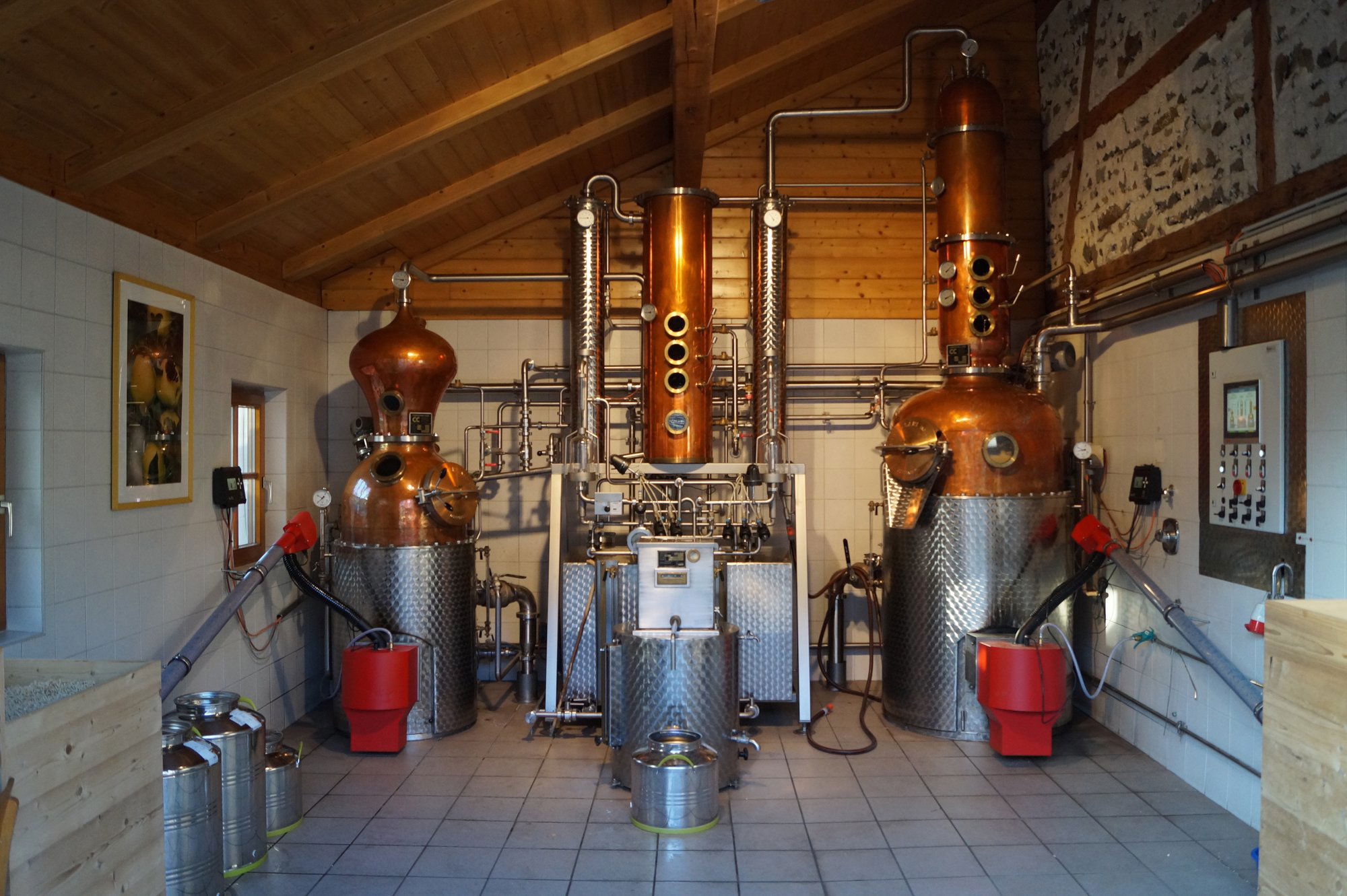
About Wohlfarter Distillery
Wohlfarter Distillery is the Bregenz-city choice for travelers who want a spirits-focused stop without turning the day into a regional drive. Book it as a compact add-on to a broader city itinerary, plan food separately unless a meal format is confirmed in advance.
For a Bregenz distillery stop, the smart move is to treat Wohlfarter Distillery as a focused venue to consider within a wider city itinerary. Rather than making it carry the whole day on its own, it works best as one component in a plan that already has some flexibility built in. It may fit travelers already building plans around restaurants, hotels, or other Bregenz experiences in the same trip, especially if the aim is to compare a distillery address with the city's broader hospitality options.
A Bregenz distillery pick for travelers comparing spirits stops
The clearest verified signal for Wohlfarter Distillery is its Pearl 1 Star Prestige recognition in 2025. That gives it a concrete reason to appear on a shortlist for travelers specifically looking at distilleries or spirits-led venues connected to Bregenz. Beyond that, confirmed details are limited, so the safest way to plan is to treat it as a Bregenz distillery stop rather than assuming a particular menu, tasting format, price level, schedule, or group setup. In practical terms, it is a venue to verify carefully, not a place to over-script based on details that are not confirmed here.
Because verified details on food, formal tasting structure, hours, group handling are not available here, keep the plan flexible: pair it with a separate meal if needed, avoid building a large-party itinerary around unconfirmed logistics, check current venue channels before making the visit central to your day. That approach is especially useful if your Bregenz time is limited, because it lets you keep the distillery in the mix while still protecting the rest of the itinerary from uncertainty. For broader context, compare it with Freihof Distillery, Broger Private Distillery, Brennerei Christoph Kössler, Puni Distillery, Braulo (Amaro Braulio).
Frequently Asked Questions
Does Wohlfarter Distillery serve food?
Plan it as a distillery stop first, not a meal stop. Verified details here do not include a cuisine type, menu, or food service, so arrange meals separately unless the venue confirms otherwise. Check the venue's official channels for the latest details.
What recognition does Wohlfarter Distillery have?
The verified recognition for Wohlfarter Distillery in Bregenz is Pearl 1 Star Prestige (2025).
How long should I plan for a visit to Wohlfarter Distillery?
Keep the plan flexible. Verified details here do not include a visit length, tasting format, or schedule, so it is best treated as one possible stop within a Bregenz day rather than the only fixed anchor.
Can Wohlfarter Distillery handle large groups?
Do not assume large-group capacity without confirmation. Verified details here do not include group handling, seat count, hours, or service format, so a larger party should verify logistics directly before going. Check the venue's official channels for the latest details.
What is the flagship product at Wohlfarter Distillery?
Do not go in expecting a named flagship product from the verified data. Wohlfarter Distillery is identified as a distillery in Bregenz and has Pearl 1 Star Prestige (2025), but no specific bottle or product is confirmed here. Check the venue's official channels for the latest details.
When is the best time to visit Wohlfarter Distillery?
Go when it fits your Bregenz plans and confirm current details before relying on it. Verified information here does not include opening hours, so timing should be checked directly with the venue.
What other venues can I compare with Wohlfarter Distillery?
For a comparison set, consider Freihof Distillery, Broger Private Distillery, Brennerei Christoph Kössler, Puni Distillery. Braulo (Amaro Braulio) is another point of reference.
Location
Rathausstraße 21, 6900 Bregenz
Bregenz, Austria
Compare Wohlfarter Distillery
| Venue | Location | Awards |
|---|---|---|
| Wohlfarter Distillery | Bregenz | Pearl 1 Star Prestige (2025) |
| Freihof Distillery | Lustenau | , |
| Broger Private Distillery | Klaus | , |
| Brennerei Christoph Kössler | Stanz im Landeck | , |
| Puni Distillery | Glorenza | , |
| Braulo (Amaro Braulio) | Bormio | , |
How Wohlfarter Distillery Bregenz compares with similar nearby venues.
Also Consider
- Freihof Distillery, Notable alternative
- Broger Private Distillery, Notable alternative
- Brennerei Christoph Kössler, Notable alternative
- Puni Distillery, Notable alternative
- Braulo (Amaro Braulio), Notable alternative
How it compares in the distillery set
Wohlfarter Distillery is the practical Bregenz pick if location matters more than a destination-style outing. Freihof Distillery, Broger Private Distillery, Brennerei Christoph Kössler, Puni Distillery, Braulo (Amaro Braulio) sit outside the metro set, so choose them when the trip can support extra travel time rather than a tight city schedule.
For value, the right comparison is not a headline bottle or tasting-room gloss; it is total effort. Wohlfarter makes more sense for a short Bregenz itinerary, while Puni or Braulo are better fits for travelers building a spirits-led route around a specific producer. Freihof, Broger Private Distillery, Brennerei Christoph Kössler are better cross-shops if the priority is comparing Austrian distilling styles across a wider regional spread.
Ambiance is likely to be the deciding factor: pick Wohlfarter for a city-center visit that can sit beside lunch, hotels, bars. Pick the out-of-metro peers when the distillery itself is the main plan for the day.
Explore Bregenz
Save or rate Wohlfarter Distillery on Pearl
Keep this venue in your Pearl passport, rate it after you visit, and track it alongside every other place you collect.