

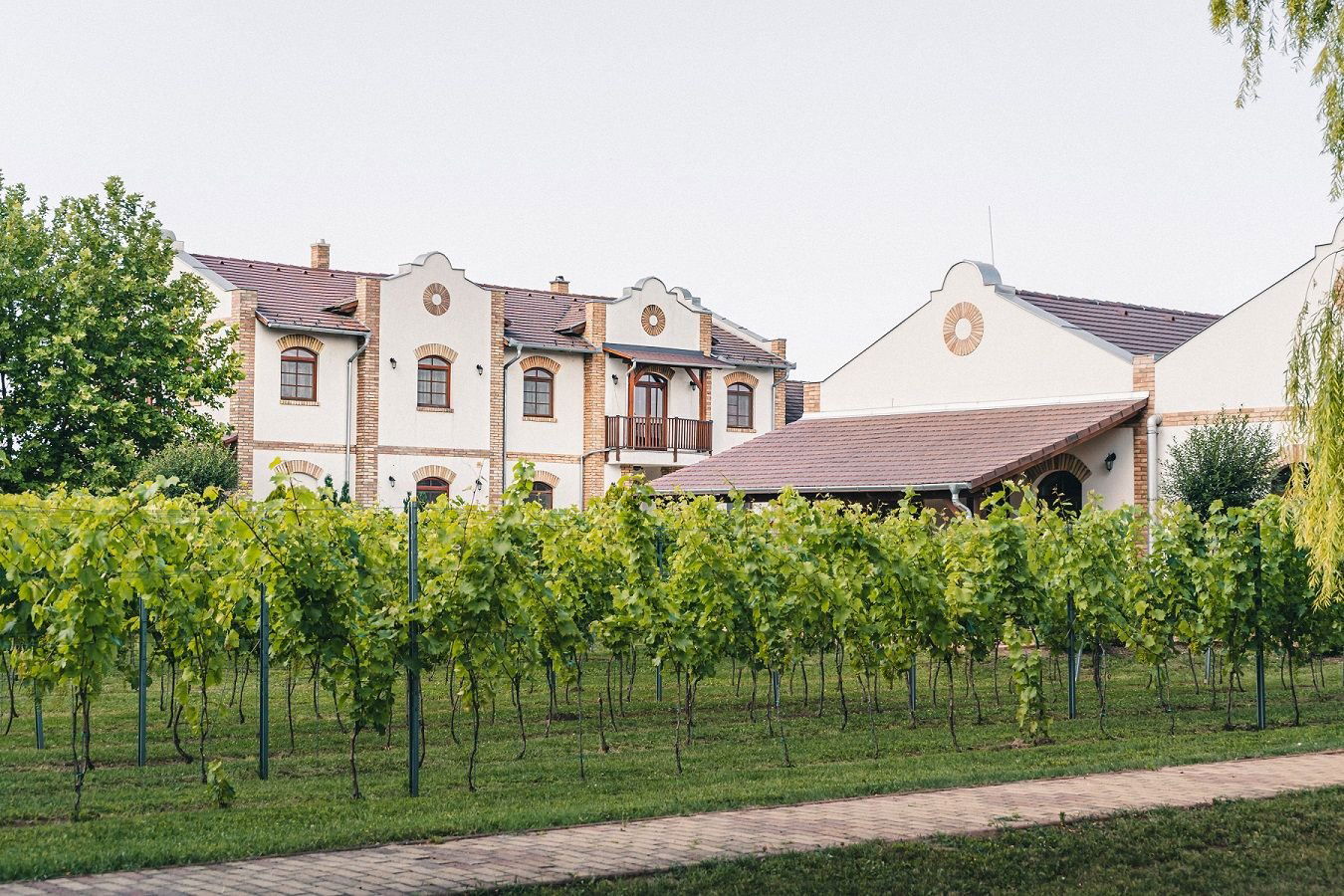
Koch Winery
Borota
Winery in Borota, Hungary
 Book with Pearl
The Read
Sandy-Soil Plain Viticulture
Price
$30–50tasting
Why go
Koch Winery is a strong Borota choice for travellers planning a serious Hungary wine route rather than a casual drop-in tasting.
About Koch Winery
A Borota pick for travellers who care about place over ceremony
Koch Winery is a Borota stop for travellers who are already interested in the venue itself. The dress code is casual, but details such as food service, visitor format, group capacity, specific wines, prices, hours, and booking requirements should be checked directly.
That is a meaningful signal, but it should not be read as confirmation of a restaurant, a tasting room format, a particular menu, or walk-in availability.
How to place it within a wider winery itinerary
If the trip is Borota-focused, consult broader Borota planning resources before committing. Because details for Koch Winery are limited, surrounding logistics may matter as much as the decision to include the venue itself.
For a broader winery comparison, Koch Winery can be considered alongside names such as Eszterbauer Winery, Frittmann Winery, Mészáros Pál Winery, Takler Winery, and Vida Wines. Use those comparisons to think about the shape of the trip, while confirming Koch Winery's specific details.
If you need food service, a specific visit format, exact timing, group capacity, or detailed hospitality information, check those points directly before building the day around it.
Planning details
- Location
- Borota, V. ker. 5., 6445
- Website
- kochboraszat.hu
- Phone
- +36 30 475 7174
The take
The Take
The Vibe
Koch Winery reads like a deliberate outlier: quietly confident and regionally defiant. Set on the sandy loam of the Great Hungarian Plain, the estate channels agricultural plainland character into wines that have earned contemporary recognition. Koch Winery’s ungrafted vines, loose soils and Prestige-tier award mark it as a producer that redefines local expectations. Visits feel purposeful rather than touristic; this is a place where vineyard story and farming choices take center stage, and the overall mood is contemplative, grounded and quietly proud rather than flashy or trend-driven.
Best For
Koch is best for visitors who come to learn and compare: wine-education minded travelers, small groups mapping Hungarian wine regions, couples looking for a low-key romantic getaway, and parties celebrating a milestone. The winery’s narrative, an unexpected Prestige-tier producer on the plain, rewards focused tasting and conversation about terroir, vine age and farming methods. Because the property represents a different side of Hungarian viticulture, it slots naturally into itineraries that seek variety rather than a single-style crawl of volcanic Tokaji estates.
Tasting Tips
Koch Winery has sandy soils and ungrafted root systems, so ask staff which wines best express that texture and minerality. If available, request estate or single-vineyard examples and a vineyard-walk context to better read how the Great Plain’s soils shape the wines. Bring a bottle home if you like what you sample: these are terroir-driven wines that speak to a particular place rather than a familiar regional template.
Venue details
Ambiance
Modern facility with traditional charm, featuring state-of-the-art production areas alongside rustic cellar spaces, creating an atmosphere that honors generations of winemaking heritage while embracing contemporary viticulture innovation.
Tags
Vibe
Best For
Experience
Sourcing
View
At the Vineyard
- Appellation
- Hajós-Baja
- Varietals
- Cserszegi Fűszeres, Cabernet Sauvignon, Kadarka, Chardonnay, Riesling
- Tour Duration
- 90-120 minutes
- Tour Languages
- Hungarian, English
- Visits
- By reservation
- Farming
- Sustainable
- Wine Styles
- Still Red, Still White, Still Rose, Sparkling
- Wine Club
- Not available
Know before you go
Know Before You Go
- Getting there
- Borota, V. ker. 5., 6445
Planning details
Location
Also consider
Also Consider
- Frittmann Winery, Notable alternative
- Vida Wines, Notable alternative
- Mészáros Pál Winery, Notable alternative
- Eszterbauer Winery, Notable alternative
- Takler Winery, Notable alternative
Winery context
How it compares for a Borota-led wine trip
Choose Koch Winery if the priority is a higher-confidence Borota stop with a stronger recognition signal than a casual local tasting. Against Frittmann Winery, the decision is less about published visitor polish and more about whether Borota itself fits the route. Frittmann is the easier cross-shop for travellers who want another Hungarian producer in the mix without making this stop carry the whole itinerary.
Vida Wines, Mészáros Pál Winery, and Eszterbauer Winery are better comparison points for travellers weighing regional style and overall trip shape. If the group wants a broader, easier-to-explain wine route, cross-shop those first. If the group wants a more specific Borota anchor, Koch Winery is the sharper call.
Takler Winery is the one to consider if the visit needs to feel more destination-driven. Koch Winery is the better fit for travellers who value a focused regional detour and are comfortable planning tightly; Takler is the safer alternative when group logistics, ambiance, or a more familiar winery stop matter more than choosing Borota specifically.
Explore Borota
Around this place
Discover more on Pearl
Unlock the full Koch Winery guide in Pearl, including awards, comparisons, FAQs, planning details, and nearby places.
Compare Koch Winery
| Venue | Location | Awards |
|---|---|---|
| Koch Winery | Borota | No published awards |
| Frittmann Winery | Soltvadkert | No published awards |
| Vida Wines | Szekszárd | No published awards |
| Mészáros Pál Winery | Szekszárd | No published awards |
| Eszterbauer Winery | Szekszárd | No published awards |
| Takler Winery | Szekszárd | No published awards |
How Koch Winery Borota compares with similar nearby venues.
FAQ
Frequently Asked Questions
Is Koch Winery worth prioritising in Borota?
It can be, if you are looking for a Borota winery with a recognition signal. For planning comparisons, you can also look at Frittmann Winery, while confirming practical details for Koch Winery directly.
How long should I plan for a visit to Koch Winery?
A specific visit length is not provided. Plan conservatively, confirm arrangements directly with the venue, and leave enough flexibility if you are pairing Koch Winery with other stops.
What is the flagship wine at Koch Winery?
A specific flagship wine is not specified. Treat Koch Winery as a Borota winery where the current lineup should be confirmed directly. If you want comparison points for a wider winery itinerary, you can also check Eszterbauer Winery or Takler Winery.
Can Koch Winery handle large groups?
For anything beyond a simple visit, contact Koch Winery directly before planning around it. You can also compare the wider shape of your day with Takler Winery or Frittmann Winery.
When is the best time to visit Koch Winery?
Specific hours and seasonal guidance are not provided.