
Chateau Leoville Las Cases
Saint-Julien, Bordeaux
Winery in Bordeaux, France
 Book with Pearl
The Read
Deuxième Cru Precision
Why go
Prioritize Chateau Leoville Las Cases if the trip is built around serious Saint-Julien Bordeaux and collector-level context. It is better for small, wine-focused groups than casual tasting-room itineraries, planning should start early because easy walk-in logistics are not the appeal here.
About Chateau Leoville Las Cases
Chateau Leoville Las Cases is listed in Bordeaux with Pierre Graffeuille as chef/owner, a smart casual dress code, Pearl 4 Star Prestige recognition for 2025. For visit format, pricing, hours, menus, beverage-service specifics, booking conditions, plan directly with the venue rather than relying on assumptions.
Use this as a concise planning note rather than a full operational guide. If you are comparing Bordeaux options, Chateau Leoville Las Cases can be considered alongside other named venues such as Chateau Le Pin, Château Langoa-Barton, Château Leoville Poyferre, Château Léoville Barton, Château Talbot.
Book with the essentials in mind
The core details are simple: the venue is in Bordeaux, Pierre Graffeuille is identified as chef/owner, smart casual dress is the stated code, Pearl lists the venue at 4 Star Prestige for 2025. For wider trip planning, you can pair your research with Bordeaux restaurants, Bordeaux hotels, Bordeaux bars, Bordeaux experiences.
Do not assume lunch service, dinner service, takeout, delivery, tasting format, seat count, price, opening hours, or dietary accommodations. Confirm operational details directly before making plans.
Who should make the effort
Chateau Leoville Las Cases is well suited to guests who are comfortable planning from a concise profile and who want a Bordeaux stop with a smart casual expectation. It may be less suitable for travelers who need published hours, pricing, a defined menu format, or detailed service information before deciding.
The practical verdict: consider Chateau Leoville Las Cases as a Pearl-recognized Bordeaux venue with a concise profile. If your itinerary depends on specifics, confirm them in advance and compare it naturally with Chateau Le Pin, Château Langoa-Barton, Château Leoville Poyferre, Château Léoville Barton, Château Talbot.
Planning details
- Location
- Rue de l'École, 33250 Saint-Julien-Beychevelle
- Website
- domaines-delon.com/en/leoville-chateau_leoville_las_cases_histoire.html
- Phone
- +33 5 56 73 25 26
The take
The Take
The Vibe
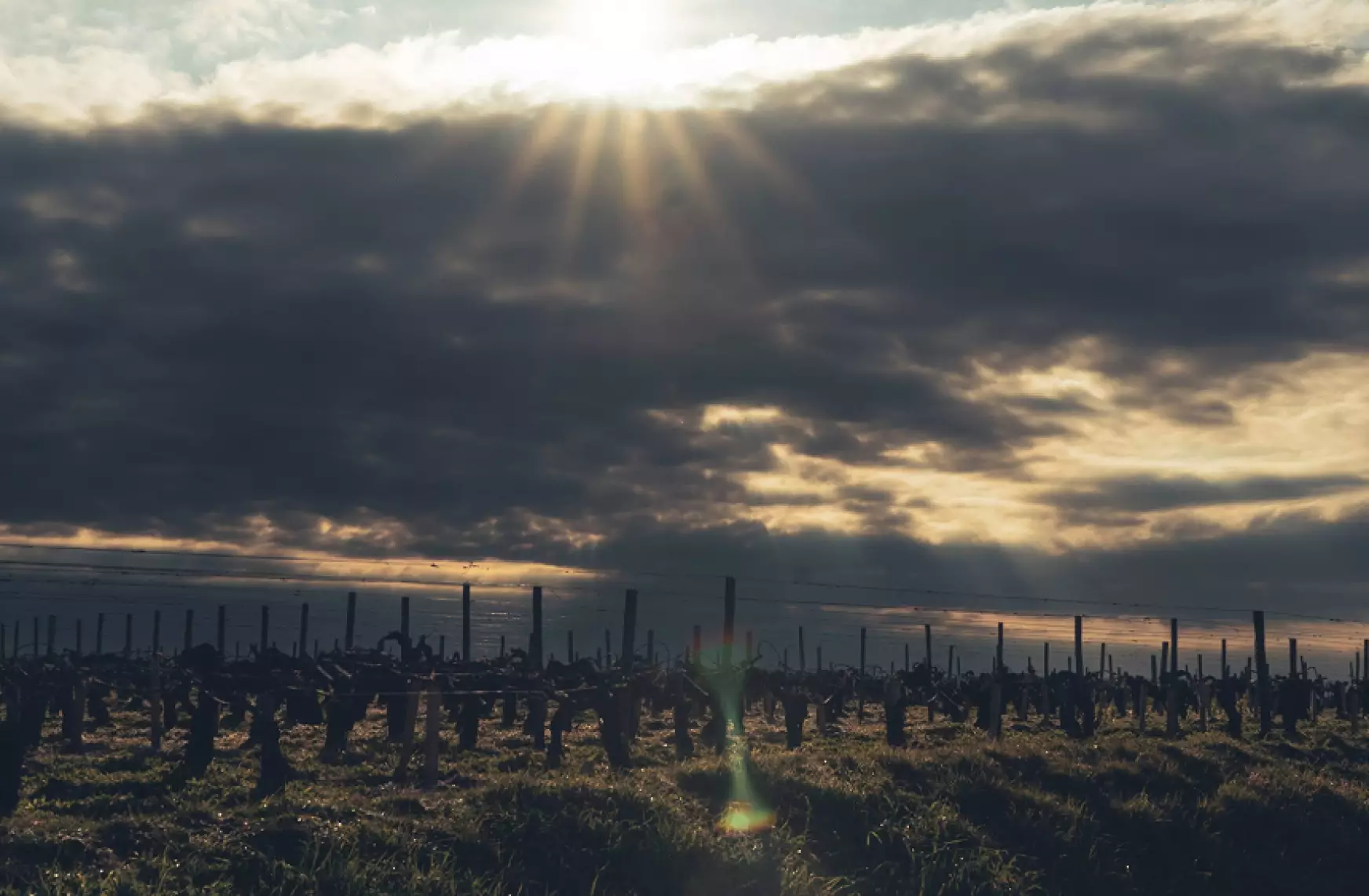
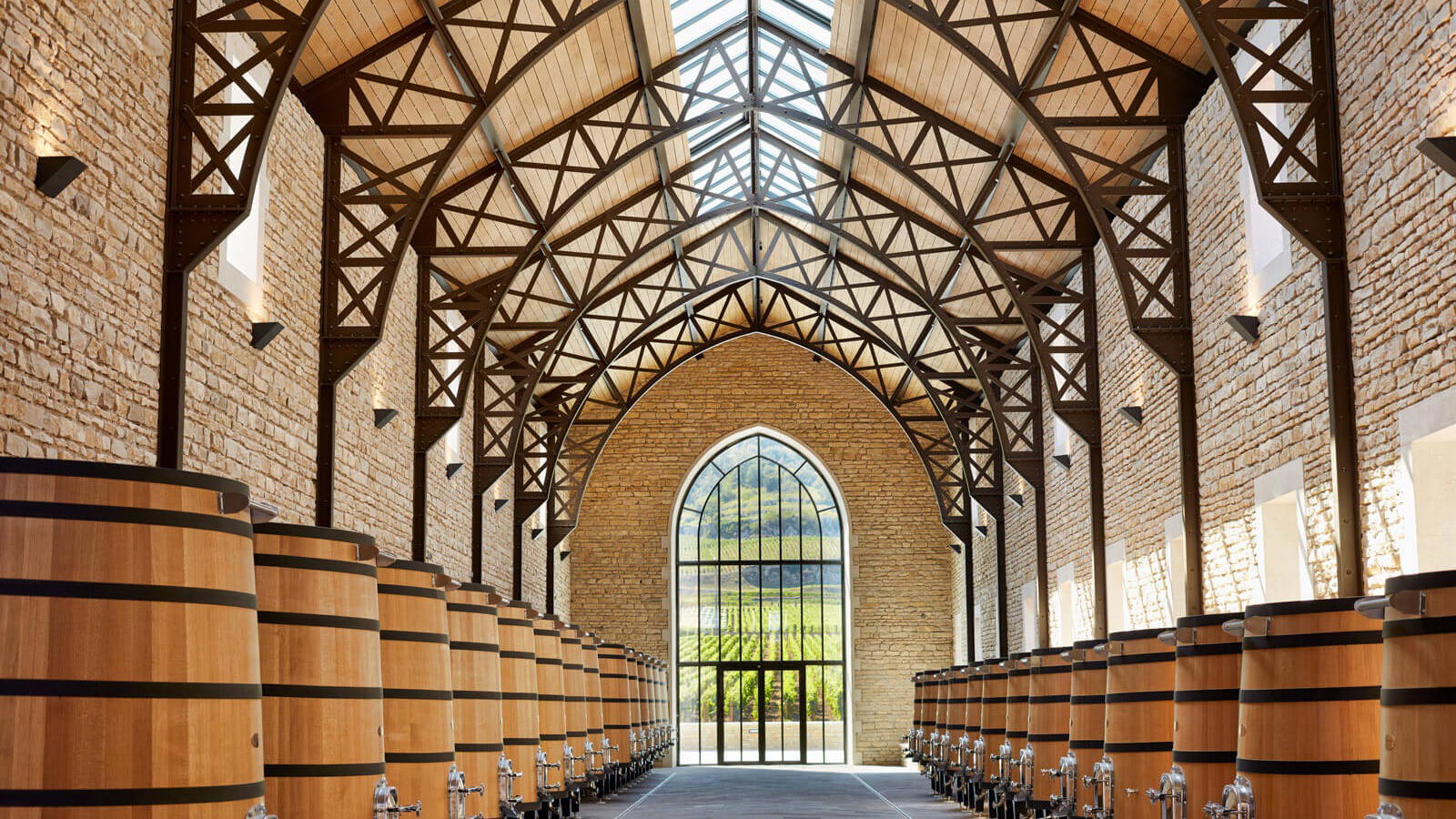
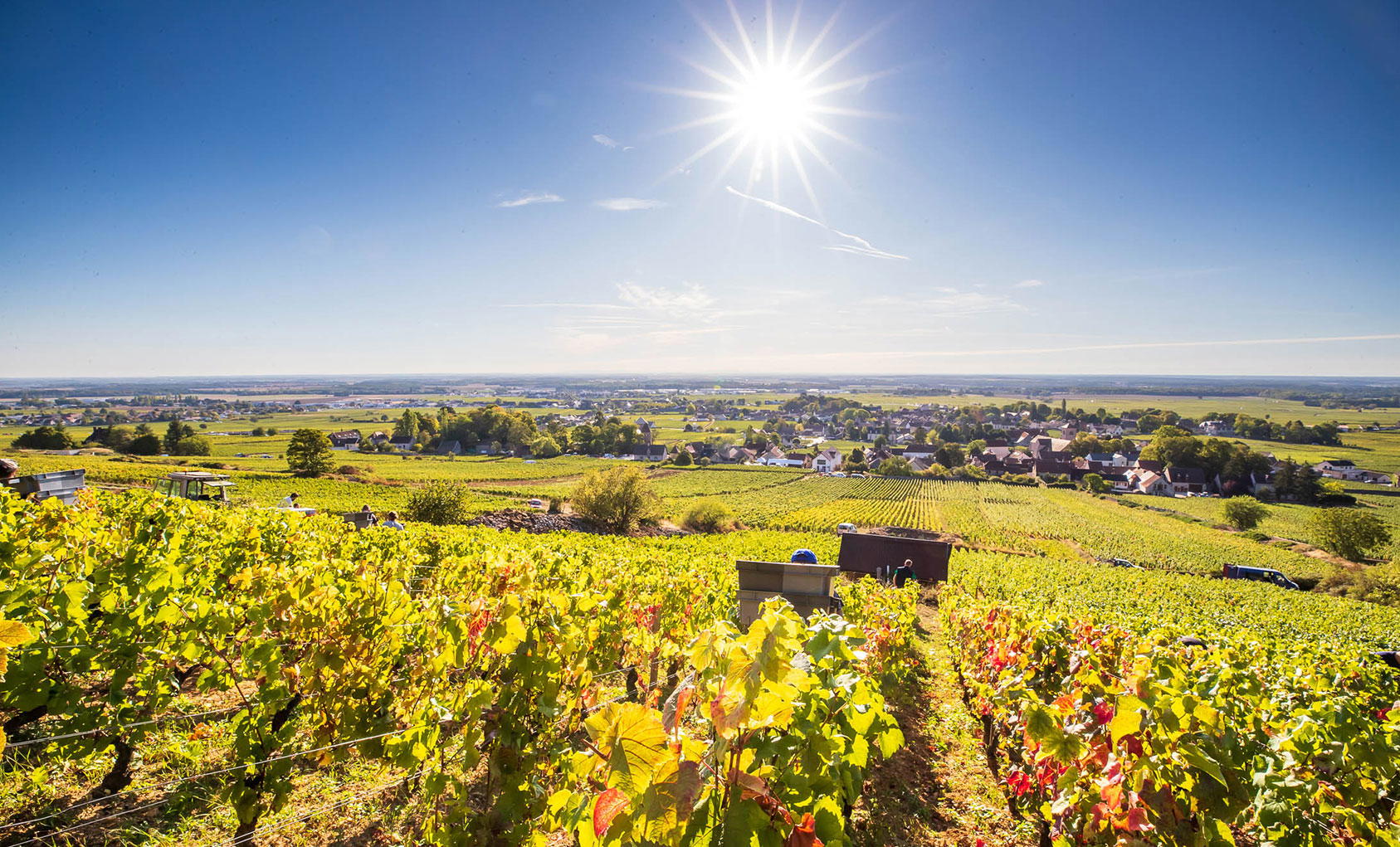
Château Léoville Las Cases reads like a study in terroir and tenure. The estate traces its documented viticultural record to 1724, and that three-century archive underpins everything you notice here: a Grand Enclos planted on a ridge of deep Günzian gravel, drainage and subsoil mattering as much as varietal selection, and a mesoclimate shaped by the nearby Gironde. The writing on the bottle is structural and restrained in youth — tight tannin grain, long mid‑palate tension — qualities that give the property a historic, scenic presence on the Haut‑Médoc landscape.
Best For
This property is best for focused wine study and milestone tastings. The text emphasizes long‑term documentation and a highly specified site, making the estate ideal for visitors who want to explore terroir-driven Bordeaux and compare structural, Cabernet‑dominated expressions. Wine professionals, collectors, and serious students of Bordeaux will find value here; the estate’s proximity to notable neighbors and its distinctive gravel plateau reward side‑by‑side analysis and occasions when the emphasis is on provenance and ageing potential rather than casual quaffing.
Tasting Tips
Look for wines that foreground the Cabernet Sauvignon plantings and expect a structural profile in younger bottles: tight tannins, restrained fruit, and considerable mid‑palate tension. Because the description highlights drainage, gravel warmth and extended hang time, these wines typically show their best with time in bottle; when tasting young examples, plan on cellaring or choosing older vintages to see the estate’s specificity and balance fully revealed.
Venue details
Ambiance
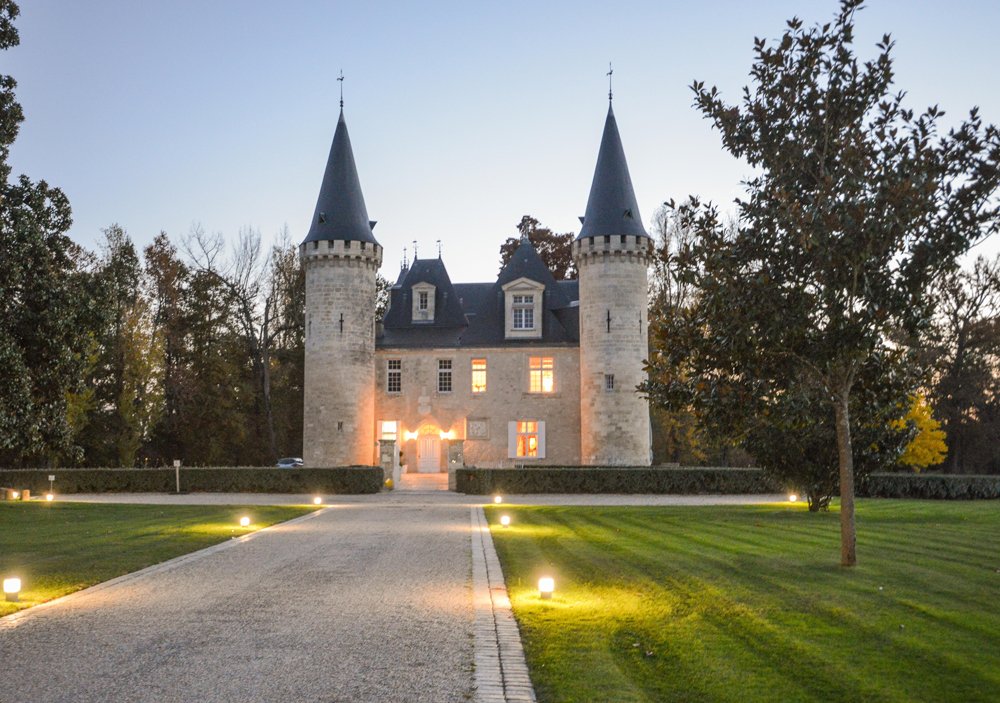
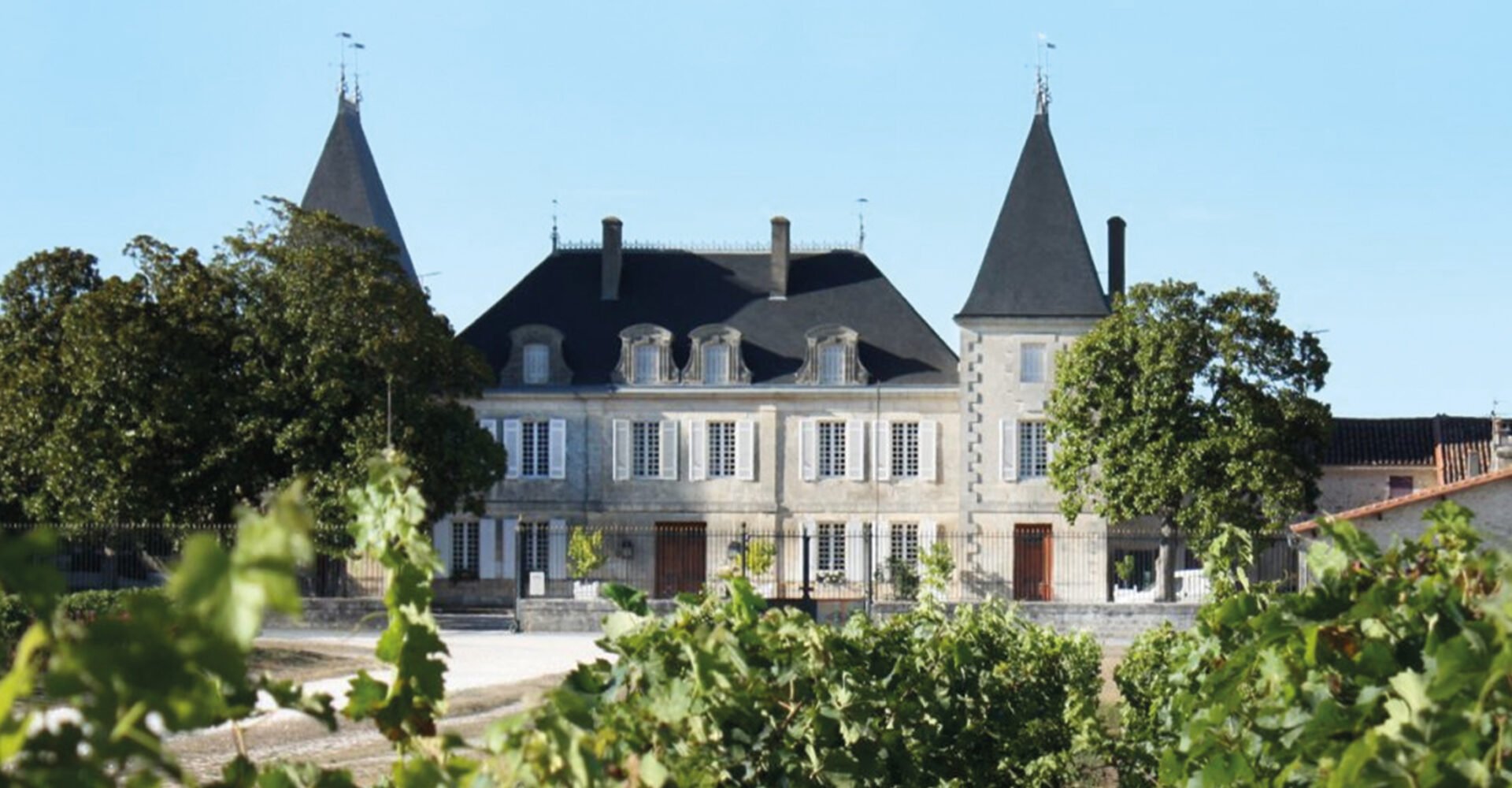
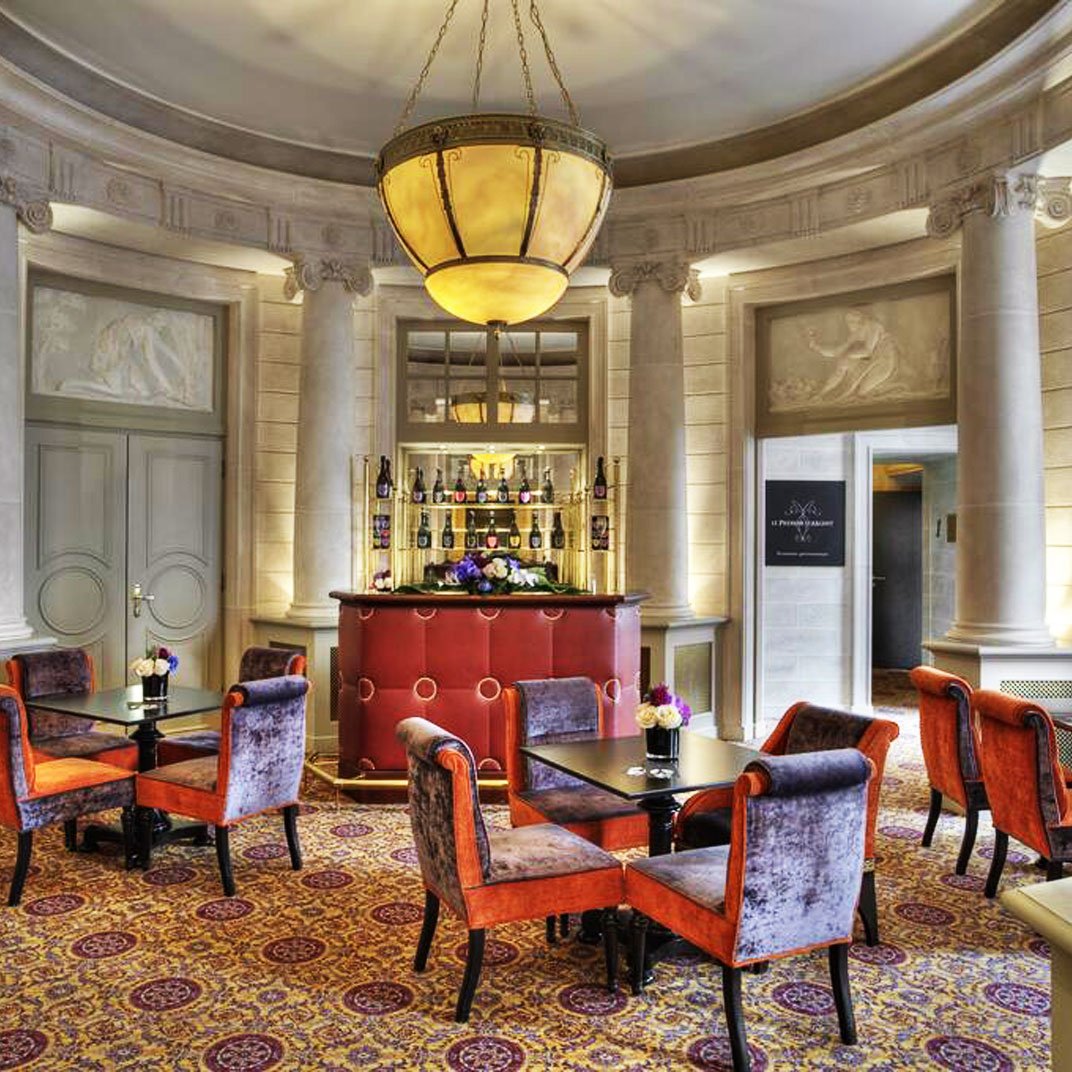
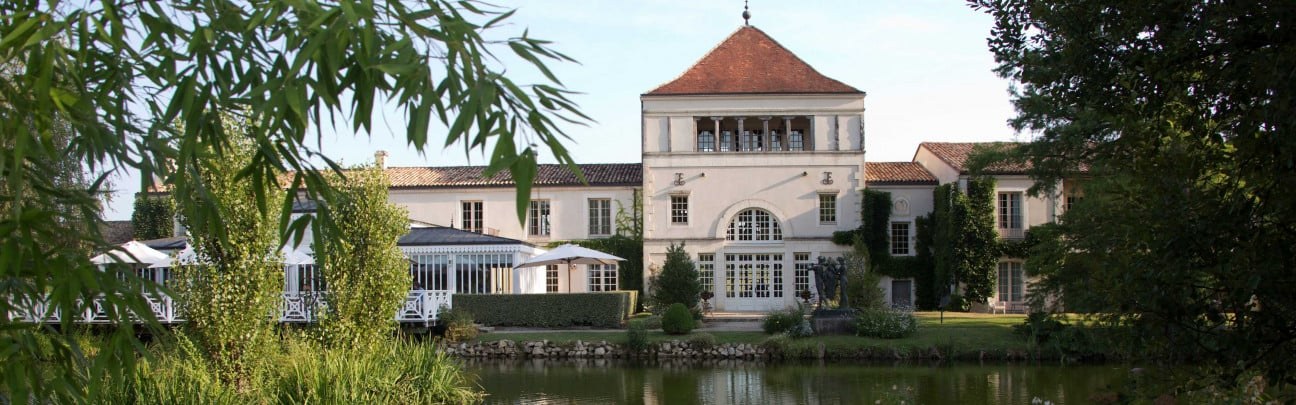
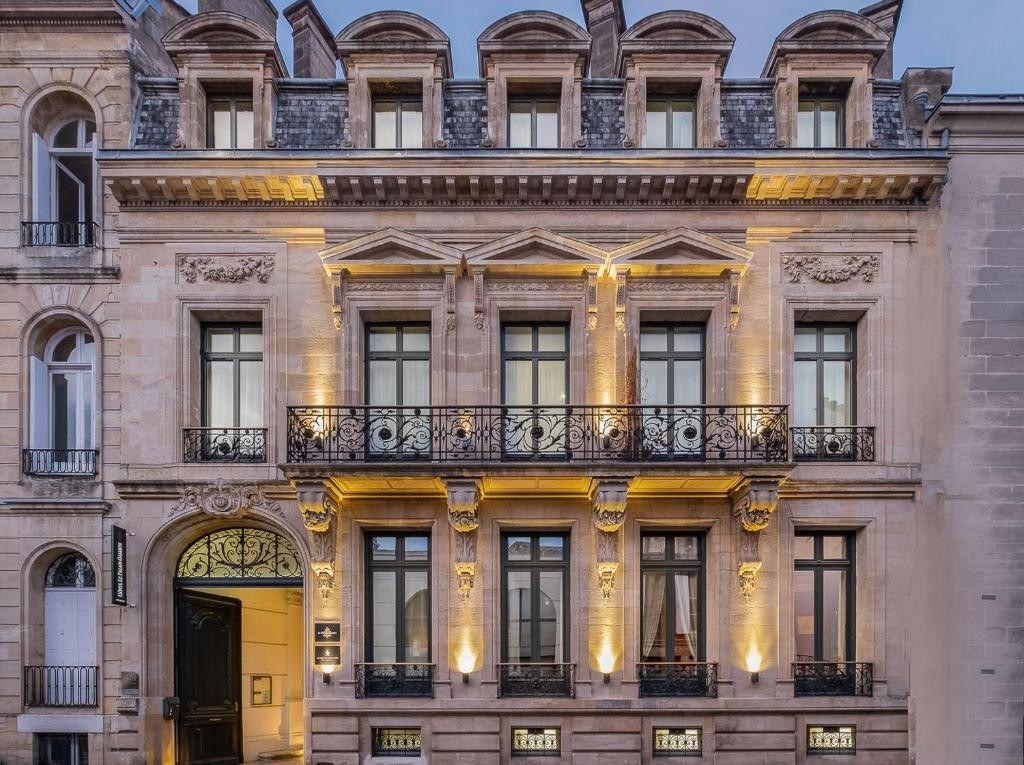
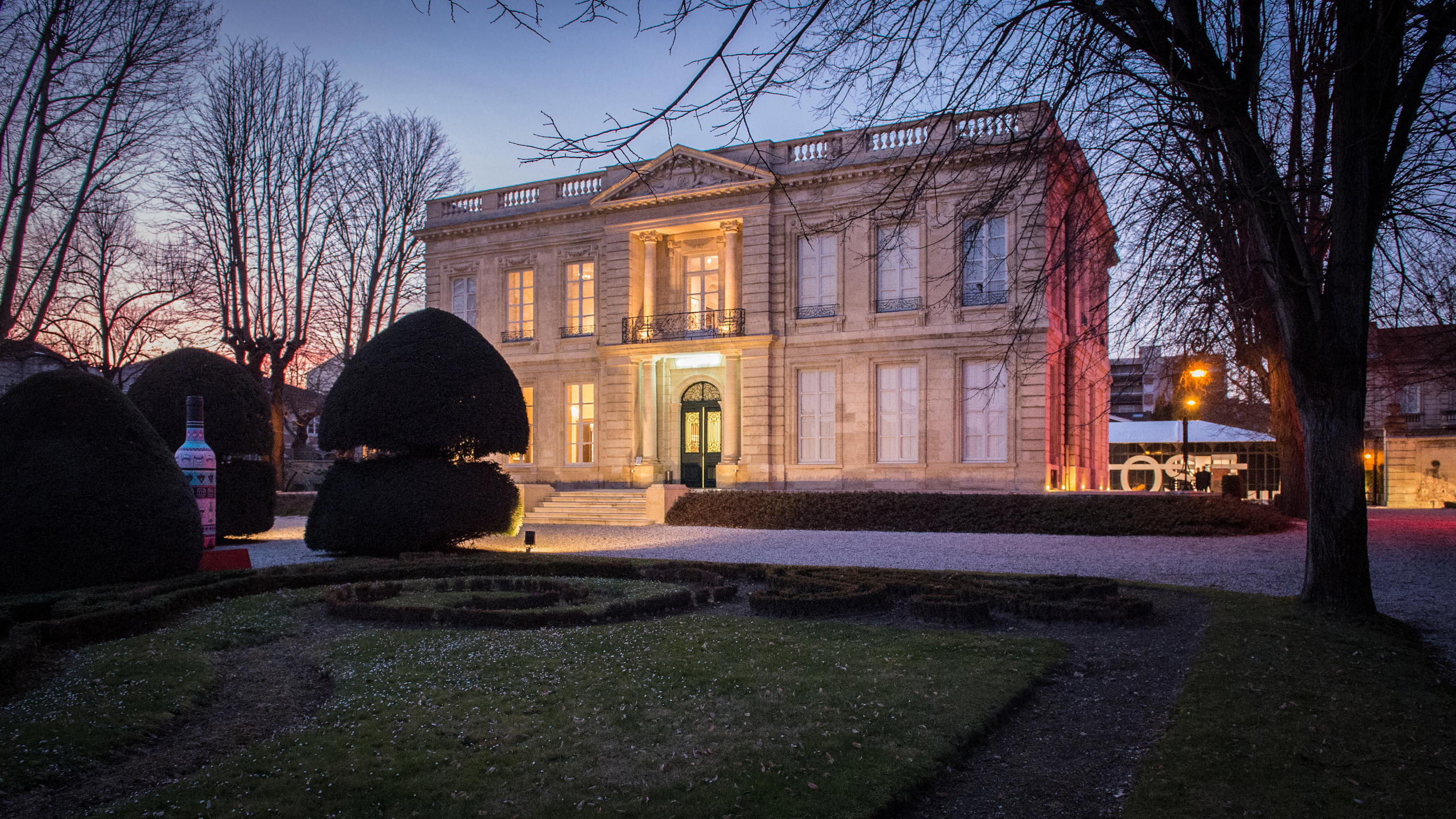
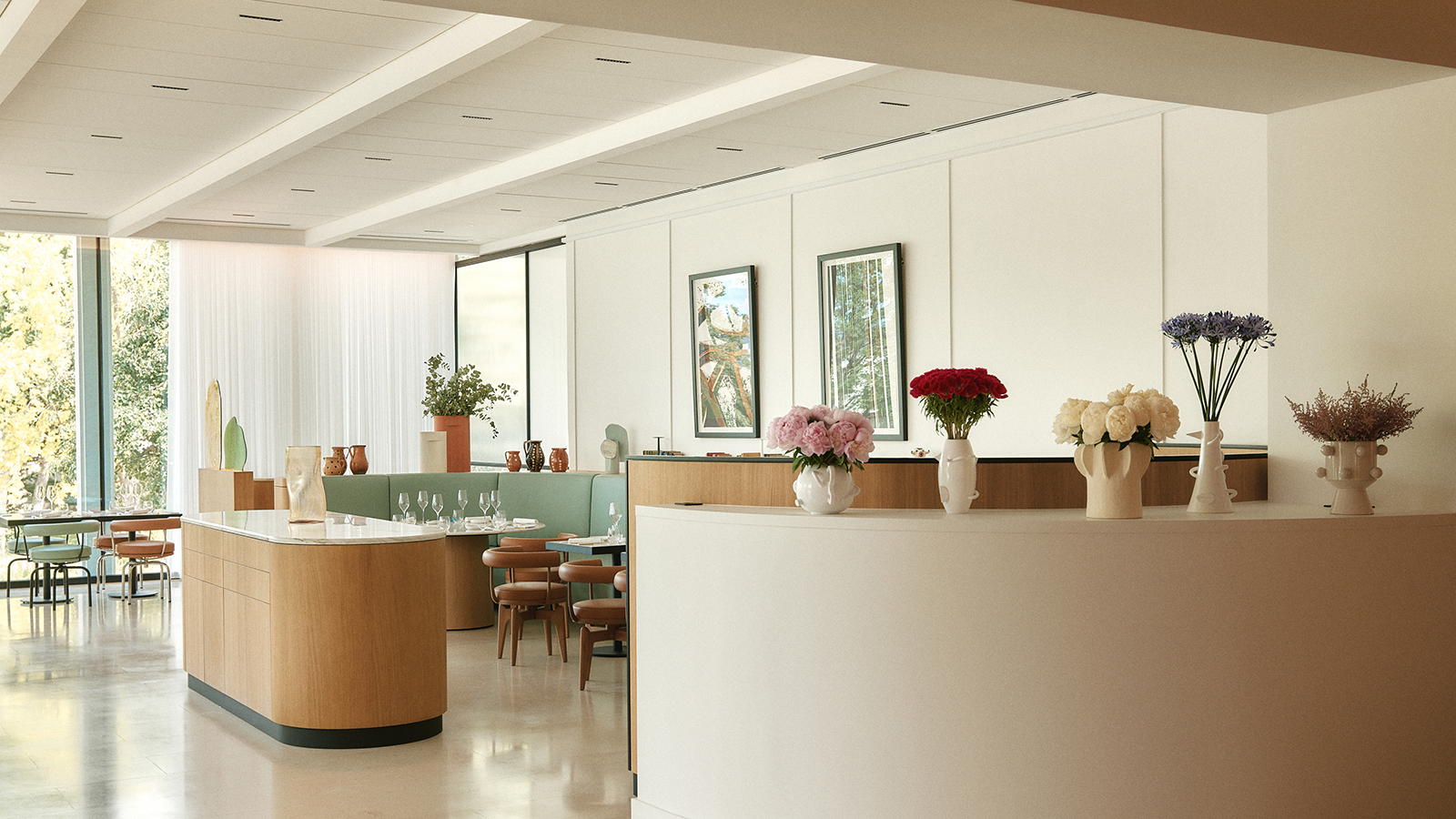
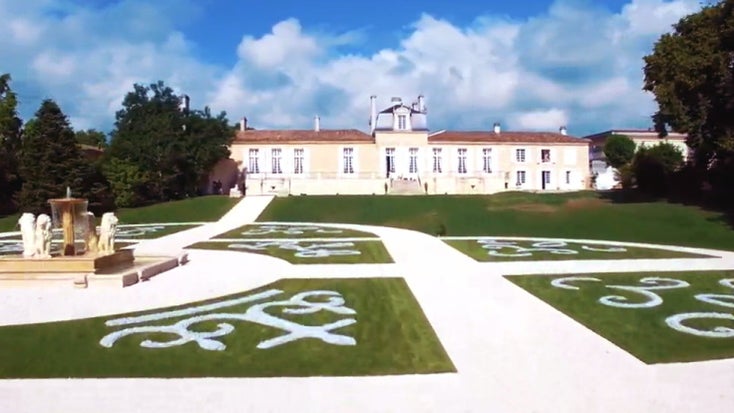
Opulent and historic with an elegant, sophisticated atmosphere evoking tradition and excellence in a classic Bordeaux chateau setting.
Tags
Vibe
Best For
Experience
Sourcing
View
At the Vineyard
- Appellation
- Saint-Julien AOC
- Varietals
- Cabernet Sauvignon, Merlot, Cabernet Franc, Petit Verdot
- Wine Club
- Available
Planning details
Location
Rue de l'École, 33250 Saint-Julien-Beychevelle · Directions
domaines-delon.com/en/leoville-chateau_leoville_las_cases_histoire.html
Recognition and awards
Also consider
Also Consider
- Château Leoville Poyferre, Notable alternative
- Chateau Le Pin, Notable alternative
- Château Léoville Barton, Notable alternative
- Château Langoa-Barton, Notable alternative
- Château Talbot, Notable alternative
Winery context
Among the Saint-Julien peers listed here, Chateau Leoville Las Cases is the one to prioritize for a high-stakes collector itinerary. Château Leoville Poyferre and Château Léoville Barton make the closest comparison for visitors who want the same appellation context, but Las Cases is the stronger pick when the occasion calls for a more serious benchmark stop.
Chateau Le Pin belongs in a different decision set: choose it for Right Bank rarity and a more scarcity-driven itinerary, not for a Saint-Julien day. For guests who want a more approachable Médoc plan, Château Langoa-Barton and Château Talbot may be easier to frame into a broader route, depending on access and timing.
Value here is not about low cost; it is about whether the visit sharpens the Bordeaux decision. If the group wants prestige and a focused Left Bank comparison, start with Las Cases, then cross-shop Léoville Barton or Léoville Poyferré. If the group wants a softer day with less pressure on a single appointment, look first at Langoa-Barton or Talbot.
Around this place
Discover more on Pearl
Unlock the full Chateau Leoville Las Cases guide in Pearl, including awards, comparisons, FAQs, planning details, and nearby places.
Compare Chateau Leoville Las Cases
| Venue | Location | Awards |
|---|---|---|
| Chateau Leoville Las Cases | Bordeaux | 2025 Pearl 4 Star Prestige |
| Château Leoville Poyferre | St-Julien | No published awards |
| Chateau Le Pin | Saint-Julien-Beychevelle | 2025 Pearl 4 Star Prestige |
| Château Léoville Barton | Saint-Julien-Beychevelle | 2025 Pearl 4 Star Prestige |
| Château Langoa-Barton | Saint-Julien-Beychevelle | No published awards |
| Château Talbot | Saint-Julien-Beychevelle | 2025 Pearl 4 Star Prestige |
How Chateau Leoville Las Cases Bordeaux Guide compares with similar nearby venues.
FAQ
Frequently Asked Questions
How long should I plan for a visit to Chateau Leoville Las Cases?
Plan the length of your visit after confirming the current format, timing, availability directly with the venue. Pearl lists Chateau Leoville Las Cases as 4 Star Prestige for 2025.
Does Chateau Leoville Las Cases offer memberships or allocations?
Ask the venue directly about memberships, allocations, or purchasing arrangements before deciding whether it fits your needs.
When is the best time to visit Chateau Leoville Las Cases?
What is Chateau Leoville Las Cases known for?
Key details include Bordeaux, Pierre Graffeuille as chef/owner, smart casual dress, Pearl 4 Star Prestige recognition for 2025. Confirm current offerings directly before planning around any specific product, menu, or format.
What other venues can I compare with Chateau Leoville Las Cases?
Relevant comparison venues include Chateau Le Pin, Château Langoa-Barton, Château Leoville Poyferre, Château Léoville Barton, Château Talbot. Confirm geography, access, availability directly when planning a Bordeaux trip.