
Winery in Boonville, United States
The Boonville Distillery
500ptsAnderson Valley Craft Spirits
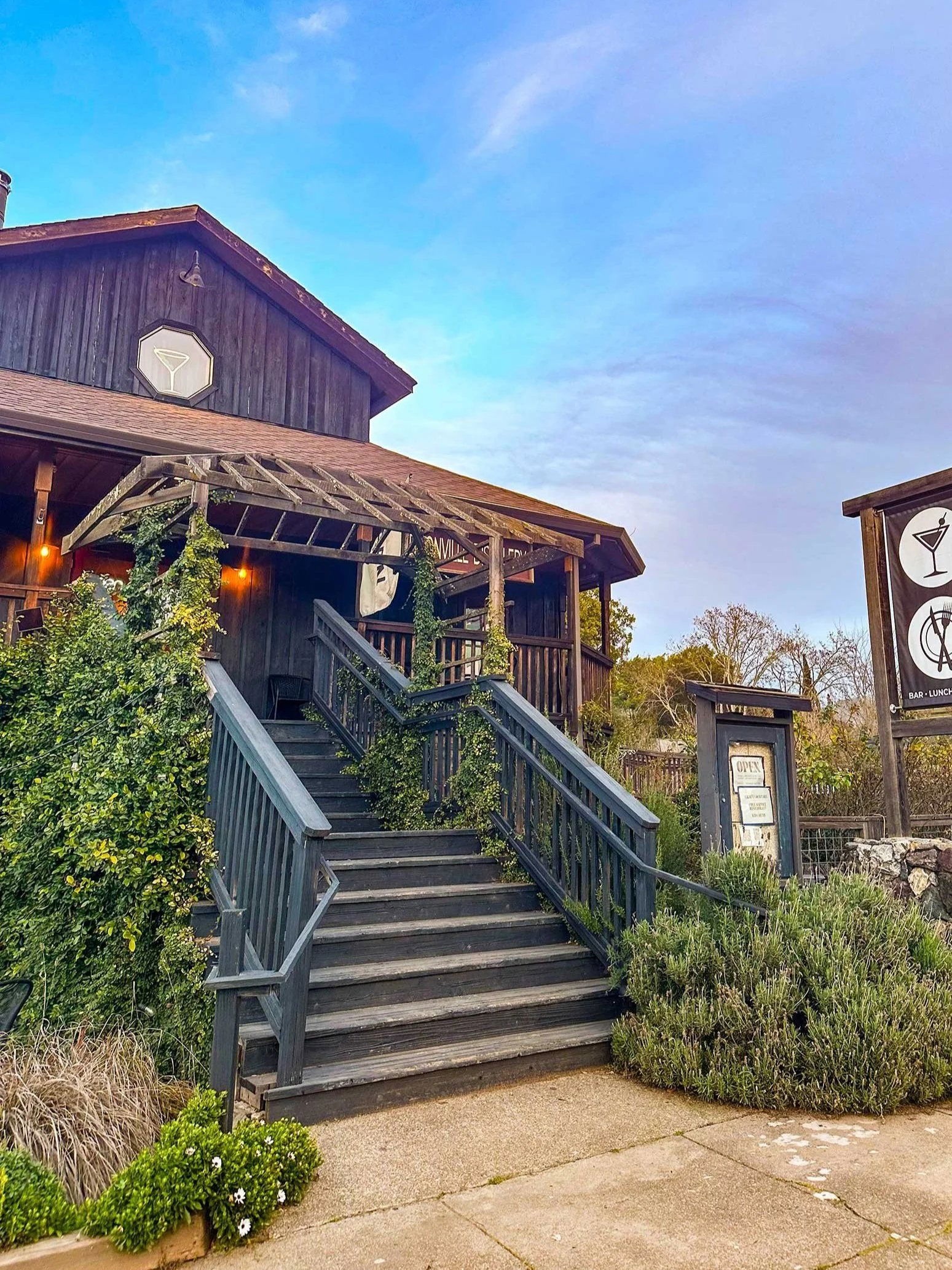
About The Boonville Distillery
Situated along Highway 128 in California's Anderson Valley, The Boonville Distillery earned a Pearl 2 Star Prestige rating in 2025, positioning it among the more decorated producers in this fog-threaded appellation. Boonville's slow-ripening climate and small-producer culture make it a serious address for those tracing the valley's craft spirit and wine traditions from a single stop on the 128 corridor.
Anderson Valley's Craft Distilling Context
Highway 128 through Boonville is one of California's more deliberately paced drives. The road threads through redwood corridors and apple orchards before opening into the Anderson Valley floor, where marine fog rolls in from the Navarro River gap each evening and keeps ripening slow and acidity intact. The valley built its modern reputation on Pinot Noir and Alsatian varieties, but the same conditions that reward patient winemaking — cool nights, distinct diurnal swings, small-scale production — create productive ground for craft distilling as well. The Boonville Distillery operates at this intersection, its address on CA-128 placing it within the same agricultural corridor that defines the broader appellation.
Anderson Valley's producer community skews small and independent. Operations like Bee Hunter Wine, Foursight Wines, and Lichen Estate all work within low-intervention, site-specific frameworks that reflect the valley's distance from Napa's infrastructure-heavy model. A distillery earning a Pearl 2 Star Prestige designation in this environment is not competing on volume or brand recognition; it is competing on process, provenance, and the kind of patience that fog country seems to enforce by default.
What the 2025 Pearl Rating Signals
The Pearl 2 Star Prestige award, received in 2025, is the clearest public credential The Boonville Distillery currently carries. In EP Club's rating framework, a 2 Star Prestige designation reflects consistent quality and a defined production identity rather than passing novelty. For a distillery operating out of a small California appellation town with no major hospitality infrastructure behind it, that kind of recognition places it in a specific competitive tier: serious craft producers measured against regional peers, not tourist-facing operations capitalizing on wine country foot traffic.
California's craft distilling sector has expanded significantly over the past decade, with operations ranging from Sonoma County grain-to-glass producers to Central Coast brandy makers drawing on established wine relationships. Within that expanded field, distilleries working in appellations with distinct agricultural character , where the source material carries terroir markers , occupy a narrower, more credentialed position. The Boonville Distillery's location in Anderson Valley, combined with its 2025 award standing, places it in that category. Visitors who have traced the craft spirit scene across producers like Adelaida Vineyards in Paso Robles or explored the wine-adjacent production culture at Alexander Valley Vineyards in Geyserville will recognize the pattern: appellation identity and craft credentialing increasingly go together in California's premium production sphere.
The Aging and Maturation Dimension
Distilling, more than almost any other form of craft production, is defined by what happens after the still goes cold. Barrel selection, fill strength, warehouse conditions, and the decision of when to bottle are not secondary choices , they are the product. In Anderson Valley, where temperature swings between day and night are pronounced and the air carries coastal humidity from the Pacific, the physical environment participates in aging in ways that differ from warmer inland districts. Spirits resting in barrel under these conditions experience a different extraction rate and evaporation curve than those aged in, say, the heat-amplified warehouses of California's Central Valley.
This is the editorial weight behind the EA-WN-06 framework applied here: the distillery's identity is shaped less by what goes into the still and more by what comes out of the barrel. Anderson Valley's climate argues for patient maturation strategies. The same maritime influence that keeps Pinot Noir from overcooking on the vine extends the effective aging window for barrel-aged spirits, allowing for slower phenolic development and integration. Producers who understand this tend to resist the commercial pressure to release young and instead hold inventory through at least one full seasonal cycle , the summer warming and winter contraction that drives spirit in and out of wood grain.
Comparable aging-focused approaches can be found across California's more climate-conscious production sites. Accendo Cellars in St. Helena applies a similarly methodical approach to barrel management in the Napa context, while Alpha Omega Winery in Rutherford reflects the blending discipline that defines Napa's upper tier. In the distilling world, patience in the cellar is the equivalent credential.
The Boonville Setting on the 128 Corridor
The physical address at 14081 CA-128 puts The Boonville Distillery along the main artery that connects the valley's producers in a loose, navigable sequence. This matters for planning purposes: Anderson Valley is not a destination where producers cluster in a walkable village. The 128 corridor is a driving route, and most visitors move between properties over the course of a half-day or full day. Producers in the valley who draw from both the wine and spirits sides of craft production , as neighbors like Pennyroyal Farm and Fathers and Daughters Cellars demonstrate , tend to be programmed into the same circuit rather than visited in isolation.
Approaching from the coast via Highway 1 and the Navarro River cutoff is the more atmospheric entry; the inland approach from Cloverdale on Route 101 is faster but arrives without the maritime transition that explains so much of the valley's character. Either way, Boonville sits roughly in the middle of the valley's main axis, making it a natural anchor point for a day that might begin at the Navarro end and conclude further inland, or vice versa. Those building a deeper Anderson Valley itinerary should consult our full Boonville guide for a structured view of the valley's key stops.
For context on how appellation-specific producers operate outside California, Adelsheim Vineyard in Newberg offers a useful Oregon parallel, while the Rhone-varietal commitments at Andrew Murray Vineyards in Los Olivos and Alban Vineyards in Arroyo Grande show how single-appellation identity shapes production philosophy across California's micro-regions. International comparisons extend further: Aberlour in Scotland and Achaia Clauss in Patras both reflect how geographic identity and patient aging combine to build long-term production reputations in their respective categories.
Timing and Season
Anderson Valley's visiting calendar concentrates in spring and early autumn. The Pinot Noir harvest typically runs from late September into October, when the valley sees its most intensive production activity and its most knowledgeable visitor traffic. Summer weekends bring larger crowds from the Bay Area, while weekday visits in shoulder months , May, June, or the early weeks of November , allow for quieter access to smaller operations. A distillery with a craft-focused production model and a regional award on its 2025 record is the kind of property that rewards a visit made with some planning rather than a spontaneous stop.
Frequently Asked Questions
- What should I expect atmosphere-wise at The Boonville Distillery?
- The setting is rural and agricultural , Highway 128 in Boonville is not a polished wine country boulevard but a working farm road through a small appellation town. That character shapes the visit. The 2025 Pearl 2 Star Prestige rating confirms production quality rather than hospitality infrastructure, so expectations should be calibrated toward a serious craft producer in an understated valley setting rather than a resort-style tasting experience.
- What spirits or products is The Boonville Distillery known for?
- Specific production details, including spirit categories, aged releases, and current offerings, are not confirmed in EP Club's verified data at the time of publication. The Pearl 2 Star Prestige award in 2025 indicates recognized quality within the craft distilling category, and the Anderson Valley location suggests a climate-informed approach to barrel aging, but visitors should contact the distillery directly or check current release information before visiting.
- What makes The Boonville Distillery worth visiting?
- The 2025 Pearl 2 Star Prestige designation places it among the more credentialed craft producers in Anderson Valley, a region better known for Pinot Noir than for spirits. That combination , an appellation with strong agricultural identity and a distillery carrying verified award recognition , makes it a substantive addition to a valley itinerary built around serious producers. It fits naturally alongside stops at Foursight Wines, Pennyroyal Farm, and other small-scale operators who define the valley's independent production character.
Related editorial
- Best Fine Dining Restaurants in ParisFrom three-Michelin-star icons to the next generation of Parisian chefs pushing boundaries, these are the restaurants that define fine dining in the world's culinary capital.
- Best Luxury Hotels in RomeFrom rooftop terraces overlooking ancient ruins to Michelin-starred hotel dining, these are the luxury hotels that make Rome unforgettable.
- Best Cocktail Bars in KyotoFrom sleek lounges to hidden speakeasies, Kyoto's cocktail scene blends Japanese precision with global influence in ways you won't find anywhere else.
Save or rate The Boonville Distillery on Pearl
Keep this venue in your Pearl passport, rate it after you visit, and track it alongside every other place you collect.