
Weingut Dautel
Bönnigheim
Winery in Bönnigheim, Germany
 Book with Pearl
The Read
Limestone-Belt Precision
Why go
Book Weingut Dautel if the trip is about a serious Württemberg producer stop, not a casual walk-in tasting or meal-led outing. It is a stronger fit for couples, collectors, and small celebration groups than for large parties needing confirmed food service, published pricing, or turnkey hospitality details.
About Weingut Dautel
Should you plan a visit to Weingut Dautel in Bönnigheim? Yes, if you are specifically planning around Weingut Dautel and want a stop anchored by a Pearl 2 Star Prestige (2025) venue. With that in mind, it is best approached with intent: make the venue itself the point of the stop, and confirm current visit logistics directly before building the rest of the day around it. That makes the decision less about filling an open slot and more about whether this particular Bönnigheim venue is important enough to shape the itinerary.
Plan around confirmed details, not assumptions
The safest expectation is a carefully planned venue visit, not a decision based on extras. Details include a casual dress code and Pearl 2 Star Prestige (2025) recognition, but there is no cuisine, chef, tasting menu, published price range, seat count, food service, or group capacity attached here. That matters for planning: visitors should avoid assuming private space, catering, or a hosted format without direct confirmation. In practical terms, the absence of those details does not diminish the venue; it simply changes how carefully the visit should be arranged and how much should be settled before the day itself.
For a special occasion, the value is in choosing Weingut Dautel deliberately and planning the rest of the day around confirmed information. Pair it with other dining in Bönnigheim if the day needs a sit-down meal, and check current details before committing to a full itinerary. This is especially important when the occasion has multiple moving parts: transport, pacing, meals, and post-visit plans should be arranged around what the venue confirms rather than assumed on arrival. A little extra care matters most when guests are traveling together or when the visit is meant to feel seamless rather than improvised.
Worth prioritizing if you want a focused Bönnigheim stop
The reason to care here is direct: Weingut Dautel is a recognized Bönnigheim venue with Pearl 2 Star Prestige (2025). Without bottle names, service formats, or hospitality details, the safer call is to judge the visit by how much you want Weingut Dautel specifically rather than a venue with every practical detail published in advance. That distinction is useful: some travelers want a fully documented experience before they commit, while others are comfortable prioritizing a recognized venue and confirming the practical pieces directly. Readers comparing related venues can also consider Weingut Aldinger, Weingut Graf Neipperg, Weingut Karl Haidle, Weingut Klumpp, and Weingut Rainer Schnaitmann as other options to research separately.
The practical verdict is simple: make this a planned stop, not flexible filler between other commitments. If the trip needs guaranteed food, published formats, or easy large-group handling, confirm those pieces first or choose a venue where those details are already clear. That discipline helps avoid mismatched expectations and lets the visit carry the weight it is suited for: a focused Weingut Dautel stop in Bönnigheim within a carefully planned itinerary. It also keeps the surrounding schedule realistic, so the venue is not asked to provide services or structure that may not fit in advance.
Quick reference: prioritize this for a planned Bönnigheim visit; dress is casual, and food, group size, and visit logistics should be directly before anchoring a celebration around it.
Planning details
- Location
- Lauerweg 55, 74357 Bönnigheim
- Website
- weingut-dautel.de
- Phone
- +49 7143 870326
The take
The Take
The Vibe
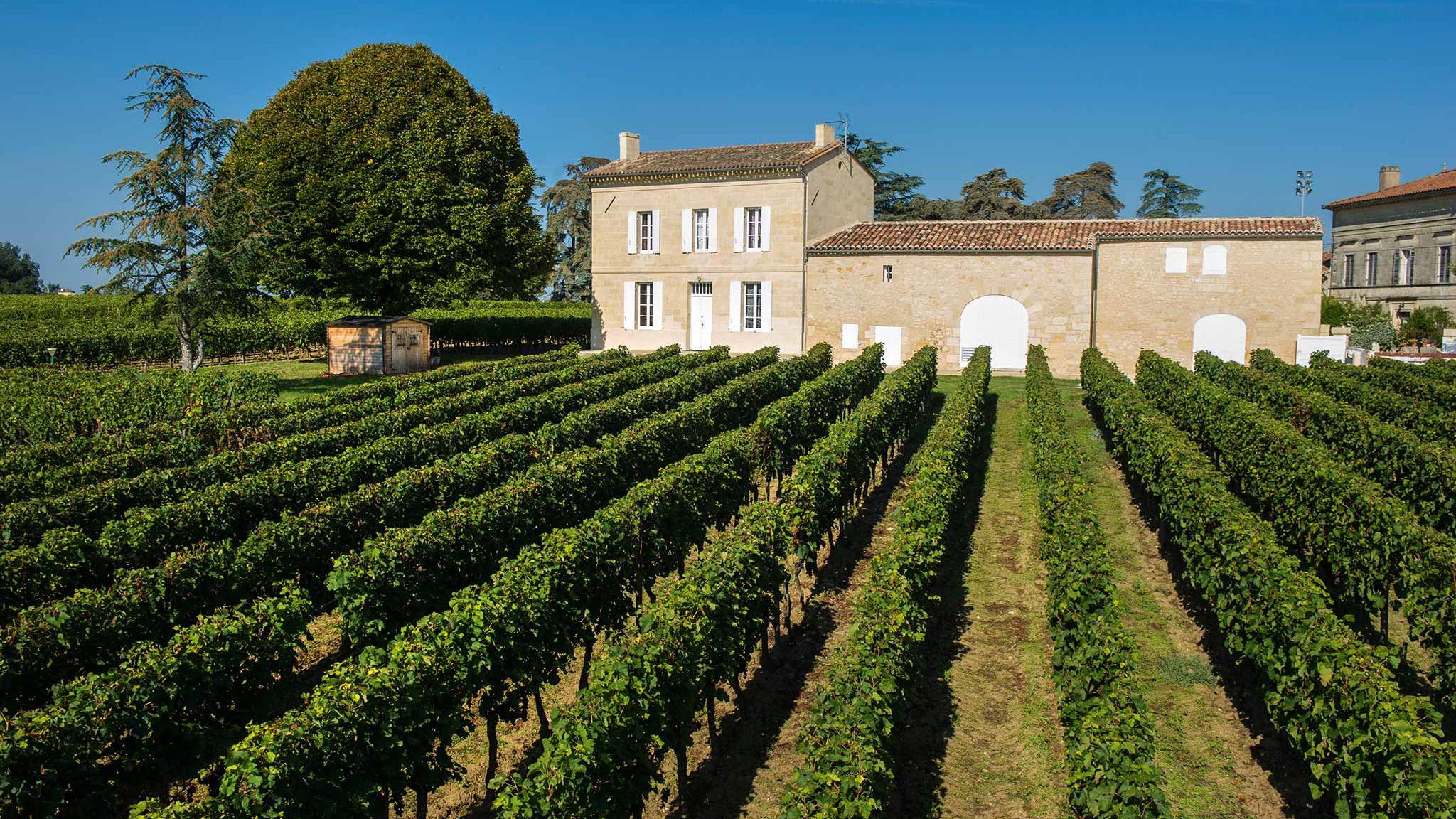
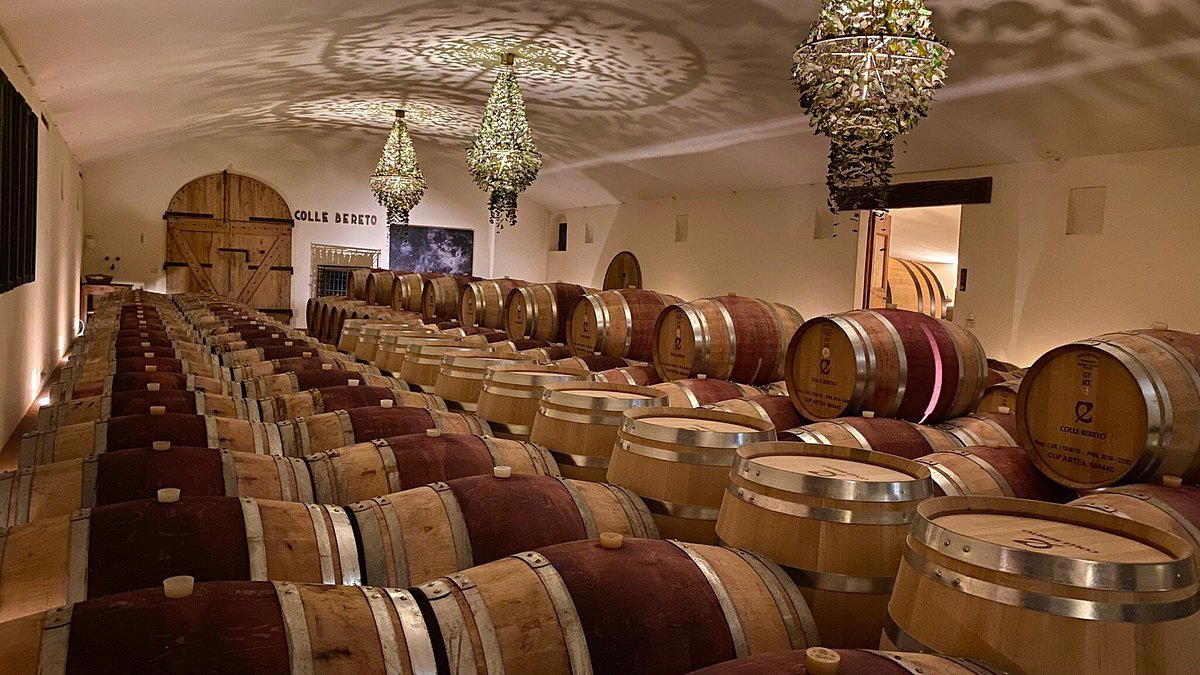
Weingut Dautel reads as a focused, terroir-forward estate that rewards close attention. The copy emphasizes the Zabergäu’s patchwork of Muschelkalk limestone and marl and frames the winery as part of a quietly productive local tradition. A recent Pearl 2 Star Prestige award underscores a methodical cellar practice and a seriousness of purpose, so the overall impression is sophisticated and restrained rather than flashy. Visitors who appreciate restrained elegance and vineyard-driven wines will find the atmosphere thoughtful and measured, with the cellar as a clear focal point.
Best For
This estate is best for visitors who care about terroir and the stories behind a bottle. The narrative centers on soil, geology and the cellar, so it suits wine-education minded travelers, solo explorers wanting to study vineyard expression, and small special-occasion visits where quality and provenance matter. It’s not positioned as a rowdy tasting-room attraction; instead it appeals to people looking to learn about how Muschelkalk limestone and marl shape flavors, or to taste focused, cellar-led wines that make a clear argument for place.
Tasting Tips
When tasting at Weingut Dautel, prioritize wines that showcase vineyard origin and mineral expression—the description repeatedly points to how local Muschelkalk limestone and marl shape wines. Ask staff about cellar selections or limited bottlings; the text highlights consistent quality in the cellar, which suggests estate or reserve wines are worth attention. Frame your tasting as a comparative exercise: seek examples that illustrate the region’s soil-driven differences rather than stylistic showpieces. Keep questions focused on vineyard sites and cellar élevage to get the most instructive pours.
Venue details
Tags
Vibe
Best For
Experience
Sourcing
View
At the Vineyard
- Appellation
- Württemberg
- Varietals
- Riesling, Spätburgunder, Lemberger, Weissburgunder, Trollinger
- Wine Club
- Not available
Know before you go
Know Before You Go
- Getting there
- Lauerweg 55, 74357 Bönnigheim
Planning details
Location
Recognition and awards

Also consider
Also Consider
- Weingut Graf Neipperg, Notable alternative
- Weingut Aldinger, Notable alternative
- Weingut Rainer Schnaitmann, Notable alternative
- Weingut Karl Haidle, Notable alternative
- Weingut Klumpp, Notable alternative
Winery context
How It Compares
Choose Weingut Dautel when Bönnigheim itself is the anchor and the priority is a focused winery visit. Against Weingut Graf Neipperg and Weingut Aldinger, it is the more location-specific pick for readers already building a day around Bönnigheim rather than ranging wider across the region.
If booking ease is the deciding factor, compare availability across Weingut Rainer Schnaitmann, Weingut Karl Haidle, and Weingut Klumpp before locking the day. None of the peer details supplied here confirm price, format, or group capacity, so the practical move is to favor whichever producer can confirm the clearest visit structure for your date.
For ambiance, Weingut Dautel is the better call if the mood should feel producer-led and local to Bönnigheim. For value for money, do not compare on bottle or tasting price unless each winery confirms current terms; compare instead on how much of the visit is actually secured, especially if this is a celebration or business itinerary.
Explore Bönnigheim
Around this place
Discover more on Pearl
Unlock the full Weingut Dautel guide in Pearl, including awards, comparisons, FAQs, planning details, and nearby places.
Compare Weingut Dautel
| Venue | Location | Awards |
|---|---|---|
| Weingut Dautel | Bönnigheim | 2026 Falstaff Winery Guide |
| Weingut Graf Neipperg | Schwaigern | 2026 Falstaff Winery Guide |
| Weingut Aldinger | Fellbach | 2026 Falstaff Winery Guide |
| Weingut Rainer Schnaitmann | Fellbach | 2026 Falstaff Winery Guide |
| Weingut Karl Haidle | Kernen-Stetten | 2026 Falstaff Winery Guide |
| Weingut Klumpp | Bruchsal | 2026 Falstaff Winery Guide |
How Weingut Dautel Bönnigheim compares with similar nearby venues.