

Château de Myrat
Barsac, Bommes
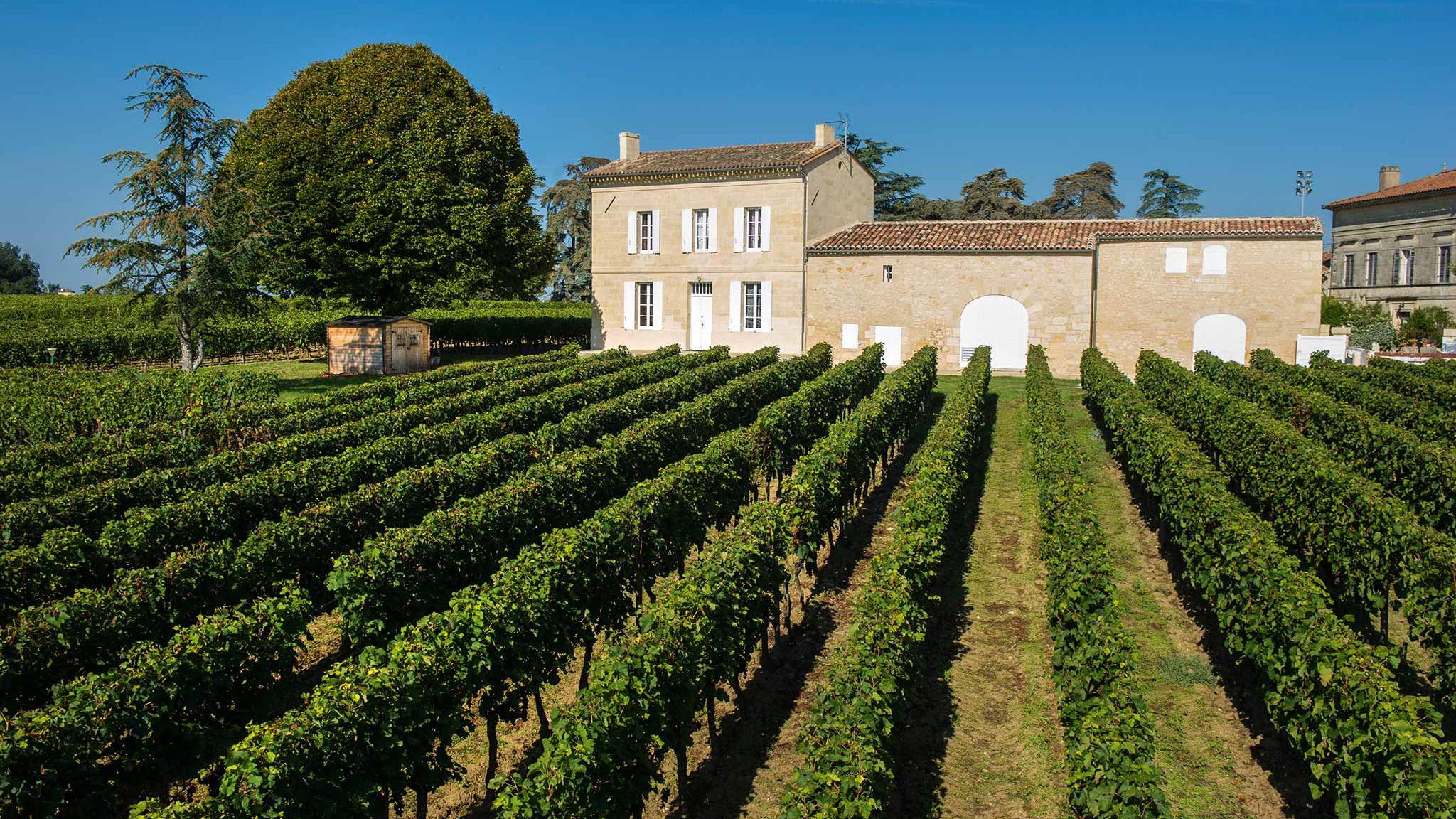
Winery in Bommes, France
 Book with Pearl
The Read
Ciron-Fog Botrytis Precision
Why go
Choose Château de Myrat if you want Barsac history and sweet-wine depth without making the day only about famous labels. It is a better fit for serious wine travelers than casual drop-ins, and it works well as one focused appointment paired with a nearby peer such as Château Climens or Château Doisy-Daëne.
About Château de Myrat
Château de Myrat is a Pearl 3 Star Prestige (2025) venue in Bommes, with Slhane de Pontac listed as chef/owner. Plan around the confirmed essentials rather than assuming a specific format, menu, pricing, hours, or access policy.
For visitors comparing notable venues, Château de Myrat can be considered alongside names such as Château Climens, Château Doisy-Daëne, Château Nairac, and Château Bastor-Lamontagne. Keep the planning flexible and confirm practical details directly before building a full itinerary around the visit.
Choose this for a confirmed Pearl 3 Star Prestige stop in Bommes
The clearest reason to prioritize Château de Myrat is its Pearl 3 Star Prestige recognition for 2025. Beyond that accolade, avoid relying on assumptions about service style, pricing, availability, or specific offerings.
If you are building a focused Bommes plan, compare Château de Myrat with Château Climens, Château Doisy-Daëne, Château Nairac, or Château Bastor-Lamontagne. Other dining and hospitality options in Bommes can be used to round out the day without overstating what Château de Myrat itself provides.
How to fit it into a serious Bommes day
Treat Château de Myrat as a planned stop rather than a casual add-on, and verify current arrangements directly with the venue. The dress code is smart casual, so dress accordingly unless the venue provides more specific instructions for your visit.
For broader local planning, use the Bommes restaurants guide and the Bommes hotels guide if you are staying nearby. Keep comparisons grounded to confirmed names such as Château Climens, Château Doisy-Daëne, Château Nairac, Château Bastor-Lamontagne, Château de Myrat, and Château de l'Aumérade.
Planning details
- Location
- 1 Myrat-Sud, 33720 Barsac
- Website
- chateaudemyrat.fr
- Phone
- +33 5 56 27 09 06
The take
The Take
The Vibe
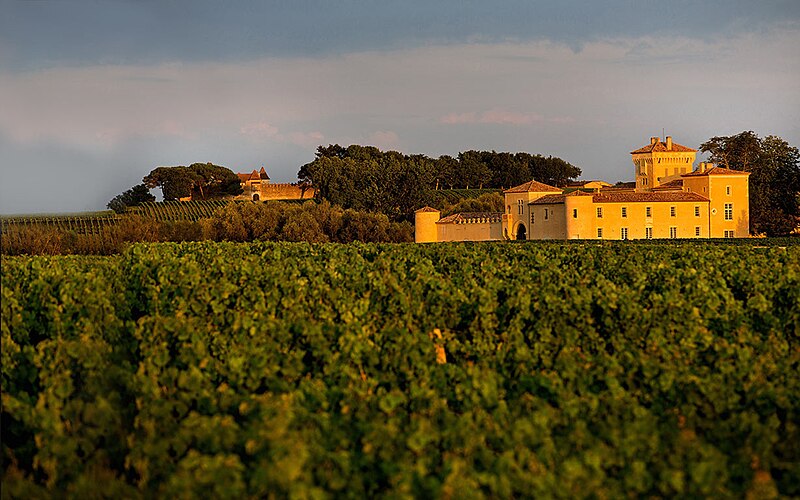
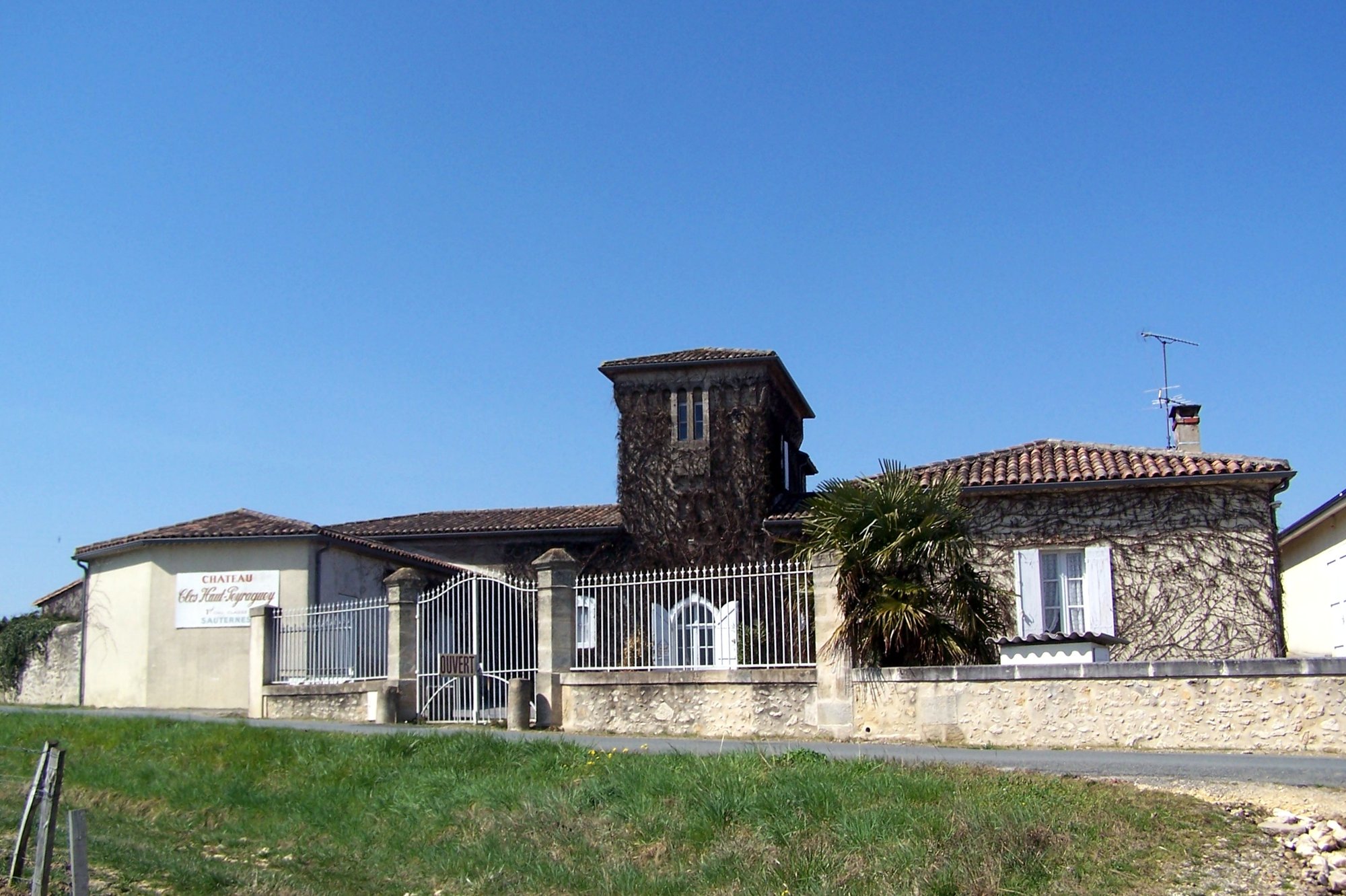
Château de Myrat reads like a quietly historic estate: long rows of vines, a documented production history stretching back to 1826, and an understated presence in the international press. The atmosphere leans away from spectacle and toward a contemplative, terroir-driven sensibility — autumn fog from the Ciron, patient work in the vineyard, and the kind of terroir detail that reveals itself in the glass. Visitors encounter a calm, old‑world setting where the landscape and microclimate do much of the talking, and the house’s relative discretion only deepens its appeal as a thoughtful, time‑honored producer.
Best For
Château de Myrat is best for people who come to learn about botrytised sweet wines and the microclimate forces that make Barsac unique. It suits wine education and quiet, special‑occasion visits: guests who appreciate labour‑intensive harvest practices, the role of the Ciron fog in developing noble rot, and estates carrying regional recognition like the Pearl 3 Star Prestige award. This is not a high‑energy tasting room for casual drop‑ins but rather a place for contemplative tasting and those who value history, terroir nuance, and wines made with meticulous, hands‑on vineyard work.
Tasting Tips
When engaging with Château de Myrat, focus questions on terroir and technique: ask about the Ciron microclimate and how morning fogs drive Botrytis cinerea development, and inquire how multiple hand‑harvest passes affect sweetness and concentration. Look for bottles or releases that reference the Pearl 3 Star Prestige recognition (noted as of 2025) as a marker of the estate’s standing. Because the estate emphasizes traditional, labour‑intensive methods and Sémillon‑led botrytised blends, prioritize tastings that let you compare vintages or cuvées to understand vintage variation driven by fog and sun.
Venue details
Ambiance
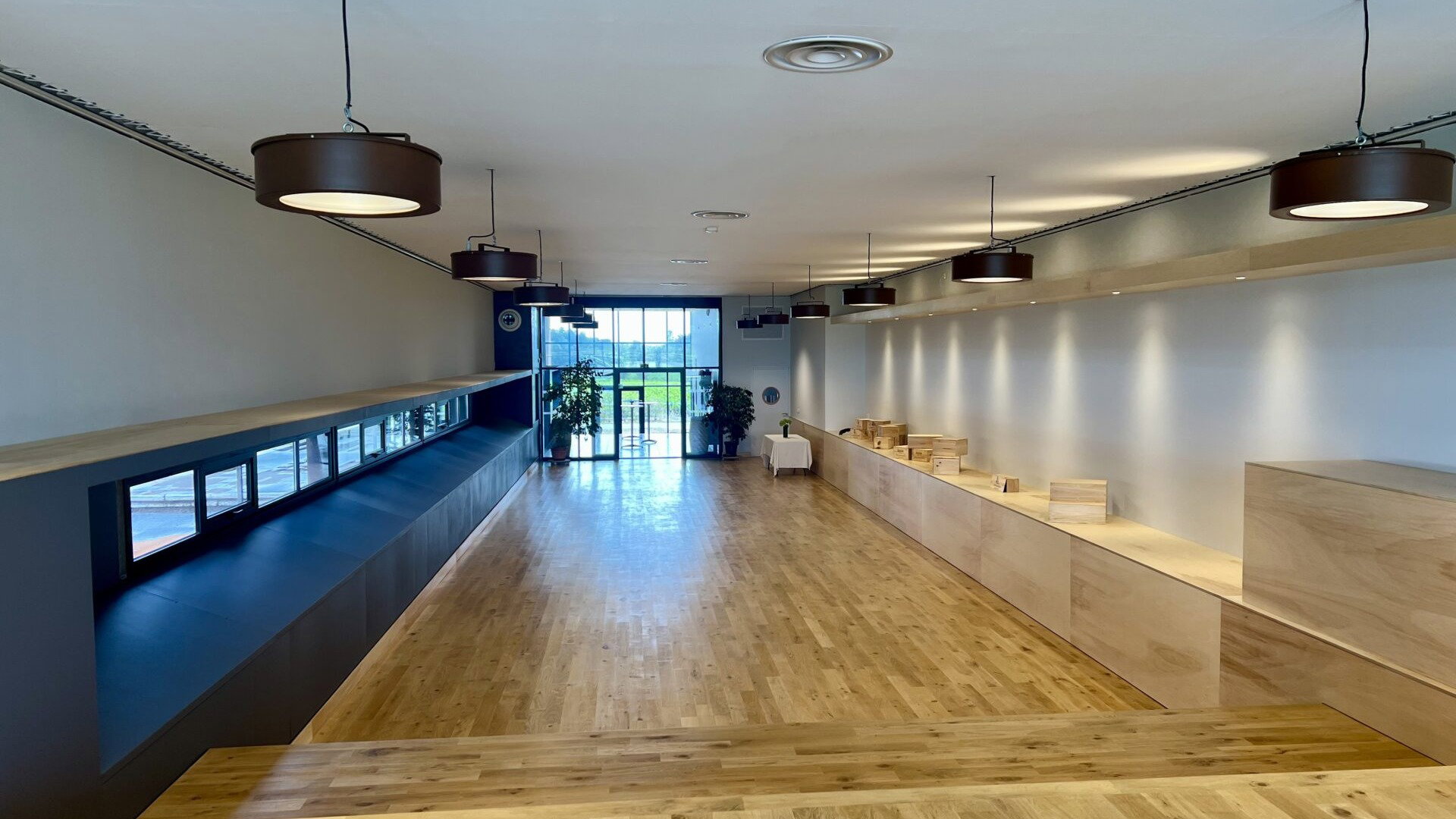
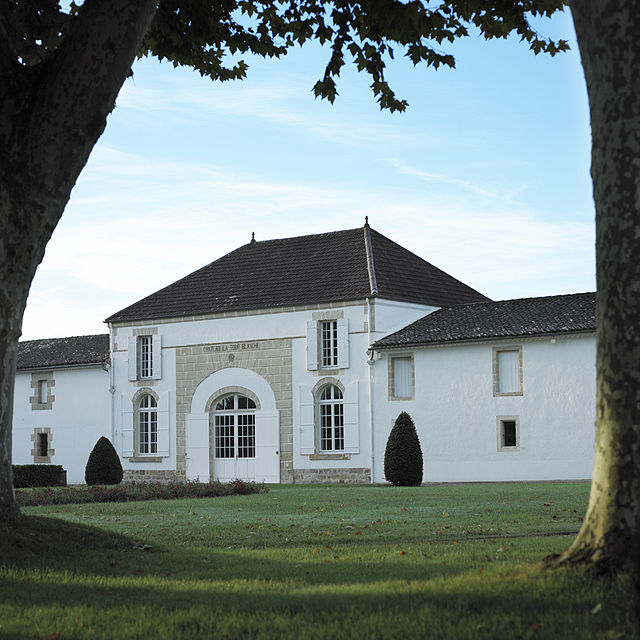
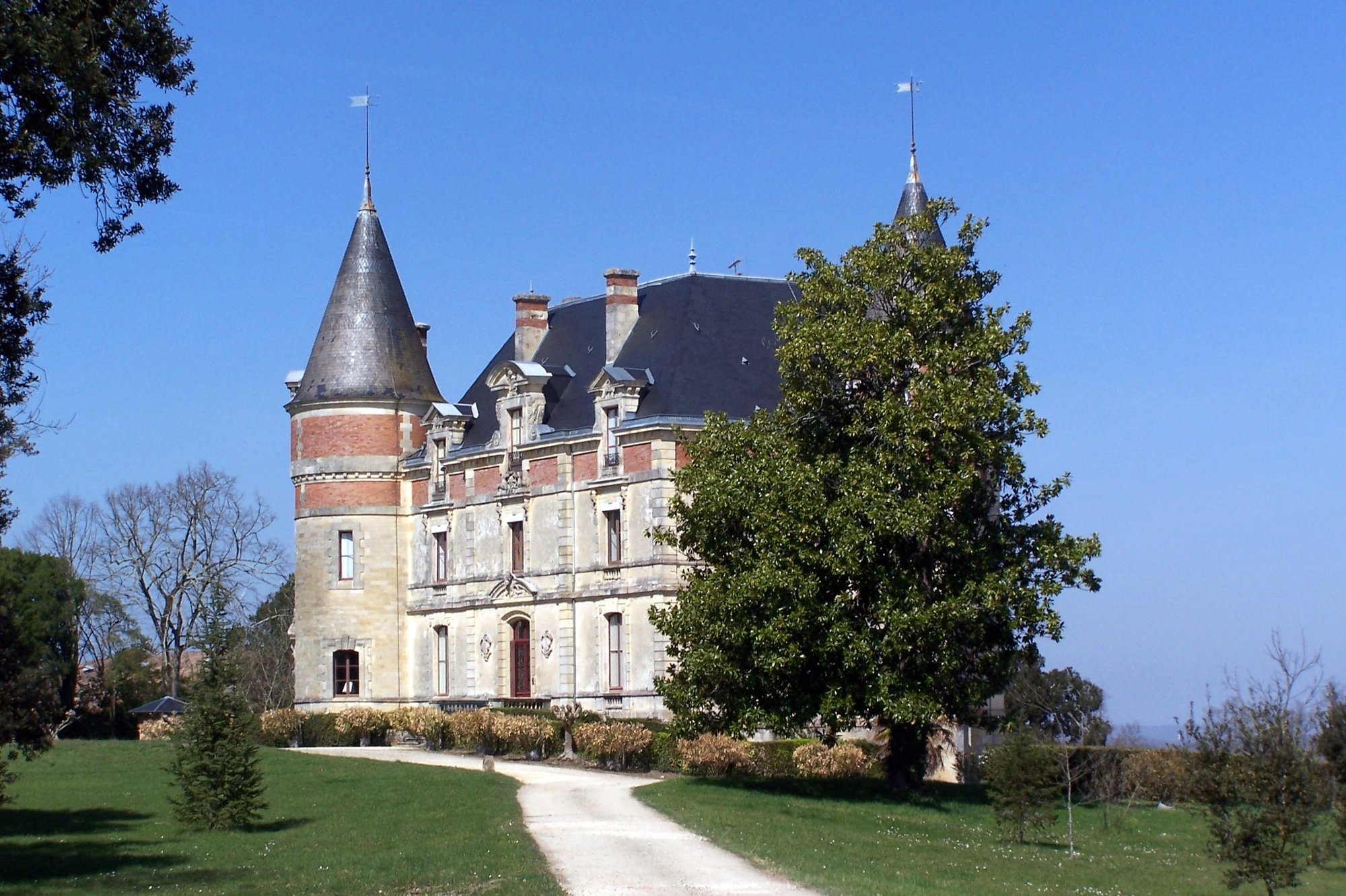
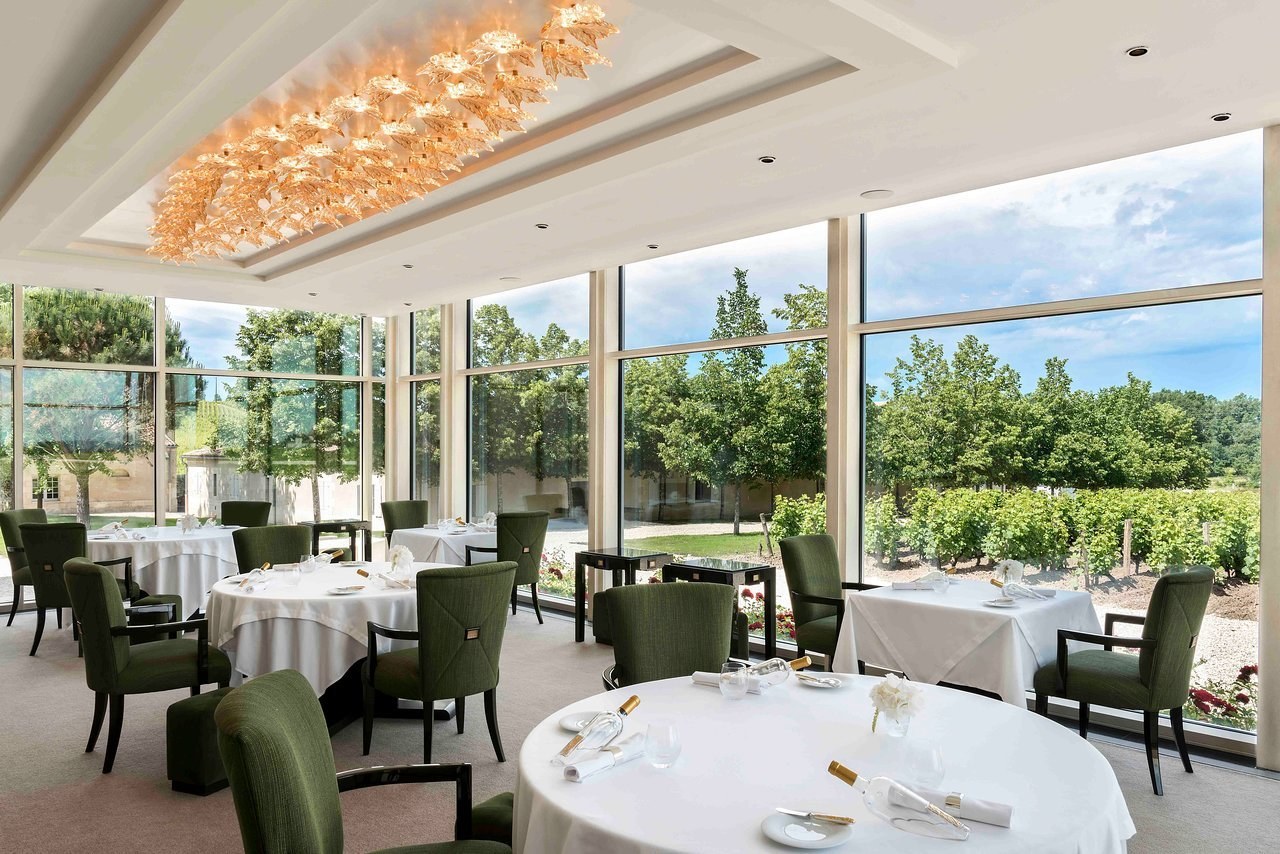
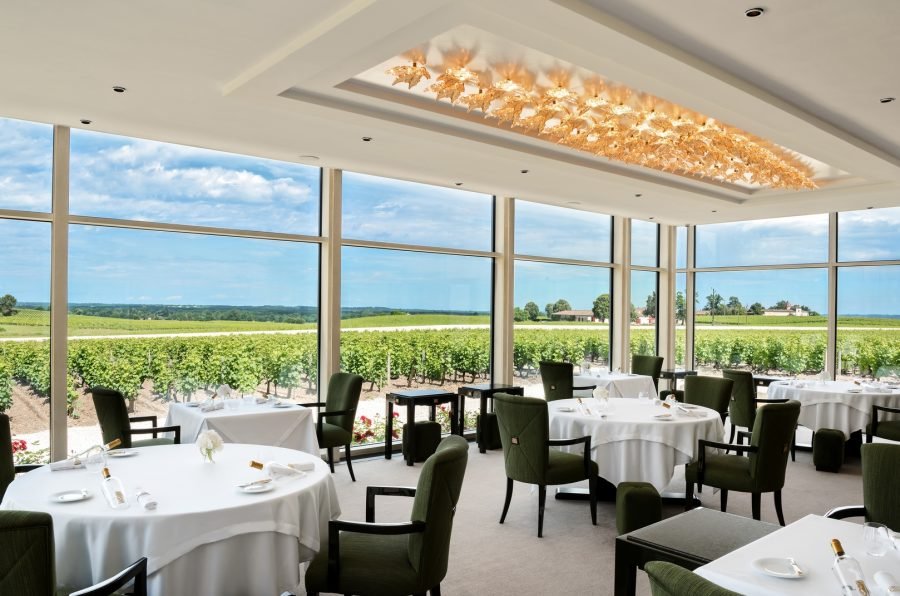
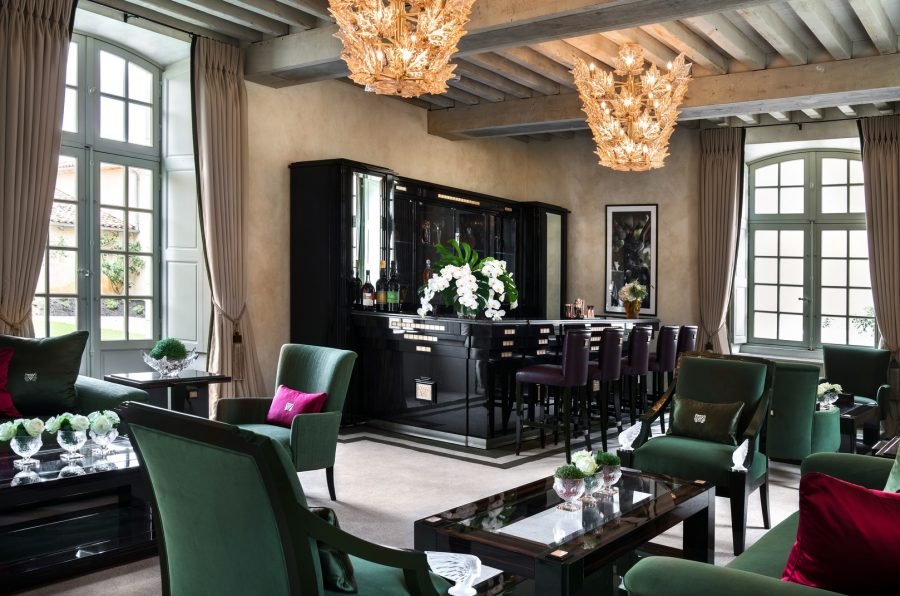
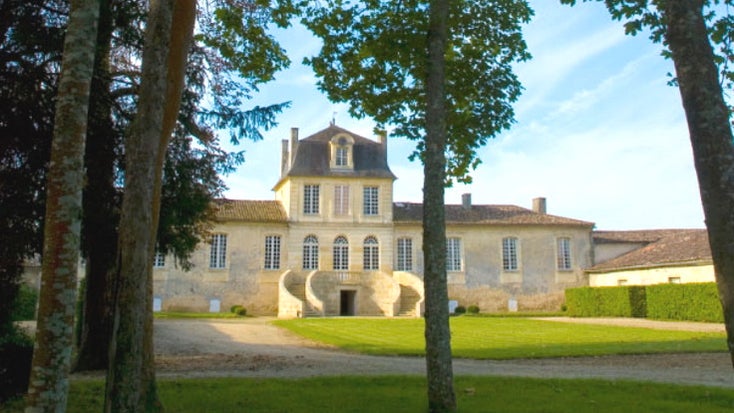
Elegant and serene atmosphere in a beautifully landscaped parkland surrounding the château.
Tags
Vibe
Best For
Experience
View
At the Vineyard
- Appellation
- Barsac AOC
- Varietals
- Semillon, Sauvignon Blanc, Muscadelle
- Tour Duration
- 60-90 minutes
- Visits
- By appointment only
- Wine Styles
- Dessert, Still White
- Wine Club
- Not available
Know before you go
Know Before You Go
- Getting there
- 1 Myrat-Sud, 33720 Barsac
Planning details
Location
Recognition and awards

Also consider
Also Consider
- Château de l'Aumérade, Notable alternative
- Château Doisy-Daëne, Notable alternative
- Château Climens, Notable alternative
- Château Nairac, Notable alternative
- Château Bastor-Lamontagne, Notable alternative
Winery context
How Château de Myrat compares in Bommes
For value-minded sweet-wine travelers, Château de Myrat is the practical play: historic enough to anchor the day, but less obvious than Château Climens. Choose Climens if the priority is name recognition and a higher-prestige stop; choose Myrat if the goal is to understand Barsac without building the itinerary around status.
Château Doisy-Daëne is the sharper cross-shop for technical comparison, especially for visitors who want a more study-driven view of the appellation. Château Nairac and Château Bastor-Lamontagne make sense as alternates if access at Myrat is difficult or if the day needs a smoother routing option around Barsac and Bommes.
Château de l'Aumérade is less directly comparable for a Barsac-focused sweet-wine decision, so treat it as a broader winery alternative rather than the closest substitute. If the plan is one serious sweet-wine appointment, start with Myrat, Climens, or Doisy-Daëne, then use Nairac or Bastor-Lamontagne as backups depending on availability and route.
Explore Bommes
Around this place
Discover more on Pearl
Unlock the full Château de Myrat guide in Pearl, including awards, comparisons, FAQs, planning details, and nearby places.
Compare Château de Myrat
| Venue | Location | Awards |
|---|---|---|
| Château de Myrat | Bommes | 2026 Falstaff Winery Guide2025 Pearl 3 Star Prestige |
| Château de l'Aumérade | Barsac | 2025 Pearl 2 Star Prestige |
| Château Doisy-Daëne | Barsac | 2026 Falstaff Winery Guide2025 Pearl 4 Star Prestige |
| Château Climens | Barsac | 2026 Falstaff Winery Guide2025 Pearl 4 Star Prestige |
| Château Nairac | Barsac | 2026 Falstaff Winery Guide2025 Pearl 4 Star Prestige |
| Château Bastor-Lamontagne | Preignac | 2026 Falstaff Winery Guide2025 Pearl 3 Star Prestige |
How Château de Myrat compares with similar nearby venues.
FAQ
Frequently Asked Questions
How long should I plan for a visit to Château de Myrat?
Plan enough time for a considered stop in Bommes, but confirm timing directly with the venue.
What other venues can I compare with Château de Myrat?
Comparable names to consider include Château Doisy-Daëne, Château Climens, Château Nairac, and Château Bastor-Lamontagne. Other Bommes dining and hospitality options can be planned generically around the visit.
When is the best time to visit Château de Myrat?
Is Château de Myrat recognized by Pearl?
Yes. Château de Myrat is listed with Pearl 3 Star Prestige recognition for 2025.
Who is associated with Château de Myrat?
Slhane de Pontac is listed as chef/owner of Château de Myrat.