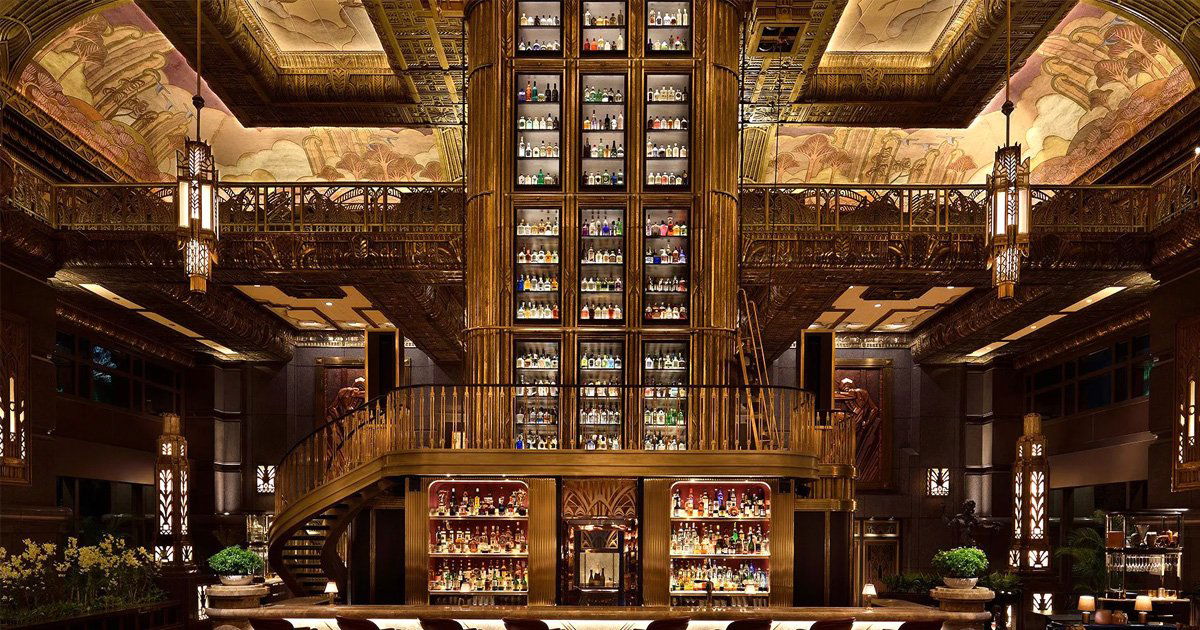
    Winery in Bologna, Italy

    Gruppo Montenegro

    250pts

    Botanical Amaro Heritage

    Gruppo Montenegro, Winery in Bologna

    About Gruppo Montenegro

    Gruppo Montenegro is a Bologna-based spirits producer carrying a Pearl 1 Star Prestige rating for 2025, placing it among Italy's recognised names in distilled liqueurs and amaro production. The group sits within a long Emilian tradition of bittersweet spirits that predate the cocktail revival by more than a century, making it a reference point for anyone tracing the lineage of Italian amaro from its regional roots.

    Bologna's Amaro Tradition and Where Gruppo Montenegro Stands

    Bologna has a longer relationship with bittersweet spirits than most Italian cities care to admit. The city's position at the crossroads of Emilia-Romagna, with its dense network of spice and herb traders, made it a natural site for the kind of botanical distillation that would eventually produce some of Italy's most recognisable liqueur names. Gruppo Montenegro belongs to that tradition not as a footnote but as one of its more durable institutional expressions, carrying a Pearl 1 Star Prestige recognition for 2025 that places it in a defined tier of Italian spirits producers assessed for quality and heritage. For visitors approaching Bologna's drinks culture from the wine side, the amaro category often comes as a corrective: this city's contribution to Italian gastronomy is not only about Sangiovese and Pignoletto. The bitter liqueur — served after dinner, sometimes before, occasionally during — is as native to the region as mortadella or tortellini in brodo.

    Italian amaro production spans an enormous range, from mass-market bottles found in airport departures to allocation-style small-batch expressions that change seasonally. Gruppo Montenegro sits closer to the heritage end of that spectrum. The Montenegro amaro itself, the group's most recognisable product, draws on a botanical recipe that dates to the late nineteenth century , a fact that places it in a different conversation from the craft amaro wave that emerged after 2010. Contextually, it belongs alongside other Italian producers who treat botanical composition as a form of institutional knowledge rather than a creative brief. That lineage is worth understanding before you open a bottle.

    The Botanical Logic Behind the Category

    What distinguishes a serious amaro from a flavoured spirit is, broadly, the complexity and balance of its botanical formula. Italy's most respected producers , whether in the northeast, in Piedmont, or in Emilia-Romagna , treat the ratio of bitter to sweet, herbal to citrus, as a precision exercise rather than a flavour preference. Montenegro's profile sits at the softer end of the bitterness scale, with orange peel and aromatic herbs giving it a more approachable character than, say, alpine-style amaros built around gentian root. This is not a concession to ease; it reflects a deliberate botanical philosophy that has remained consistent across generations of production.

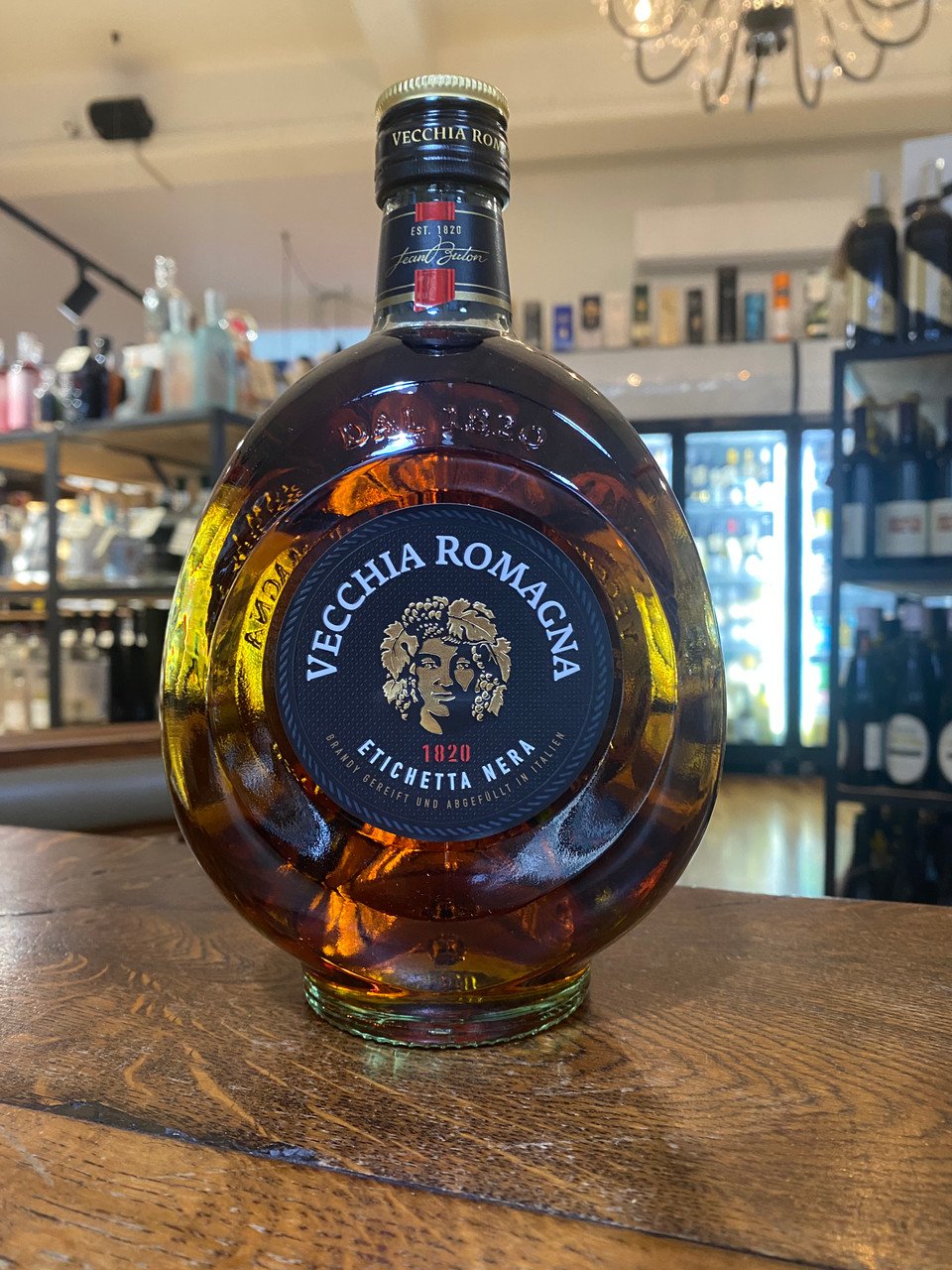
    To place that in a wider Italian context: the country's spirits geography is highly regional. Grappa producers in the northeast, such as Nonino Distillery in Pavia di Udine and Distilleria Marzadro in Nogaredo, operate in a fundamentally different tradition from the amaro houses of central and northern Italy. Even within amaro, the differences are pronounced: the Distilleria Romano Levi in Neive in Piedmont, known for its handcrafted grappa, operates with an artisanal model that contrasts sharply with larger institutional producers. Gruppo Montenegro occupies the space where scale and heritage intersect , large enough to hold a consistent product across decades, structured enough to have earned formal recognition. Bologna also has another significant spirits connection in Distillerie Buton (Vecchia Romagna), whose brandy production under the Vecchia Romagna label represents a different dimension of the city's distilling identity. Together, these names form a local spirits cluster that positions Bologna as more than an incidental stop on Italy's drinks map.

    How Montenegro Compares Within Italian Premium Spirits

    Italy's premium spirits sector has seen consolidation and increased international attention since roughly 2015, with producers like Campari in Milan operating as a global benchmark for Italian bitters-based spirits. Gruppo Montenegro remains distinct from that model: it has not pursued the same international acquisition strategy, and its identity is more closely tied to a specific recipe and regional origin than to a portfolio brand. That specificity has value. In a category where provenance increasingly matters to buyers, a Bologna address and a formula tied to a named nineteenth-century recipe carries a different weight than a brand built through acquisition.

    Among Italian wine and spirits producers that have received formal recognition in recent years, the peer set is instructive. On the wine side, producers like Aldo Conterno in Monforte d'Alba, Ca' del Bosco in Erbusco, and Lungarotti in Torgiano have all built reputations through consistent application of craft over long time horizons. Castello di Volpaia in Radda in Chianti and Planeta in Menfi represent the kind of estate-based, terroir-conscious production that has redefined Italian wine in international markets. Gruppo Montenegro's Pearl 1 Star Prestige recognition for 2025 places it in a comparable conversation for spirits: formally assessed, positioned within a quality tier, and carrying a credential that functions as an entry point for serious buyers.

    For those who approach Italian drinking culture primarily through wine, the L'Enoteca Banfi in Montalcino and Accendo Cellars in St. Helena sit in a different category entirely, but the logic of reputation-building through sustained quality and formal recognition applies across both wine and spirits. The Montenegro name has navigated that logic over more than a century.

    Visiting Bologna with Spirits in Mind

    Bologna's city centre offers multiple points of entry into the amaro and spirits culture that Gruppo Montenegro represents. The city's wine bars and enotecas typically carry a broader range of local and regional spirits than you would encounter in a tourist-facing venue elsewhere in Italy. Arriving in the early evening and working through a digestivo sequence , from a lighter amaro to a more structured bitter , is a pattern locals follow with some regularity, and the city's drinking culture is unhurried enough to accommodate it. For broader context on what to eat and drink across the city, our full Bologna restaurants guide maps the key venues by neighbourhood and category.

    Practical logistics for engaging with Gruppo Montenegro's products are direct: the amaro is available across Bologna's better-stocked bars and enotecas, and it appears on most serious cocktail menus in the city as both a neat digestivo and a cocktail component. The Pearl 1 Star Prestige recognition for 2025 confirms it as a quality reference point within its category, which is useful when deciding between the range of Italian amaros typically available at any given bar. If you are visiting Bologna specifically to explore Italian spirits production, the city's concentration of heritage producers makes it a more rewarding stop than many assume at the outset.

    Frequently Asked Questions

    What's the general vibe of Gruppo Montenegro?
    Gruppo Montenegro carries the character of Bologna's institutional spirits culture: heritage-rooted, botanically precise, and less concerned with trends than with consistency. Its Pearl 1 Star Prestige recognition for 2025 positions it within a defined quality tier for Italian producers, and the amaro it produces is widely available across the city's bars and enotecas.
    What's the signature bottle at Gruppo Montenegro?
    The Montenegro amaro is the group's defining product, built on a botanical recipe dating to the late nineteenth century. It sits at the approachable end of the bitterness scale, with orange peel and aromatic herbs as the dominant profile, and it carries the 2025 Pearl 1 Star Prestige recognition that marks its standing among Italian spirits producers.
    What's the standout thing about Gruppo Montenegro?
    The combination of a verifiable historical recipe, a Bologna provenance, and a 2025 Pearl 1 Star Prestige recognition gives Montenegro a distinct position in the Italian amaro category. It operates in a different register from both craft newcomers and fully internationalised brands, maintaining a regional identity over a long production history.
    Should I book Gruppo Montenegro in advance?
    If your interest is in tasting or purchasing the Montenegro amaro, advance booking is not required: the product is available across Bologna's established bars, enotecas, and many restaurants. For producer-level visits or specific distillery experiences, it is worth making direct contact before arrival, as availability varies and current booking details are not published centrally.
    What should I do before I arrive at Gruppo Montenegro?
    Familiarise yourself with the Italian amaro category before visiting, particularly the distinction between alpine-style bitters and the softer, more aromatic profiles characteristic of Emilian production. Reviewing the 2025 Pearl 1 Star Prestige recognition as a quality signal will also help contextualise where Montenegro sits relative to the wider Italian spirits field. Bologna's broader food and drinks culture rewards preparation, and our full Bologna restaurants guide provides useful orientation.
    How does Montenegro amaro fit into a classic Italian after-dinner drinking sequence?
    Montenegro's relatively soft bitterness and prominent orange-peel character make it a natural opening move in a digestivo sequence, serving as an accessible entry before moving to more structured, alpine-style bitters. Its 2025 Pearl 1 Star Prestige recognition confirms its standing as a quality reference point in the category, not simply a familiar label. Served neat at room temperature, it reads differently than in a cocktail context, and Bologna's better enotecas typically carry it alongside peer Italian amaros for direct comparison.
    Keep this place

    Save or rate Gruppo Montenegro on Pearl

    Keep this venue in your Pearl passport, rate it after you visit, and track it alongside every other place you collect.