

Winery in Bologna, Italy
Distillerie Buton (Vecchia Romagna)
500Pearl PointsSpirit-first stop
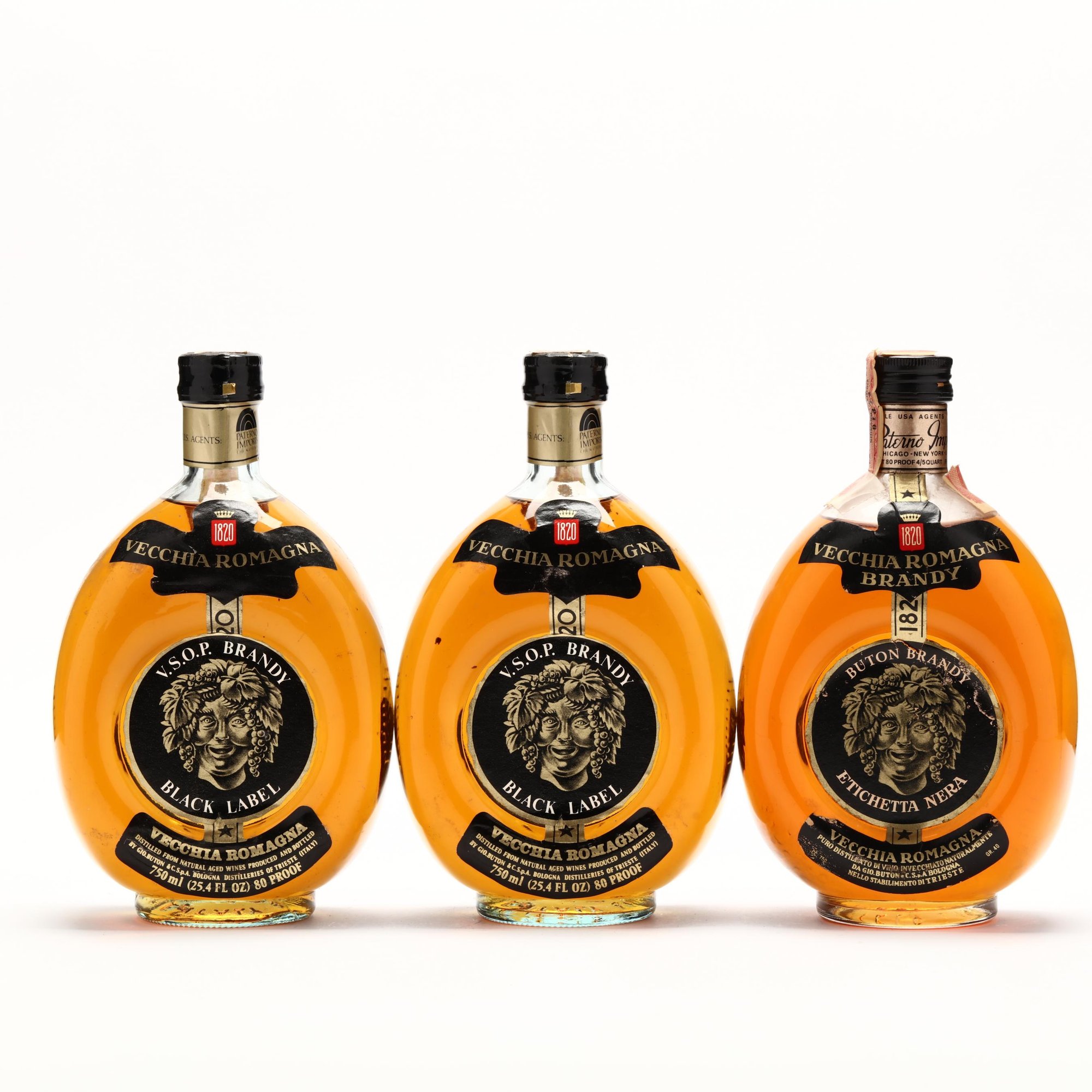
About Distillerie Buton (Vecchia Romagna)
A specialist Bologna-area spirits stop for travelers who care about distilling culture more than vineyard scenery. Distillerie Buton (Vecchia Romagna) is worth pursuing if access is already realistic, but its extremely hard booking profile makes it a poor casual add-on. Better for focused drinks travelers than mixed groups seeking an easy tasting day.
Distillerie Buton (Vecchia Romagna) is listed in Bologna with Pearl 2 Star Prestige recognition for 2025. The verified practical note is simple: the dress code is smart casual. Beyond that, specific details such as hours, pricing, visit format, menu or tasting structure, group capacity, booking process are not verified here, so this guide treats the venue cautiously rather than inventing a fuller itinerary around it.
Worth considering if the confirmed basics fit your plans
Distillerie Buton (Vecchia Romagna) is best approached as a Bologna venue with limited publicly verified planning detail in this guide. If you are deciding whether to include it, anchor the decision to the confirmed recognition and the smart casual dress code, then verify any timing, access, visit expectations directly before making plans.
Because specific availability and service details are not verified here, do not treat it as a flexible add-on or assume a particular format. For broader trip planning, compare it with other Bologna options through our full Bologna restaurants guide, our full Bologna bars guide, our full Bologna hotels guide, our full Bologna experiences guide.
How to think about it alongside similar names
For travelers comparing distillery-focused names, Distillerie Buton (Vecchia Romagna) can be considered alongside Casoni Fabbricazione Liquori, Distilleria Caselli, Distilleria Moccia, Vecchia Romagna, Villa Zarri. Those comparisons should be used as broad reference points only; this page does not verify specific products, tasting formats, visitor access, or locations beyond Bologna for Distillerie Buton (Vecchia Romagna).
Verdict: consider it if the confirmed Pearl 2 Star Prestige recognition and smart casual expectation make it relevant to your Bologna plans. Skip or postpone it if you need verified hours, pricing, group logistics, or a clearly defined visit format before committing.
Frequently Asked Questions
Do I need a reservation at Distillerie Buton (Vecchia Romagna)?
Reservation requirements are not verified here. Before planning around Distillerie Buton (Vecchia Romagna) in Bologna, check directly with the venue for current access, timing, any booking expectations.
What products or tasting details are verified for Distillerie Buton (Vecchia Romagna)?
No specific product, tasting lineup, or visit format is verified in this guide. Use the venue's official channels for current details before planning around any particular experience.
Can Distillerie Buton (Vecchia Romagna) handle large groups?
Group capacity is not verified here. If you are planning for more than a small party, confirm directly with Distillerie Buton (Vecchia Romagna) in Bologna before assuming availability or format.
Are membership or special access options verified for Distillerie Buton (Vecchia Romagna)?
Membership or special access information is not verified in this guide. Do not treat those features as part of the decision unless you confirm them through the venue's official channels.
How long should I plan for a visit to Distillerie Buton (Vecchia Romagna)?
A visit length is not verified here. For a Bologna itinerary, confirm the current format and timing directly before deciding how much time to set aside.
Location
Via Enrico Fermi, 4, 40069 Zola Predosa BO
Bologna, Italy
Compare Distillerie Buton (Vecchia Romagna)
| Venue | Location | Awards |
|---|---|---|
| Distillerie Buton (Vecchia Romagna) | Bologna | Pearl 2 Star Prestige (2025) |
| Vecchia Romagna | Bologna | , |
| Villa Zarri | Castel Maggiore | , |
| Distilleria Caselli | Modena | , |
| Casoni Fabbricazione Liquori | Finale Emilia | , |
| Distilleria Moccia | Ferrara | , |
How Distillerie Buton (Vecchia Romagna) Bologna compares with similar nearby venues.
If access does not work
Try Vecchia Romagna first if the point of the stop is Bologna brandy culture. Choose Villa Zarri if the group wants a more conventional estate-style outing outside the city.
How It Compares
Choose Distillerie Buton (Vecchia Romagna) if the priority is Bologna's spirits identity and a higher-friction, specialist visit feels worth the effort. Vecchia Romagna is the cleaner comparison for readers focused on brandy culture in Bologna, while Villa Zarri is the stronger fit if the day needs a more traditional out-of-metro estate feel.
For easier cross-shopping, Distilleria Caselli and Casoni Fabbricazione Liquori make more sense when the group wants a regional spirits stop without centering the whole itinerary around one hard-to-secure booking. Distilleria Moccia is better treated as a broader Italy spirits comparison rather than a direct Bologna substitute.
Value depends less on price and more on access: if a slot is confirmed, this is the more compelling choice for depth. If the schedule is tight or the group includes casual drinkers, Villa Zarri or Casoni Fabbricazione Liquori will likely feel easier to justify.
Save or rate Distillerie Buton (Vecchia Romagna) on Pearl
Keep this venue in your Pearl passport, rate it after you visit, and track it alongside every other place you collect.