

Cloudy Bay Vineyards
Wairau Valley, Blenheim
Winery in Blenheim, New Zealand
 Book with Pearl
The Read
Marlborough Terroir Immersion
Price
$30–50tasting
Why go
Cloudy Bay Vineyards is a winery on Jacksons Road in Blenheim.
About Cloudy Bay Vineyards
For a Blenheim wine stop where recognition is key, Cloudy Bay Vineyards is a clear name to consider. It holds Pearl 4 Star Prestige in 2025 and a #26 placement on World's 50 Best Vineyards in 2025. Beyond those accolades and a smart casual dress code, for specific details such as service format, food, prices, hours, and booking requirements, check directly with the venue.
The decision is therefore best framed around certainty. If the trip calls for a recognised Blenheim vineyard with external validation, Cloudy Bay Vineyards has a strong case. If the day depends on exact timing, dining plans, group capacity, or a particular tasting format, confirm those details directly before building the itinerary around it.
Book for recognition, not assumptions about the visit
The strongest reason to choose this stop is its profile. Cloudy Bay Vineyards has Pearl 4 Star Prestige and a 2025 World's 50 Best Vineyards #26 ranking, which makes it useful for travellers who want a high-recognition Blenheim name on the itinerary. For the precise visitor experience, avoid assuming a specific menu, tasting structure, food offering, or level of flexibility.
Use Cloudy Bay Vineyards as one fixed point only after checking the venue's current visitor information. If the wider day includes meals, drinks, or accommodation in town, plan those separately using our full Blenheim restaurants guide, our full Blenheim bars guide, and our full Blenheim hotels guide. For travellers adding non-wine time in town, use current local planning resources.
Membership value depends on details and personal priorities
If joining any mailing list, club, or recurring purchase program is the question, confirm the current terms directly with Cloudy Bay Vineyards before deciding. Its awards profile supports the prestige argument, but value should be judged against your own preferences, budget, and how often you want this producer in rotation. For broader New Zealand context, compare the commitment with Ata Rangi, Greystone Wines, Craggy Range, and Wairau River Wines without assuming they offer the same format or location.
The practical verdict: Cloudy Bay Vineyards is worth considering for travellers who want a recognised Blenheim vineyard backed by 2025 accolades. It is harder to judge as a casual add-on, a group stop, or a food-led visit without current details from the venue. Treat the awards as the reliable signal, then check the practicalities before committing the day around it.
Planning details
- Location
- 230 Jacksons Road, Blenheim 7201
- Website
- cloudybay.com
- Phone
- +64 3 520 9147
The take
The Take
The Vibe
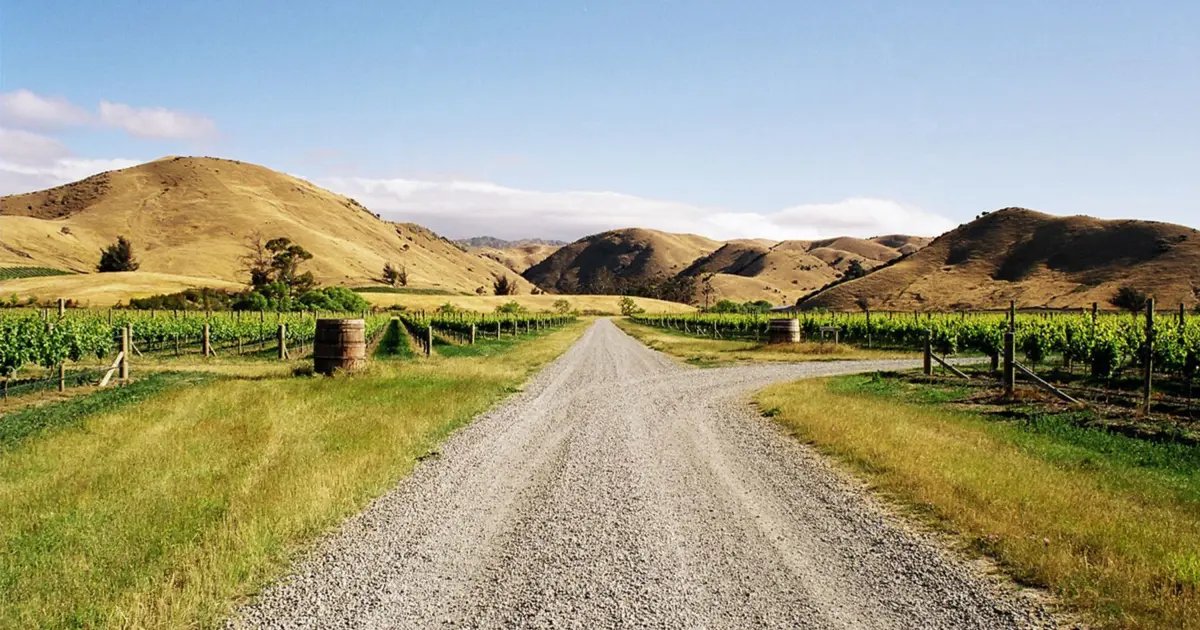
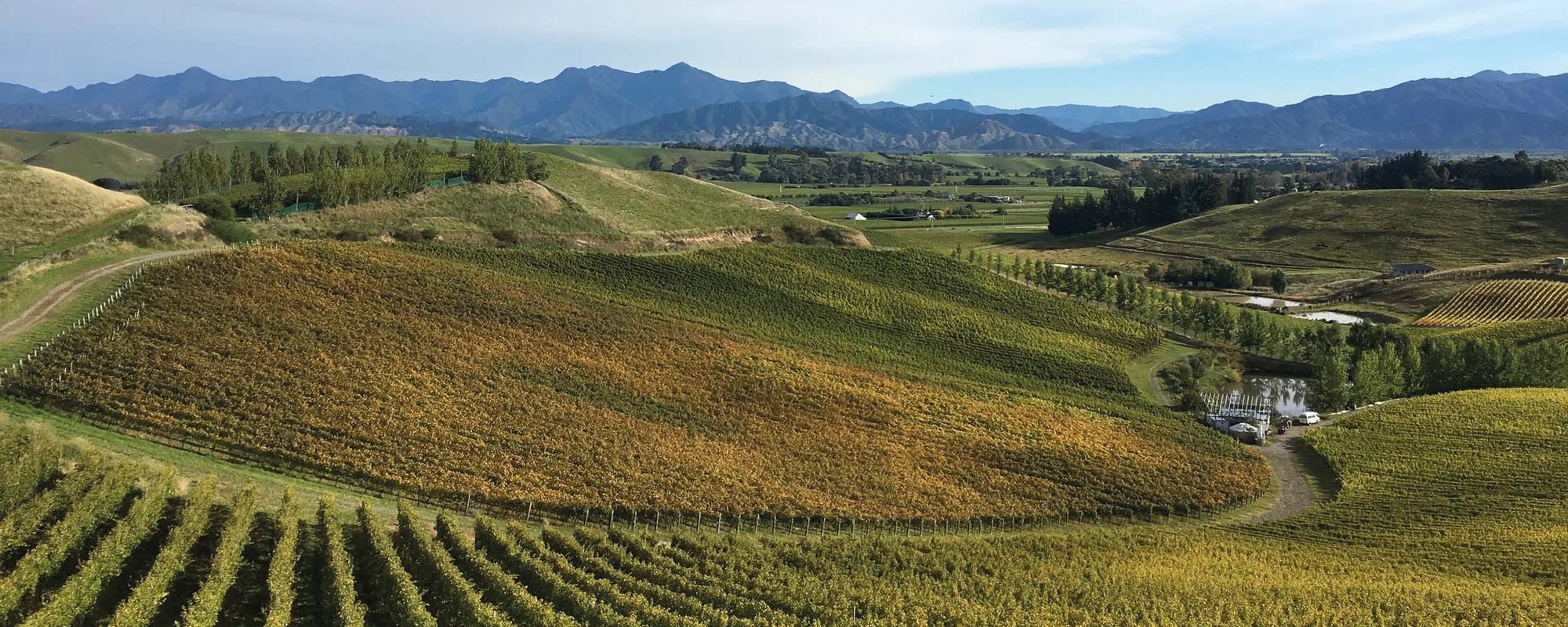
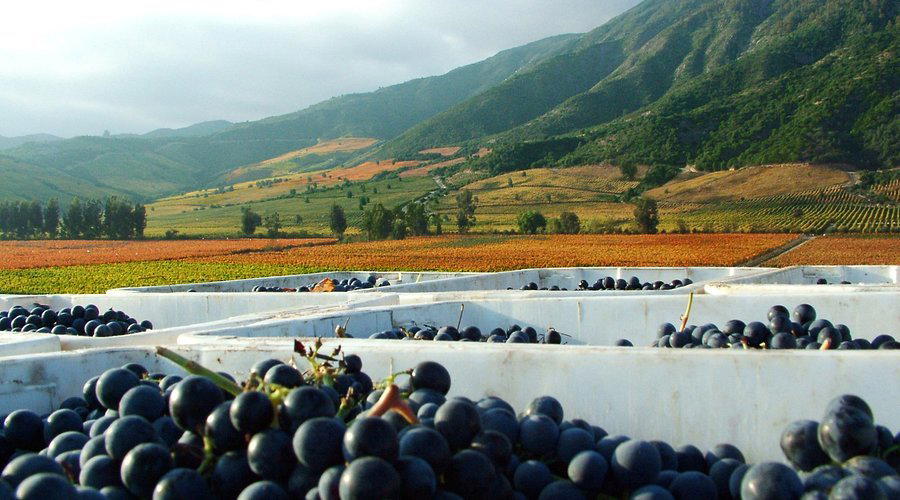
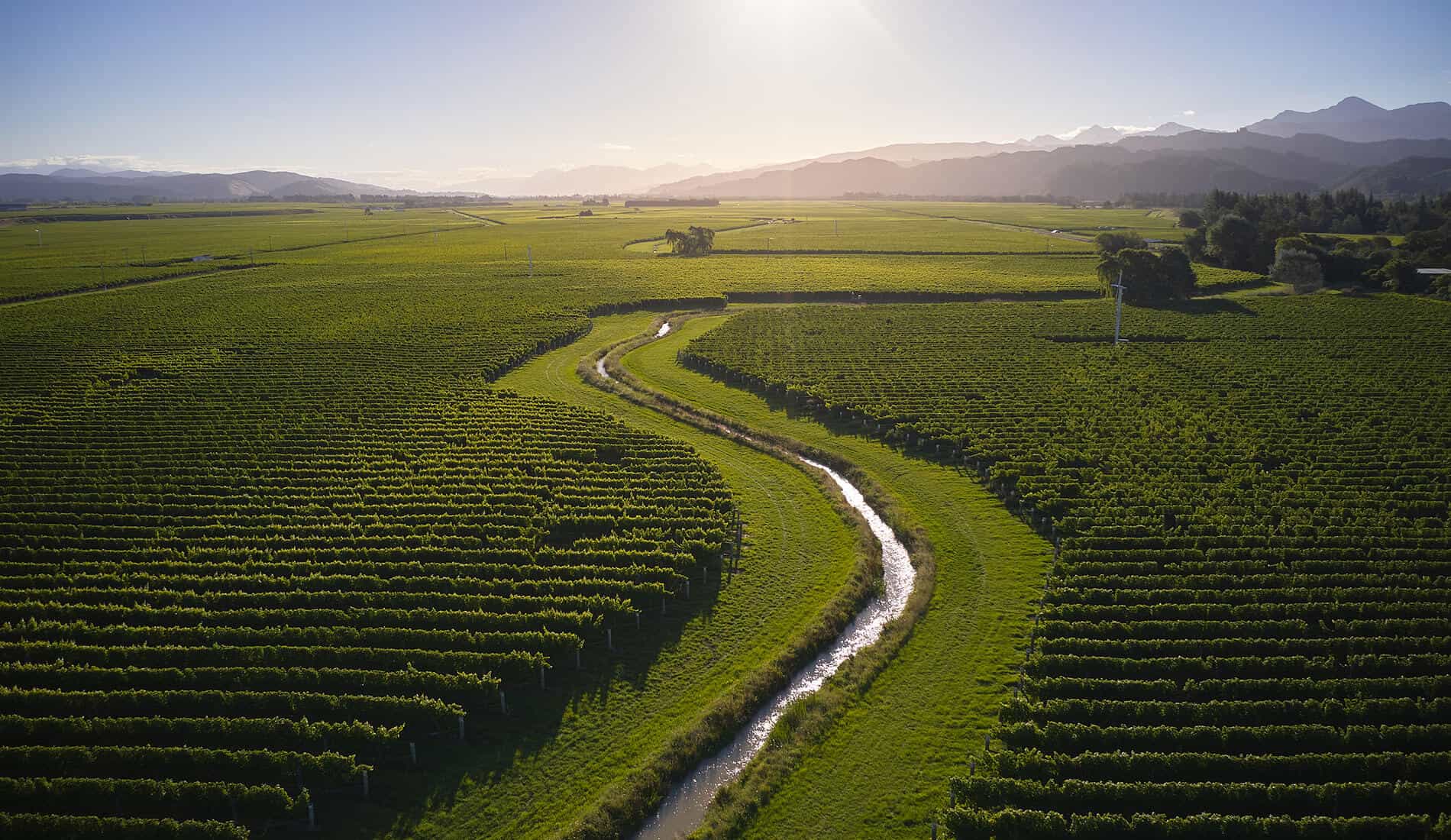
Cloudy Bay Vineyards reads as a place where geology and climate are the dominant design elements. Mornings on Jacksons Road feel clear and composed, with flat alluvial fans and river stones announcing the agricultural logic beneath the surface. The estate emphasizes site specificity, so the atmosphere is contemplative rather than decorative — the landscape and the vines set the tone. Visitors encounter a restrained, terroir-forward personality: measured light, cool ripening, and an emphasis on mineral detail that yields a serene, focused tasting environment anchored by the surrounding vineyard vistas.
Best For
Cloudy Bay is best suited to guests who want to understand Marlborough at a granular level: wine students, collectors, and anyone celebrating a meaningful moment with a bottle that helped define the region. The writing positions the address as an emblem of regional identity, so it works well for education-focused visits that parse differences between Wairau Valley and other Marlborough subregions. It also fits special occasions and celebrations where the provenance of the wine — the estate and its vineyard narrative — matters as much as what’s in the glass.
Tasting Tips
When tasting here, prioritize the estate’s Sauvignon Blancs and bottlings that explicitly reference the Wairau Valley; the text highlights that this subregion produces a distinct, nervy acidity and concentrated aromatics. Compare those expressions to wines from the Southern Valleys to hear the difference between gravel-driven tension and broader, riper profiles. Note the estate’s move toward organic farming and ask about wines that reflect that practice. Look for bottles that emphasize bright stone fruit aromatics balanced by cutting acidity — that tension defines the house style.
Venue details
Ambiance
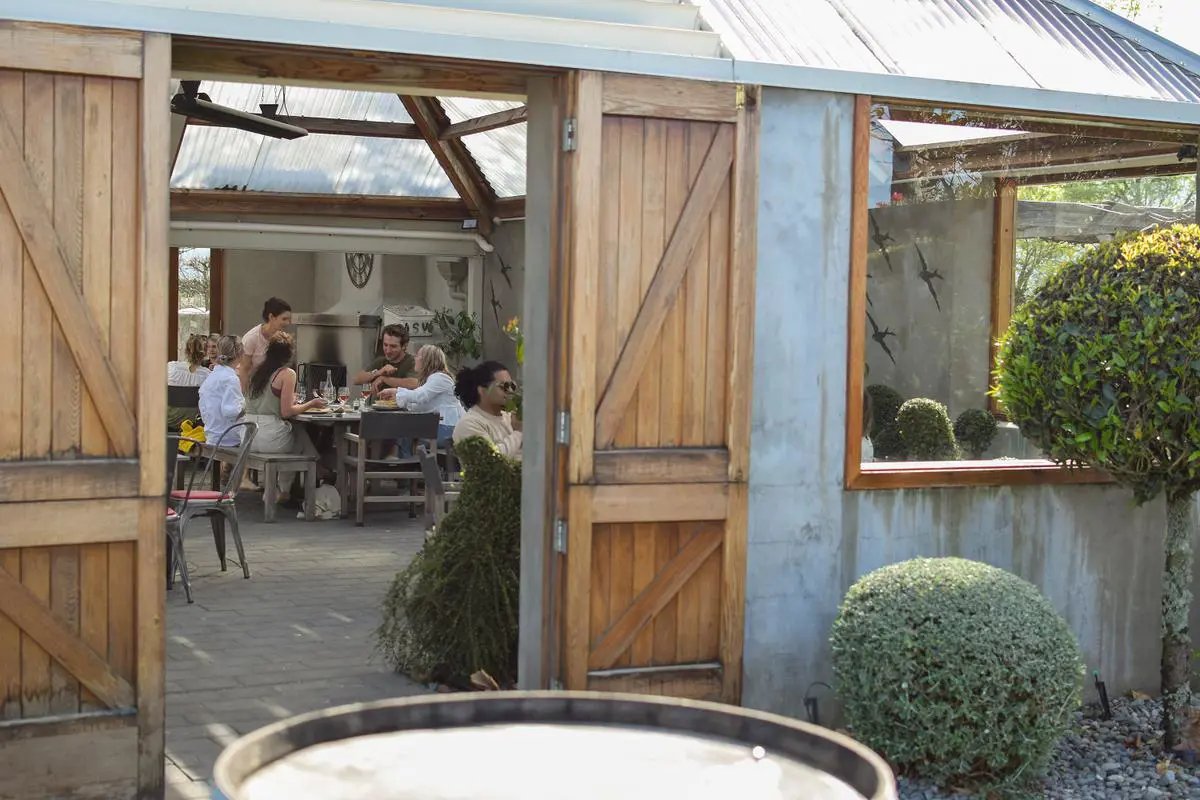
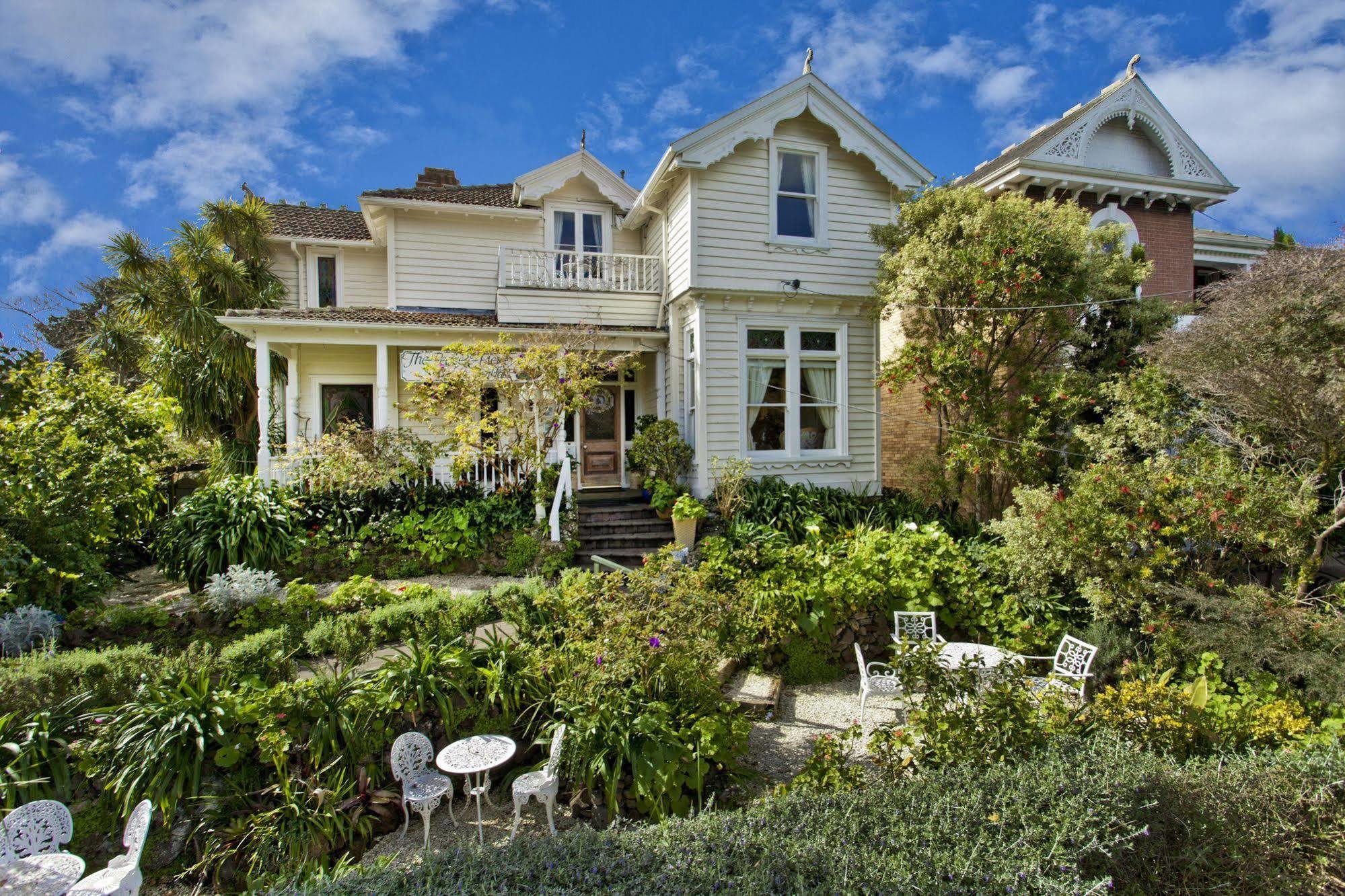
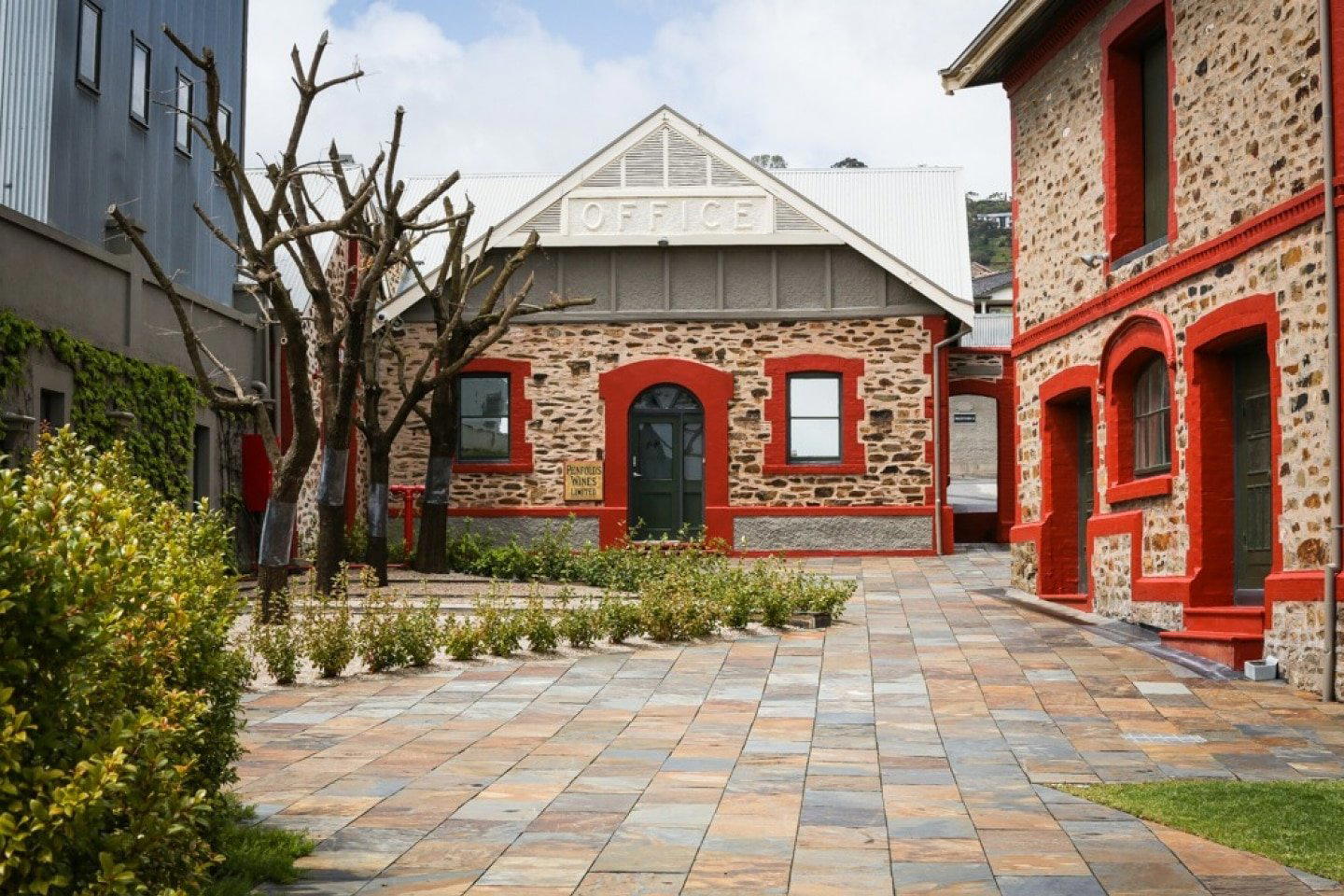
Elegant and sophisticated with a focus on heritage, featuring a historic wine library and scenic vineyard views.
Tags
Vibe
Best For
Experience
Sourcing
View
At the Vineyard
- Appellation
- Marlborough
- Varietals
- Sauvignon Blanc, Chardonnay, Pinot Noir
- Tour Duration
- 60-90 minutes
- Tour Languages
- English
- Visits
- By reservation
- Farming
- Sustainable
- Wine Styles
- Still White, Still Red, Sparkling
- Food Pairing
- Offered
- Shipping
- Available
- Wine Club
- Available
Know before you go
Know Before You Go
- Getting there
- 230 Jacksons Road, Blenheim 7201
Planning details
Location
Recognition and awards


Also consider
Also Consider
- Wairau River Wines, Notable alternative
- James Sedgwick Distillery (Three Ships & Bain's), Notable alternative
- Ata Rangi, Notable alternative
- Greystone Wines, Notable alternative
- Craggy Range, Notable alternative
Winery context
How Cloudy Bay Vineyards compares in Blenheim and beyond
Choose Cloudy Bay Vineyards when recognition and Marlborough context matter more than flexibility. Against Wairau River Wines, it reads as the more prestige-led booking, while Wairau River Wines is the easier fit for visitors who want a softer, more relaxed regional stop. If the day needs to feel low-pressure, Wairau River Wines is the safer cross-shop; if the goal is a benchmark name, prioritise Cloudy Bay.
Ata Rangi, Greystone Wines, and Craggy Range are better comparisons for travellers deciding where to spend serious winery time across New Zealand rather than only in Blenheim. Ata Rangi makes more sense for a Pinot Noir-focused itinerary, Greystone Wines for Waipara context, and Craggy Range for a broader Hawke's Bay-style destination experience. Cloudy Bay is the clearer choice when Marlborough Sauvignon Blanc is the reason for the trip.
James Sedgwick Distillery (Three Ships & Bain's) is not a like-for-like wine comparison; use it only if the group wants a spirits detour rather than another vineyard. For value, Cloudy Bay is not the obvious casual pick. For quality signal, booking difficulty, and brand weight, it is the one to secure first and build the rest of the day around.
Around this place
Discover more on Pearl
Unlock the full Cloudy Bay Vineyards guide in Pearl, including awards, comparisons, FAQs, planning details, and nearby places.
Compare Cloudy Bay Vineyards
| Venue | Location | Awards |
|---|---|---|
| Cloudy Bay Vineyards | Blenheim | 2026 Falstaff Winery Guide2025 World's 50 Best Vineyards · #26 |
| Wairau River Wines | Rapaura | 2026 Cuisine New Zealand Good Food Guide2026 Falstaff Winery Guide2025 World's 50 Best Vineyards · #52 |
| James Sedgwick Distillery (Three Ships & Bain’s) | Wellington | No published awards |
| Ata Rangi | Martinborough | 2026 Falstaff Winery Guide2025 World's 50 Best Vineyards · #100 |
| Greystone Wines | Waipara | 2026 Falstaff Winery Guide2025 World's 50 Best Vineyards · #89 |
| Craggy Range | Hastings | 2026 Architizer A+Awards — Verified Public Venues2026 La Liste Top Restaurants2026 Falstaff Winery Guide2022 World's 50 Best Vineyards · #412021 World's 50 Best Vineyards · #112020 World's 50 Best Vineyards · #172019 World's 50 Best Vineyards · #11 |



How Cloudy Bay Vineyards Blenheim compares with similar nearby venues.
FAQ
Frequently Asked Questions
Is the wine club at Cloudy Bay Vineyards worth joining?
For current club or membership details, inquire directly with the venue. If Cloudy Bay Vineyards offers a program, judge it against your own preferences, budget, and interest in a recognised Blenheim producer with a 2025 World's 50 Best Vineyards #26 result.
Can Cloudy Bay Vineyards handle large groups?
For group capacity, ask the venue directly before assuming it can accommodate a larger party in Blenheim.
What other wineries can I compare with Cloudy Bay Vineyards?
For comparison, Wairau River Wines is another name to consider. Ata Rangi, Greystone Wines, and Craggy Range can also be useful reference points for broader New Zealand wine travel, but do not assume they are part of the same local itinerary.
Do I need a reservation at Cloudy Bay Vineyards?
For reservation requirements, check current booking guidance directly with the venue. Because Cloudy Bay Vineyards has a 2025 World's 50 Best Vineyards #26 ranking in Blenheim, it is sensible to check this information before visiting.