

Biserno
Bibbona
Winery in Bibbona, Italy
 Book with Pearl
Why go
Biserno is a practical pick for wine travelers using Bibbona as a serious Tuscan coast base rather than a casual stop. Book it for regional context and weekday planning; choose peers like Tenuta San Guido, Ornellaia, Masseto, or Le Macchiole first if collector-name recognition or a more defined hospitality setup matters more.
About Biserno
Biserno is a Bibbona venue with a weekday schedule: it is listed as open Monday to Friday from 8:30 AM to 5:30 PM, closed Saturday and Sunday, with a smart casual dress code.
Book around the weekday schedule
Biserno is best planned as a weekday stop in Bibbona because the hours run Monday through Friday, 8:30 AM to 5:30 PM.
The practical verdict is narrow but useful: plan during weekday business hours, dress smart casual, and confirm any visit-specific expectations directly.
Who should choose it over the bigger regional names
Choose Biserno if your itinerary specifically includes Bibbona and you are comfortable confirming details directly before visiting. Travelers comparing regional names may also look at Tenuta di Biserno, Tenuta San Guido, Ornellaia, Masseto, and Le Macchiole, but Biserno itself should be evaluated on the basics available here: Bibbona location, weekday hours, weekend closure, and smart casual dress.
If your trip depends on confirmed hospitality details, published prices, awards, menus, or group capacity, verify those directly before committing. Biserno is easiest to plan as a weekday Bibbona stop rather than as a fully defined dining or hospitality experience.
Planning details
- Location
- Via Bolgherese, 5, 57020 Bibbona LI, Italy
- Website
- biserno.it
- Phone
- +39 0586 671099
The take
The Take
The Vibe
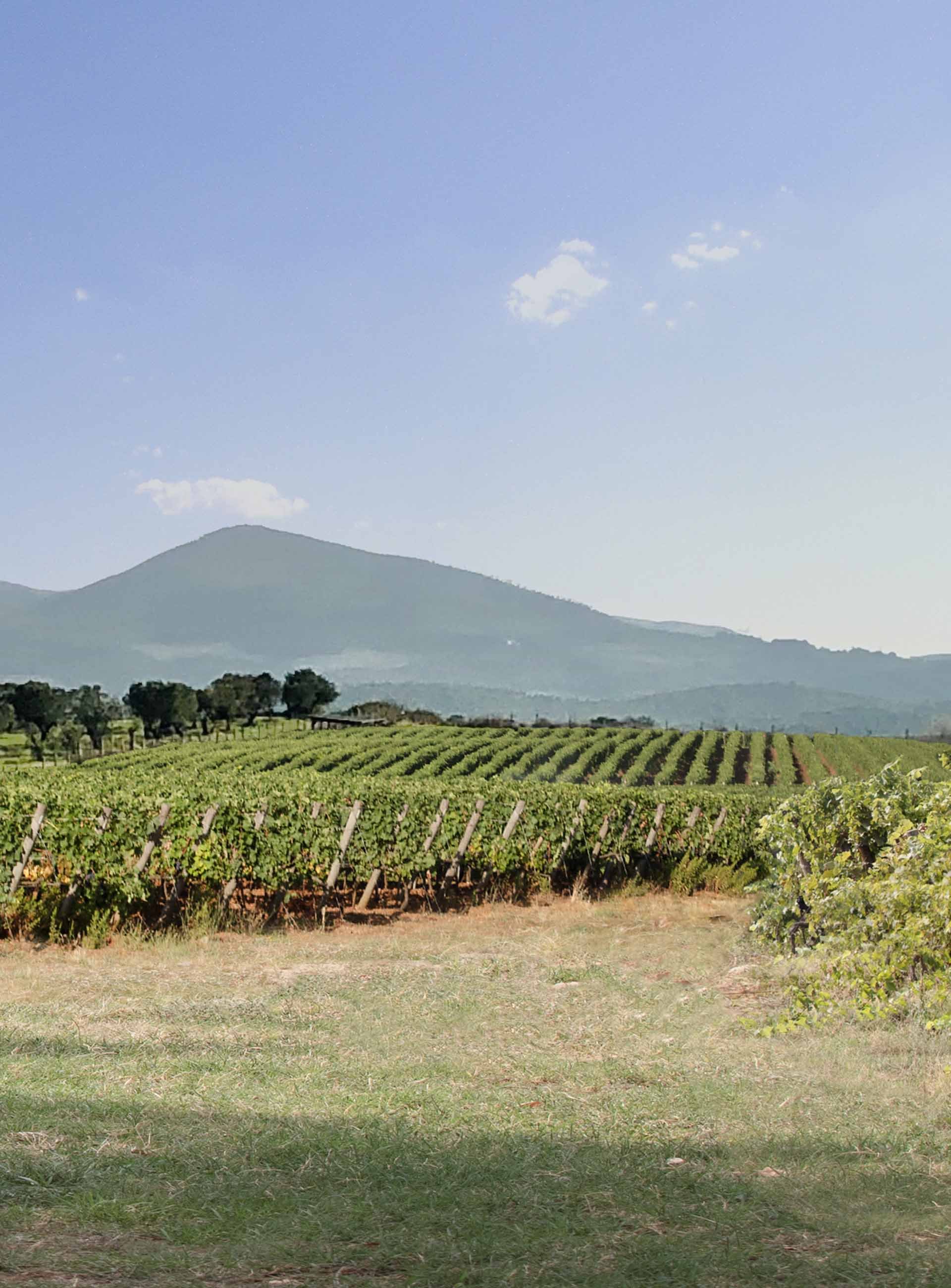
Biserno presents a measured, terroir-first character rooted in the hillside vineyards above Bibbona. The estate reads less like the sunbaked Bolgheri plains and more like a restrained, Bordeaux-inflected outpost: cooler nights and clay-rich soils give wines firmer tannins, brighter natural acidity and a red-fruit expression. Biserno is quietly serious: a refined, classic hillside property where geography and elevation drive style. Visitors encounter an environment that rewards attention to nuance: understated landscape, thoughtful viticulture and wines that reveal structure over immediacy.
Best For
This is a winery for people who come to learn as much as to taste. The copy foregrounds geography and ripening dynamics, making Biserno especially well suited to wine-focused visits that prioritize understanding site and varietal expression. Guests interested in how elevation, clay soils and diurnal temperature swings shape tannin and acidity will find the estate informative. The tone suggests a contemplative visit rather than a rowdy outing: ideal for those seeking a deeper appreciation of Bolgheri's hillside register and the more structured, Médoc‑aligned wines that result.
Tasting Tips
When exploring Biserno's wines, look for references to the estate's elevation, clay-rich subsoils and Bordeaux varieties: these are the clues to the house style. Expect blends that emphasize firmer tannins, higher acidity and a mid-palate leaning toward red-fruit expression rather than black-fruit plushness. Ask about the specific vineyard sites and vintage conditions to understand how diurnal swings shaped ripening. Framing questions around terroir and structure, rather than simply ripeness or power, yields the clearest insight into what the estate is aiming to express.
Venue details
Ambiance
Elegant and refined atmosphere amid sloping vineyard hills with a focus on terroir-driven wine excellence.
Tags
Vibe
Best For
Experience
View
At the Vineyard
- Appellation
- Bibbona Toscana IGT
- Varietals
- Cabernet Franc, Merlot, Cabernet Sauvignon, Petit Verdot, Syrah
- Tour Duration
- 60-90 minutes
- Tour Languages
- English, Italian
- Visits
- By appointment only
- Production
- Small producer
- Wine Styles
- Still Red
- Wine Club
- Not available
Know before you go
Know Before You Go
- Getting there
- Via Bolgherese, 5, 57020 Bibbona LI, Italy
Planning details
Location
Also consider
Where to look if Biserno does not fit
If Biserno is not the right match, try Le Macchiole for another serious local wine stop with strong regional relevance. If the trip needs a bigger-name anchor, prioritize Ornellaia or Tenuta San Guido before filling in the rest of the Bibbona day.
Winery context
How Biserno compares with nearby coastal Tuscan wineries
Tenuta San Guido, Ornellaia, and Masseto carry stronger collector pull, so put them first if the trip is about marquee names and cellar credibility. Biserno is the more practical fit when the goal is to understand Bibbona's place in the coastal Tuscan wine conversation without making the itinerary depend on a prestige booking.
Le Macchiole is the better cross-shop for travelers who want another serious local producer with a focused wine-first agenda. Tenuta di Biserno is the closest conceptual comparison by name and should be checked before booking to avoid confusion between listings and visit expectations.
For ambiance, expect Biserno to work better as a calm, context-building winery stop than as a polished hospitality splurge. For value, the main advantage is itinerary efficiency in Bibbona; for certainty, the bigger peers are stronger choices when published visit formats and prestige signals matter.
Explore Bibbona
Around this place
Discover more on Pearl
Unlock the full Biserno guide in Pearl, including awards, comparisons, FAQs, planning details, and nearby places.
Compare Biserno
| Venue | Location | Awards |
|---|---|---|
| Biserno | Bibbona | No published awards |
| Tenuta di Biserno | Bolgheri | 2026 Falstaff Winery Guide |
| Tenuta San Guido | Bolgheri | 2026 Falstaff Winery Guide |
| Ornellaia | Castagneto Carducci | No published awards |
| Masseto | Castagneto Carducci | 2026 Falstaff Winery Guide |
| Le Macchiole | Bolgheri | 2026 Falstaff Winery Guide |

How Biserno Bibbona compares with similar nearby venues.
FAQ
Frequently Asked Questions
What is Biserno known for?
Biserno is a Bibbona venue with weekday hours and a smart casual dress code. Tenuta di Biserno, Tenuta San Guido, and Ornellaia may also be useful comparison points for a wider itinerary.
When is the best time to visit Biserno?
Use the schedule as your guide: Biserno is open Monday to Friday from 8:30 AM to 5:30 PM and closed Saturday and Sunday. Plan for a weekday visit in Bibbona and confirm any visit-specific details in advance.
What other venues can I compare with Biserno?
For a broader comparison, consider Tenuta di Biserno, Tenuta San Guido, Ornellaia, Masseto, and Le Macchiole. Keep Biserno's details in mind: it is in Bibbona, open weekdays from 8:30 AM to 5:30 PM, closed weekends, and lists smart casual dress.