Fidélitas
Red Mountain, Benton City
Winery in Benton City, United States
 Book with Pearl
The Read
Red Mountain Terroir Precision
Price
$30–50tasting
Why go
Fidelitas is the Benton City choice for a focused, celebration-leaning winery visit where the real question is future buying or club fit. It is less suited to a loose group crawl; cross-shop Hedges Family Estate, Kiona Vineyards, and Terra Blanca Winery if flexibility or a broader tasting day matters more.
About Fidélitas
Fidelitas is a Benton City venue with a casual dress code and a Pearl 3 Star Prestige recognition for 2025.
If you are deciding whether to include Fidelitas in a Benton City itinerary, the clearest grounded reasons to consider it are the venue name, the city, the casual dress expectation, and the 2025 recognition. Specifics such as pricing, hours, reservations, group policies, and service format should be confirmed directly before you make plans.
Fidelitas: A Recognized Benton City Name
Fidelitas may be worth placing on a short Benton City shortlist because it carries a 2025 Pearl 3 Star Prestige recognition. For details on visit format, party-size suitability, booking requirements, or service programs, plan with caution and check directly before committing.
For comparison planning, you can also look at Hedges Family Estate, Kiona Vineyards, Terra Blanca Winery, Wildhorse (Barnard Griffin), and Woodward Canyon Winery. Use those names as nearby or regional reference points, but do not assume that Fidelitas shares their formats, policies, or visitor experience without checking current details.
Use Benton City as the frame for the whole day
Keep the planning frame simple: Fidelitas is in Benton City, and the dress code is casual. If you need timing, transportation, accessibility, reservation, or group information, confirm those details directly with the venue before building the rest of the day around it.
For most visitors, consider Fidelitas a recognized Benton City option. Consider it when the 2025 Pearl 3 Star Prestige recognition matters to your shortlist, and compare it with other named options such as Kiona Vineyards, Terra Blanca Winery, Hedges Family Estate, Wildhorse (Barnard Griffin), or Woodward Canyon Winery when you need a broader plan.
Planning details
- Location
- 51810 N Sunset Rd, Benton City, WA 99320
- Website
- fidelitaswines.com
- Phone
- +1 509-588-3469
The take
The Take
The Vibe
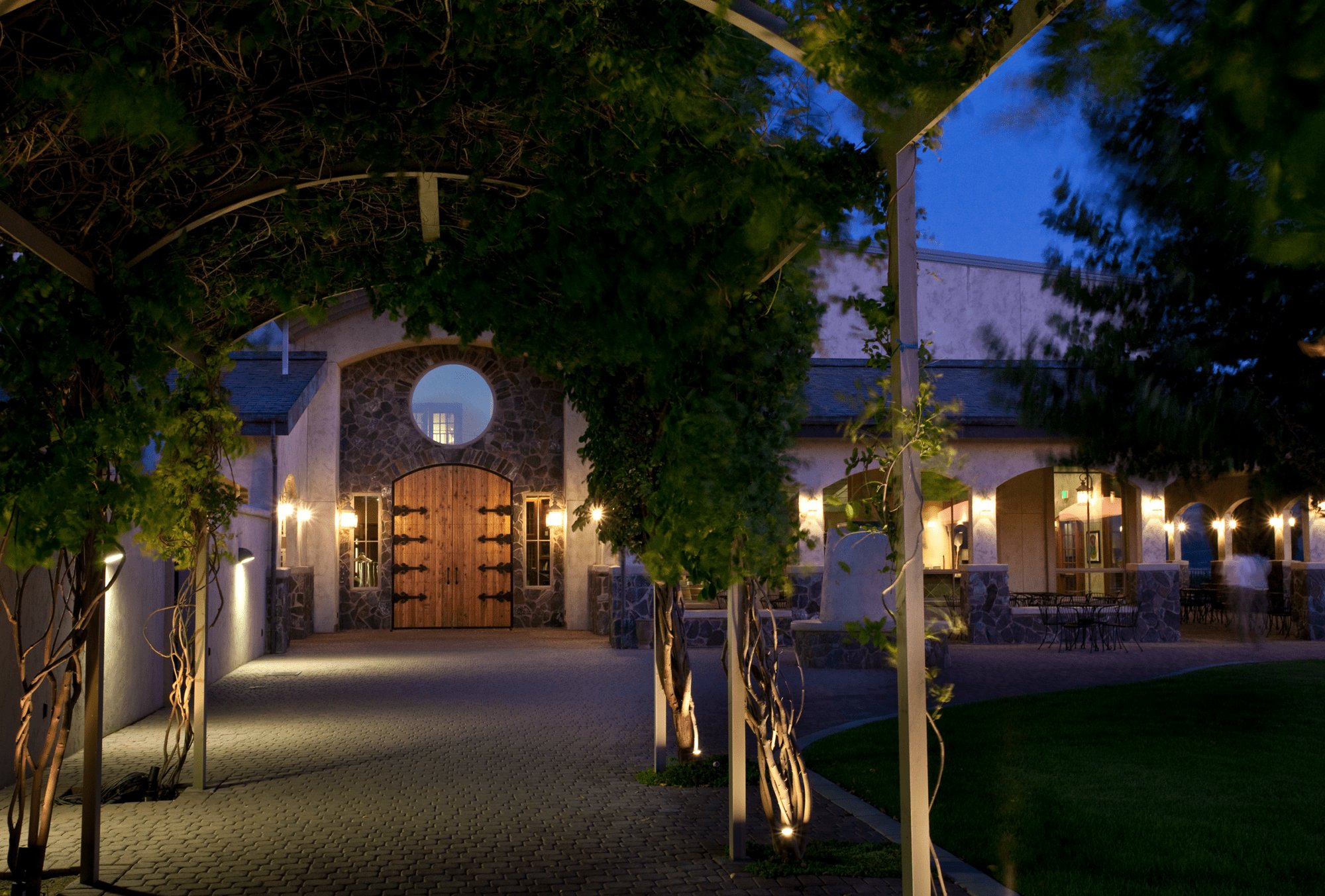
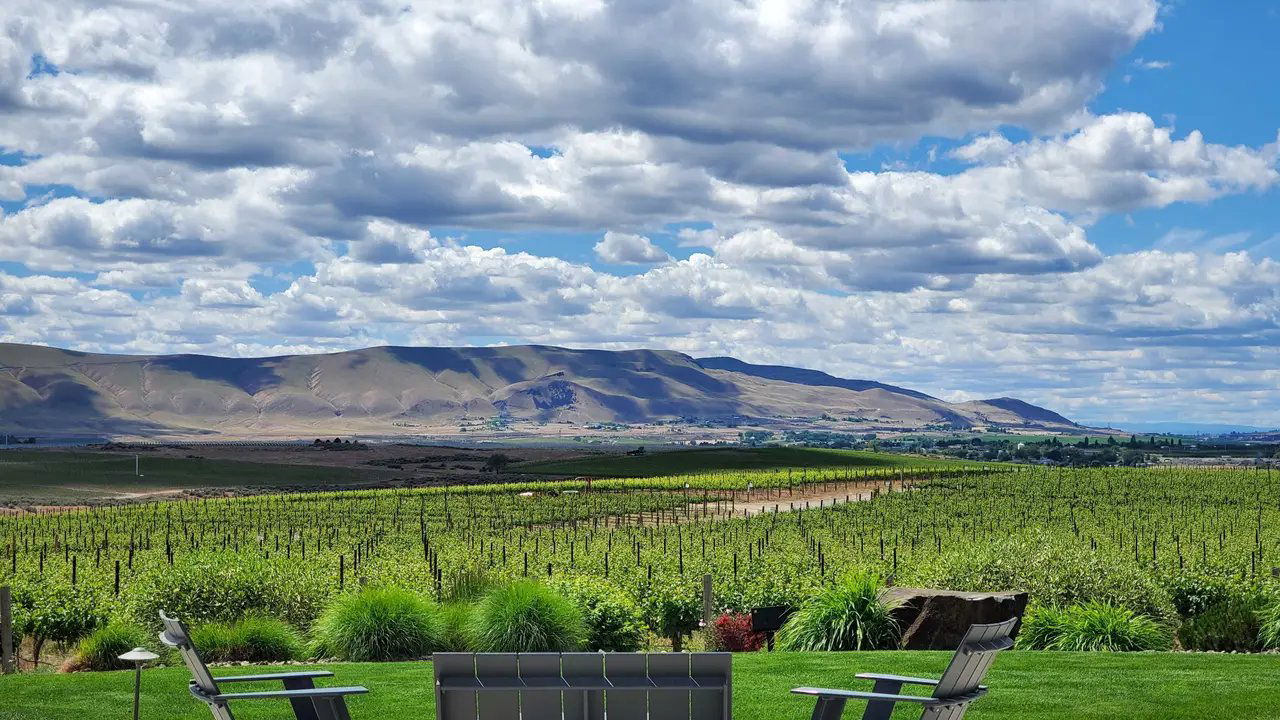
Fidelitas presents as a focused, terroir-driven Red Mountain estate that reads as classic and meticulously cultivated. The writing emphasizes the site — a southwest-facing slope with thin topsoil over basalt and a pronounced diurnal temperature swing — and frames the wines as expressions of that extreme terroir. A recent Pearl 3 Star Prestige designation underscores a reputation for consistent, elevated quality. Visiting feels like engaging with a producer that privileges site character and structural red wines over flash, offering a refined, quality-minded experience grounded in geology and climate.
Best For
Fidelitas is best for visitors who want to explore serious red-wine terroir and for small groups marking a special occasion. The estate’s placement on Red Mountain and its Pearl 3 Star Prestige recognition make it a natural stop for wine-education-minded tastings and curated visits focused on Cabernet and Merlot. It's well suited to intimate group outings or milestone celebrations where the host wants to highlight Washington’s concentrated, structurally driven wines. Because the property sits on the mountain proper, guests who appreciate vineyard context and terroir-led conversation will get the most out of a visit.
Tasting Tips
When tasting at Fidelitas, prioritize the red lineup—Cabernet and Merlot are the region’s signatures and the text explicitly ties those varieties to Red Mountain’s dark fruit and structural acidity. Ask about the Pearl 3 Star Prestige wines and any single-block or reserve bottlings that showcase the estate’s expression of basalt soils and diurnal swing. Inquire about recent vintages and barrel aging to better understand how acidity and tannin frame the fruit. For educational visits, request discussion of vineyard blocks and site-specific decisions to hear how the producer chooses to frame the mountain’s terroir.
Venue details
Ambiance
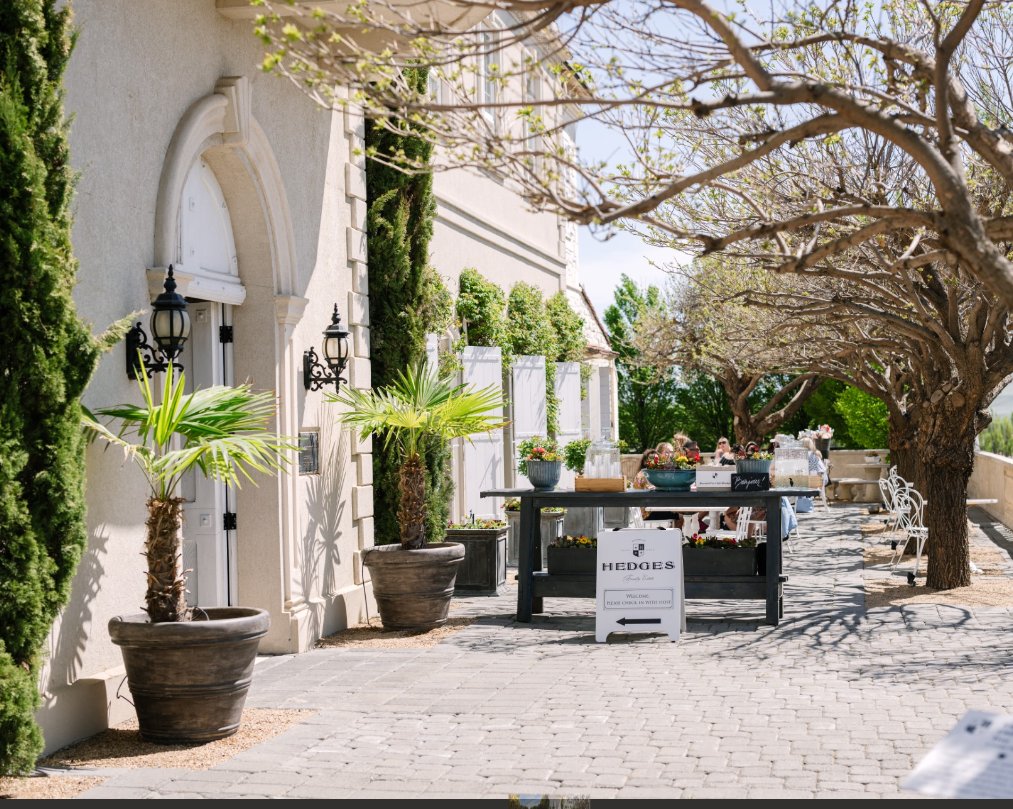
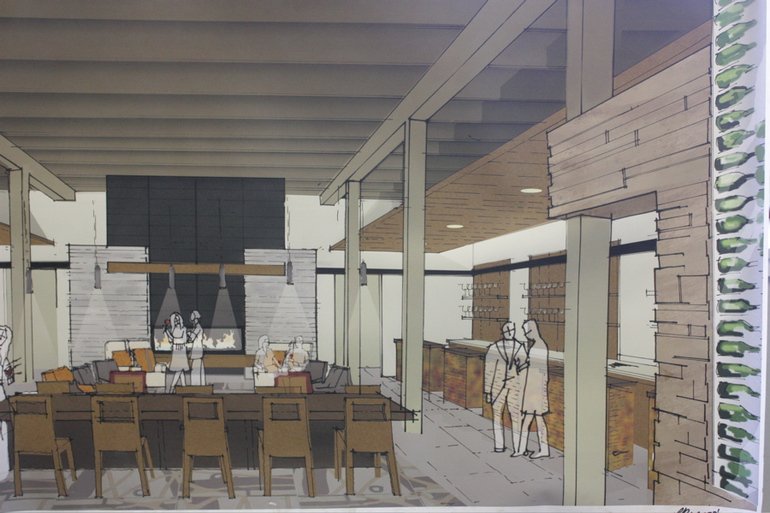
Bright, contemporary space with natural light streaming through windows; comfortable and beautiful areas designed for relaxation while tasting wines with expansive views.
Tags
Vibe
Best For
Experience
Sourcing
View
At the Vineyard
- Appellation
- Red Mountain AVA
- Varietals
- Cabernet Sauvignon, Merlot, Sauvignon Blanc, Semillon, Petit Verdot
- Tour Duration
- 45-60 minutes
- Tour Languages
- English
- Visits
- Walk-ins welcome
- Farming
- Sustainable
- Wine Styles
- Still Red, Still White, Dessert
- Food Pairing
- Offered
- Shipping
- Available
- Wine Club
- Available
Know before you go
Know Before You Go
- Getting there
- 51810 N Sunset Rd, Benton City, WA 99320
Planning details
Location
Also consider
Also Consider
- Hedges Family Estate, Notable alternative
- Kiona Vineyards, Notable alternative
- Terra Blanca Winery, Notable alternative
- Wildhorse (Barnard Griffin), Notable alternative
- Woodward Canyon Winery, Notable alternative
Winery context
How It Compares
Against Hedges Family Estate, Fidelitas reads as the more allocation-minded choice: better for visitors deciding whether to commit to future bottles, while Hedges is the easier pick when the setting is a major part of the occasion. For a date or anniversary, choose based on priority: wine-club seriousness here, ambiance-first planning at Hedges.
Kiona Vineyards is the stronger fallback for a classic Benton City winery stop when access and flexibility matter. Terra Blanca Winery works better for groups that need a broader, more relaxed stop. If the goal is a tight buying decision, Fidelitas is the sharper choice; if the goal is an easygoing itinerary, Kiona or Terra Blanca is safer.
Wildhorse (Barnard Griffin) and Woodward Canyon Winery are better cross-shops for readers expanding beyond the immediate Benton City plan. Use them when the day is built around comparing Washington producers; keep Fidelitas on the list when the visit needs to feel more selective and purchase-driven.
Explore Benton City
Around this place
Discover more on Pearl
Unlock the full Fidélitas guide in Pearl, including awards, comparisons, FAQs, planning details, and nearby places.
Compare Fidélitas
| Venue | Location | Awards |
|---|---|---|
| Fidelitas | Benton City | No published awards |
| Hedges Family Estate | Benton City | No published awards |
| Kiona Vineyards | Benton City | No published awards |
| Terra Blanca Winery | Benton City | No published awards |
| Wildhorse (Barnard Griffin) | Richland | No published awards |
| Woodward Canyon Winery | Lowden | No published awards |
How Fidelitas Benton City compares with similar nearby venues.
FAQ
Frequently Asked Questions
How long should I plan for a visit to Fidelitas?
Fidelitas is in Benton City and has a 2025 Pearl 3 Star Prestige recognition. Confirm current timing, booking, and visit format directly before planning your day.
Can Fidelitas handle large groups?
Group capacity should be checked directly. If you are planning for a larger party in Benton City, contact Fidelitas before assuming it can accommodate the group.