
Château Oumsiyat
Mtein, Bekaa Valley
Winery in Bekaa Valley, Lebanon
 Book with Pearl
The Read
Bekaa Terroir Revealed
Why go
Book Château Oumsiyat if the occasion is genuinely wine-led and the group is comfortable planning around a winery visit rather than a full meal. Its international vineyard recognition gives it credibility, but visitors who need clear food, hours, or booking detail should compare it with larger Bekaa Valley wineries first.
About Château Oumsiyat
Château Oumsiyat is a Bekaa Valley venue with two confirmed recognition points: World's 50 Best Vineyards #38 (2020) and Pearl 1 Star Prestige (2025).
The strongest grounded reason to keep Château Oumsiyat on a shortlist is its confirmed recognition. For specific visitor details such as service format, reservations, pricing, hours, and group arrangements, confirm practical details directly before building an itinerary around it.
A Bekaa Valley name with confirmed recognition
Château Oumsiyat is a Bekaa Valley venue with World's 50 Best Vineyards recognition and Pearl 1 Star Prestige status. For broader trip planning, keep a Bekaa Valley guide open alongside other relevant Bekaa Valley planning resources.
Who should cross-shop before committing
If you want to compare venues before deciding, look at Château Kefraya, Château Heritage, Château Héritage, Château Cana, and Karam Wines. Use those names as reference points, but verify each venue's current visitor format, availability, and practical details directly before making plans.
Planning details
- Location
- Matn, Mtein, Mount Lebanon,, Bekaa Valley, N/A
- Website
- chateauoumsiyat.com
The take
The Take
The Vibe
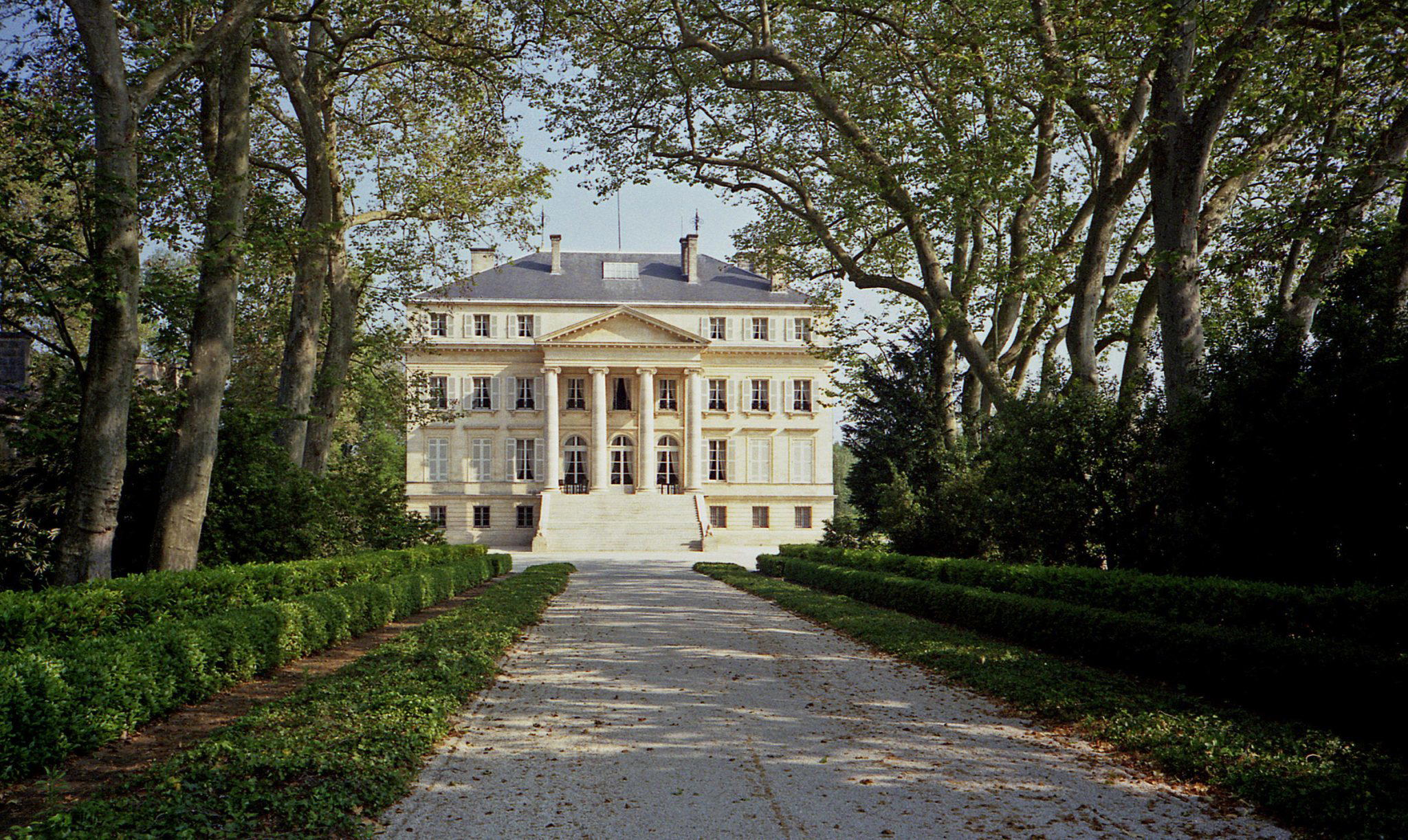
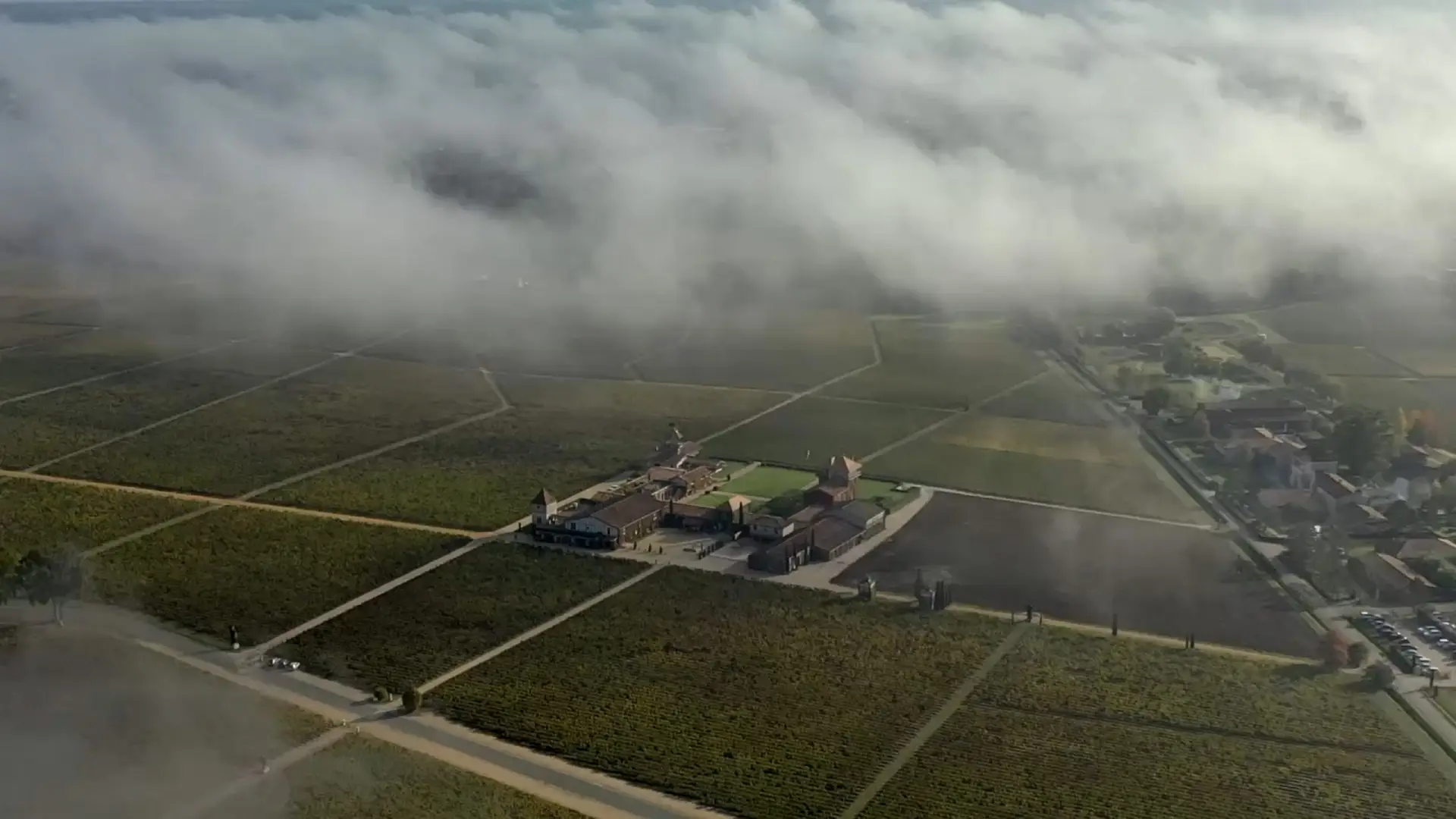
Château Oumsiyat sits in a small mountain-village landscape of limestone terraces, olive trees, and stone farmhouses, projecting a rustic, historic charm. The property reads like a place shaped by generations of hill farming rather than a sun-baked valley winery; cooler nights and sharp diurnal shifts are part of the character. The family-run estate frames its work in local history — even naming its Assyrtiko release for a Phoenician governor — which reinforces a sense of rootedness. Visitors encounter a scenic, serene mountain setting where place and tradition are central to the winery’s identity.
Best For
This estate is best for wine enthusiasts and anyone curious about terroir-driven experimentation. Château Oumsiyat is notable for planting Assyrtiko at altitude and positioning the Cuvée Membliarus as a study in place rather than imitation. The property appeals to readers and tasters who want to follow how a Mediterranean white behaves off its ancestral island soils and to those interested in Lebanese viticultural history. It suits thoughtful, educational visits focused on grapes, altitude effects, and the narrative of winemaking in Mount Lebanon.
Tasting Tips
When encountering Château Oumsiyat’s Cuvée Membliarus, focus on what the description highlights: acidity and the potential saline, citrus-driven character of Assyrtiko translated through a different soil and elevation. Taste for bright acidity and mineral impressions and consider the wine as an answer to a terroir question rather than a direct Santorini replica. Ask about vineyard elevation, day–night temperature swings, and the soils beneath the limestone terraces to better understand how those factors shape the wine’s profile.
Venue details
Ambiance
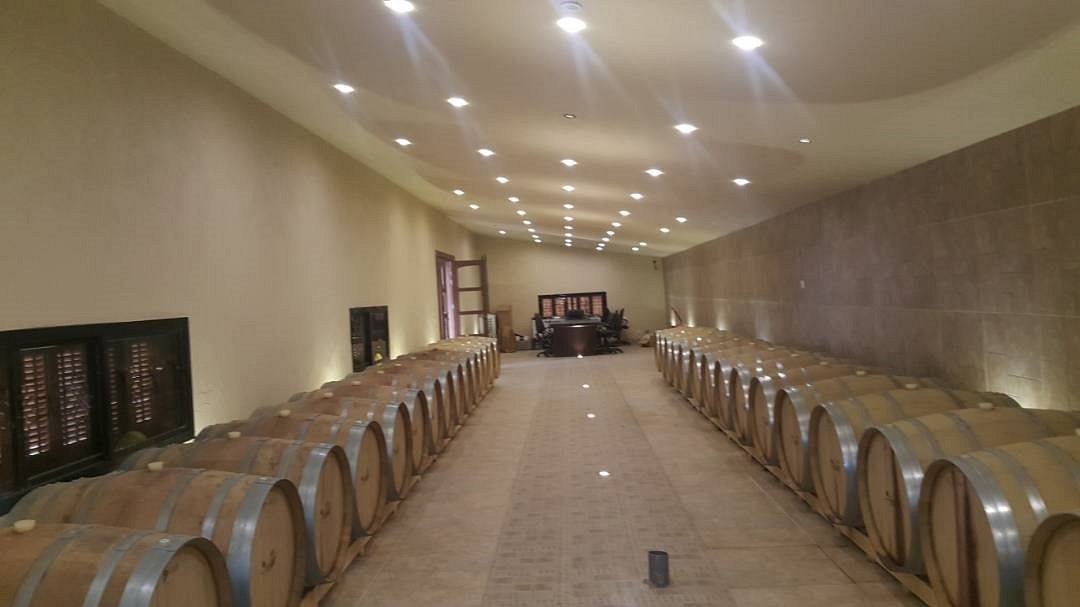
A heritage-driven, contemporary winery atmosphere with a modern production space, old cave, and a scenic mountain-valley setting that feels fresh and Mediterranean.
Tags
Vibe
Best For
Experience
View
At the Vineyard
- Appellation
- Bekaa Valley
- Varietals
- Assyrtiko, Chardonnay, Cabernet Sauvignon, Syrah, Obeidy
- Tour Duration
- 3 hours
- Visits
- By appointment only
- Farming
- Sustainable
- Production
- Large producer
- Wine Styles
- Still Red, Still White, Still Rose, Dessert
- Food Pairing
- Offered
- Founded
- 1950
- Wine Club
- Not available
Know before you go
Know Before You Go
- Getting there
- Matn, Mtein, Mount Lebanon, Bekaa Valley, N/A
Planning details
Location
Matn, Mtein, Mount Lebanon,, Bekaa Valley, N/A · Directions
Recognition and awards

Also consider
Also Consider
- Château Cana, Notable alternative
- Château Heritage, Notable alternative
- Château Héritage, Notable alternative
- Château Kefraya, Notable alternative
- Karam Wines, Notable alternative
Winery context
How Château Oumsiyat compares in the Bekaa Valley
Château Oumsiyat is the more specialist choice: better for visitors who want the tasting itself to justify the stop, less convenient for groups that need a highly visible visitor setup. Château Kefraya is the safer cross-shop for a broader winery outing, especially when ambiance and visitor infrastructure matter as much as the bottles.
For Bekaa Valley alternatives, Château Heritage and Château Héritage are the closest comparisons to check before committing. Choose them if availability or logistics matter more than chasing the harder-to-secure option. Choose Château Oumsiyat when the group is smaller, the date is special, and the wine recognition is part of the reason for going.
Château Cana and Karam Wines make more sense as wider Lebanon comparisons than direct substitutes. Use them if the day can stretch beyond the immediate Bekaa Valley plan; otherwise, keep the choice between Château Oumsiyat, Château Heritage, Château Héritage, and Château Kefraya.
Explore Bekaa Valley
Around this place
Discover more on Pearl
Unlock the full Château Oumsiyat guide in Pearl, including awards, comparisons, FAQs, planning details, and nearby places.
Compare Château Oumsiyat
| Venue | Location | Awards |
|---|---|---|
| Château Oumsiyat | Bekaa Valley | 2021 World's 50 Best Vineyards · #212020 World's 50 Best Vineyards · #38 |
| Château Cana | بحمدون | 2026 Falstaff Winery Guide2021 World's 50 Best Vineyards · #48 |
| Château Heritage | Bekaa Valley | 2026 Falstaff Winery Guide2025 World's 50 Best Vineyards · #332024 World's 50 Best Vineyards · #352021 World's 50 Best Vineyards · #392020 World's 50 Best Vineyards · #482019 World's 50 Best Vineyards · #49 |
| Château Héritage | Bekaa Valley | 2026 Falstaff Winery Guide2025 World's 50 Best Vineyards · #332024 World's 50 Best Vineyards · #352021 World's 50 Best Vineyards · #392020 World's 50 Best Vineyards · #482019 World's 50 Best Vineyards · #49 |
| Château Kefraya | Kafraya | 2026 Falstaff Winery Guide2025 World's 50 Best Vineyards · #922024 World's 50 Best Vineyards · #462023 World's 50 Best Vineyards · #41 |
| Karam Wines | Southern Lebanon | 2021 World's 50 Best Vineyards · #14 |

How Château Oumsiyat Bekaa Valley compares with similar nearby venues.
FAQ
Frequently Asked Questions
Is there a membership program at Château Oumsiyat?
Information regarding a membership program is not available. If that matters to you, confirm directly with Château Oumsiyat before making plans or comparing it with other venues.
When is the best time to visit Château Oumsiyat?
Visiting hours or seasonal guidance are not available. Plan only after confirming current availability directly with Château Oumsiyat, especially if you are arranging a Bekaa Valley trip around the stop.
Does Château Oumsiyat serve food?
Information about food service is not available. Château Oumsiyat is primarily known for its recognition rather than dining, so check directly before assuming a meal is available.
Does Château Oumsiyat offer delivery or shipping?
Information about delivery and shipping is not available. If either service matters to your plans, confirm the current policy directly with Château Oumsiyat before you go.
How long should I plan for a visit to Château Oumsiyat?
Visit duration or tour format information is not available. Confirm the current structure directly with Château Oumsiyat before deciding how much time to reserve in a Bekaa Valley itinerary.
Do I need a reservation at Château Oumsiyat?
Information about reservation requirements is not available. Contact Château Oumsiyat directly before making plans, given its recognition as World's 50 Best Vineyards #38 (2020) and Pearl 1 Star Prestige (2025).