Fighting Gully Road
Beechworth
Winery in Beechworth, Australia
 Book with Pearl
The Read
Granite-Belt Site Expression
Why go
Fighting Gully Road is worth prioritising for a serious Beechworth wine stop, especially for a date, anniversary, or hosted trip where the wine is the point. It is not the easiest choice for casual walk-ins or large groups because practical public detail is limited.
About Fighting Gully Road
Is Fighting Gully Road worth considering in Beechworth?
The practical note is simple: the dress code is casual.
Choose it for a recognised Beechworth venue, with details confirmed in advance
That recognition is useful, but it does not confirm the details of how a visit works, what may be offered, or what should be expected on the day.
For visitors planning time in Beechworth, the sensible approach is to weigh the recognition against the limited logistics.
Who should prioritise it
Prioritise Fighting Gully Road if you are specifically interested in a recognised Beechworth venue and are comfortable checking current details before visiting. It is less direct for anyone who needs information on capacity, meals, or a set visit structure before choosing where to go.
The smart move is to treat any visit details as something to verify first, then build the rest of the day around confirmed plans using Our full Beechworth restaurants guide and other Beechworth planning resources if the trip needs more than one stop.
Planning details
- Location
- Fighting Gully Rd, Beechworth VIC 3747
- Website
- fightinggullyroadwines.com.au
- Phone
- +61407261373
The take
The Take
The Vibe
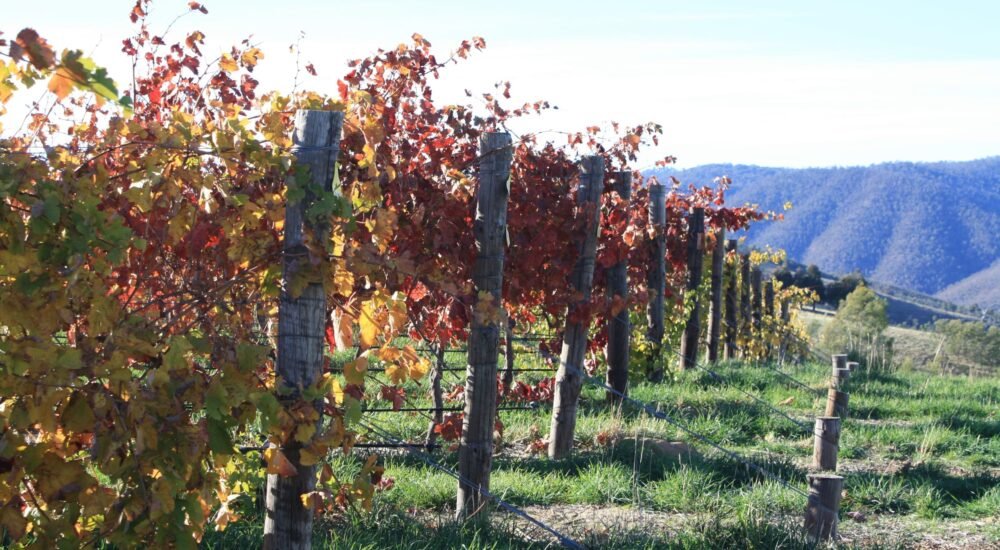
Fighting Gully Road projects a quietly assured, site‑driven personality. The copy foregrounds granite soils, high altitude and single‑vineyard thinking, placing the winery among Beechworth’s most critically watched producers. Visiting feels like stepping into a focused wine program: modest signage, rigorous viticultural intent and a peer set that includes allocation‑driven, critically lauded neighbours: all of which signal a producer for people who take provenance seriously.
Best For
This is a destination for people who want to understand how site shapes wine. The cellar door experience leans toward tasting and learning, with cool‑climate altitude, granitic soils and single‑vineyard practice. It suits solo visitors and anyone seeking a deeper conversation about vineyard expression and stylistic tension between ripeness and acidity. Because the estate is positioned alongside highly regarded regional names and carries a Prestige‑tier award, it also appeals to collectors and enthusiasts evaluating regional benchmarks.
Tasting Tips
When tasting, prioritize single‑vineyard expressions that showcase the estate’s granite soils and altitude‑born tension. Structure, acidity and cool‑fruit character are regional hallmarks, and Shiraz has a peppered, cool‑fruit profile, so seek out Shiraz alongside any reserve or single‑site releases. Ask staff about site differences and vintage variation to hear how ripeness and acidity are managed across parcels.
Venue details
Ambiance
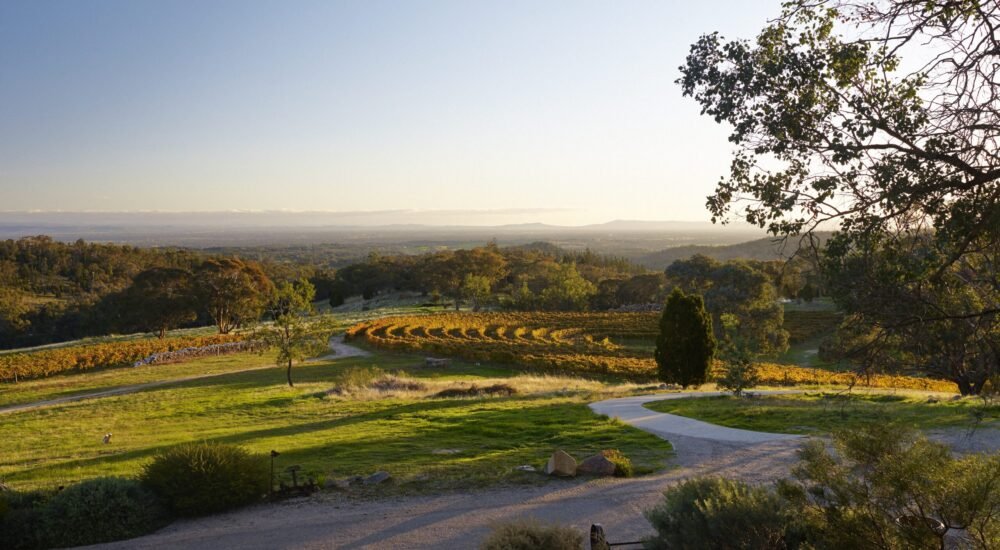
Historic industrial setting with a spirit of experimentation, amidst stunning gardens on golden granite hillsides.
Tags
Vibe
Best For
Experience
Sourcing
View
At the Vineyard
- Appellation
- Beechworth
- Varietals
- Chardonnay, Cabernet Sauvignon, Sangiovese, Pinot Noir, Tempranillo
- Visits
- By reservation
- Farming
- Sustainable
- Production
- Small producer
- Wine Styles
- Still Red, Still White
- Wine Club
- Not available
Know before you go
Know Before You Go
- Getting there
- Fighting Gully Rd, Beechworth VIC 3747
Planning details
Location
Also consider
Where to look if this is hard to secure
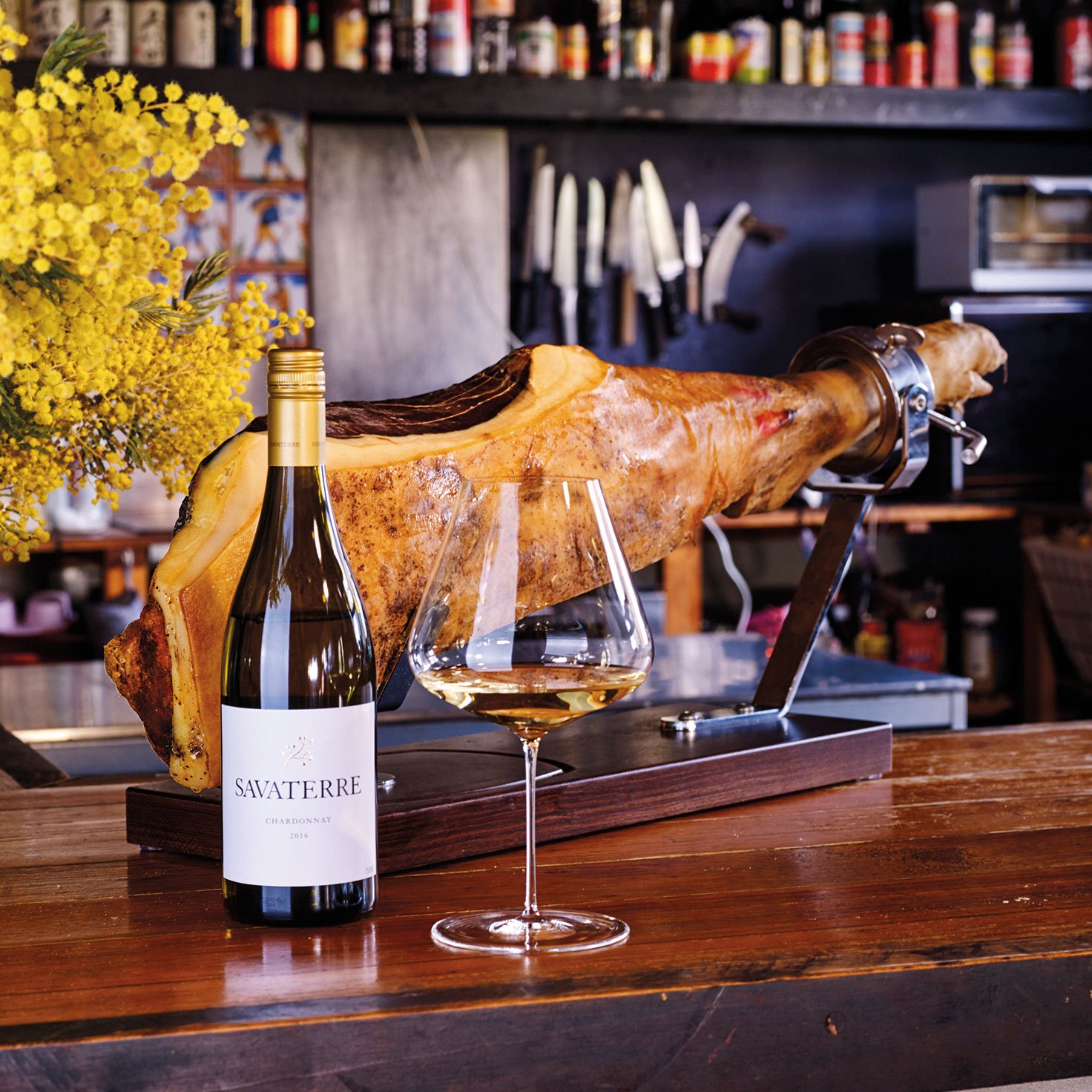
If Fighting Gully Road is not workable for the date, try Eldorado Road for a more flexible Beechworth alternative, or Savaterre if the group still wants a serious local wine stop.
Winery context
How it compares in Beechworth
Choose Fighting Gully Road when the priority is a serious, high-intent winery stop rather than the easiest cellar-door day. Against Eldorado Road, Sorrenberg, Savaterre, and Giaconda, the main reason to place it high on the list is the recognition signal and the sense that this is a planned wine stop, not a filler between meals.
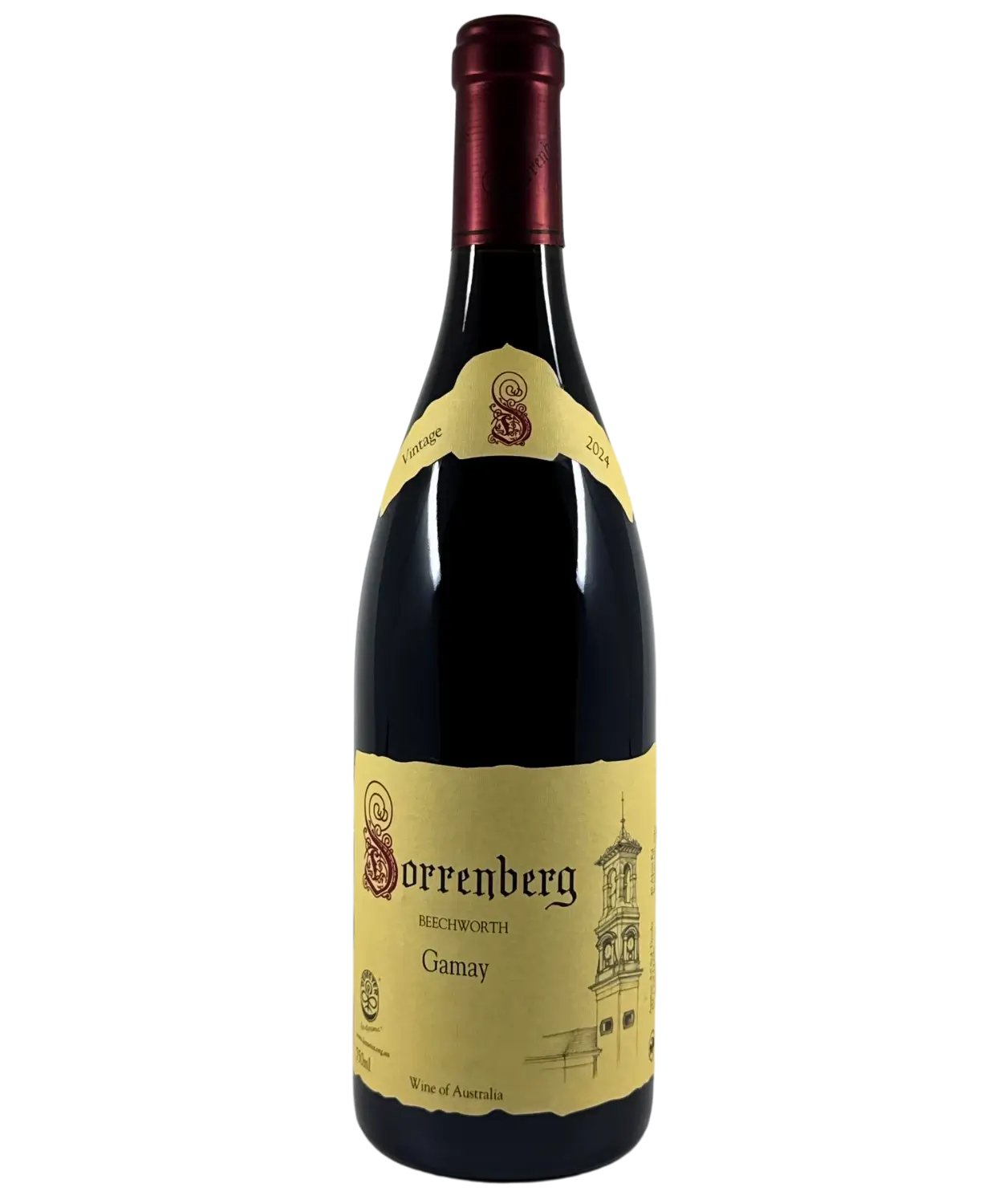
If ease matters, cross-shop first. Eldorado Road is the more relaxed comparison for visitors trying to keep the day flexible. Sorrenberg and Savaterre make sense for travellers building a compact Beechworth wine circuit. Giaconda is the one to compare when the trip is built around scarce, serious wine appointments.
Brown Brothers is the safer call for groups that want broader hospitality cues and lower planning friction outside the immediate Beechworth set. Fighting Gully Road is the better fit when the group is smaller, the occasion is more focused, and the booking itself is part of the value.
Explore Beechworth
Around this place
Discover more on Pearl
Unlock the full Fighting Gully Road guide in Pearl, including awards, comparisons, FAQs, planning details, and nearby places.
Compare Fighting Gully Road
| Venue | Location | Awards |
|---|---|---|
| Fighting Gully Road | Beechworth | No published awards |
| Eldorado Road | Beechworth | No published awards |
| Sorrenberg | Beechworth | No published awards |
| Savaterre | Beechworth | No published awards |
| Giaconda | Beechworth | 2026 Falstaff Winery Guide |
| Brown Brothers | King Valley | No published awards |

How Fighting Gully Road Beechworth compares with similar nearby venues.