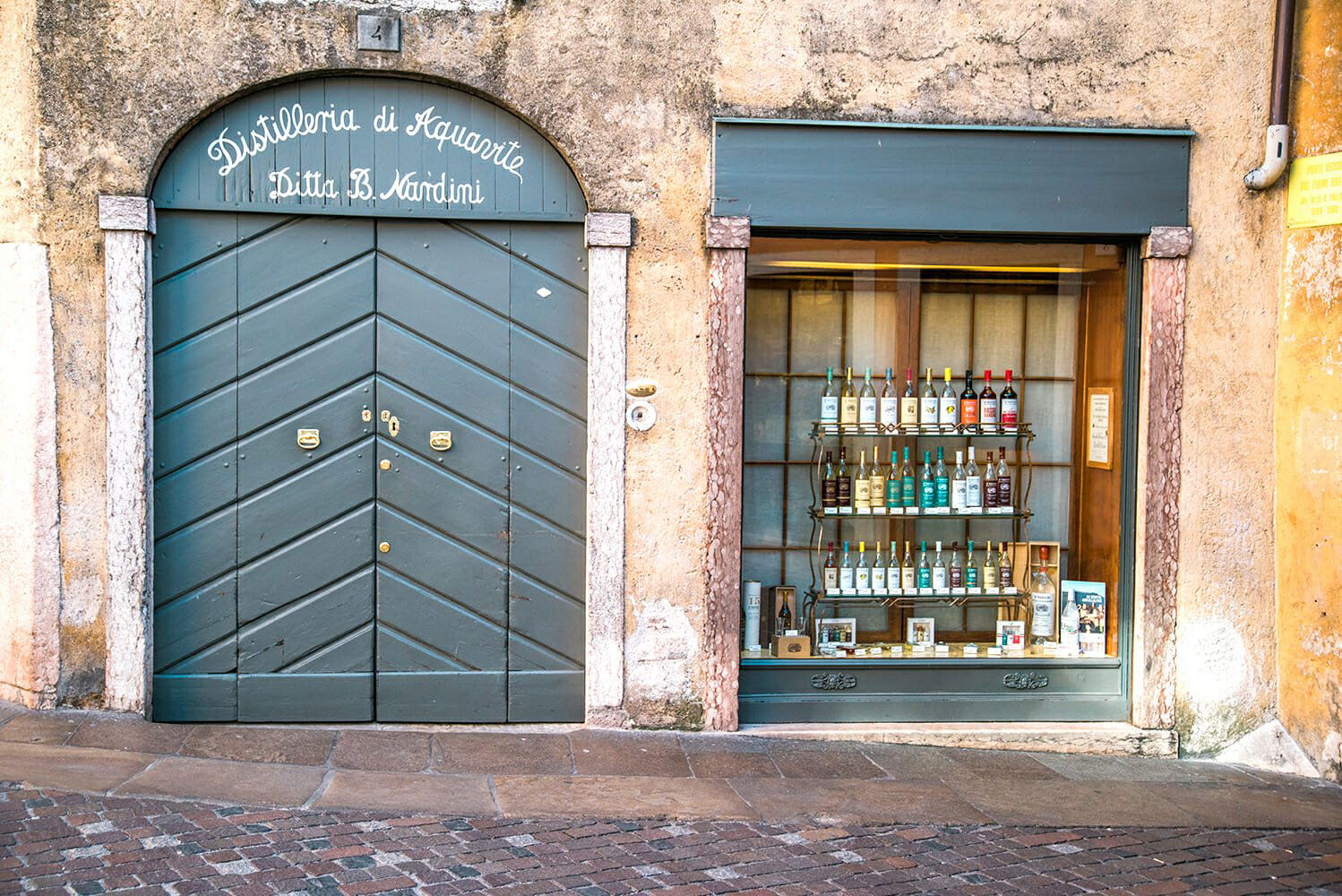
Distilleria Nardini
Bassano del Grappa
Winery in Bassano del Grappa, Italy
 Book with Pearl
The Read
Grappa-Source Distillery Bar
Price
$30–50tasting
Why go
Distilleria Nardini is worth planning around if Bassano del Grappa and grappa culture are the reason for the trip. Treat it as a focused spirits stop rather than a food-led tasting, and pair it with a separate restaurant or bar plan in town.
About Distilleria Nardini
Is Distilleria Nardini worth planning around in Bassano del Grappa? It can be, especially for travelers who want a Pearl 2 Star Prestige (2025) venue on the itinerary. Beyond that recognition and a smart-casual dress code, specific public-facing details such as visit format, service style, pricing, hours, reservations, and practical structure may vary, so plan with flexibility.
Use Distilleria Nardini as a Bassano del Grappa stop to confirm directly before you go, rather than building the day around assumptions. If you are comparing options in the area, you can also look at other Bassano del Grappa dining and venue choices through our full Bassano del Grappa restaurants guide.
Book this for confirmed recognition, not visit details
The safest planning advice is simple: do not make the decision around a specific format, timed experience, service structure, lunch service, or other practical detail unless Distilleria Nardini confirms it for your date. The venue carries Pearl 2 Star Prestige (2025) recognition in Bassano del Grappa and a smart-casual dress code; it does not specify a particular visit format.
For Bassano del Grappa specifically, treat Distilleria Nardini as one candidate within a broader itinerary. If you need a fuller plan around timing, food, or other services, compare other dining in Bassano del Grappa generically and confirm current details directly with each venue before booking.
How to cross-shop it with comparable names
If you are comparing named venues, keep the comparison focused and factual. Distilleria F.lli Brunello, Distilleria Schiavo, Distilleria Zanin, Fratelli Barbieri, and Poli Distillerie are natural names to consider alongside Distilleria Nardini, while other Bassano del Grappa options can be considered generically depending on your plans.
The booking call is cautious but clear: prioritize Distilleria Nardini when a Pearl 2 Star Prestige (2025) venue in Bassano del Grappa fits your route, and confirm practical details before committing. For travelers who need a guaranteed meal, specific format, or detailed service plan, verify those points directly rather than relying on assumptions.
Planning details
- Location
- Via Madonna di Monte Berico, 7, 36061 Bassano del Grappa VI
- Website
- nardini.it
- Phone
- +39 0424 227741
The take
The Take
The Vibe
Distilleria Nardini reads like a living monument: its eighteenth‑century operation sits at the wooden Ponte Vecchio where the Brenta River meets the still, and the rebuilt covered bridge frames the surrounding hills. The writing is literal—architecture, geography and production align—so visiting feels like encountering a place that has shaped a national spirit. Attention is on provenance and craft rather than gimmickry; the site’s continuity and the recent 2025 Pearl 2 Star Prestige award underscore a seriousness that complements the quietly dramatic riverside setting.
Best For
This is a must for people interested in wine education and spirits history: the text foregrounds terroir, grape‑pomace origins and the role of local varieties, making the distillery ideal for structured tastings and learning. It also suits group outings and special occasions where the riverside setting and historic architecture add ceremony to a visit. Travelers seeking a cultural, celebratory stop in Bassano del Grappa will find the combination of place, production and prestige especially rewarding.
Tasting Tips
Focus questions and tastings on provenance: ask about the grape pomace varieties named—Glera, Moscato and Vespaiola—and how each influences aromatic character after distillation. Look for references to the distillery's long continuity and recent 2025 Pearl 2 Star Prestige award when choosing bottlings. Approach the site from the historic centre and take time at the Ponte Vecchio to orient yourself to the catchment that feeds the distillery; that view helps you understand the link between the surrounding vineyards and the grappa you taste.
Venue details
Ambiance
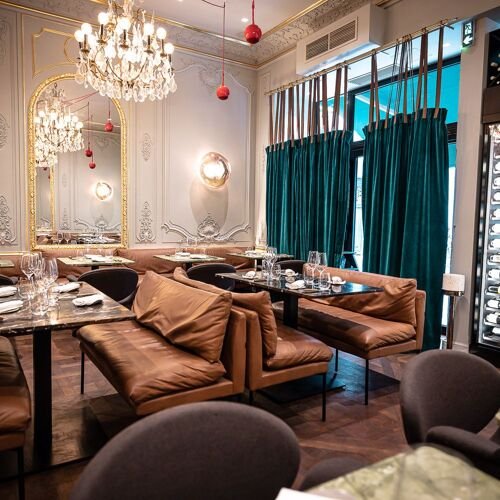
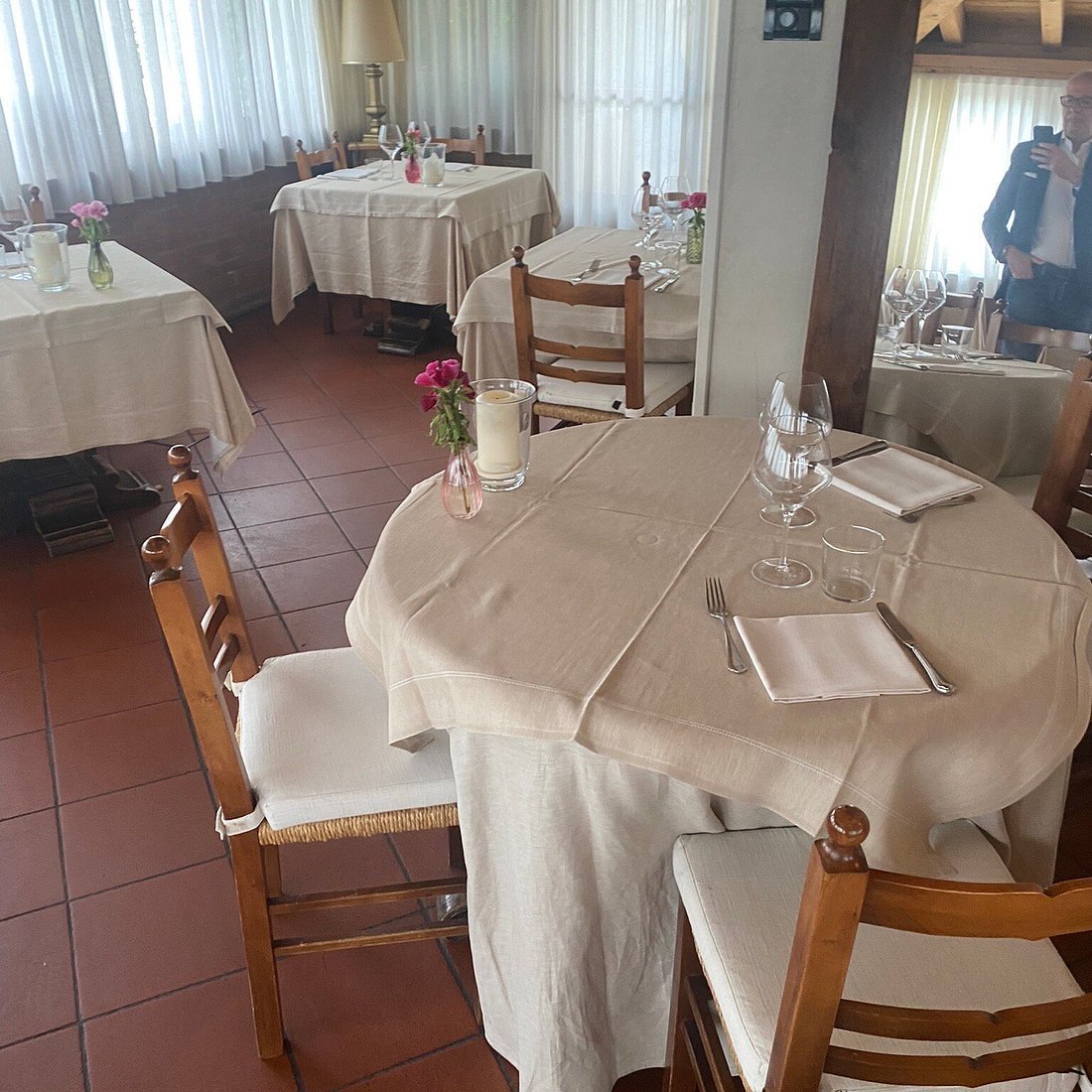
Historic yet contemporary atmosphere with elegant tasting rooms overlooking the River Brenta, featuring a modern research and visitor center inaugurated in 2004 with glass, steel, and wood materials reflecting grappa production heritage.
Tags
Vibe
Best For
Experience
Sourcing
View
Accessibility
At the Vineyard
- Appellation
- Veneto
- Varietals
- Merlot, Cabernet Sauvignon, Pinot Grigio, Pinot Bianco, Friuliano
- Tour Duration
- 90-120 minutes
- Tour Languages
- Italian, English
- Visits
- By appointment only
- Farming
- Sustainable
- Wine Styles
- Fortified
- Shipping
- Available
- Wine Club
- Not available
Know before you go
Know Before You Go
- Getting there
- Via Madonna di Monte Berico, 7, 36061 Bassano del Grappa VI
Planning details
Location
Also consider
If You Can't Make This Work
Try Poli Distillerie first if the goal is still grappa and you want the closest category match. Choose Distilleria Zanin instead if your itinerary is more flexible and you want a broader Veneto distillery comparison.
Winery context
How It Compares
Distilleria Nardini is the pick for travelers who want the Bassano del Grappa visit to feel anchored in grappa heritage and a quieter, more focused tasting mood. Poli Distillerie is the clearest cross-shop if you want another grappa producer in the area, while Distilleria Zanin is better suited to visitors comparing broader Veneto distilling traditions rather than centering the day on Bassano alone.
For value, the smarter choice depends on itinerary shape, not just spend. If you are already in Bassano del Grappa, Nardini is easier to justify because the location does more of the work. If you are building a wider Veneto spirits day, compare Distilleria Schiavo and Distilleria F.lli Brunello before committing, especially if your group wants a lower-key producer visit rather than a name-led stop.
Fratelli Barbieri is the better cross-shop for travelers who care more about Italian spirits as a category than about grappa's Bassano identity. Nardini is the stronger call for ambiance and sense of place; the others make more sense when booking ease, routing, or a broader producer comparison matters more.
Explore Bassano del Grappa
Around this place
Discover more on Pearl
Unlock the full Distilleria Nardini guide in Pearl, including awards, comparisons, FAQs, planning details, and nearby places.
Compare Distilleria Nardini
| Venue | Location | Awards |
|---|---|---|
| Distilleria Nardini | Bassano del Grappa | No published awards |
| Poli Distillerie | Schiavon (Vicenza) | No published awards |
| Distilleria Zanin | Zugliano | No published awards |
| Distilleria Schiavo | Costabissara | No published awards |
| Distilleria F.lli Brunello | Montegalda | No published awards |
| Fratelli Barbieri | Padua | No published awards |
How Distilleria Nardini Bassano del Grappa compares with similar nearby venues.
FAQ
Frequently Asked Questions
What is about Distilleria Nardini?
Distilleria Nardini is a Pearl 2 Star Prestige (2025) venue in Bassano del Grappa with a smart-casual dress code.
Does Distilleria Nardini serve food?
Food service details are not specified. Do not plan this as a meal stop unless the venue confirms the current offering directly.
How long should I plan for a visit to Distilleria Nardini?
Are shipping, delivery, or take-out services available?
Shipping, delivery, and take-out details are not specified, so do not count on those services without confirming directly with the venue.