The Standish Wine Co
Light Pass, Barossa Valley
Winery in Barossa Valley, Australia
 Book with Pearl
The Read
Northern Barossa Shiraz Precision
Why go
The Standish Wine Co is worth prioritising if the goal is allocation access and serious Barossa cellar-building, not an easygoing tasting-room stop. First-time Barossa visitors may find Wolf Blass or Elderton simpler to plan, but collectors should treat this as a higher-effort, higher-reward choice.
About The Standish Wine Co
Is The Standish Wine Co worth considering in Barossa Valley? Yes, if you are building a carefully chosen itinerary and want a venue with Pearl 2 Star Prestige (2025). Confirm visit format, release process, menu, price, or visitor setup directly with the venue.
For comparison, Wolf Blass or Elderton may also be useful names to consider when shaping a Barossa Valley day. Evaluate The Standish Wine Co based on its 2025 Pearl 2 Star Prestige recognition and its Barossa Valley setting, confirming current details with the venue.
Book this with direct confirmation, not assumptions
The Standish Wine Co has a casual dress code and Pearl 2 Star Prestige recognition for 2025. However, details such as visit availability, booking process, access, pricing, food, ordering, and visitor format should be checked directly with the venue before you go. If you prefer a day with clearer logistics, compare it with other Barossa Valley options such as Kaesler Wines or Elderton while you plan.
For anyone returning to the region, use this as one possible Barossa Valley stop and confirm the practical details before building the rest of the day around it. Keep broader Barossa research in our full Barossa Valley wineries guide, then cross-check regional meals, stays, and after-hours options through our full Barossa Valley restaurants guide, our full Barossa Valley hotels guide, and our full Barossa Valley bars guide. If the plan needs a different kind of day, use our full Barossa Valley experiences guide instead of adding another stop by default.
Where it sits in a serious Barossa shortlist
Think of The Standish Wine Co as a Barossa Valley venue requiring careful confirmation of visit details. Spinifex is another name to consider, while Wolf Blass may suit travellers comparing a broader range of Barossa Valley options. The Standish Wine Co is most useful in a shortlist when you are comfortable checking the current details directly and want its Pearl recognition in the mix.
For a wider itinerary, build around known contrasts rather than assuming The Standish Wine Co offers a particular format. Elderton, Kaesler Wines, Sami-Odi, Spinifex, and Wolf Blass are natural names to compare while planning around Barossa Valley and regional travel. Use direct venue channels for current booking, access, and visit information before treating any stop as fixed.
Planning details
- Location
- 319 Kalimna Rd, Nuriootpa SA 5355
- Website
- standishwineco.com
- Phone
- +61 407 366 673
The take
The Take
The Vibe
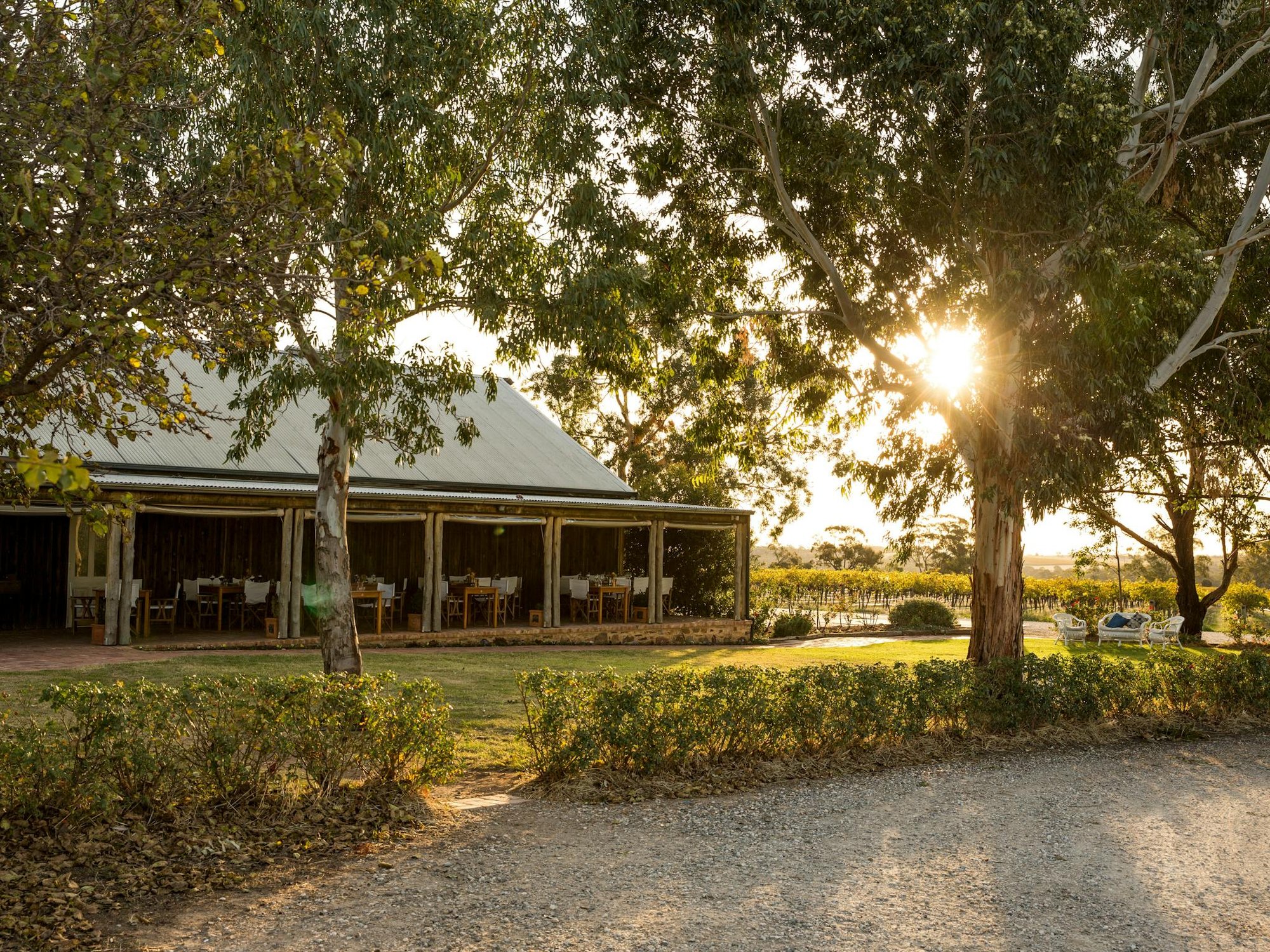
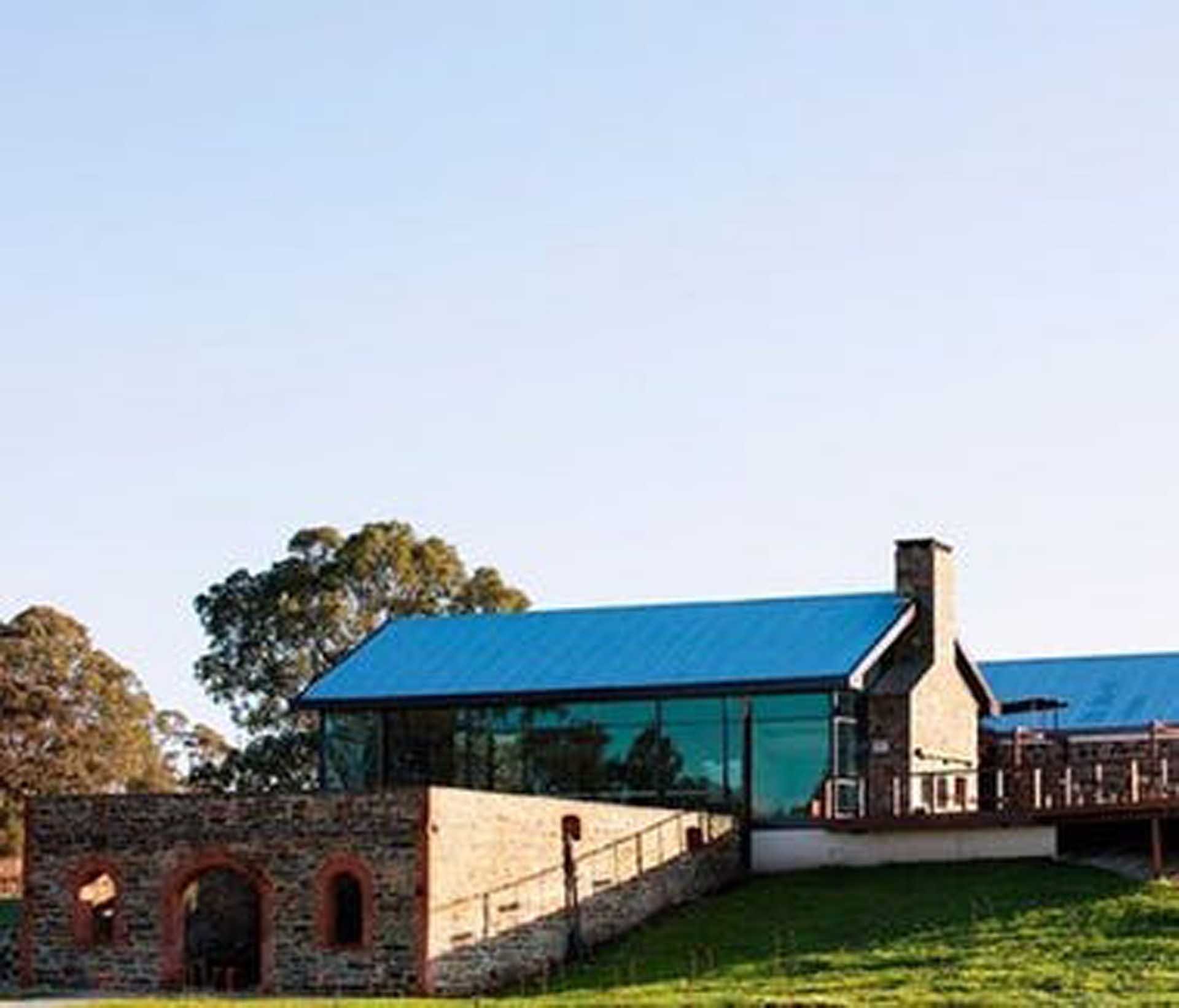
Standish Wine Co sits quietly on a lesser-traveled stretch of Kalimna Road, where late-afternoon light settles across vines that in some cases predate Federation. The writing positions the estate within one of the Barossa’s most historically significant viticultural precincts, so the feel is rooted in provenance and age rather than spectacle. At the same time, the Pearl 2 Star Prestige rating and discussion of limited-production, provenance-specific wines give the place a quietly refined, collector-minded air. It reads as a thoughtful, scenic Barossa stop for people who value old vines and considered craft over busier cellar-door experiences.
Best For
This is a stop for serious wine visitors: collectors, students of terroir, and anyone drawn to old-vine Shiraz and tightly produced bottlings. The text frames Standish as part of the Barossa’s prestige tier, which suits special-occasion visits and focused wine education; its placement off the main tourist corridor also makes it a good choice for solo exploration or a reflective tasting away from crowds. Visitors looking for breadth of production or casual, high-traffic cellar-door energy should expect a different experience; Standish is pitched toward provenance, history and limited-release wines.
Tasting Tips
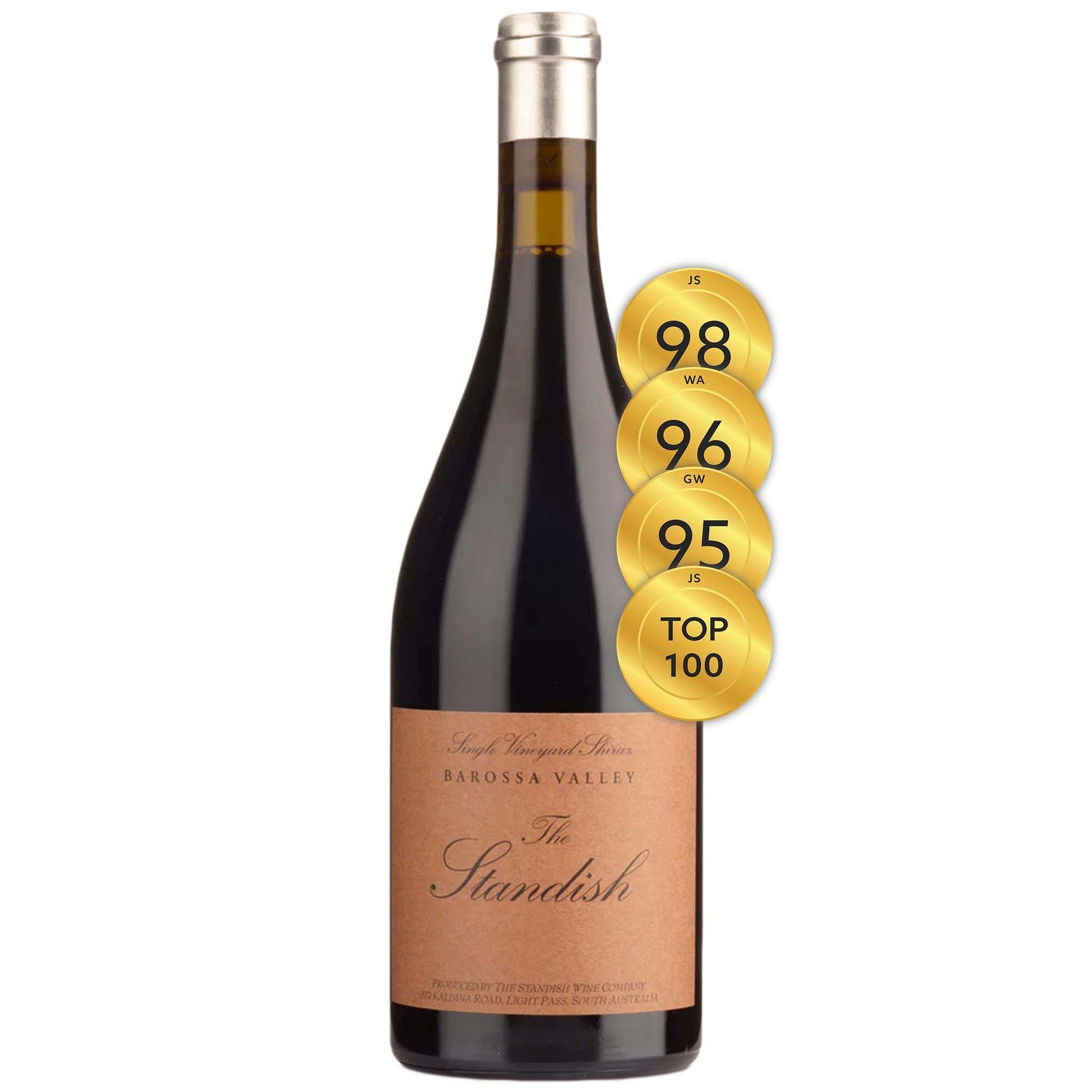
When engaging with Standish’s range, prioritize provenance-specific and old-vine expressions: the description emphasizes Kalimna’s historic Shiraz blocks and notes the producer’s placement in the region’s prestige bracket. Expect limited-production bottles rather than high-volume labels, so seek out single-block or vineyard-designate releases and be mindful that allocation-style bottlings are common at this level. The Pearl 2 Star Prestige rating signals critic-driven releases that appeal to collectors, so note label and vintage provenance when choosing and consider following release or allocation information if you plan to acquire bottles for cellar or special occasions.
Venue details
Ambiance
Quiet and tucked-away setting off the tourist path, emphasizing understated allure and focus on wine purity without flashy marketing.
Tags
Vibe
Best For
Experience
Sourcing
View
At the Vineyard
- Appellation
- Barossa Valley
- Varietals
- shiraz, viognier
- Tour Duration
- 60-90 minutes
- Visits
- By appointment only
- Farming
- Sustainable
- Wine Styles
- Still Red
- Wine Club
- Available
Know before you go
Know Before You Go
- Getting there
- 319 Kalimna Rd, Nuriootpa SA 5355
Planning details
Location
Also consider
Where to look if access is tight
If this is too hard to secure, try Sami-Odi for another serious Barossa allocation play, or Elderton for a more straightforward regional visit. For groups, Wolf Blass is the safer practical choice.
Winery context
How it compares in Barossa Valley
Against Wolf Blass, The Standish Wine Co is the more collector-led call. Wolf Blass is the safer option for groups, easier logistics, and a more conventional Barossa visit; The Standish Wine Co is the better fit when allocation value matters more than convenience.
Elderton and Kaesler Wines are stronger picks for visitors who want a less demanding day in the region. Choose them when the priority is hospitality flow and a clearer cellar-door experience. Choose The Standish Wine Co when the purchase decision is the point of the visit.
Spinifex and Sami-Odi are the closer cross-shops for serious drinkers. Spinifex suits a more exploratory Barossa tasting plan; Sami-Odi suits readers who also accept scarcity as part of the appeal. The Standish Wine Co belongs in that harder-to-secure lane rather than the easy-booking lane.
Explore Barossa Valley
Around this place
Discover more on Pearl
Unlock the full The Standish Wine Co guide in Pearl, including awards, comparisons, FAQs, planning details, and nearby places.
Compare The Standish Wine Co
| Venue | Location | Awards |
|---|---|---|
| The Standish Wine Co | Barossa Valley | No published awards |
| Wolf Blass | Barossa Valley | 2026 Falstaff Winery Guide |
| Elderton | Barossa Valley | 2026 Falstaff Winery Guide |
| Spinifex | Barossa Valley | No published awards |
| Sami-Odi | Barossa Valley | No published awards |
| Kaesler Wines | Barossa Valley | 2026 Falstaff Winery Guide |

How The Standish Wine Co Barossa Valley compares with similar nearby venues.
FAQ
Frequently Asked Questions
What is The Standish Wine Co known for?
The Standish Wine Co is in Barossa Valley and holds Pearl 2 Star Prestige (2025). Other specific claims about its wines, service style, or visitor experience should be confirmed directly with the venue.
Where is The Standish Wine Co located?
The Standish Wine Co is located in Barossa Valley.