John Duval Wines
Tanunda, Barossa Valley
Winery in Barossa Valley, Australia
 Book with Pearl
The Read
Old-Vine Barossa Precision
Price
$50–100tasting
Why go
Book John Duval Wines if the Barossa trip is about focused producer tasting rather than estate theatrics. Its Artisans of Barossa setting makes it efficient for serious comparison, but it is a plan-ahead stop and less suited to visitors who mainly want sprawling grounds or a casual walk-in cellar-door afternoon.
About John Duval Wines
John Duval Wines is a Barossa Valley venue with a smart casual dress code and Pearl 2 Star Prestige recognition for 2025. Practical details such as visit format, address, opening hours, prices, group capacity, available offerings, and booking requirements should be checked directly with the venue before planning a visit.
For travellers comparing Barossa Valley venues, John Duval Wines can be considered alongside Château Tanunda, Kaesler Wines, Langmeil, Peter Lehmann, and St Hallett. Use those comparisons as a way to shape the day around your preferred pace, setting, and level of planning.
A Barossa Valley venue with limited public detail
The strongest confirmed facts are direct: John Duval Wines is in Barossa Valley, the dress code is smart casual, and it holds Pearl 2 Star Prestige recognition for 2025. That makes it a notable name to consider, but it does not confirm a specific tasting style, service format, address, menu, price point, or visit length.
Because those practical details need to be confirmed directly, treat John Duval Wines as a venue to check before arrival. If you are building a broader Barossa Valley day, compare it naturally with Château Tanunda, Peter Lehmann, Langmeil, Kaesler Wines, or St Hallett, depending on the kind of visit you want.
Where to place it in a Barossa Valley day
John Duval Wines fits best into planning as a recognised Barossa Valley venue rather than as a place with a confirmed public itinerary. Keep the surrounding schedule flexible until you have checked current details with the venue. For dining and accommodation planning around the region, use Our full Barossa Valley restaurants guide and Our full Barossa Valley hotels guide.
Consider John Duval Wines if you are prioritising confirmed recognition and a smart casual dress code in Barossa Valley. For a broader itinerary, use Our full Barossa Valley wineries guide, Our full Barossa Valley bars guide, and Our full Barossa Valley experiences guide.
Planning details
- Location
- Artisans of Barossa, 24 Vine Vale Rd, Tanunda SA 5352
- Website
- johnduvalwines.com
- Phone
- +61 8 8562 2266
The take
The Take
The Vibe
John Duval Wines reads like a prestige-tier, small‑producer cellar door within the Barossa’s artisan lane. It sits among credentialed, old‑vine makers and operates inside the Artisans of Barossa collective, so the feeling is more focused and low‑key than commercial. Tastings are modest in scale and built around single‑region typicity and limited allocations, which gives visits an intimate, contemplative edge. The experience rewards attention: this is a place for people who want to study varietal expression and vineyard provenance rather than breezing through broad, entry‑level flights.
Best For
This is a stop for travellers on a serious tasting itinerary and anyone prioritising wine education over casual sampling. Named as a prestige producer and singled out for small, focused tastings, John Duval Wines suits visitors who want to dig into single‑region typicity and older‑vine expressions. It’s especially appropriate for those planning a curated Barossa visit—people who make time for concentrated pours, compare vintages or sites, and value conversations about allocation and style rather than large‑group, drop‑in cellar‑door visits.
Tasting Tips
Expect smaller, more focused tastings rather than broad commercial flights. Because the producer emphasizes limited allocations and old‑vine expressions, plan to spend time on each pour and approach the visit with a tasting mindset: ask about vineyard sources, single‑region intent and recent vintages. The collective setting and the emphasis on prestige bottlings mean allocations may be tight, so be prepared for limited availability and to prioritise the wines you most want to explore during the visit.
Venue details
Ambiance
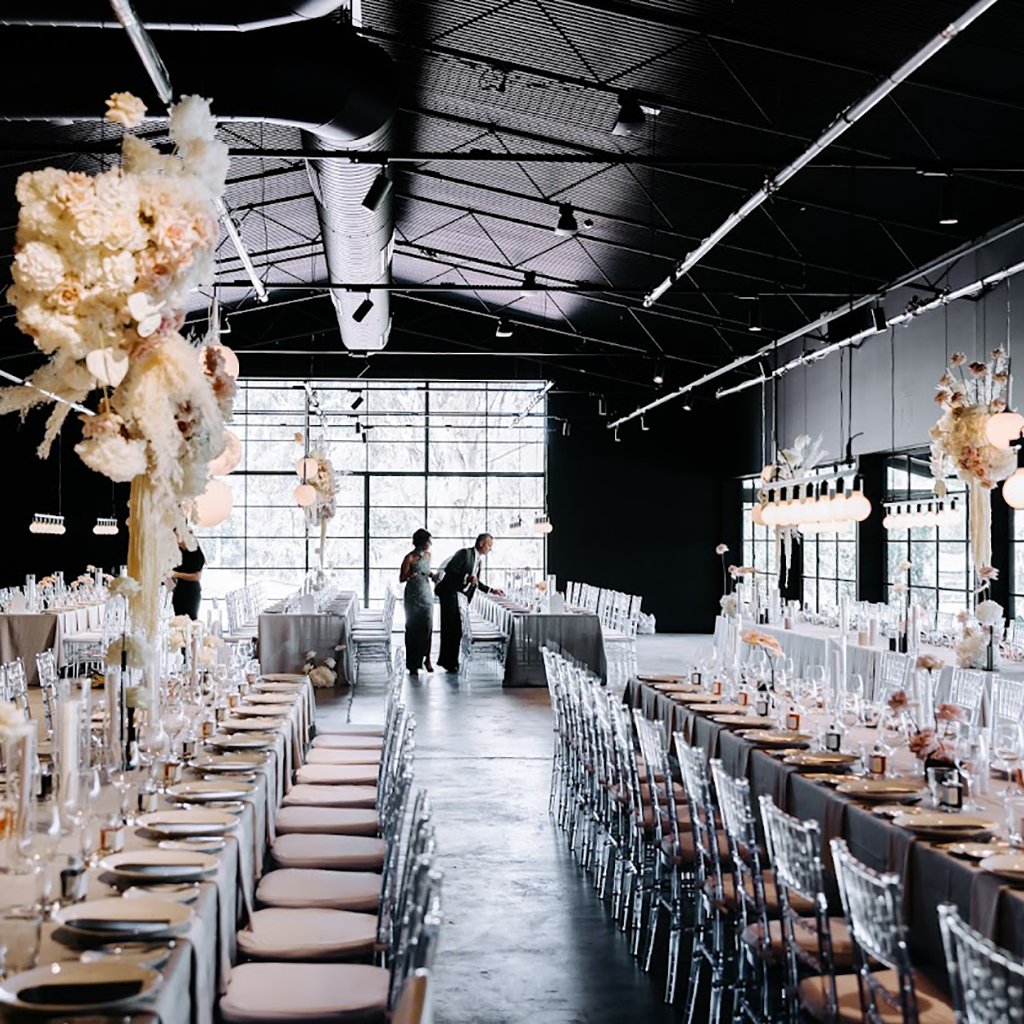
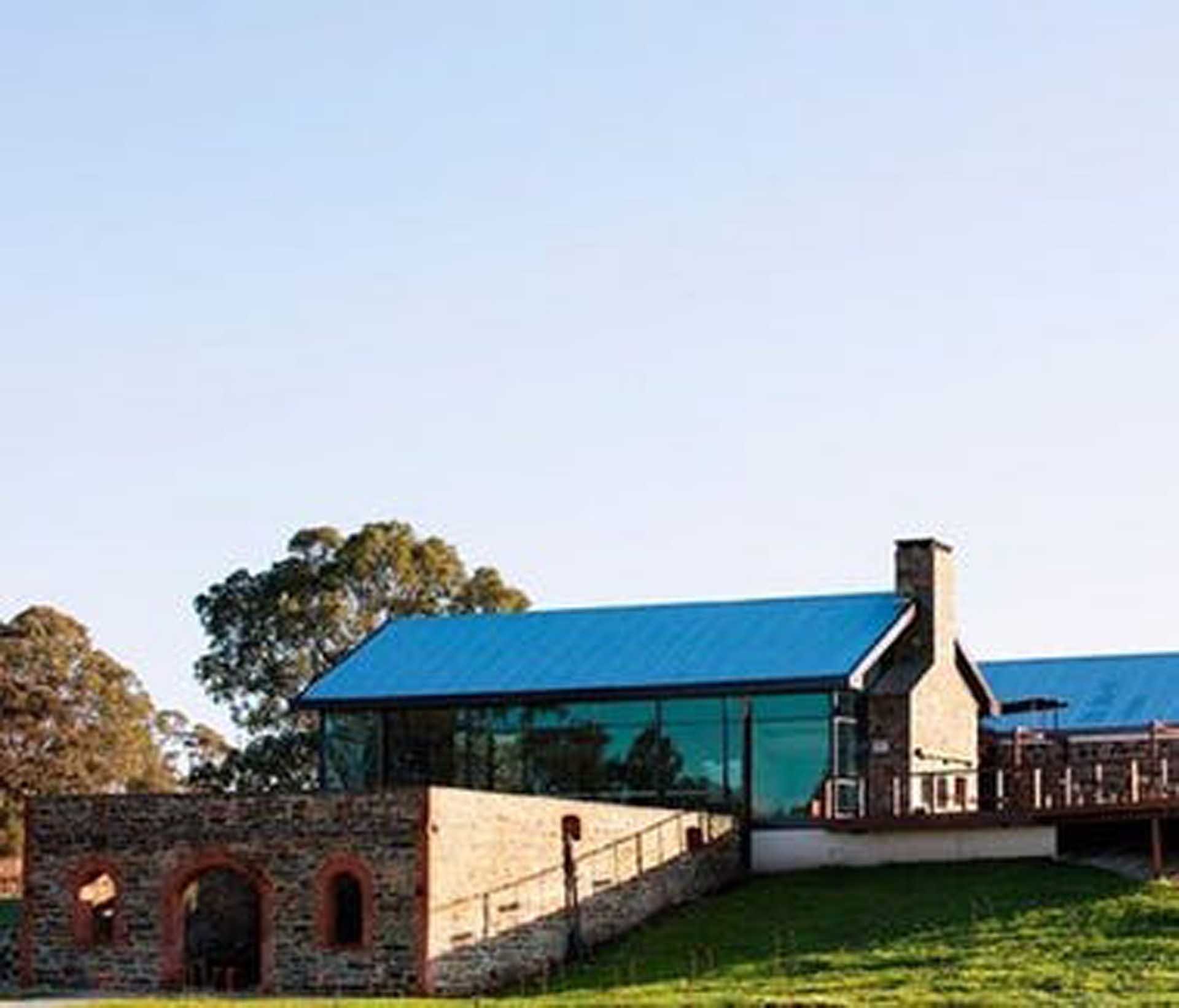
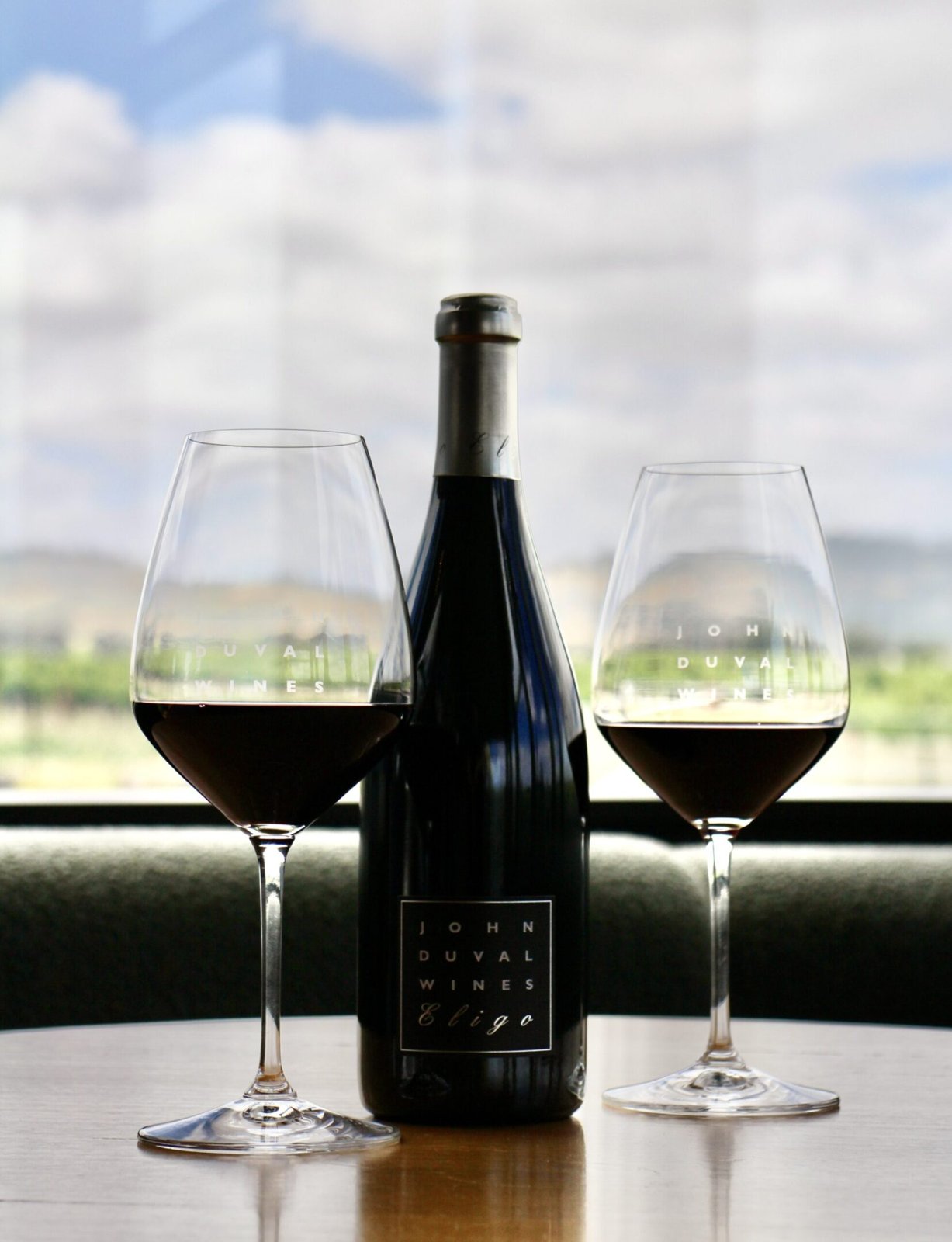
Refined and modern cellar door experience in the heart of Barossa Valley, emphasizing balance and terroir-driven expression with a focus on old-vine fruit and traditional winemaking techniques.
Tags
Vibe
Best For
Experience
Sourcing
View
At the Vineyard
- Appellation
- Barossa Valley
- Varietals
- Shiraz, Grenache, Mourvèdre, Cabernet Sauvignon, Marsanne
- Tour Duration
- 90 minutes
- Tour Languages
- English
- Visits
- By appointment only
- Farming
- Sustainable
- Wine Styles
- Still Red, Still White
- Shipping
- Available
- Wine Club
- Available
Know before you go
Know Before You Go
- Getting there
- Artisans of Barossa, 24 Vine Vale Rd, Tanunda SA 5352
Planning details
Location
Also consider
Also Consider
- Peter Lehmann, Notable alternative
- Langmeil, Notable alternative
- St Hallett, Notable alternative
- Château Tanunda, Notable alternative
- Kaesler Wines, Notable alternative
Winery context
How it compares in Barossa Valley
John Duval Wines is the stronger choice for a focused, producer-led tasting, while Château Tanunda is the better fit when the setting and heritage-estate atmosphere matter more. If the day needs scale, grounds, and a classic Barossa visual cue, choose Château Tanunda. If the day is about tasting concentration and comparing serious wines without turning the visit into a long property tour, start here.
Peter Lehmann and Langmeil are better cross-shops for visitors who want a broader, traditional Barossa cellar-door feel. St Hallett and Kaesler Wines make sense if the itinerary needs another serious wine stop with a different room feel. For booking difficulty, treat John Duval Wines as the hardest target in this set and put easier, more flexible stops around it rather than relying on same-day availability.
Explore Barossa Valley
Around this place
Discover more on Pearl
Unlock the full John Duval Wines guide in Pearl, including awards, comparisons, FAQs, planning details, and nearby places.
Compare John Duval Wines
| Venue | Location | Awards |
|---|---|---|
| John Duval Wines | Barossa Valley | No published awards |
| Peter Lehmann | Barossa Valley | 2026 Falstaff Winery Guide |
| Langmeil | Barossa Valley | No published awards |
| St Hallett | Barossa Valley | No published awards |
| Château Tanunda | Barossa Valley | 2026 Falstaff Winery Guide |
| Kaesler Wines | Barossa Valley | 2026 Falstaff Winery Guide |

How John Duval Wines Barossa Valley compares with similar nearby venues.
FAQ
Frequently Asked Questions
Do I need a reservation at John Duval Wines?
How long should I plan for a visit to John Duval Wines?
Confirm current arrangements with the venue before building it into a Barossa Valley day.
What details are for John Duval Wines?
John Duval Wines is a Barossa Valley venue with a smart casual dress code and Pearl 2 Star Prestige recognition for 2025. Other practical details should be checked directly with the venue.
What other venues can I compare with John Duval Wines?
For comparison while planning a Barossa Valley itinerary, consider Château Tanunda, Peter Lehmann, Langmeil, Kaesler Wines, and St Hallett, along with other Barossa Valley venues generically.
Can John Duval Wines handle large groups?
Contact John Duval Wines directly for current arrangements, and compare with Château Tanunda or Kaesler Wines if you are considering other Barossa Valley options.