

Tscharke Wines
Marananga, Barosa
Winery in Barosa, Portugal
 Book with Pearl
The Read
Warm-Climate Heritage Viticulture
Why go
Tscharke Wines is a cautious add-on rather than a primary Barosa plan: useful for wine explorers already nearby, less useful for travelers who need confirmed tasting details, prices, hours, or group information before choosing. Cross-shop more established Portuguese winery visits if predictability matters.
About Tscharke Wines
Tscharke Wines is listed in Barosa. Before planning around it, confirm practical questions directly, including whether visits are available, how to book, and what is offered. Use the venue name and city as a starting point for further checking before relying on a particular experience, level of access, or visitor setup.
Use it as a low-commitment Barosa stop
The safest planning approach is to keep Tscharke Wines as a possible Barosa stop rather than the centerpiece of an itinerary. Avoid assuming a visit format, schedule, pricing, group policy, or other visitor services. That caution matters especially if you are building a day around timed arrivals, transport, tastings, or a wider route through the area, since even a small unconfirmed detail can affect the flow of a visit.
For broader planning, compare it with other Barosa options generically, and confirm current details before you go. A low-commitment approach leaves room to adjust if the venue is not receiving visitors, requires advance arrangements, or offers something different from what you expected. Tscharke Wines can remain on a shortlist, but it should be supported by direct confirmation before it becomes a fixed stop.
Better if you are comparing named venue stops
If you want to compare named venues, consider Tscharke Wines alongside Adega Regional de Colares, Aliança Vinhos, Bacalhôa Vinhos, Casa de Santar, and Herdade do Mouchão. In that context, it works best as one name among several rather than a stand-alone recommendation. Use the comparison to identify which venues have the clearest current visitor information for your needs, then confirm current visitor information for each venue directly before making plans.
Planning details
- Location
- Barosa, Portugal
- Website
- tscharke.au
The take
The Take
The Vibe
Tscharke Wines reads as a winery rooted in Barossa’s long viticultural history, with an emphasis on warm-climate expression rather than flashy manipulation. The writing highlights ancient, ungrafted Shiraz and Grenache vines and a site-driven approach: warm days, cool nights and soils that concentrate flavour while preserving structure. That combination gives the estate a historic, classic character tempered by a modern, more restrained sensibility — wines that register the valley’s warmth without sacrificing balance. Readers should expect a place grounded in terroir thinking and tradition rather than trend-driven winemaking.
Best For
This profile is best for visitors and readers who want to study Barossa style and the influence of site on wine. It speaks to people interested in warm-climate Shiraz and old-vine Grenache, wine students, and wine-education–minded drinkers who appreciate a clear articulation of terroir and viticultural inheritance. The text highlights sub-regional differences—Eden Valley’s higher elevation versus the valley floor’s richness—so it is also useful for those comparing stylistic nuances across the Barossa rather than those seeking a generic tasting-room experience.
Tasting Tips
When exploring Tscharke’s wines, focus on the varieties and sites the write-up emphasizes: Shiraz and old-vine Grenache are central. Look for bottlings that showcase concentrated fruit and structure rather than heavy oak extraction; the profile praises wines that carry warmth without losing acidity and tension. If available, compare wines from the valley floor with those sourced from higher-elevation sites such as Eden Valley to taste differences in freshness and acidity. Ask about vine age and vineyard source to understand how the region’s soils and climate shape each wine.
Venue details
Ambiance
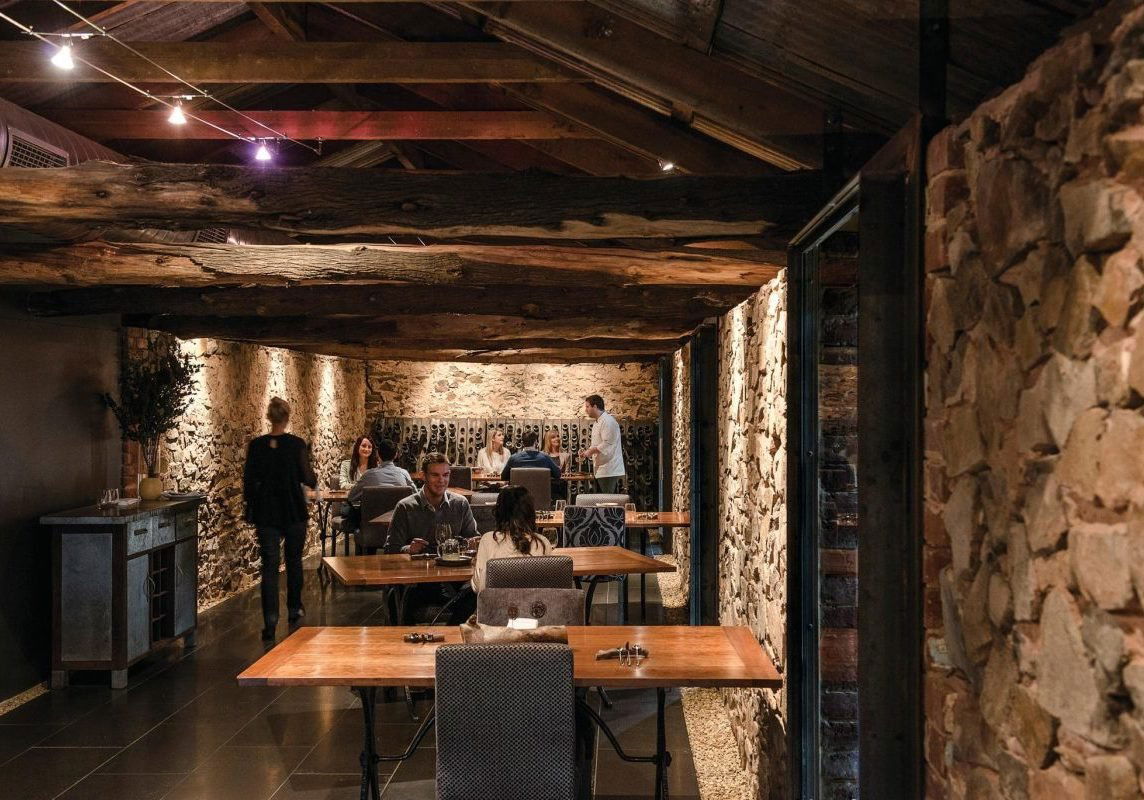
A relaxed, intimate cellar-door atmosphere set among vineyards, with a distinctive wooden German-style building and an underground tasting experience that emphasizes thoughtful service and local knowledge.
Tags
Vibe
Best For
Experience
Sourcing
View
At the Vineyard
- Appellation
- Barossa Valley
- Varietals
- Shiraz, Grenache, Mataro, Montepulciano, Albariño
- Tour Duration
- 3 hours
- Visits
- By reservation
- Farming
- Biodynamic
- Production
- Small producer
- Wine Styles
- Still Red, Still Rose, Still White
- Shipping
- Available
- Wine Club
- Available
Planning details
Location
Barosa, Portugal · Directions
Also consider
Where to Look If This Is Not the Right Fit
Choose Bacalhôa Vinhos if the priority is a more established winery stop. Choose Adega Regional de Colares if regional specificity matters more than staying near Barosa.
Winery context
How It Compares
Tscharke Wines is the least certain choice in this comparison because core visitor details are not supplied. If planning confidence matters, start with Aliança Vinhos or Bacalhôa Vinhos, both stronger fits for travelers comparing recognizable Portuguese winery stops before committing time.
Adega Regional de Colares and Casa de Santar are better cross-shops for visitors who want a clearer regional identity attached to the visit. Choose Tscharke Wines only if the Barosa location is already convenient and the plan can absorb uncertainty.
Herdade do Mouchão is the more sensible alternative for a destination-led winery day. Tscharke Wines reads as easier in spirit because there is no hard-to-book signal, but that is not the same as confirmed visitor readiness.
Explore Barosa
Around this place
Discover more on Pearl
Unlock the full Tscharke Wines guide in Pearl, including awards, comparisons, FAQs, planning details, and nearby places.
Compare Tscharke Wines
| Venue | Location | Awards |
|---|---|---|
| Tscharke Wines | Barosa | No published awards |
| Aliança Vinhos | Sangalhos | 2026 Falstaff Winery Guide2025 Decanter Winery Prestige |
| Adega Regional de Colares | Colares | No published awards |
| Casa de Santar | Nelas | 2026 Falstaff Winery Guide |
| Herdade do Mouchão | Casa Branca | 2026 Falstaff Winery Guide |
| Bacalhôa Vinhos | Azeitão | 2025 Decanter Winery Prestige |


How Tscharke Wines Barosa compares with similar nearby venues.