
Winery in Bariloche, Argentina
Achtung Gin
250ptsPatagonian Terroir Distilling
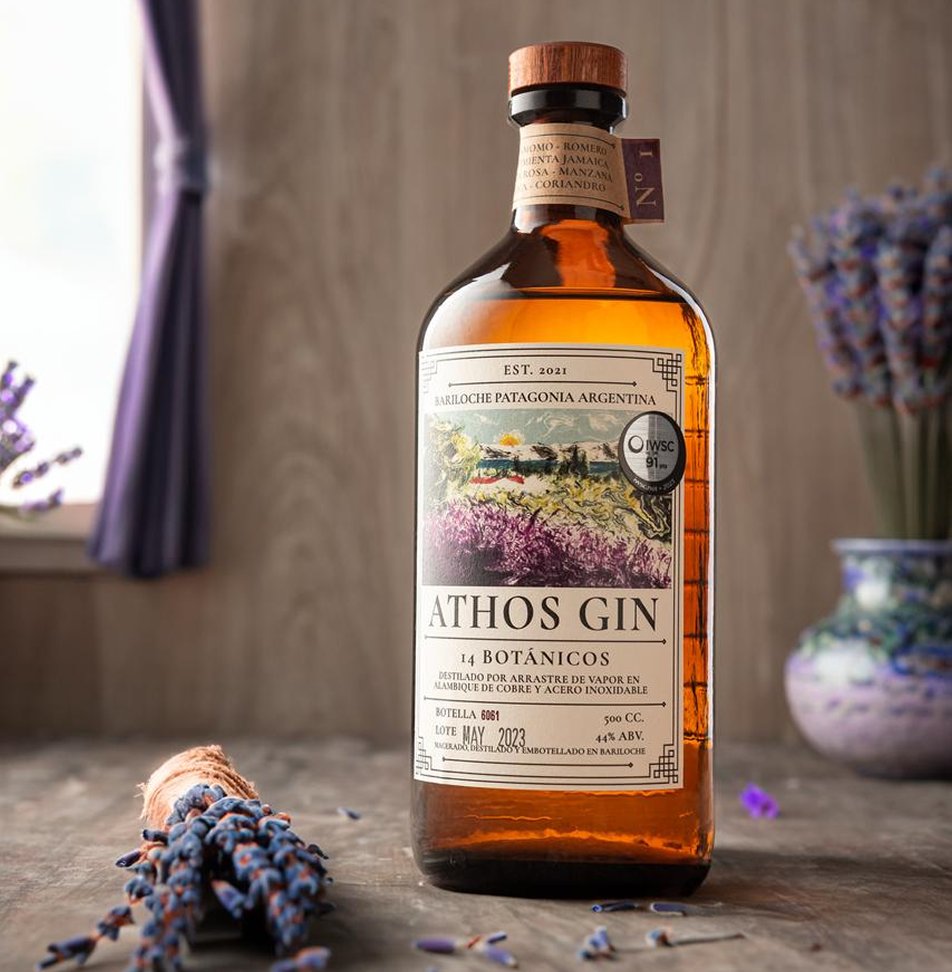
About Achtung Gin
Achtung Gin earns its Pearl 1 Star Prestige (2025) in a city better known for chocolate shops and Patagonian wine than craft spirits. Operating in Bariloche, where the cold-clean air and Andean botanicals create conditions that few gin producers elsewhere can replicate, it represents the sharper, more technical edge of Argentina's emerging distilling scene.
Where Patagonia Meets the Still
Bariloche's reputation as a drinking destination has long been framed by the wine lists at its lakeside restaurants and the malbec-heavy cellars of producers like Familia Schroeder in San Patricio del Chañar — Patagonian viticulture getting most of the press while spirits work quietly in the background. That balance is shifting. A small cohort of distillers in and around the Río Negro corridor has begun treating the region's botanical resources with the same seriousness that winemakers in Mendoza and Luján de Cuyo have long applied to their vineyard blocks. Achtung Gin sits inside that movement, drawing the kind of recognition — a Pearl 1 Star Prestige in 2025 , that tends to signal a producer has crossed from interesting local project to something peers and critics take seriously.
The editorial parallel to wine is worth pressing. When producers in the Andes learned to read altitude as a variable , cool nights slowing ripening, intense UV concentrating flavour compounds, thin air creating different fermentation chemistry , the results redrew what Argentine wine was capable of. Craft gin in Patagonia is following a cognate logic. The same altitude, the same glacially cold water sources, the same proximity to native flora that nowhere else in South America reproduces: these are the raw material conditions. How a distiller reads and responds to them is where technical ambition separates one producer from another.
Terroir in a Bottle: What the Andean Environment Contributes
Terroir is not a concept gin producers have always claimed for themselves , that frame belongs more naturally to wine regions like those represented by Bodega Colomé in Molinos or the high-altitude blocks that Terrazas de los Andes in Mendoza has spent decades mapping. But the term acquires real meaning when a distillery's botanical sourcing is genuinely place-specific rather than assembled from a global ingredient broker's catalogue.
Bariloche sits in Argentina's Lake District, where the Andes form a barrier that produces a microclimate distinct from both the dry pampas to the east and the Chilean rainforest to the west. The region's native herbaceous plants , culén, maqui berry, calafate, Patagonian rosehip , grow under conditions of high UV and cold stress that concentrate their aromatic compounds differently than the same species would in lower, warmer latitudes. For a gin producer treating these as primary botanicals rather than decorative additions, the place is not merely a backdrop; it is a direct input into the spirit's character. This is the argument that Argentina's more serious distillers, including Achtung Gin, are increasingly equipped to make.
The comparison set for Achtung Gin is less the wine estates of Mendoza , though the country's broader premium spirits conversation now benchmarks against producers like Fratelli Branca Distillery in Buenos Aires , and more the tier of craft gin houses globally that have anchored their identity in specific geographic raw material rather than in recipe novelty. That positioning takes longer to establish but creates a more defensible identity over time.
The Bariloche Distilling Context
Argentina's craft spirits sector has grown significantly over the past decade, but its geography of production remains heavily concentrated in Buenos Aires and Mendoza. Bariloche is, by that measure, an outlier , which makes the 2025 Pearl 1 Star Prestige award for Achtung Gin more instructive than a similar recognition in a denser production cluster would be. It suggests that the region's specific environmental conditions are producing results that hold up in formal evaluation against spirits from better-resourced, more connected production centres.
The closest local reference point in the broader spirits and fermented-drinks landscape is La Alazana Distillery, which operates in the same regional context and represents the longer-established proof-of-concept that Patagonian distilling can achieve international recognition. Where La Alazana's story has been widely told, Achtung Gin is at an earlier stage of that narrative , the 2025 award placing it at a point where the platform for wider visibility exists but hasn't yet been fully built.
For visitors moving through Argentina's premium drinks circuit , perhaps arriving from the Cafayate wineries like Bodega El Esteco, or the Maipú producers such as Bodega Antigal and Bodega Norton in Luján de Cuyo , Bariloche represents a different register entirely. The conversation here isn't about malbec extraction or the influence of volcanic soils on a wine's mineral signature; it's about what happens when a distiller treats the Lake District's botanical vocabulary as seriously as those winemakers treat their terroir.
Placing Achtung Gin in the Broader Argentina Spirits Picture
Argentina's wine culture has produced a particularly well-educated consumer base for premium fermented and distilled products. Estates like Escorihuela Gascón in Godoy Cruz, Bodega DiamAndes in Tunuyán, and Rutini Wines in Tupungato have helped establish the expectation that place and process matter, and that a producer willing to explain their choices honestly will find an audience ready to engage seriously. Craft gin, arriving into that culture, benefits from the framework wine built , visitors already accustomed to asking where a botanical was sourced or how altitude affects fermentation are a more receptive audience than a market encountering those questions for the first time.
The international comparison is also useful here. Producers like Aberlour in Aberlour and Accendo Cellars in St. Helena operate in well-established premium categories where provenance is already a given. Achtung Gin is operating in a category where that argument is still being made and won, which is both a more difficult position and a more interesting one.
Bariloche is an active year-round destination, but summer (December through February) concentrates both tourist traffic and local activity, making it the highest-demand period for any visits to distillers in the region. For current visiting arrangements, contact details, or tasting schedules at Achtung Gin specifically, checking directly through current local listings is advised , the operation's details were not available at the time of writing. See our full Bariloche restaurants and drinks guide for up-to-date context on the city's broader premium offerings. For travellers assembling a serious Argentina itinerary, Bodega Trapiche in the Mendoza circuit provides a useful structural counterpoint: established, well-resourced, and predictable in the leading sense. Achtung Gin, at this stage, is none of those things , which is precisely why the 2025 Pearl recognition matters.
Frequently Asked Questions
What is the signature bottle at Achtung Gin?
Specific product details, tasting notes, and current release information were not available in our verified records at time of writing. What the 2025 Pearl 1 Star Prestige award does confirm is that at least one expression has been evaluated and recognised at a formal level. For current product information, checking directly with the distillery or local Bariloche stockists is the appropriate route. The regional botanical context , Patagonian native flora sourced from the Andean Lake District, processed under cold-climate conditions , provides the strongest available frame for understanding what differentiates the range from metropolitan Argentine gin producers.
What makes Achtung Gin worth visiting?
The case rests on three things. First, the 2025 Pearl 1 Star Prestige award places it in a recognised tier of quality that the broader Bariloche visitor can use as a reference point. Second, the city itself has almost no other craft distillery at this award level, meaning the visit carries an exclusivity of access that denser production regions can't match. Third, Bariloche's broader appeal as a Patagonian destination , lake scenery, proximity to the Andes, a well-developed food and drinks culture , means the visit sits naturally inside a wider itinerary rather than requiring a dedicated detour.
Do I need a reservation for Achtung Gin?
Booking requirements depend on whether Achtung Gin operates a formal tasting room or functions primarily as a production facility. That information was not available in our verified records. As a general rule with smaller Patagonian distilleries, arriving without contact: if the operation has a tasting format, summer months (December to February) will see the highest demand, and advance contact is advisable. No website or phone number was available at time of writing; local accommodation staff or the Bariloche tourism office are the most practical routes to current visiting logistics.
Related editorial
- Best Fine Dining Restaurants in ParisFrom three-Michelin-star icons to the next generation of Parisian chefs pushing boundaries, these are the restaurants that define fine dining in the world's culinary capital.
- Best Luxury Hotels in RomeFrom rooftop terraces overlooking ancient ruins to Michelin-starred hotel dining, these are the luxury hotels that make Rome unforgettable.
- Best Cocktail Bars in KyotoFrom sleek lounges to hidden speakeasies, Kyoto's cocktail scene blends Japanese precision with global influence in ways you won't find anywhere else.
Save or rate Achtung Gin on Pearl
Keep this venue in your Pearl passport, rate it after you visit, and track it alongside every other place you collect.