

Felton Road Wines
Bannockburn
Winery in Bannockburn, New Zealand
 Book with Pearl
The Read
Continental Latitude Viticulture
Why go
Felton Road Wines is a winery on Felton Road in Bannockburn, New Zealand.
About Felton Road Wines
Felton Road Wines is a Bannockburn venue with a smart casual dress code and recognition from Pearl 4 Star Prestige (2025) and World's 50 Best Vineyards #98 (2025). It is a recognised Bannockburn wine venue, but details on specific tasting formats, food service, prices, hours, group policies, or reservation requirements are not available.
If you are considering a visit, confirm current visitor details directly with the venue before building an itinerary around timing, availability, food, shipping, or private arrangements. Felton Road Wines is in Bannockburn, has smart casual dress expectations, and carries 2025 recognition.
Prioritise this for a focused Bannockburn wine day, not a casual crawl
Felton Road Wines can reasonably be considered when planning a Bannockburn-focused wine day. Rather than assuming a specific visit length, tasting style, or meal component, plan with flexibility and check the venue's current information before committing the rest of the day around it.
For travellers comparing recognised wine and beverage venues, Cloudy Bay Vineyards, Wairau River Wines, Rippon Vineyard, Greystone Wines, and James Sedgwick Distillery (Three Ships & Bain's) are useful broader points of comparison. Felton Road Wines should be understood specifically as a Bannockburn option, not as interchangeable with other regional stops.
The right guest is wine-curious and patient
The strongest reason to keep Felton Road Wines on a shortlist is its recognition: Pearl 4 Star Prestige (2025) and World's 50 Best Vineyards #98 (2025). Beyond that, avoid assuming details such as group suitability, tasting structure, food availability, pricing, shipping, or membership benefits.
If you are mapping a wider route, compare Felton Road Wines with Cloudy Bay Vineyards, Wairau River Wines, Rippon Vineyard, Greystone Wines, and James Sedgwick Distillery (Three Ships & Bain's) according to your own trip priorities. For Bannockburn itself, use only current venue information when deciding whether this stop fits your schedule.
Planning details
- Location
- Felton Road, Bannockburn 9384
- Website
- feltonroad.com
- Phone
- +64 3 445 0885
The take
The Take
The Vibe
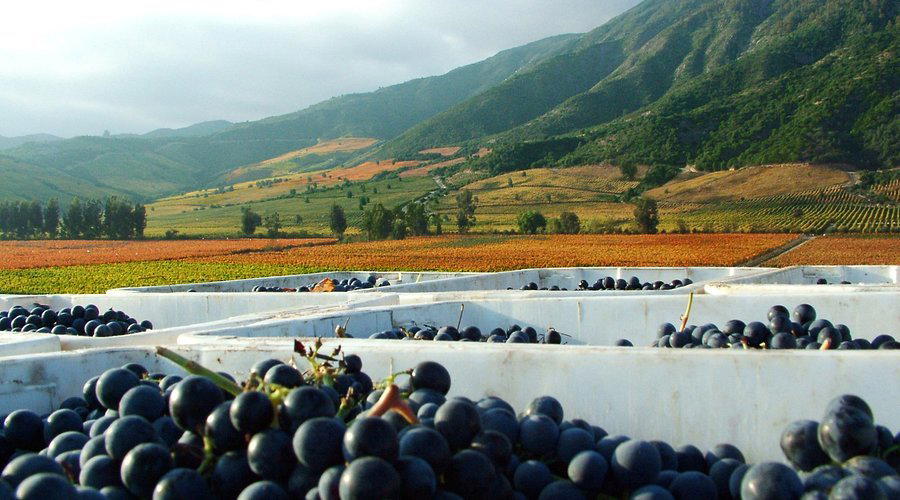
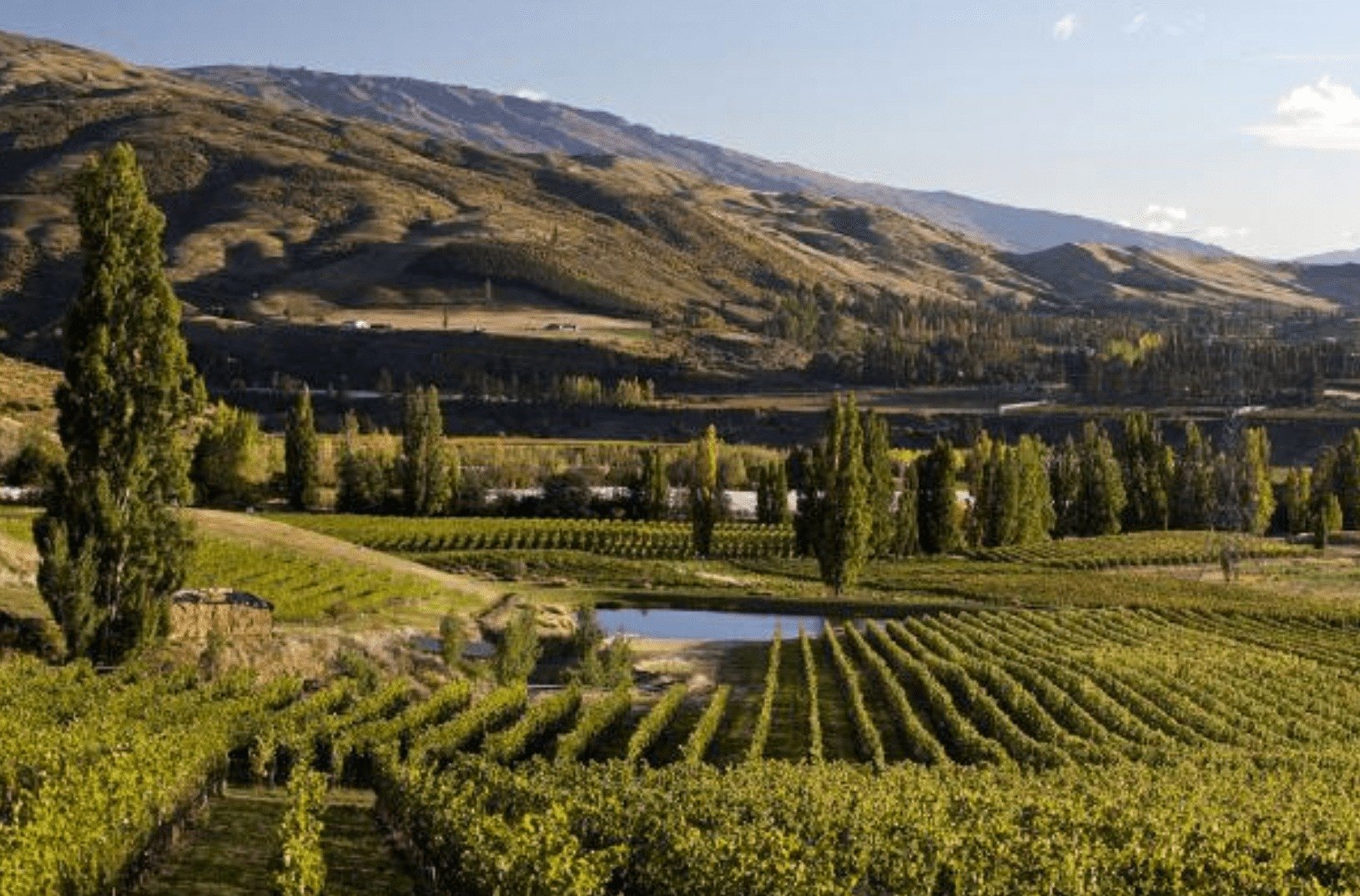
Felton Road Wines presents a restrained, terroir‑first personality rooted in Bannockburn’s high‑altitude landscape. The venue feels serene and deliberate: bare schist outcrops, wide diurnal swings and a semi‑arid basin create an elemental backdrop that carries through to the wines. Attention to fully organic and biodynamic farming reinforces a classic, matter‑of‑fact aesthetic—there’s little theatricality here, just exacting viticulture and concentrated expression. Visitors encounter a quiet, contemplative place where geological detail and farming philosophy shape both the scenery and the tasting experience.
Best For
This is a destination for people who prioritize terroir and technical viticulture over glossy tasting‑room theatrics. Wine students, serious Pinot Noir fans and visitors curious about organic and biodynamic practice will find the site especially rewarding: the writing foregrounds how latitude, schist soils and vine stress translate into mineral structure and intensity. It also suits small groups seeking a focused, educational tasting rather than a bustling social scene.
Tasting Tips
Center your tasting on the Pinot Noir lineup and ask staff about vineyard sources and biodynamic practices—those are the themes the copy stresses. Because the text highlights schist soils and diurnal temperature swings, probe how those factors influence acid, tannin and mineral notes across vintages. If you want context, request comparisons to other New Zealand regions mentioned in the profile to hear how Bannockburn’s compressed season and soils set Felton Road apart.
Venue details
Ambiance
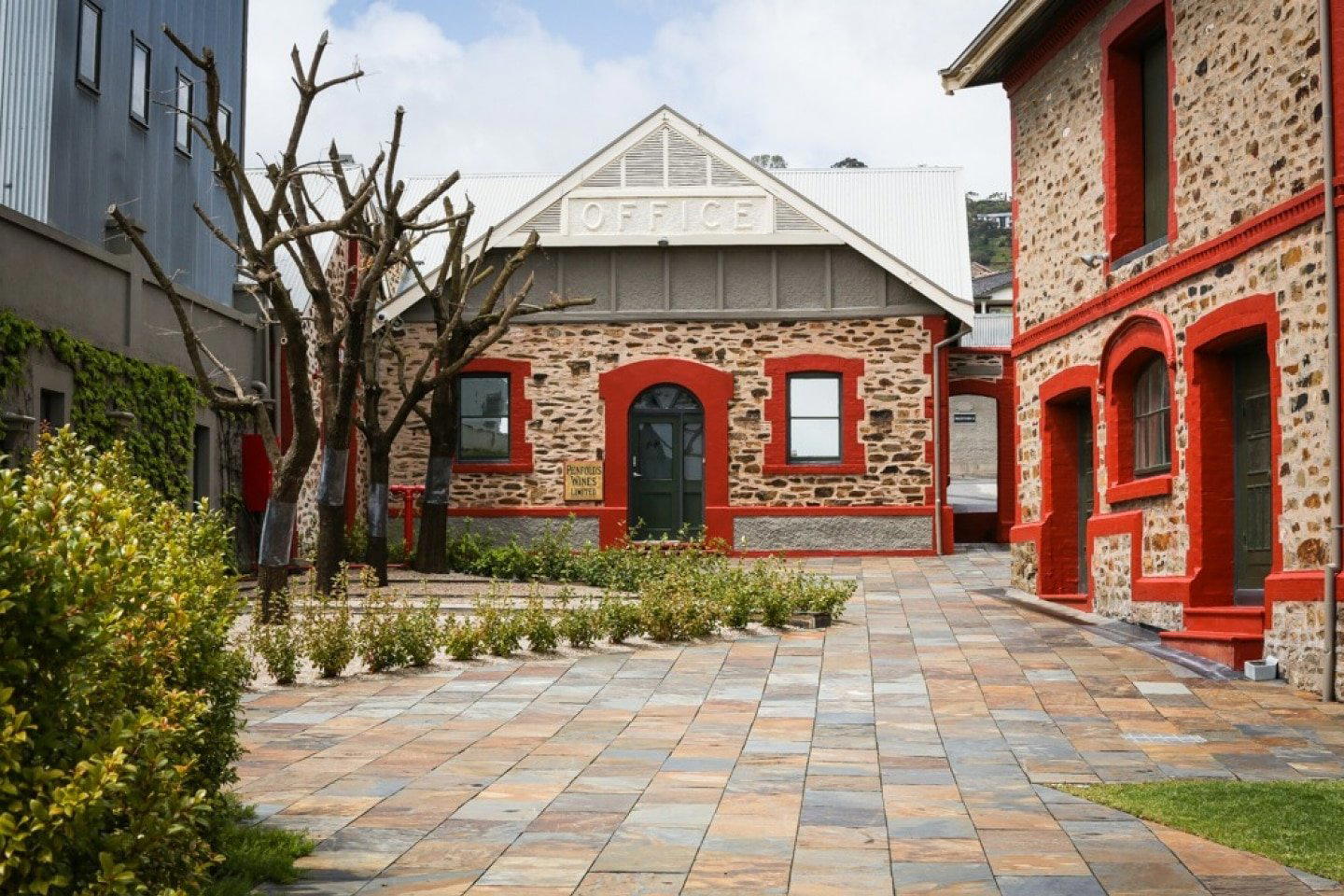
Bright, welcoming tasting room with vineyard views; newly renovated space with natural light and a warm, professional atmosphere enhanced by knowledgeable staff.
Tags
Vibe
Best For
Experience
Sourcing
View
At the Vineyard
- Appellation
- Central Otago
- Varietals
- Pinot Noir, Chardonnay, Riesling
- Tour Duration
- 45-60 minutes
- Tour Languages
- English
- Visits
- By appointment only
- Farming
- Biodynamic
- Wine Styles
- Still Red, Still White
- Shipping
- Available
- Wine Club
- Available
Know before you go
Know Before You Go
- Getting there
- Felton Road, Bannockburn 9384
Planning details
Location
Recognition and awards


Also consider
If you cannot get in
Try Rippon Vineyard if the trip is already passing through Wānaka and the visit needs a strong sense of place. For a broader New Zealand wine comparison, Greystone Wines is the more useful alternate because it moves the itinerary into a different region rather than repeating the same Bannockburn frame.
Winery context
How it compares for a serious wine itinerary
Felton Road Wines is the pick for travellers who want a focused Bannockburn stop with strong recognition behind it. Rippon Vineyard is the better cross-shop if the day is built around Wānaka scenery as much as wine; Felton Road is the sharper choice when the priority is a quieter, more concentrated wine appointment.
Greystone Wines and Wairau River Wines are better alternatives for travellers comparing New Zealand regions across a longer route. Cloudy Bay Vineyards has broader name recognition for many visitors, but Felton Road is the more targeted call for those specifically prioritising Central Otago and Bannockburn.
James Sedgwick Distillery (Three Ships & Bain's) is not a like-for-like wine comparison; use it only if the trip is more about drinks tourism than winery depth. For ambiance, Felton Road suits a quieter, lower-volume plan, while the other names work better when the itinerary needs a more varied regional spread.
Explore Bannockburn
Around this place
Discover more on Pearl
Unlock the full Felton Road Wines guide in Pearl, including awards, comparisons, FAQs, planning details, and nearby places.
Compare Felton Road Wines
| Venue | Location | Awards |
|---|---|---|
| Felton Road Wines | Bannockburn | 2026 Falstaff Winery Guide2025 World's 50 Best Vineyards · #98 |
| Rippon Vineyard | Wānaka | 2026 Falstaff Winery Guide2025 World's 50 Best Vineyards · #442023 World's 50 Best Vineyards · #112021 World's 50 Best Vineyards · #152020 World's 50 Best Vineyards · #132019 World's 50 Best Vineyards · #8 |
| Greystone Wines | Waipara | 2026 Falstaff Winery Guide2025 World's 50 Best Vineyards · #89 |
| Wairau River Wines | Rapaura | 2026 Cuisine New Zealand Good Food Guide2026 Falstaff Winery Guide2025 World's 50 Best Vineyards · #52 |
| Cloudy Bay Vineyards | Blenheim | 2026 Falstaff Winery Guide2025 World's 50 Best Vineyards · #26 |
| James Sedgwick Distillery (Three Ships & Bain’s) | Wellington | No published awards |

How Felton Road Wines Bannockburn: Verified Guide compares with similar nearby venues.
FAQ
Frequently Asked Questions
How long should I plan for a visit to Felton Road Wines?
A visit length or tasting format is not specified. If you are planning around Felton Road Wines in Bannockburn, check directly with the venue before setting your schedule.
What other venues can I compare with Felton Road Wines?
For comparison, consider Cloudy Bay Vineyards, Wairau River Wines, Rippon Vineyard, Greystone Wines, and James Sedgwick Distillery (Three Ships & Bain's). These are best used as broader points of comparison rather than as Bannockburn-specific neighbours.
Can Felton Road Wines handle large groups?
Group capacity or policies are not specified. Contact Felton Road Wines directly before planning for a larger party.
Are membership benefits at Felton Road Wines available?
Membership details or benefits are not specified. The recognition is Pearl 4 Star Prestige (2025) and World's 50 Best Vineyards #98 (2025), but any membership value should be checked directly with the venue.
Does Felton Road Wines serve food?
A food offering is not specified. Treat Felton Road Wines as a Bannockburn venue and check directly before relying on it for food or lunch plans.