
Weninger Winery
Balf
Winery in Balf, Hungary
 Book with Pearl
The Read
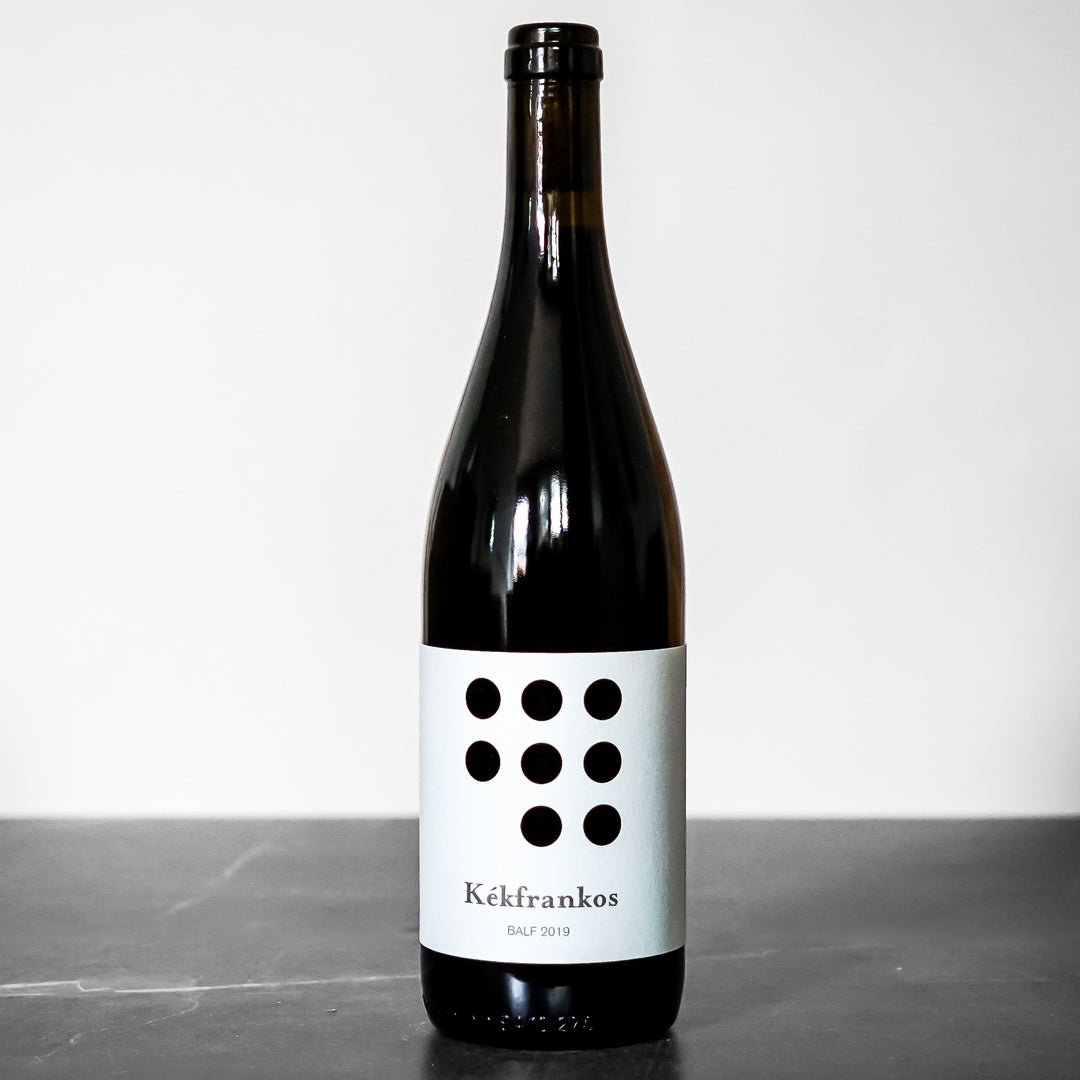
Sopron Kékfrankos Precision
Why go
Weninger Winery is worth prioritizing if the trip is built around serious wine rather than casual tasting-room convenience. Treat it as an appointment-led Balf stop for small groups or couples, with planning done before the rest of the itinerary. If confirmation or group logistics are the priority, compare nearby alternatives first.
About Weninger Winery
Weninger Winery is a winery in Balf with 2 Star Prestige recognition for 2025. For planning, focus on the facts that are known rather than assuming a specific tasting format, visitor program, menu, pricing, hours, or group setup.
The practical verdict: shortlist it if you are specifically looking for Weninger Winery in Balf and are comfortable confirming visit details directly. Do not assume walk-in access, fixed public hours, shipping options, food service, or a structured hospitality format unless the winery confirms them.
Why this works for wine-focused Balf plans
Balf is the key location detail for Weninger Winery. For planning purposes, keep the itinerary simple and confirm logistics before treating the stop as fixed. The strongest confirmed signal is its 2 Star Prestige recognition in 2025.
With no public details for prices, hours, menu, capacity, tasting format, or specific wines, the safest expectation is to approach Weninger Winery as a venue that requires direct confirmation. The casual dress code makes the visit easy to plan from a wardrobe standpoint, but it does not confirm anything about service style or availability.
Use broader Balf planning resources for the rest of the trip, and compare Weninger Winery with Pfneiszl Winery, Weingut Franz Weninger, Weingut Gager, Weingut Gesellmann, and Weingut Strehn when building a wine-focused shortlist.
Who should put it on the shortlist
This is a sensible shortlist choice for travelers who want to include Weninger Winery specifically and are willing to verify practical details in advance. It is less suitable for anyone who needs confirmed hours, published pricing, known group capacity, or a clearly stated visitor format before making plans.
Bottom line: choose Weninger Winery when the goal is to include a 2 Star Prestige winery in Balf and the group is comfortable checking the essentials directly. If the schedule needs more certainty, compare other winery options before committing the day.
Planning details
- Location
- Sopron, Fő u. 23, 9494
- Website
- weninger.com
- Phone
- +36 99 531 082
The take
The Take
The Vibe
Weninger Winery presents as a quietly accomplished, classic Sopron producer rooted in cooler‑climate terroir. The copy emphasizes the region's restraint — 'relative quiet' rather than flash — while noting serious recognition (a 2025 Pearl 2 Star Prestige nod), which frames the estate as a refined, under‑the‑radar destination. The prose leans into geography and soil, locating the property at the Austrian fault line and under the influence of Lake Ferto; that focus on place gives visits a contemplative, terroir‑first feeling rather than a theatrical tasting-room spectacle. Expect an intimate, low‑key wine experience centered on vineyard‑driven wines.
Best For
Weninger is best suited to wine‑minded travelers who prioritize terroir and regional context. The profile speaks directly to people planning longer Hungarian wine trips and those keen to compare Sopron’s cooler, Burgenland‑adjacent style with more familiar Hungarian regions. It also fits solo explorers and small parties who want focused tastings and an explanation of how Lake Ferto and local soils shape the wines. Because the text highlights critical recognition, the house appeals to visitors who value thoughtful producers and who come prepared to taste structured dry whites and reds with an eye for regional distinctiveness.
Tasting Tips
When tasting at Weninger, prioritize wines that exemplify Sopron’s cooler‑climate structure: look for their dry, structured reds and incisive whites that the copy explicitly contrasts with Tokaj’s sweetness. Ask staff about the influence of Lake Ferto (Neusiedlersee) and how local soils and the Austrian border position inform each bottling. Note the estate’s 2025 Pearl 2 Star Prestige mention and use that as a conversation starter — request award‑highlighted bottlings or estate cuvées and ask for recommendations that showcase the region’s typical style rather than internationalized examples.
Venue details
Ambiance
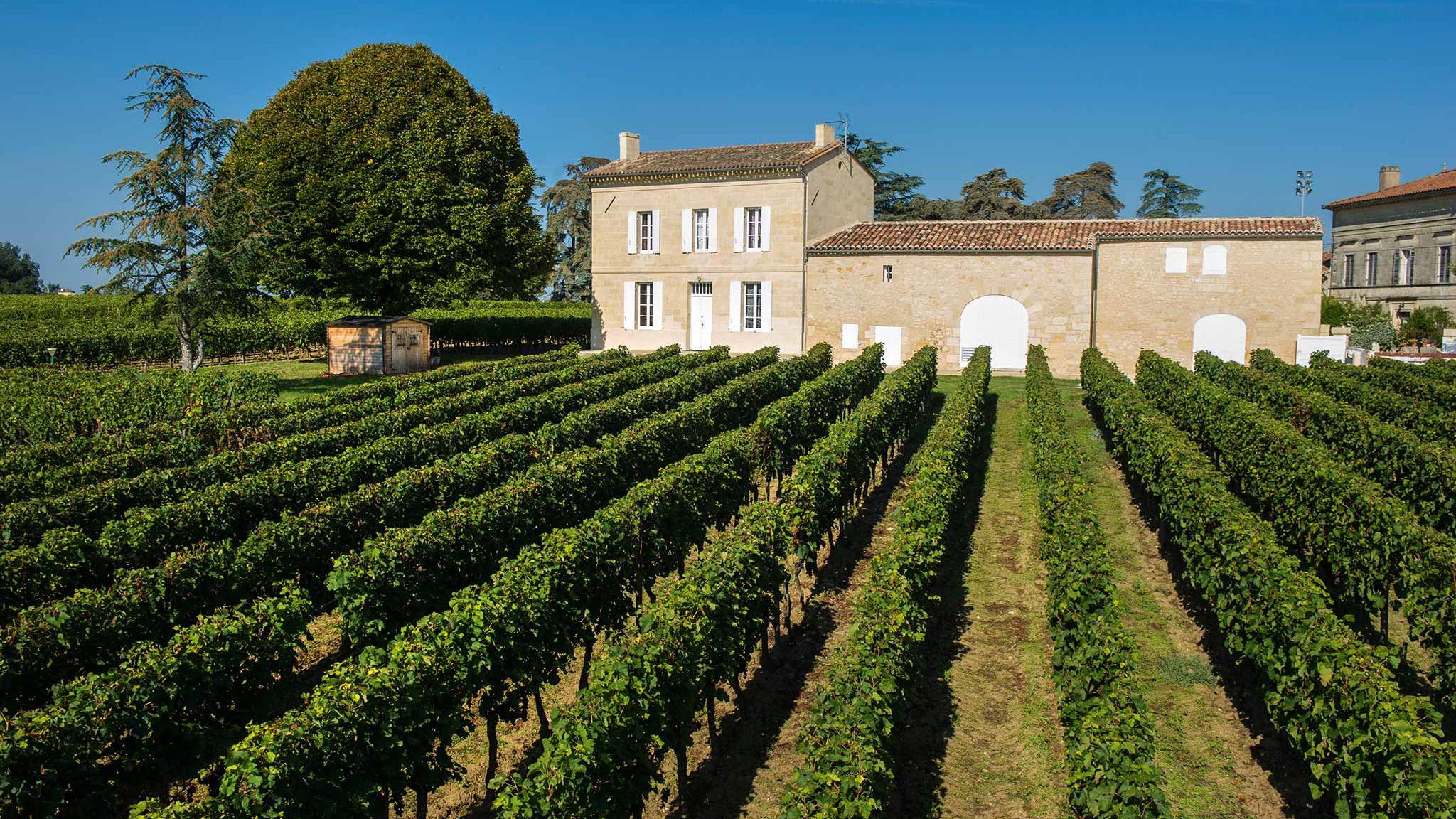
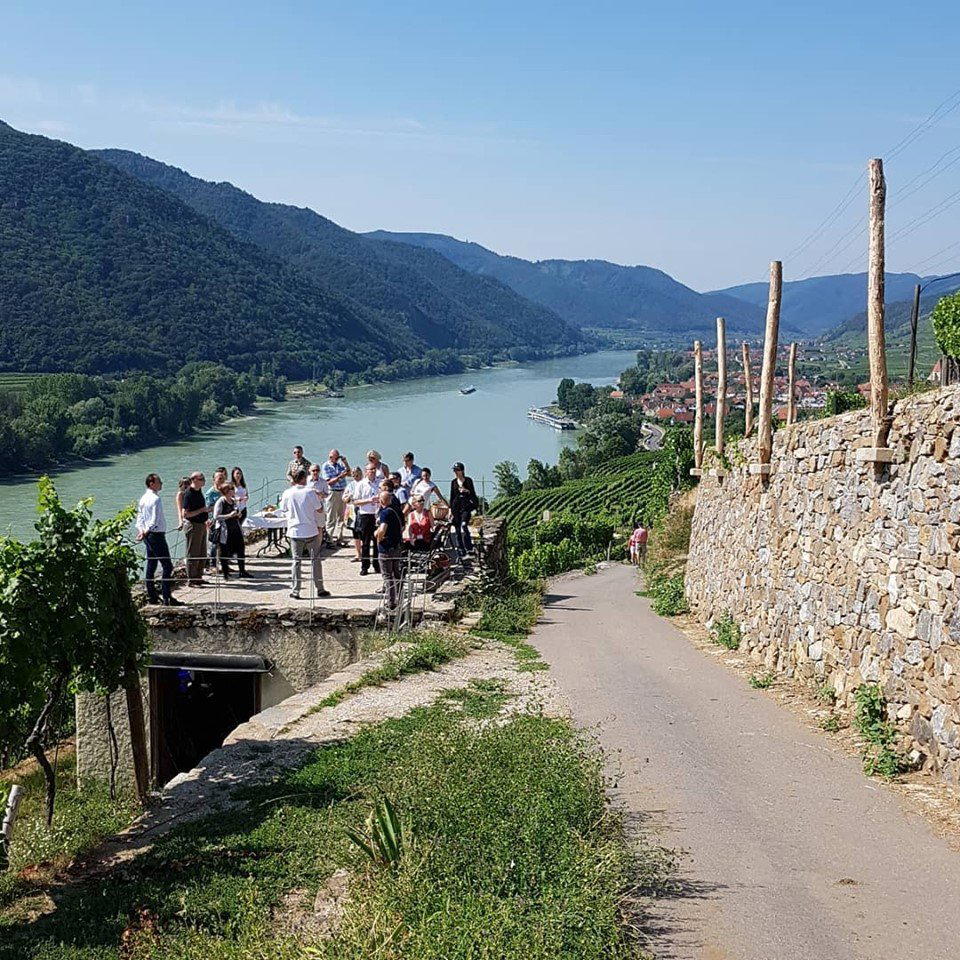
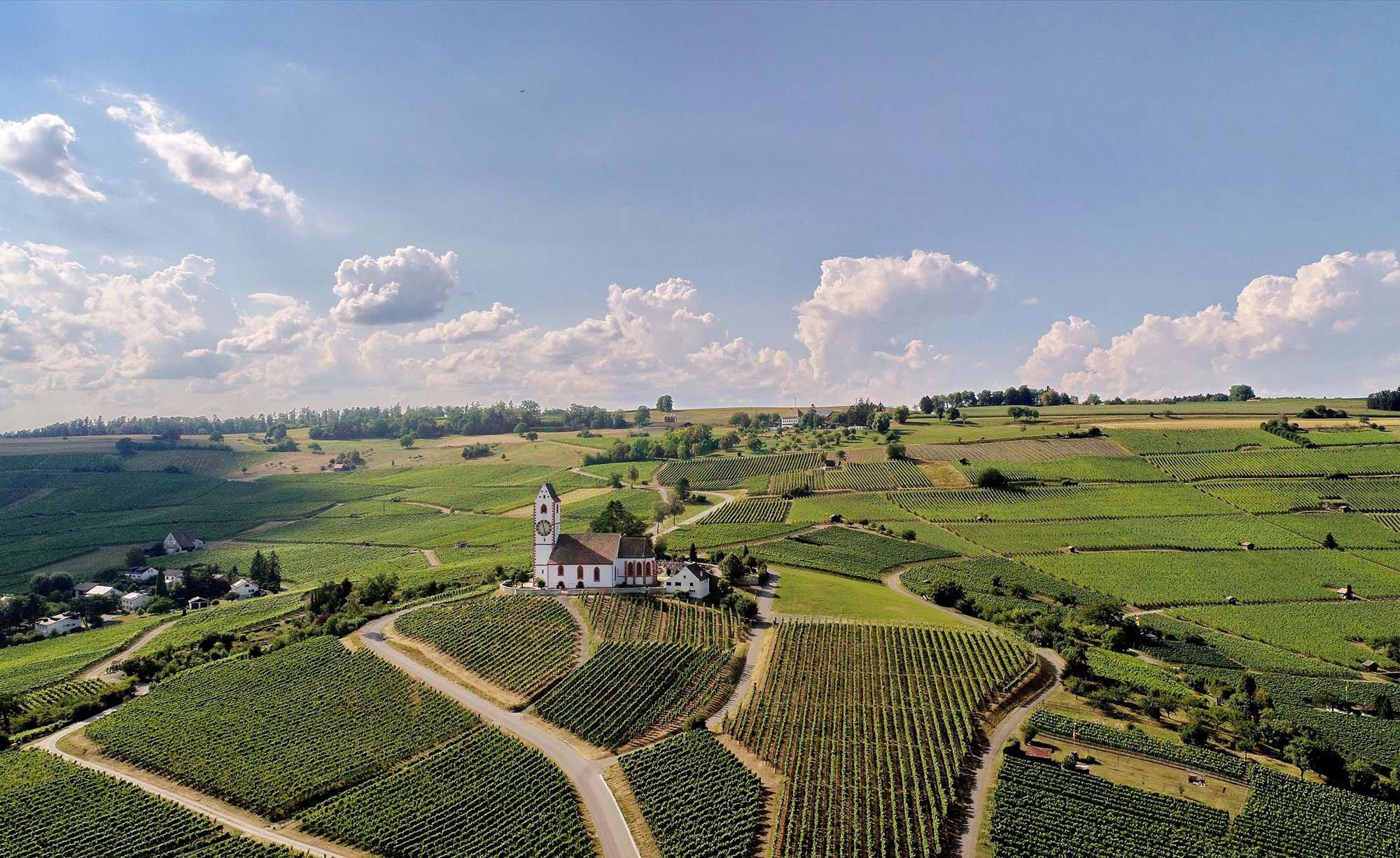
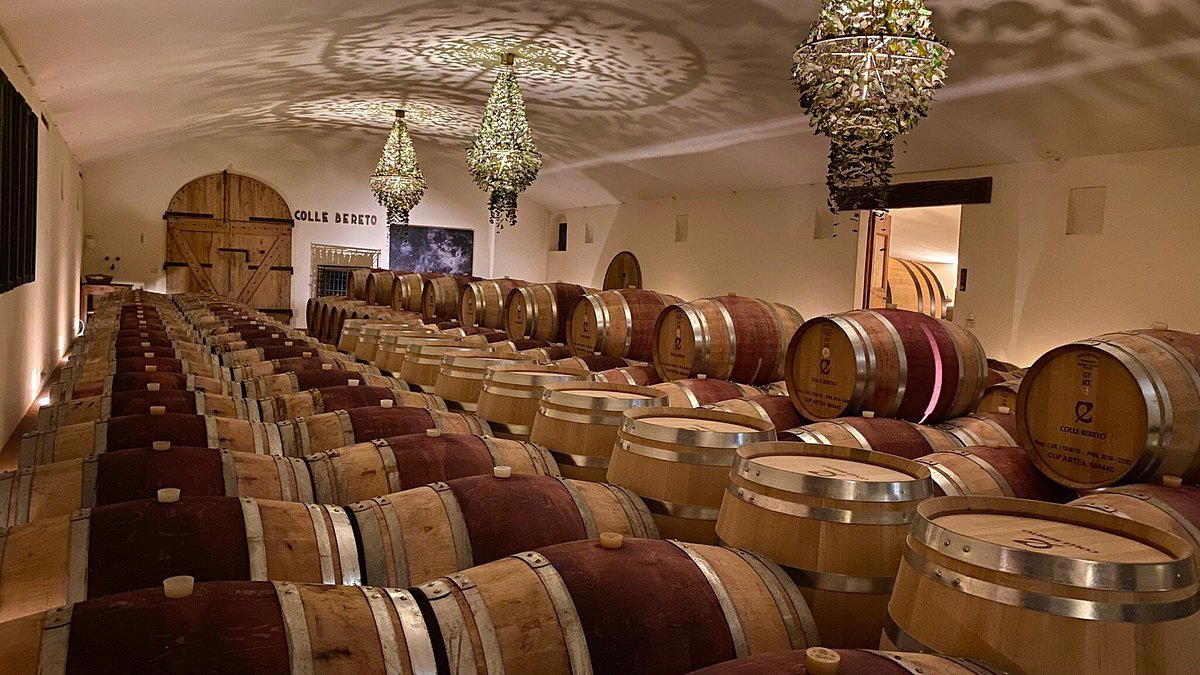
Rustic and natural with a focus on terroir-driven authenticity in a scenic hillside setting.
Tags
Vibe
Best For
Experience
Sourcing
View
At the Vineyard
- Appellation
- Sopron
- Varietals
- Blaufränkisch, Kékfrankos, Pinot Noir, Syrah, Merlot
- Tour Duration
- 60-90 minutes
- Tour Languages
- German, Hungarian
- Visits
- By reservation
- Farming
- Biodynamic
- Production
- Small producer
- Wine Styles
- Still Red
- Wine Club
- Not available
Know before you go
Know Before You Go
- Getting there
- Sopron, Fő u. 23, 9494
Planning details
Location
Recognition and awards

Also consider
Also Consider
- Pfneiszl Winery, Notable alternative
- Weingut Gesellmann, Notable alternative
- Weingut Gager, Notable alternative
- Weingut Strehn, Notable alternative
- Weingut Franz Weninger, Notable alternative
Winery context
How It Compares
Choose Weninger Winery if the priority is a focused Balf-area producer visit and the group is comfortable planning around a hard-to-secure appointment. Pfneiszl Winery is the more obvious cross-shop for travelers staying close to Balf, especially if the day needs another winery option without changing the whole route.
For a broader red-wine itinerary, compare against Weingut Gesellmann, Weingut Gager, and Weingut Strehn. Those make more sense if the trip is crossing into a wider regional wine circuit rather than staying centered on Balf and Sopron.
Weingut Franz Weninger is the closest conceptual comparison for readers deciding between related producer experiences. If the goal is name-aligned context across the border, cross-shop both; if the goal is to keep the day simple in Balf, Weninger Winery is the cleaner anchor.
Explore Balf
Around this place
Discover more on Pearl
Unlock the full Weninger Winery guide in Pearl, including awards, comparisons, FAQs, planning details, and nearby places.
Compare Weninger Winery
| Venue | Location | Awards |
|---|---|---|
| Weninger Winery | Balf | 2026 Falstaff Winery Guide |
| Pfneiszl Winery | Sopron | No published awards |
| Weingut Gesellmann | Deutschkreutz | 2026 Falstaff Winery Guide |
| Weingut Gager | Deutschkreutz | 2026 Falstaff Winery Guide |
| Weingut Strehn | Deutschkreutz | 2026 Falstaff Winery Guide |
| Weingut Franz Weninger | Horitschon | 2026 Falstaff Winery Guide |
How Weninger Winery Balf compares with similar nearby venues.
FAQ
Frequently Asked Questions
How long should I plan for a visit to Weninger Winery?
Plan visit length directly with Weninger Winery before building the rest of the day around it. Its 2 Star Prestige (2025) recognition makes it notable, but it does not define a specific tasting duration or format.
Is the wine club at Weninger Winery worth joining?
Does Weninger Winery ship wine?
What other wineries should I compare with Weninger Winery?
Pfneiszl Winery and Weingut Franz Weninger are useful names to compare when planning around Weninger Winery. Weingut Gesellmann, Weingut Gager, and Weingut Strehn can also be considered as broader alternatives.
What is the flagship wine at Weninger Winery?
The confirmed facts are that Weninger Winery is in Balf, has a casual dress code, and holds 2 Star Prestige recognition for 2025.