

Jacques Selosse
Avize
Winery in Avize, France
 Book with Pearl
The Read
Oxidative Solera Viticulture
Why go
Jacques Selosse is a Champagne producer in Avize.
About Jacques Selosse
Plan Jacques Selosse in Avize around the essentials. The venue is led by chef/owner Anselme Selosse, has a smart casual dress code, and holds Pearl 5 Star Prestige (2025).
The case for including it is strongest for travelers who are specifically interested in Jacques Selosse and want to place the stop within an Avize itinerary. Because cuisine type, menu format, tasting format, and service schedule are not specified, do not build the day around assumptions about lunch, pairings, or a particular hospitality style.
Go with the confirmed details, not assumptions
For planning purposes, the practical answer is simple: no cuisine type, menu format, or food program is listed. If dining is part of the plan, build meals separately through our full Avize restaurants guide, then confirm any Jacques Selosse-specific arrangements directly.
That makes the planning brief direct. Use the smart casual dress code, note Anselme Selosse as chef/owner, and treat Pearl 5 Star Prestige (2025) as the recognized distinction. For everything else, including availability, timing, group suitability, food service, or special requests, check with the venue rather than relying on assumptions.
Avize is the anchor: compare before committing
The location matters because Jacques Selosse is in Avize, and the surrounding itinerary can be shaped around the level of detail you need. If the visit is important, confirm Jacques Selosse first, then decide what else belongs in the day.
For comparison research, Agrapart & Fils, Champagne Salon, Delamotte, Pierre Peters, and Pierre Gimonnet & Fils are relevant names to consider alongside Jacques Selosse. Use them as context for deciding whether Jacques Selosse should be the centerpiece of the plan or one part of a broader Champagne-area itinerary.
The verdict: pursue Jacques Selosse if the profile fits your trip: Avize, Anselme Selosse, smart casual dress, and Pearl 5 Star Prestige (2025). Do not rely on assumptions about food, format, pricing, timing, or group handling; confirm those details before committing.
Planning details
- Location
- 59 Rue de Cramant, 51190 Avize
- Website
- selosse-lesavises.com/le-domaine-jacques-selosse
- Phone
- +33326577006
The take
The Take
The Vibe
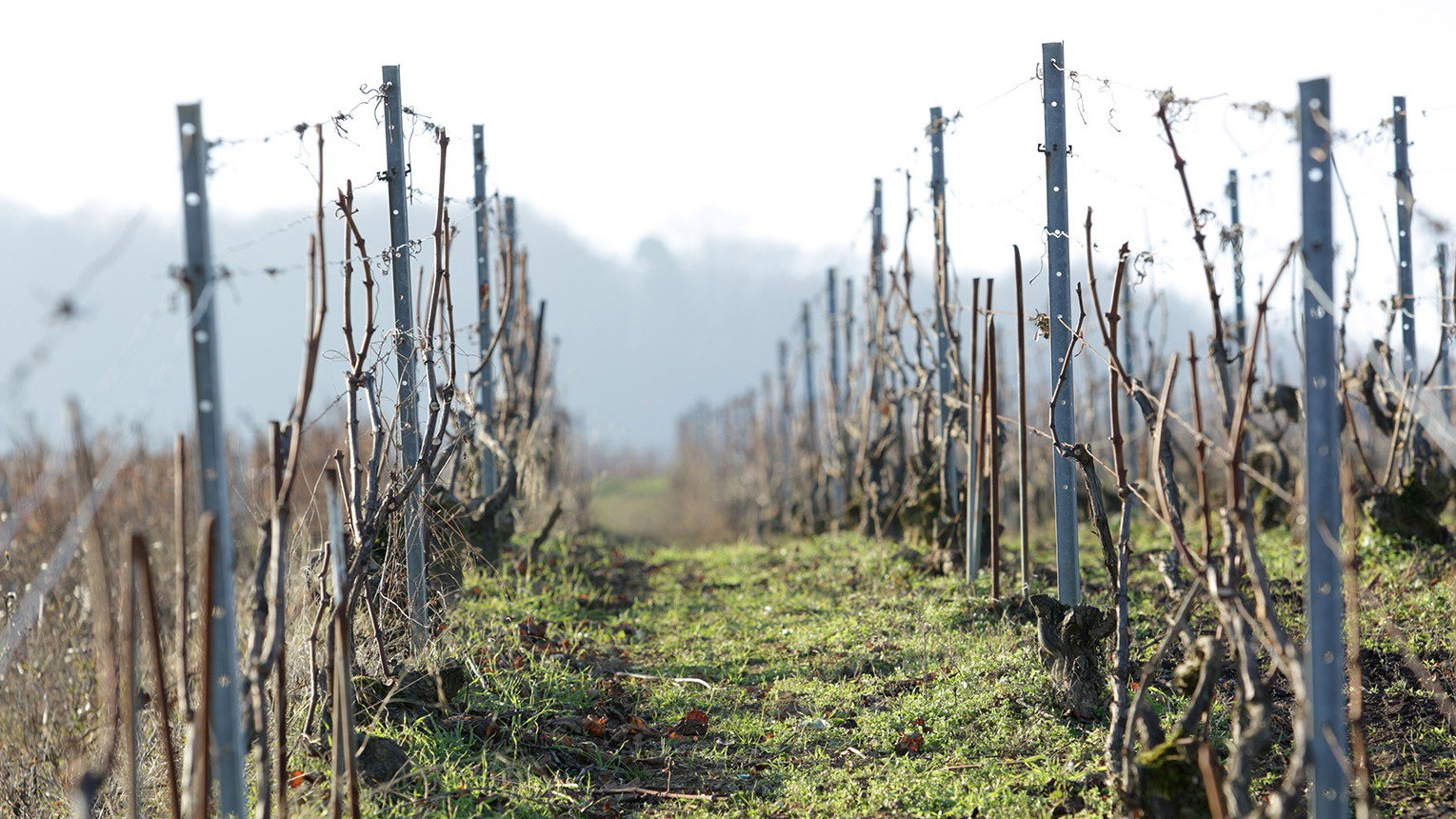
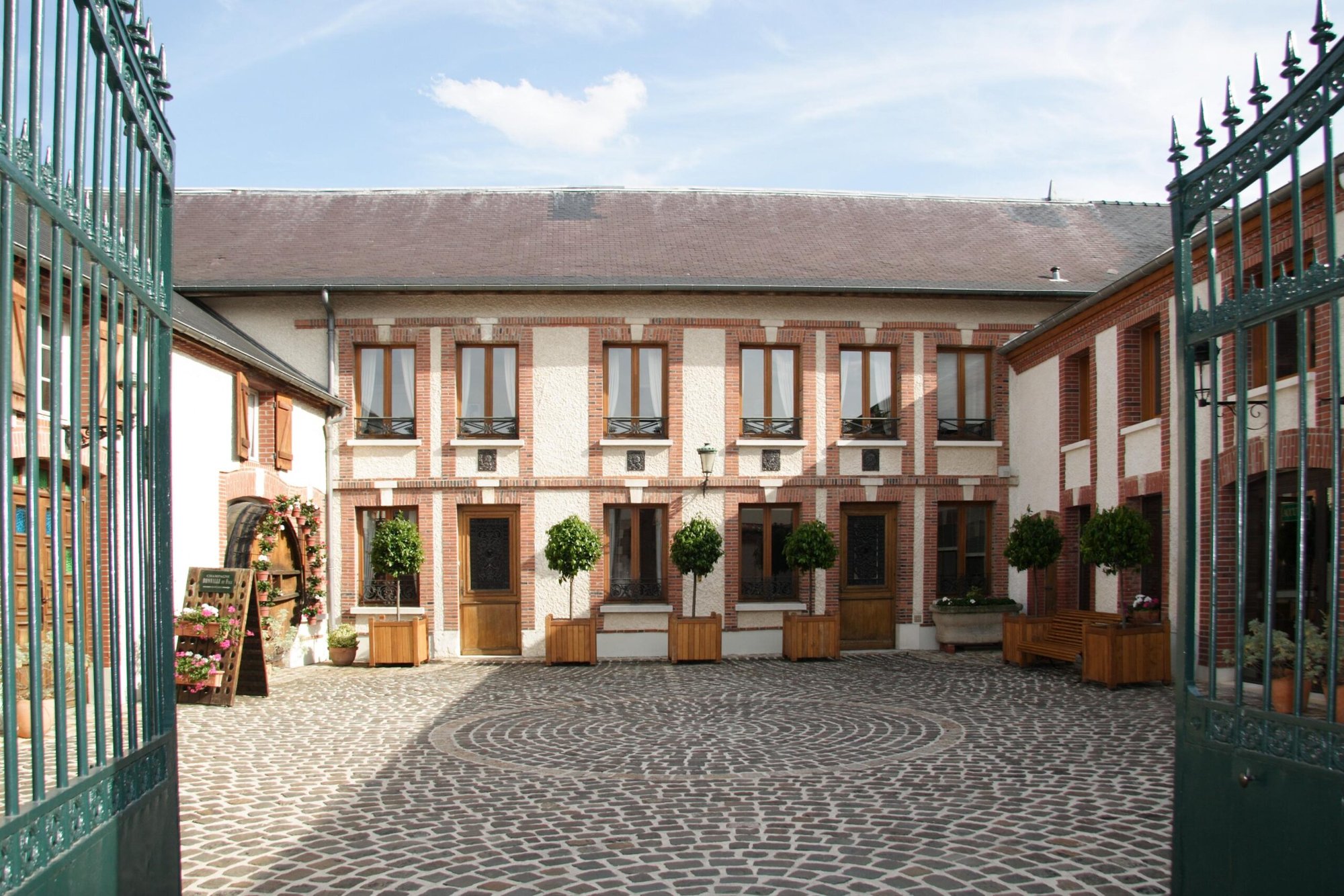
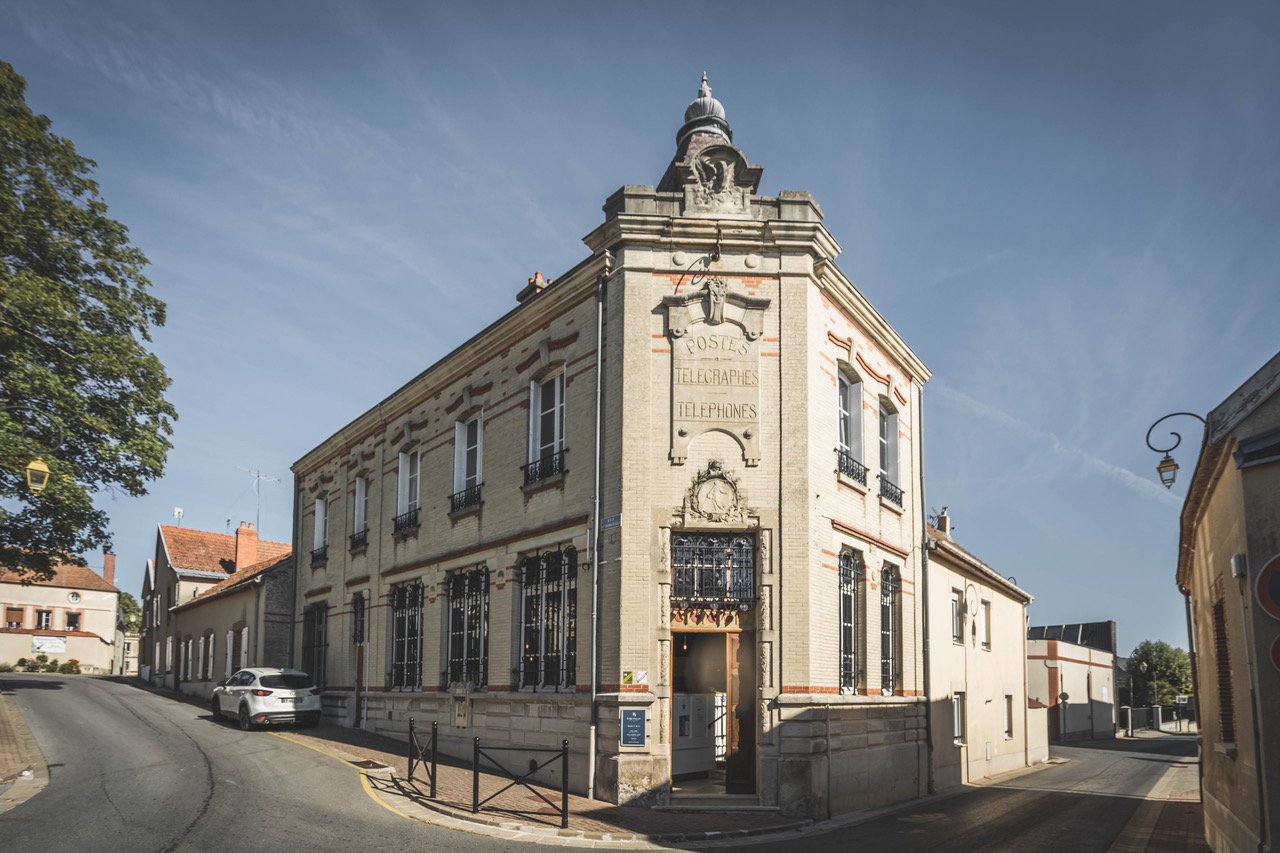
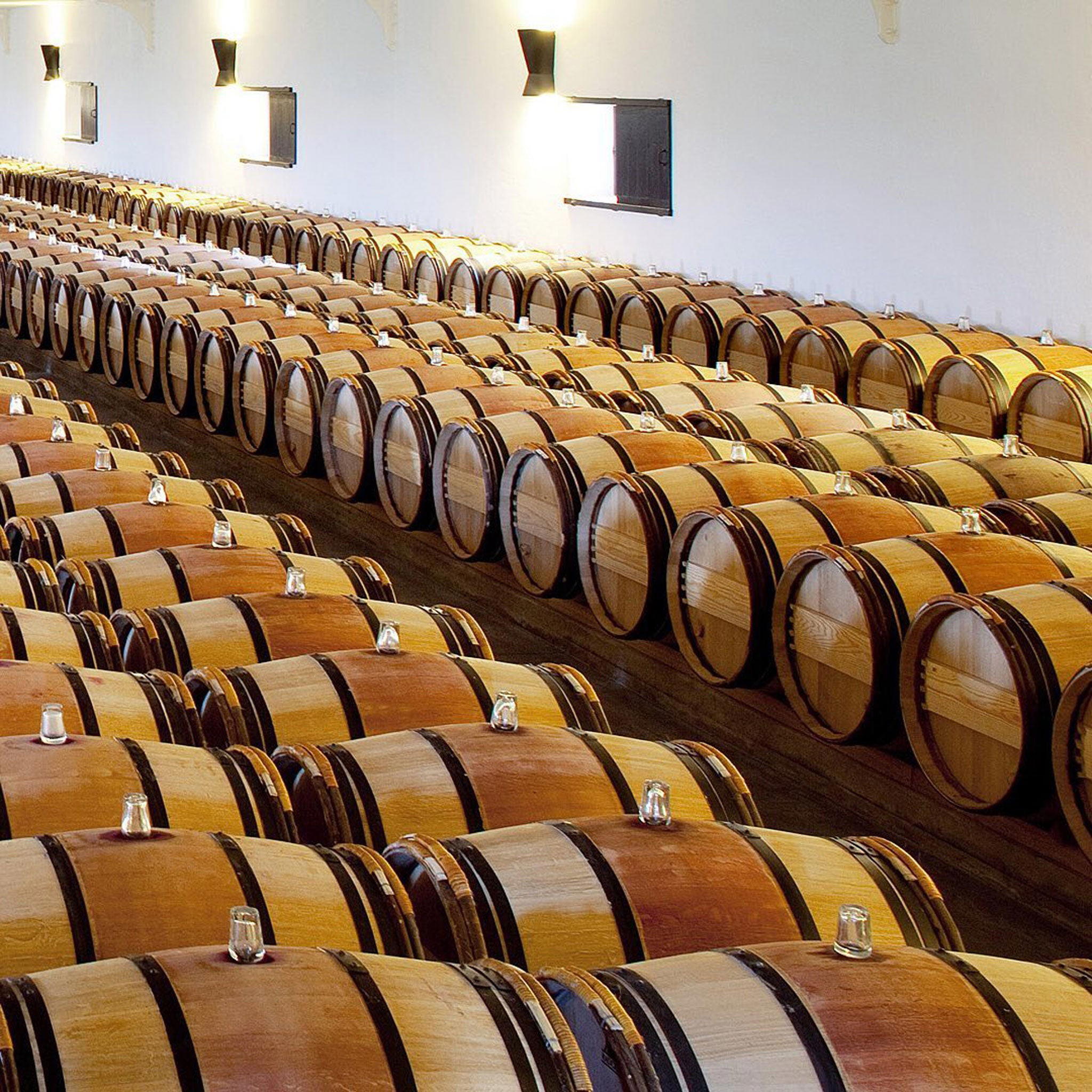
Jacques Selosse sits quietly in Avize, occupying a small, austere village on the chalky slopes of the Côte des Blancs. The tone of the place is understated rather than theatrical: narrow lanes, vineyards tight to the houses, and a domaine whose influence grows from rigorous winemaking rather than visitor spectacle. The estate reads like a working, idea-driven producer—the kind of address where a winemaker’s philosophies about terroir and oxidative approaches shape every bottle. Visiting here feels like stepping into a lineage and an argument about Champagne’s possibilities rather than into a polished tourist showcase.
Best For
This is a destination for the serious wine traveler and anyone curious about terroir-driven Champagne. The domaine’s place in the grower Champagne movement and its decades-long reputation make it especially rewarding for people seeking deep context—students of winemaking, collectors, and those pursuing wine education. Because Selosse emphasizes vineyard expression and experimental techniques, it also suits celebratory visits where the provenance and distinctiveness of the wines are the focus. The experience rewards attention and prior interest rather than casual stopovers.
Tasting Tips
Expect a focused, low-key experience rather than a commercial visitor center. The description stresses there is "no visitor spectacle" and no sweeping cave complex for coach tours, so frame your visit around tasting and learning rather than sightseeing. Read up beforehand on the domaine’s history and Anselme Selosse’s approach so you can engage with the wines’ context; the address in Avize and the village’s austerity mean the setting is about terroir and technique, not hospitality theatrics.
Venue details
Ambiance
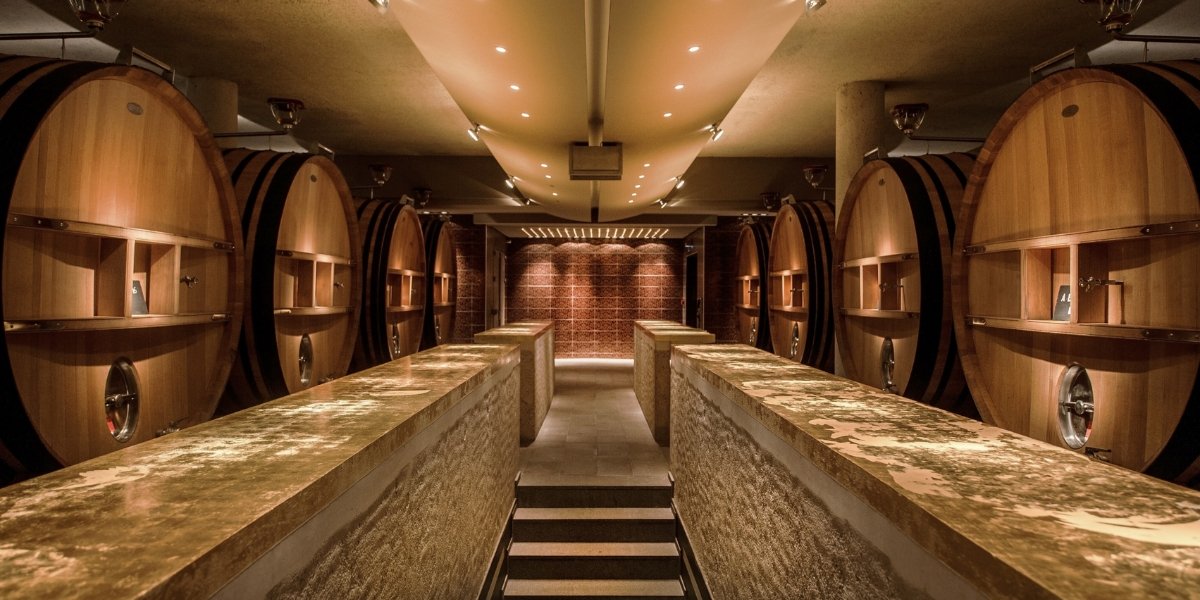
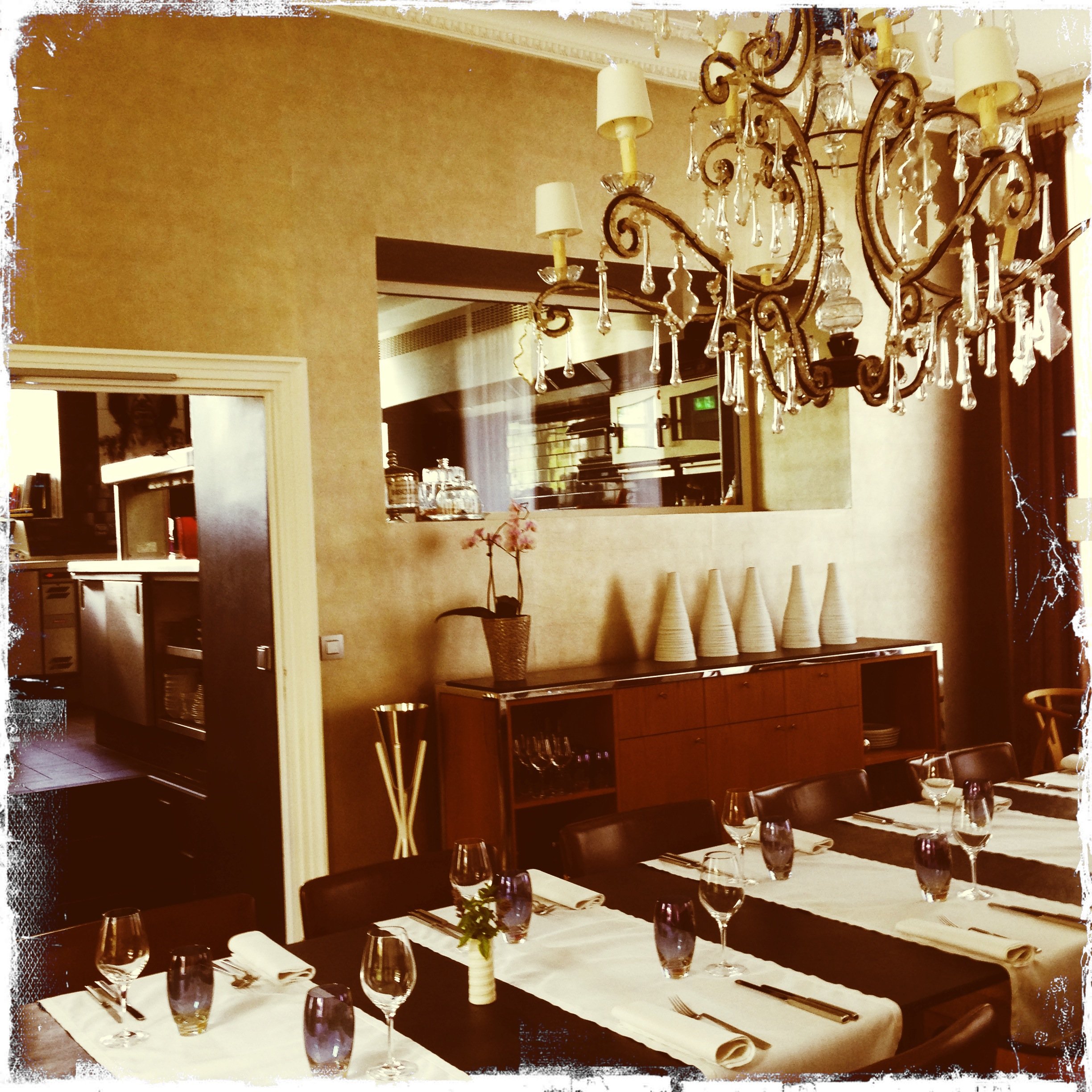
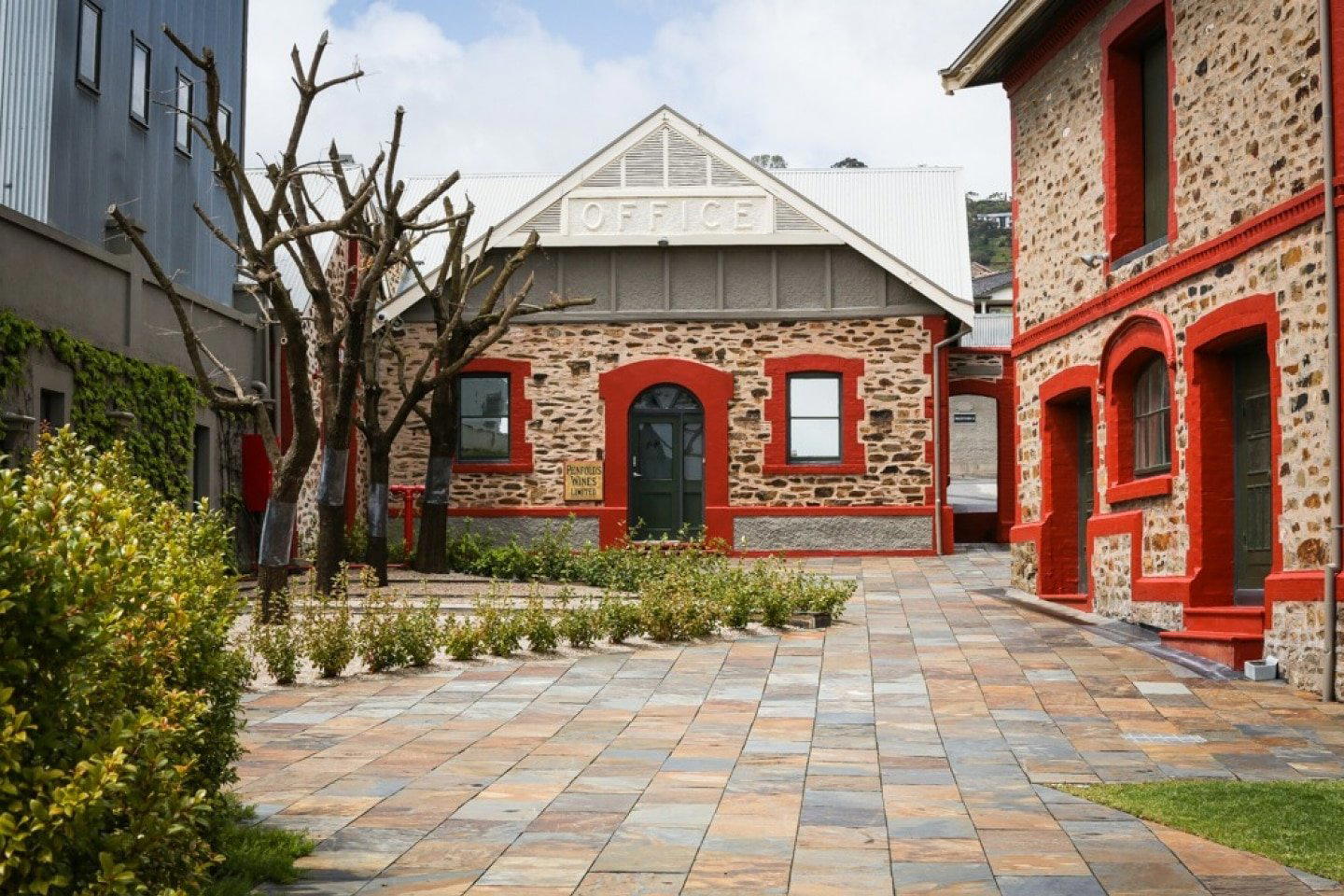
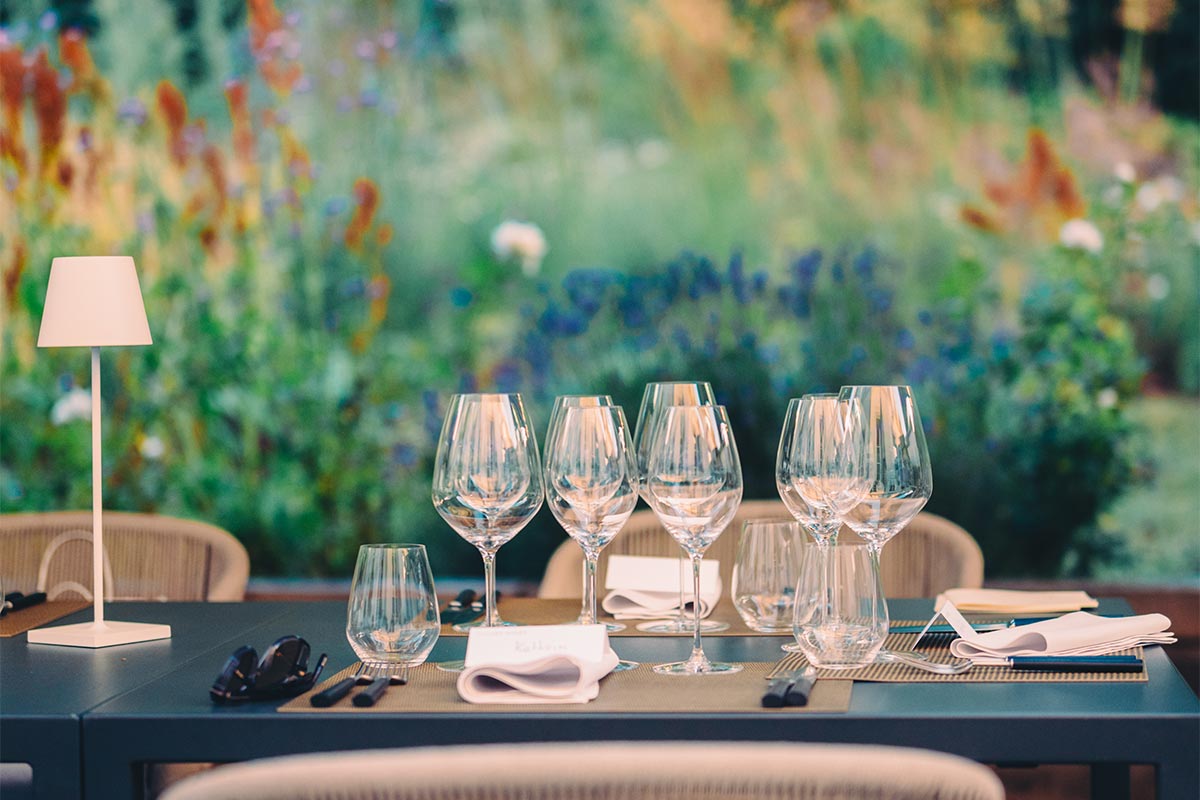
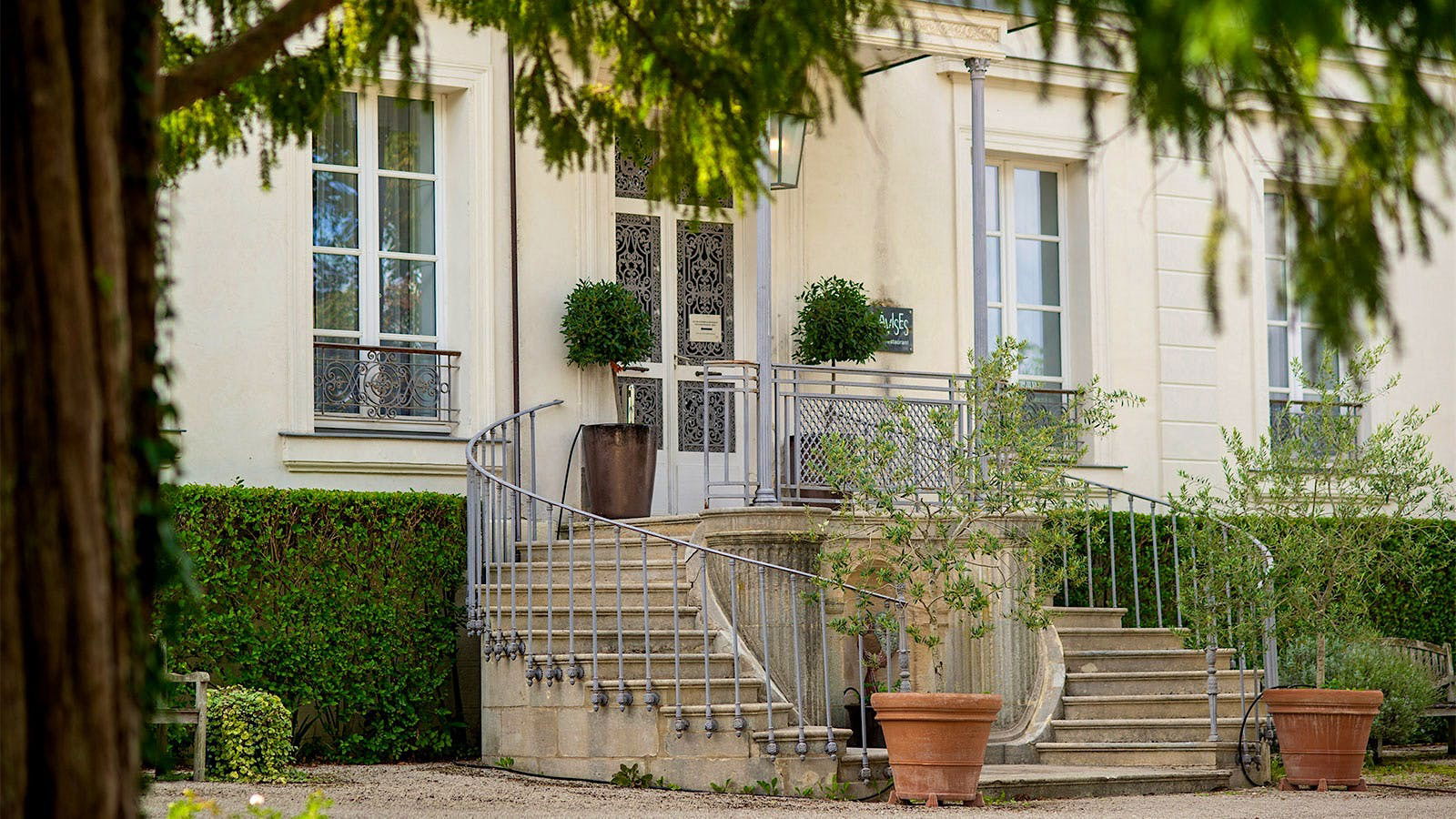
Minimal rustic winery with down-to-earth charm paired with elegant, intimate hotel and restaurant settings.
Tags
Vibe
Best For
Experience
Sourcing
View
At the Vineyard
- Appellation
- Côte des Blancs
- Varietals
- Chardonnay, Pinot Noir
- Tour Duration
- 60-90 minutes
- Tour Languages
- French, English
- Visits
- By appointment only
- Farming
- Biodynamic
- Production
- Small producer
- Wine Styles
- Sparkling
- Food Pairing
- Offered
- Wine Club
- Available
Know before you go
Know Before You Go
- Getting there
- 59 Rue de Cramant, 51190 Avize
Planning details
Location
59 Rue de Cramant, 51190 Avize · Directions
Recognition and awards

Also consider
Also Consider
- Agrapart & Fils, Notable alternative
- Delamotte, Notable alternative
- Champagne Salon, Notable alternative
- Pierre Peters, Notable alternative
- Pierre Gimonnet & Fils, Notable alternative
Winery context
How it compares in Avize and the Côte des Blancs
Jacques Selosse is the splurge-in-effort choice: not because a price is listed here, but because the opportunity cost and access pressure are higher than a casual winery stop. Agrapart & Fils is the closest practical cross-shop in Avize for travelers who want a serious grower-Champagne comparison without making the entire day depend on one name.
Delamotte and Champagne Salon suit a different reader: someone trying to understand the polished, house-led side of the Côte des Blancs. Choose them over Jacques Selosse if the desired experience is broader brand context and a more formal Champagne reference point. Choose Jacques Selosse if the point is producer identity and a more specialist grower lens.
Pierre Peters and Pierre Gimonnet & Fils are the smarter additions for a Chardonnay-focused itinerary. They make the day feel comparative rather than trophy-driven, which is useful if the group includes serious tasters who want to leave Avize with a clearer read on style, not just a single hard-won appointment.
Explore Avize
Around this place
Discover more on Pearl
Unlock the full Jacques Selosse guide in Pearl, including awards, comparisons, FAQs, planning details, and nearby places.
Compare Jacques Selosse
| Venue | Location | Awards |
|---|---|---|
| Jacques Selosse | Avize | 2026 Falstaff Winery Guide2025 Pearl 5 Star Prestige |
| Agrapart & Fils | Avize | 2026 Falstaff Winery Guide2025 Pearl 4 Star Prestige |
| Delamotte | Le Mesnil-sur-Oger | 2026 Falstaff Winery Guide2025 Pearl 4 Star Prestige |
| Champagne Salon | Le Mesnil-sur-Oger | 2026 Falstaff Winery Guide2025 Pearl 5 Star Prestige |
| Pierre Peters | Le Mesnil-sur-Oger | 2026 Falstaff Winery Guide2025 Pearl 4 Star Prestige |
| Pierre Gimonnet & Fils | Cuis | 2026 Falstaff Winery Guide2025 Pearl 4 Star Prestige |
How Jacques Selosse Avize compares with similar nearby venues.
FAQ
Frequently Asked Questions
Who leads Jacques Selosse?
What other names are useful comparisons for Jacques Selosse?
Agrapart & Fils, Delamotte, Champagne Salon, Pierre Peters, and Pierre Gimonnet & Fils are useful comparison names to consider alongside Jacques Selosse when planning in and around Avize.
Does Jacques Selosse serve food?
No food program, cuisine type, or menu format is available here. If food is important to the plan, arrange dining separately and confirm any Jacques Selosse-specific details directly with the venue.
What should I wear to Jacques Selosse?
The dress code is smart casual. That is the safest standard to follow unless the venue gives you more specific instructions when you book or confirm your visit.
Where is Jacques Selosse located?
How long should I plan for a visit to Jacques Selosse?
Can Jacques Selosse handle large groups?
No group-size information is available. If you are planning for a larger party, ask the venue directly before making Jacques Selosse the fixed point of the itinerary.