

Winery in Avdira, Greece
Ktima Vourvoukelis
500Pearl PointsWine-led stop
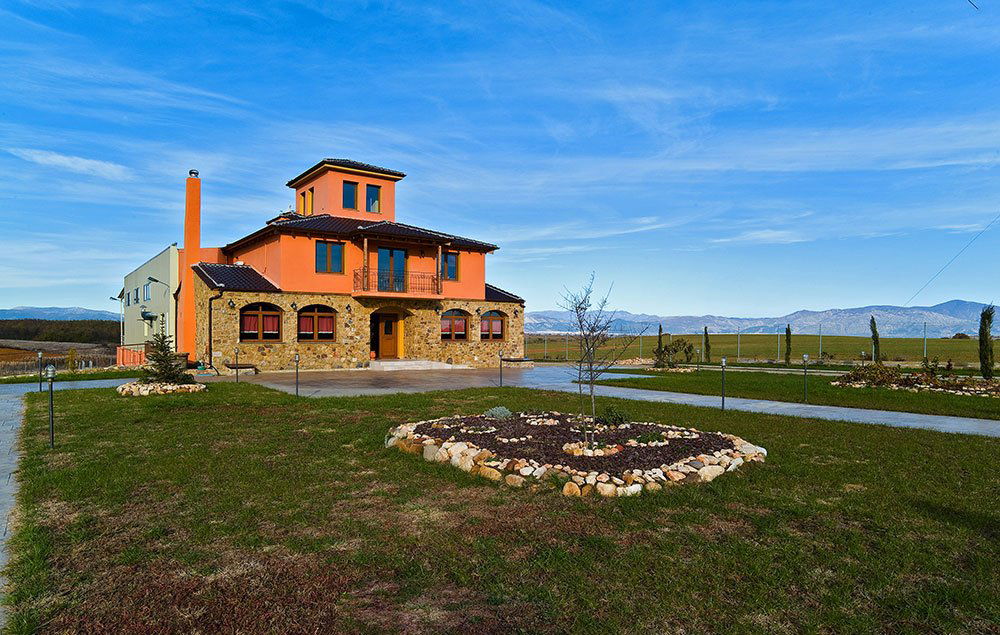
About Ktima Vourvoukelis
Ktima Vourvoukelis is worth prioritizing if Avdira wine is the point of the trip, not a side stop. Treat it as the anchor of the day: plan conservatively, confirm arrangements before bringing a group, cross-shop Anatolikos Vineyards or the regional distillery options if the itinerary needs easier logistics or a spirits focus.
Ktima Vourvoukelis is a venue in Avdira with confirmed Pearl 2 Star Prestige recognition for 2025. Because the verified record is limited, the most reliable way to plan around it is to keep the page grounded in what is known: the venue name, Avdira location, casual dress code, the confirmed recognition.
Use Ktima Vourvoukelis as a considered stop in an Avdira plan, but do not assume specific visit formats, food service, tasting details, group capacity, purchase options, or opening arrangements from this record alone. Confirm any time-sensitive or service-specific detail directly before building the rest of the day around it.
Make it the anchor stop, not the extra stop
The strongest verified reason to prioritize Ktima Vourvoukelis is its Pearl 2 Star Prestige recognition for 2025. That gives it a clear planning signal within Avdira, even though the available verified details do not specify a format, menu, schedule, price, or reservation policy.
Plan conservatively. Casual dress is confirmed, but other practical details should be checked before arrival. If the day depends on a meal, a structured visit, a large-group arrangement, or a specific purchase option, confirm those points separately rather than assuming they are part of the experience.
Who should choose this over the regional alternatives
Choose Ktima Vourvoukelis if you want to include a Pearl 2 Star Prestige-recognized Avdira venue in the plan. For comparison across the wider region, Anatolikos Vineyards, Château Nico Lazaridi, Nico Lazaridi Winery (Magiko), Costa Lazaridi Distillery, Thrace Distillery are the relevant names to consider before finalizing the route.
The practical call: make Ktima Vourvoukelis a priority when its confirmed recognition and Avdira location fit the day. If your plans depend on specific services, timings, visit formats, group arrangements, or purchasing options, verify those details directly before committing.
Frequently Asked Questions
What other venues can I compare with Ktima Vourvoukelis?
For comparison across the wider region, consider Anatolikos Vineyards, Château Nico Lazaridi, Nico Lazaridi Winery (Magiko). Costa Lazaridi Distillery and Thrace Distillery are also relevant regional options if you are comparing different types of stops.
Do I need a reservation at Ktima Vourvoukelis?
The verified record does not confirm a reservation policy. Ktima Vourvoukelis is in Avdira and has Pearl 2 Star Prestige recognition for 2025, so it is sensible to confirm arrangements directly before planning around a visit.
Does Ktima Vourvoukelis offer delivery or shipping?
Delivery and shipping are not confirmed in the verified record. If purchasing, delivery, or shipping matters to your plan, ask Ktima Vourvoukelis directly before relying on it.
Does Ktima Vourvoukelis offer a membership program?
A membership program is not confirmed in the verified record. Base any decision on details provided directly by Ktima Vourvoukelis rather than assuming recurring access or member benefits are available.
Can Ktima Vourvoukelis handle large groups?
Large-group handling is not confirmed in the verified record. If you are planning for more than a small party, confirm capacity and arrangements directly with the venue.
How long should I plan for a visit to Ktima Vourvoukelis?
The verified record does not state visit length, format, or opening arrangements. Treat Ktima Vourvoukelis as an Avdira venue worth confirming in advance, especially if timing matters to your itinerary.
What is Ktima Vourvoukelis best known for?
The verified record confirms its Avdira location, casual dress code, Pearl 2 Star Prestige recognition for 2025. No specific product, service format, or signature offering is confirmed, so check directly with the venue if those details matter to your plan.
Location
20th km 67061, Avdira 671 34
Avdira, Greece
Compare Ktima Vourvoukelis
| Venue | Location | Awards |
|---|---|---|
| Ktima Vourvoukelis | Avdira | Pearl 2 Star Prestige (2025) |
| Anatolikos Vineyards | Xanthi | , |
| Thrace Distillery | Komotini | , |
| Château Nico Lazaridi | Drama | , |
| Costa Lazaridi Distillery | Drama | , |
| Nico Lazaridi Winery (Magiko) | Kavala | , |
How Ktima Vourvoukelis Avdira compares with similar nearby venues.
Also Consider
- Anatolikos Vineyards, Notable alternative
- Thrace Distillery, Notable alternative
- Château Nico Lazaridi, Notable alternative
- Costa Lazaridi Distillery, Notable alternative
- Nico Lazaridi Winery (Magiko), Notable alternative
How it compares in the Avdira wine circuit
Anatolikos Vineyards is the closest wine-first comparison for readers deciding between cellar visits, while Ktima Vourvoukelis is the stronger pick when the day is centered on Avdira itself. Choose Anatolikos if the route already points that way; choose Ktima Vourvoukelis if the goal is a focused local winery stop rather than a broader regional sweep.
Thrace Distillery and Costa Lazaridi Distillery are better fits for groups that want spirits rather than a wine-led visit. They are not direct substitutes for a vineyard itinerary, but they are useful fallbacks when the group is split between wine and distillation.
Château Nico Lazaridi and Nico Lazaridi Winery (Magiko) make more sense for travelers willing to widen the route beyond Avdira. If convenience and local focus matter, stay with Ktima Vourvoukelis; if the day is about comparing estates across the region, add one of the Lazaridi stops instead of trying to force too many visits into one schedule.
Explore Avdira
Save or rate Ktima Vourvoukelis on Pearl
Keep this venue in your Pearl passport, rate it after you visit, and track it alongside every other place you collect.