
Winery in Atlas Peak (Napa), United States
VinRoc
500ptsVolcanic Terroir Precision
About VinRoc
Positioned on the refined terrain of Atlas Peak, VinRoc earned a Pearl 2 Star Prestige rating in 2025, placing it among a select tier of Napa producers operating at altitude with serious critical recognition. The appellation's volcanic soils and cooler diurnal shifts shape wines with a structural character distinct from valley-floor Cabernet. For visitors planning a Napa itinerary around precision viticulture, Atlas Peak merits attention.
Elevation as a Winemaking Argument
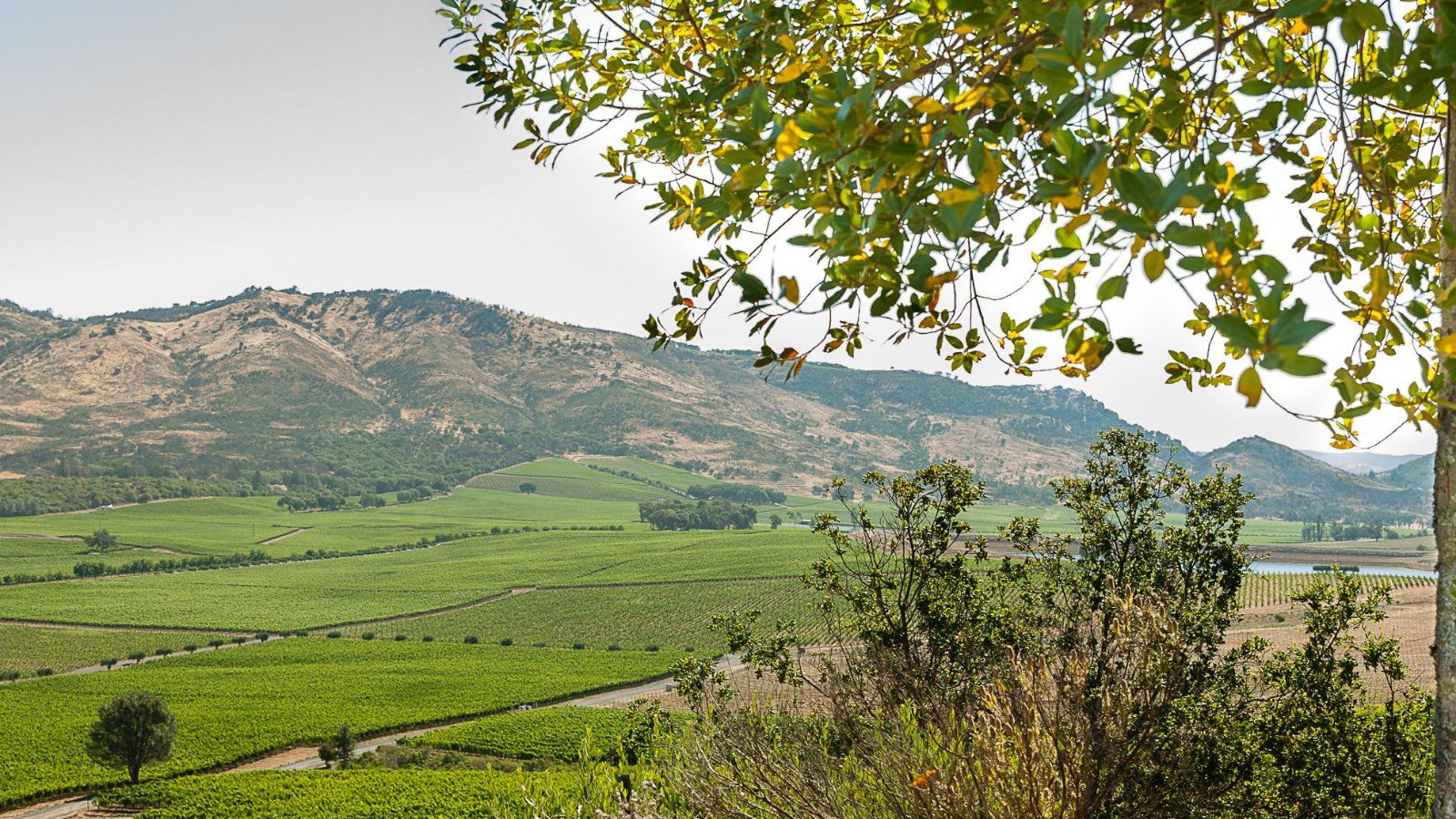
The road to Atlas Peak climbs away from the Napa Valley floor in a way that changes how you think about the region. Below, the famous names line Highway 29 in orderly succession. Up here, the vineyards sit above the fog line, exposed to sharper temperature swings and rooted in volcanic, iron-rich soils that behave differently from the alluvial benchland that defines much of Napa's commercial identity. VinRoc operates within this distinct appellation, and its 2025 Pearl 2 Star Prestige recognition reflects a tier of quality that puts it in serious company among Atlas Peak producers, including neighbors like Antica Napa Valley and Seven Apart.
Atlas Peak's case as a distinct winegrowing zone rests largely on that elevation and geology. The volcanic tuff and red clay soils stress the vines in ways that concentrate flavor and limit yields naturally, without requiring aggressive canopy management. The diurnal temperature range, often 40 to 50 degrees Fahrenheit between daytime highs and nighttime lows, extends the growing season and preserves acidity in a way that valley-floor sites rarely achieve. These are not abstract viticulture talking points. They translate directly into the structure of the wines: firmer tannins, higher natural acidity, and a mineral character that sets Atlas Peak Cabernet apart from the richer, more immediately giving wines produced at lower elevations.
Viticulture in Volcanic Terrain
The sustainability conversation in Napa has grown more specific over the past decade. Early certifications were largely about water use and chemical reduction. The current generation of producers at Atlas Peak is working through questions that go deeper: how volcanic soils interact with microbial life, how cover cropping functions at altitude where erosion risk is higher, and how regenerative practices change the flavor signature of wines grown in already-stressed terroir.
High-elevation viticulture demands a different kind of attention. The physical isolation of sites like Atlas Peak means that farming decisions made here rarely benefit from the infrastructure and resources available to large valley-floor operations. Smaller production volumes are partly a function of the terrain itself, where mechanization is limited and hand-harvesting is often the only practical option. The result is a set of wines that carry the imprint of place more directly than wines produced at scale, a point that the Pearl 2 Star Prestige rating for VinRoc in 2025 implicitly acknowledges.
Across the Atlas Peak appellation, producers like Hesperian Wines, Jean Edwards Cellars, and Levendi Winery are each making different arguments about what the appellation can produce. The emerging consensus is that restraint and site-specificity matter more here than anywhere in the broader Napa region, and that the most successful wines from this elevation prioritize structure over immediate appeal.
Where VinRoc Sits in the Atlas Peak Peer Set
Napa's premium tier has stratified considerably. At the leading, allocation-only cult producers command prices that reflect scarcity and critical consensus rather than production costs. Below that, a mid-prestige band of producers with sustained critical recognition, verifiable viticulture credentials, and limited but accessible production volumes occupies a position that is arguably more interesting for serious buyers. VinRoc's 2025 Pearl 2 Star Prestige rating places it in that second tier, alongside producers whose wines reward cellaring and whose supply is constrained by geography rather than marketing strategy.
The comparison with valley-floor producers is instructive. Operations like Alpha Omega Winery in Rutherford or Accendo Cellars in St. Helena draw on different soil profiles and microclimates. The valley floor delivers consistency and volume; Atlas Peak delivers variability and character. Neither is a superior position in absolute terms, but for buyers specifically interested in site expression and structural longevity, the elevation wines make a distinct case.
Nationally, the conversation about terroir-driven American wine now extends well beyond California. Producers like Adelsheim Vineyard in Newberg, Adelaida Vineyards in Paso Robles, and Alban Vineyards in Arroyo Grande are each making site-specific arguments in their respective appellations. What distinguishes Atlas Peak is that its volcanic geology gives it a case that is geologically verifiable, not just marketing-driven. VinRoc operates within that argument.
Planning a Visit to Atlas Peak
Atlas Peak sits east of the Napa Valley floor, accessible via Atlas Peak Road from the city of Napa. The drive itself is part of the experience: the road narrows and steepens as it climbs, and the views back across the valley appear in stages. Most Atlas Peak properties require advance contact for visits, and the area does not have the walk-in tasting culture of downtown Napa or the Silverado Trail. Visitors planning around VinRoc should reach out directly through the address at 4069 Atlas Peak Rd, Napa, CA 94558, as neither a website nor phone number is currently listed in public directories. The 2025 Pearl 2 Star Prestige award is a credible signal for prioritizing this producer in a broader Napa itinerary.
The logistics of an Atlas Peak day differ from a standard Napa tasting circuit. The properties here are more spread out and the road conditions require a careful driver, particularly after rain. Plan for a half-day minimum if you are visiting more than one producer on the ridge. Morning visits tend to offer cleaner air and better light; afternoon can bring heat that affects how you experience the wines. For context on the broader area, our full Atlas Peak (Napa) guide covers appellation character, seasonal timing, and the current roster of producers worth visiting.
The Wider California High-Elevation Context
Atlas Peak is not California's only high-elevation appellation making a serious case for volcanic terroir. Alexander Valley Vineyards in Geyserville and Andrew Murray Vineyards in Los Olivos each work with distinct geological conditions that produce wines with structural signatures you don't find at lower elevations. Internationally, the comparison extends further: Aberlour in Aberlour and Achaia Clauss in Patras demonstrate that site-specificity is a global conversation, not a California invention.
What makes Atlas Peak's current moment interesting is that the appellation's recognition is still growing. The critical tier that VinRoc now occupies with its Pearl 2 Star Prestige rating was not automatically given to any Atlas Peak producer a decade ago. It has been built incrementally, through consistent wine quality in a setting that demands more from the producer and delivers more to the wines.
Frequently Asked Questions
- What do visitors recommend trying at VinRoc?
- Atlas Peak's volcanic soils and high-elevation diurnal range are the defining factors behind the wines produced here, and VinRoc's 2025 Pearl 2 Star Prestige rating confirms that its output warrants serious attention. Visitors with an interest in structured, age-worthy Cabernet from a geologically distinct Napa appellation will find Atlas Peak wines, including those from VinRoc, reward comparison with valley-floor bottlings from the same vintage.
- What's the defining thing about VinRoc?
- VinRoc is an Atlas Peak producer that earned a Pearl 2 Star Prestige rating in 2025, placing it in a recognized prestige tier within a Napa sub-appellation defined by volcanic soils, high elevation, and naturally low yields. The appellation's character, rather than any single stylistic choice, sets these wines apart from the broader Napa market.
- Do I need a reservation for VinRoc?
- Atlas Peak properties typically operate by appointment rather than walk-in, and VinRoc is no exception given the appellation's remote road access. No website or phone number is currently available in public directories, so contact via the address at 4069 Atlas Peak Rd, Napa, CA 94558 or through local concierge services is the practical approach. The Pearl 2 Star Prestige recognition for 2025 suggests demand that makes advance planning advisable.
- How does VinRoc's Atlas Peak location affect the character of its wines compared to typical Napa Cabernet?
- Atlas Peak sits at elevations that push vine stress beyond what valley-floor sites experience, and the volcanic tuff soils at VinRoc's address produce grapes with higher natural acidity and firmer tannin structure than Napa's more famous benchland Cabernets. The 40-to-50-degree diurnal swings at this elevation preserve freshness through a longer growing season. The Pearl 2 Star Prestige awarded in 2025 reflects sustained quality from a site whose geological character directly shapes the wines in a measurable way.
Related editorial
- Best Fine Dining Restaurants in ParisFrom three-Michelin-star icons to the next generation of Parisian chefs pushing boundaries, these are the restaurants that define fine dining in the world's culinary capital.
- Best Luxury Hotels in RomeFrom rooftop terraces overlooking ancient ruins to Michelin-starred hotel dining, these are the luxury hotels that make Rome unforgettable.
- Best Cocktail Bars in KyotoFrom sleek lounges to hidden speakeasies, Kyoto's cocktail scene blends Japanese precision with global influence in ways you won't find anywhere else.
Save or rate VinRoc on Pearl
Keep this venue in your Pearl passport, rate it after you visit, and track it alongside every other place you collect.