

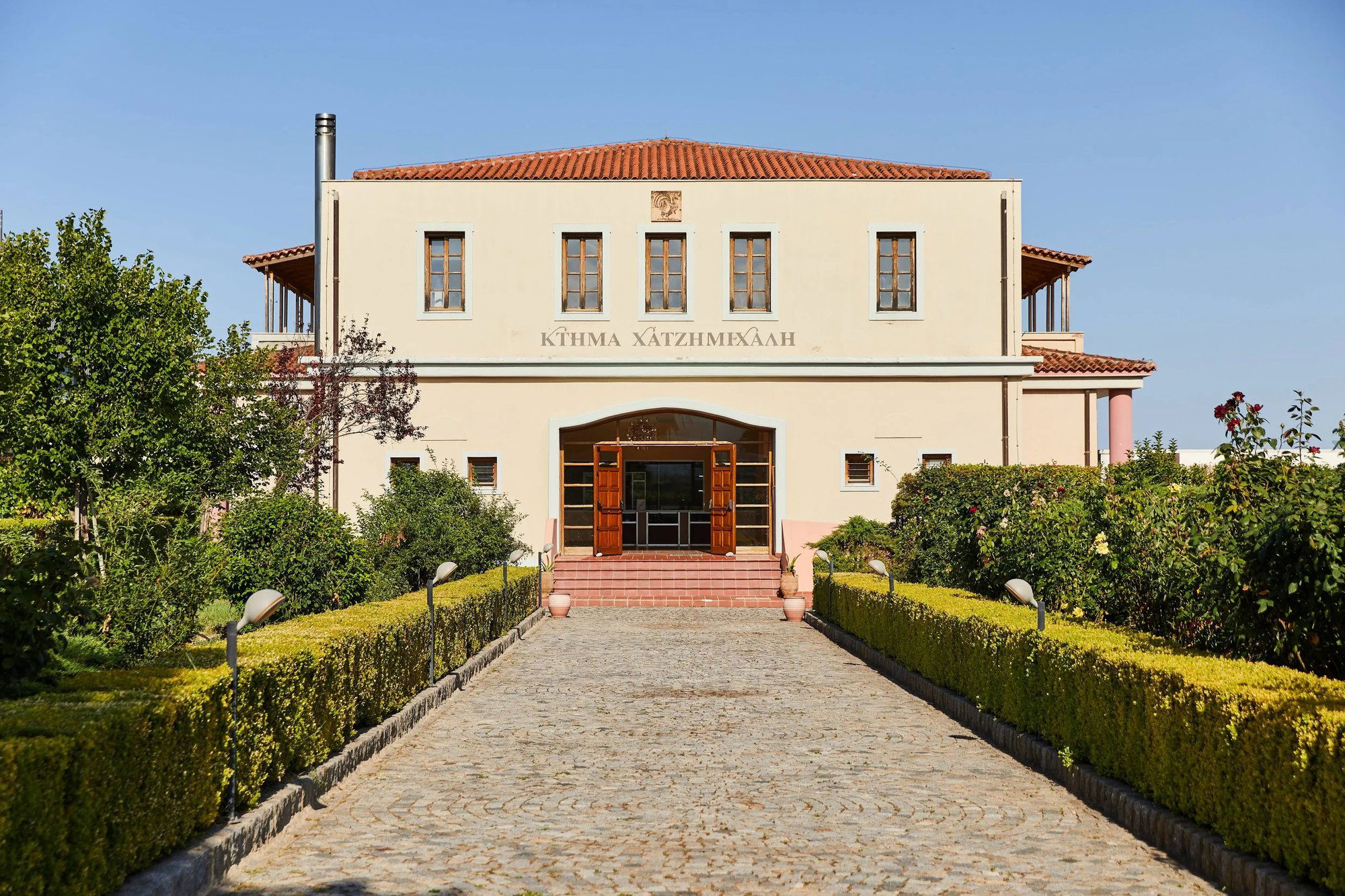
Domaine Hatzimichalis
Atalanti Valley, Atalanti
Winery in Atalanti, Greece
 Book with Pearl
The Read
Central Greece Terroir Authority
Why go
Domaine Hatzimichalis is worth prioritizing if Atalanti is already part of the trip and the goal is a serious producer visit rather than a casual tasting stop. Plan ahead and treat it as the day's anchor; mixed-interest groups may prefer a venue with clearer food or drop-in details.
About Domaine Hatzimichalis
Treat that recognition as the main reason to consider it when planning time in the area, and avoid building expectations around details such as specific services, menus, tasting formats, prices, or visitor logistics.
The confirmed dress code is smart casual, so plan for a polished but not formal visit. If the goal is a broader Atalanti day, use current local information for other plans around the visit rather than assuming specific on-site offerings.
Choose it for a recognized Atalanti stop, not for extras
That makes Domaine Hatzimichalis a notable Atalanti venue. For that reason, it is well suited to travelers who are comfortable confirming details in advance.
If you are comparing regional options, keep the comparison practical and specific. Domaine Hatzimichalis can be considered alongside La Tour Melas, Avantis Estate, Avantes Distillery, Ino Distillery, and Baxevanis Distillery, while other dining in Atalanti can be assessed separately based on current needs.
Build the day carefully if Atalanti is the anchor
The practical call is simple: make Domaine Hatzimichalis a planned Atalanti stop rather than an assumption. Confirm access, timing, and any services directly before arranging the rest of the day. The smart-casual dress code also makes it worth dressing with a little intention.
For readers comparing options, keep the benchmark realistic. Anything more specific should be with the venue before it shapes the itinerary.
Planning details
- Location
- Χουλέβαινα, Atalanti 352 00
- Website
- hatzimichalis.com/en/home
- Phone
- +30 2233 023172
The take
The Take
The Vibe
Domaine Hatzimichalis reads like a deliberate detour: a compact estate that foregrounds geography over spectacle. The region has continental rhythms: flat plains moderated by the Euboean Gulf and framed by mountain ranges that produce marked diurnal shifts. That interplay of earth, sea influence and altitude is the domaine’s central personality, and the property is quietly esteemed.
Best For
This domaine is best for curious wine travellers who favor terroir-first experiences over well-worn tourist circuits. It suits solo explorers and small groups who are comparing regional expressions: especially those interested in how continental conditions and diurnal temperature swings preserve acidity in the wines. The estate’s editorial recognition positions it for readers who track emerging Greek producers and want a more reflective, education-minded visit rather than a commercialized tasting room crowd.
Tasting Tips
When engaging with Domaine Hatzimichalis, frame conversations around terroir and acidity: significant diurnal shifts and a continental character tempered by proximity to the Euboean Gulf shape the wines. If you want context, ask how the domaine’s approach differs from nearby regional names: the description invites comparative reading against producers in adjacent traditions rather than simple varietal shorthand.
Venue details
Ambiance
Modern winery blending industrial spaces with museum exhibitions on wine history, surrounded by scenic vineyard slopes.
Tags
Vibe
Best For
Experience
Sourcing
View
At the Vineyard
- Appellation
- PGI Atalanti Valley
- Varietals
- Cabernet Sauvignon, Aglianico, Cabernet Franc, Merlot
- Tour Duration
- 60-90 minutes
- Visits
- By reservation
- Farming
- Sustainable
- Wine Styles
- Still Red, Still White, Still Rose
- Food Pairing
- Offered
- Wine Club
- Not available
Know before you go
Know Before You Go
- Getting there
- Χουλέβαινα, Atalanti 352 00
Planning details
Location
Also consider
Where to look if this does not fit
Try La Tour Melas first if the priority is another winery-led experience near the same broader circuit. For groups that want a change from wine, Avantes Distillery is the cleaner pivot because it keeps the production focus while changing the category.
Winery context
How it compares in and around Atalanti
Domaine Hatzimichalis is the pick for travelers who want a wine-first Atalanti visit with stronger recognition behind it. La Tour Melas is the closer cross-shop for a polished winery stop, while Avantis Estate makes more sense if the itinerary is already pulling toward a broader regional wine route rather than staying tightly around Atalanti.
If booking access is the deciding factor, do not treat any of these as casual fallback stops. Avantes Distillery, Ino Distillery, and Baxevanis Distillery shift the experience toward spirits rather than wine, which can work well for groups that want variety but less well for travelers focused on vineyard context.
Value comes down to itinerary fit. Choose Domaine Hatzimichalis when the group wants Atalanti wine depth; choose La Tour Melas for another winery comparison; choose the distillery options when the day needs a different production lens and a less wine-heavy rhythm.
Explore Atalanti
Around this place
Discover more on Pearl
Unlock the full Domaine Hatzimichalis guide in Pearl, including awards, comparisons, FAQs, planning details, and nearby places.
Compare Domaine Hatzimichalis
| Venue | Location | Awards |
|---|---|---|
| Domaine Hatzimichalis | Atalanti | No published awards |
| La Tour Melas | Achinos | No published awards |
| Avantes Distillery | Chalkida | No published awards |
| Ino Distillery | Chalkida | No published awards |
| Baxevanis Distillery | Lamia | No published awards |
| Avantis Estate | Chalkida | 2026 Falstaff Winery Guide |

How Domaine Hatzimichalis Atalanti compares with similar nearby venues.
FAQ
Frequently Asked Questions
What other venues can I compare with Domaine Hatzimichalis?
For comparison planning, consider La Tour Melas and Avantis Estate, as well as Avantes Distillery, Ino Distillery, and Baxevanis Distillery. Other dining in Atalanti can be considered separately based on current needs.