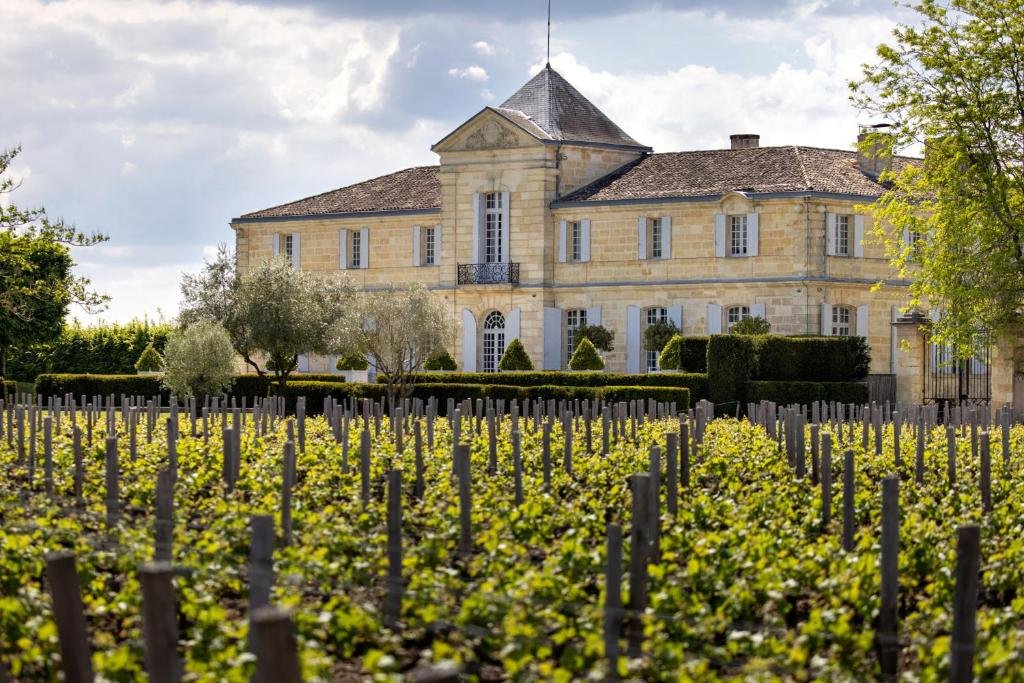
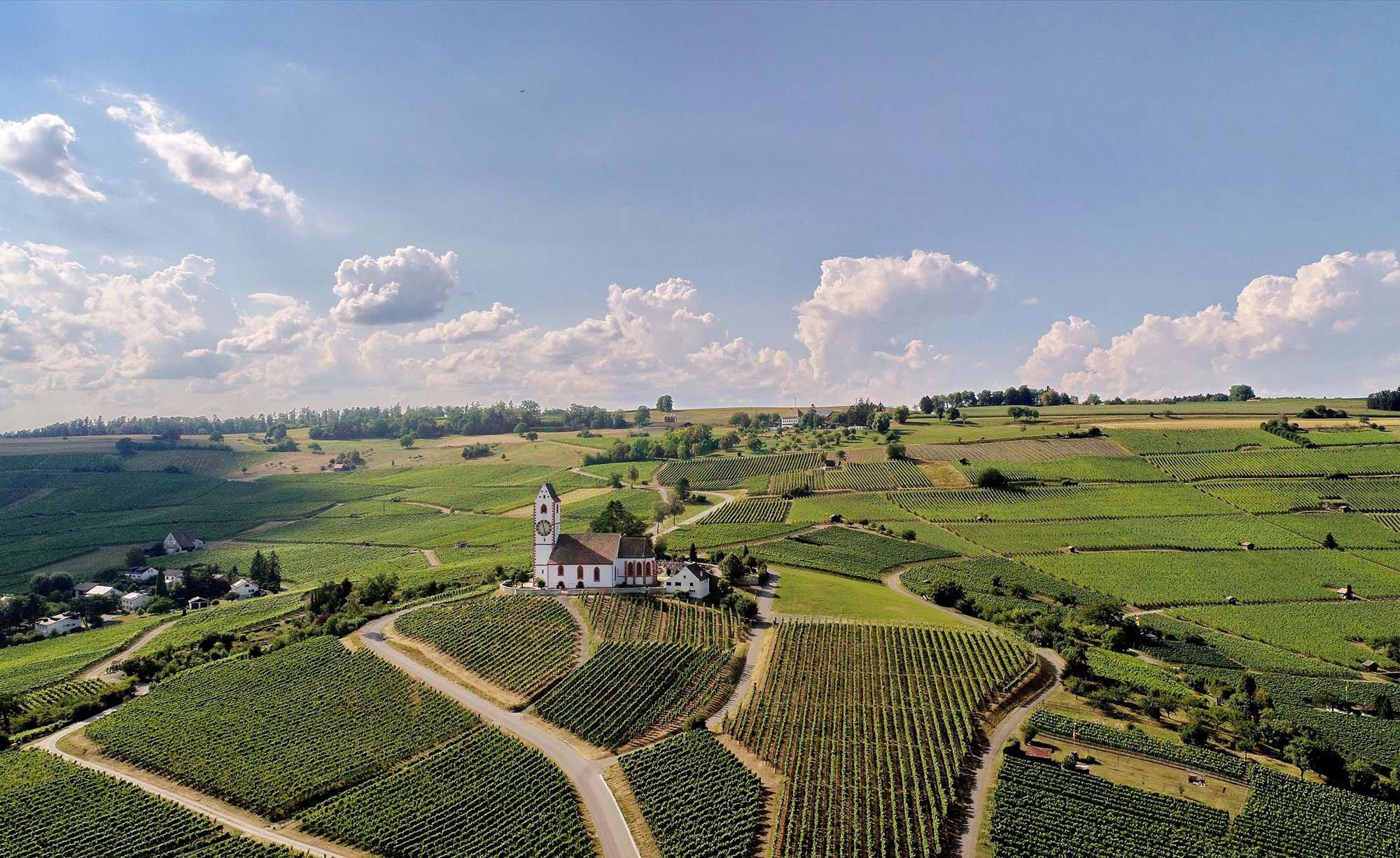
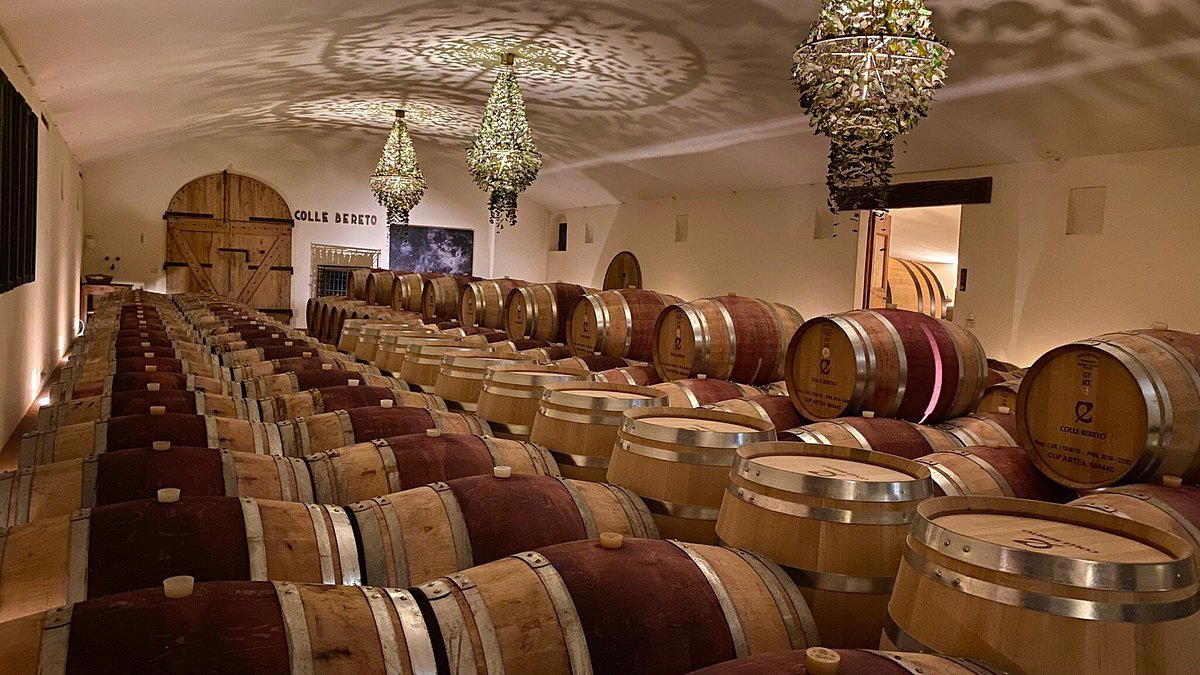
Winery in Arsac, France
Château du Tertre
750ptsArsac Terroir Precision

About Château du Tertre
Château du Tertre is a fifth-growth Margaux property in Arsac whose 2025 Pearl 3 Star Prestige recognition from EP Club places it among the Médoc's most closely watched estates. The château works a distinct terroir of gravelly ridges within the Margaux appellation, producing Cabernet Sauvignon-dominant blends that reflect the commune's characteristic finesse rather than weight. Planning a visit requires direct contact with the estate.
Arsac and the Quiet Edge of Margaux
The Margaux appellation spreads across five communes, and most visitors trace the familiar route through Margaux village itself, past the grand façades fronting the D2. Arsac sits to the south of that corridor, a quieter commune where the gravel ridges are less celebrated in guidebooks but no less present underfoot. Château du Tertre occupies one such ridge at 14 Allée du Tertre, its vineyards positioned on well-drained graves that share the same Günzian gravel geology defining the appellation's most respected parcels. This is classic Médoc terroir: the gravel absorbs solar heat, drains excess water efficiently, and forces vine roots downward into older subsoils where mineral exchange slows ripening into something more considered.
For context on how Arsac fits within the broader regional picture, our full Arsac restaurants and producers guide maps the commune's key addresses and explains its position relative to Margaux village and the other classified communes.
Fifth Growth, Margaux Classification: What That Means Now
The 1855 Classification has not been revised in any meaningful way since the addition of Mouton Rothschild to the first growths in 1973. Fifth growth status, granted at a moment when Château du Tertre's vineyards were among the commune's more productive, carries a different weight in the contemporary market than it did at classification. The relevant comparison set is not the first and second growths but rather fellow fifth growths and the cru bourgeois supérieur tier immediately below them. Properties like Château Cantemerle in Haut-Médoc, Château Batailley in Pauillac, and Château Dauzac in Labarde operate in a similar tier, each subject to the same underlying question: does the wine justify its classified position against both peers and the rising quality from unclassified estates? EP Club's 2025 Pearl 3 Star Prestige award suggests that at Château du Tertre, the answer holds.
The Pearl 3 Star Prestige designation sits at the higher end of EP Club's recognition scale and places Château du Tertre in a peer group that includes properties receiving sustained editorial attention, not just occasional critical notice. Across the Médoc, this matters: the gap between a competent classified growth and one that earns consistent third-party recognition has widened as investment has raised standards at multiple price points. Being inside the recognised tier is a more meaningful signal than raw classification rank.
Terroir Expression in the Glass
Margaux's reputation for finesse over power is not a recent rebranding. The appellation's soils, particularly the lighter gravel beds of its southern communes, produce wines with a structural elegance that distinguishes them from the denser, more tannic output of Pauillac or Saint-Estèphe to the north. Where Saint-Julien properties like Château Branaire Ducru or Château Boyd-Cantenac in Cantenac can exhibit a firmer mid-palate, the Arsac parcels tend toward a lighter extraction and more transparent fruit character, even in warmer vintages.
Cabernet Sauvignon dominates the appellation blend at most serious Margaux addresses, supported by Merlot and typically small amounts of Cabernet Franc and Petit Verdot. The gravel soils at Château du Tertre produce a Cabernet that reads as appellation-typical: aromatic precision, a tannin structure that firms on the mid-palate without coarsening, and a finish that extends further than the wine's initial weight might suggest. This is the distinctive reward of well-positioned Margaux terroir, and it's why bottles from the more reliable vintages reward patience rather than immediate opening.
Comparing across the Médoc's classified estates illuminates what is and isn't unique to this address. Properties in Pomerol like Château Clinet operate on entirely different soils, where clay over iron-rich crasse de fer gives Merlot a roundness that Cabernet-dominant Médoc wines simply don't deliver. Over in Sauternes, Château Bastor-Lamontagne in Preignac and Château d'Arche offer a completely different expression of the region's geology, where botrytis and late harvest conditions drive entirely separate quality criteria. The dry red produced by Château du Tertre sits in a category governed by its own rules of finesse and aromatic lift.
How the Médoc's Classified Tier Has Shifted
The classified growths of the Médoc now operate in a market that has fractured significantly. At the leading, first and second growths price against international prestige competitors as much as against Bordeaux peers. At the bottom of the classification, fifth growths face sustained competition from ambitious cru bourgeois supérieur estates that have invested heavily since the 2003 reclassification of that tier. This competitive pressure has had a clarifying effect: classified properties that have maintained quality investment are differentiated more sharply from those that have coasted.
In this context, a Pearl 3 Star Prestige recognition in 2025 is not a historical acknowledgment but a contemporary one. It reflects current vineyard practice and cellar standards, not inherited reputation. The comparison should be with other present-tense recognised properties: estates like Château Bélair-Monange in Saint-Emilion, which earned its own recognition tier through sustained performance rather than classification alone, demonstrate what consistent third-party validation looks like in the current market.
The Wider Context of Bordeaux's Recognised Tier
Bordeaux classified wines compete internationally against a range of producers working with comparable levels of precision. The Alsace houses, like Albert Boxler in Niedermorschwihr, operate in a completely different varietal and stylistic register but share an emphasis on site fidelity and slow market accumulation. In Napa, Accendo Cellars in St. Helena targets a different consumer profile but at comparable prestige positioning. The point is that Château du Tertre's relevance is not confined to the 1855 classification hierarchy: it operates in an international conversation about what a well-positioned, consistently recognised Cabernet-dominant estate produces.
For those building across categories, Bordeaux classified properties like this one, Provençal rosé houses such as Château d'Esclans in Courthézon, and entirely different production traditions including Chartreuse in Voiron or Aberlour in Aberlour each occupy different positions in a serious collector's range, and recognising that difference is the basis of intelligent acquisition.
Planning a Visit to Arsac
Château du Tertre's address at 14 Allée du Tertre, Arsac places it in the southern Médoc, accessible from Bordeaux via the D2 route that runs through the classified commune corridor. Arsac is roughly 25 kilometres north-west of Bordeaux city centre, a drive that forms part of the standard Médoc touring circuit. Contact details and current visiting arrangements are not confirmed in our database, and direct enquiry to the estate is the appropriate route for confirming cellar visit options, tasting formats, and seasonal access. The Médoc's larger estates typically manage visitor bookings across their full season from spring through harvest, and a property with 2025 recognition-level status may operate on a request-only or trade-appointment basis.
Frequently Asked Questions
What kind of setting is Château du Tertre?
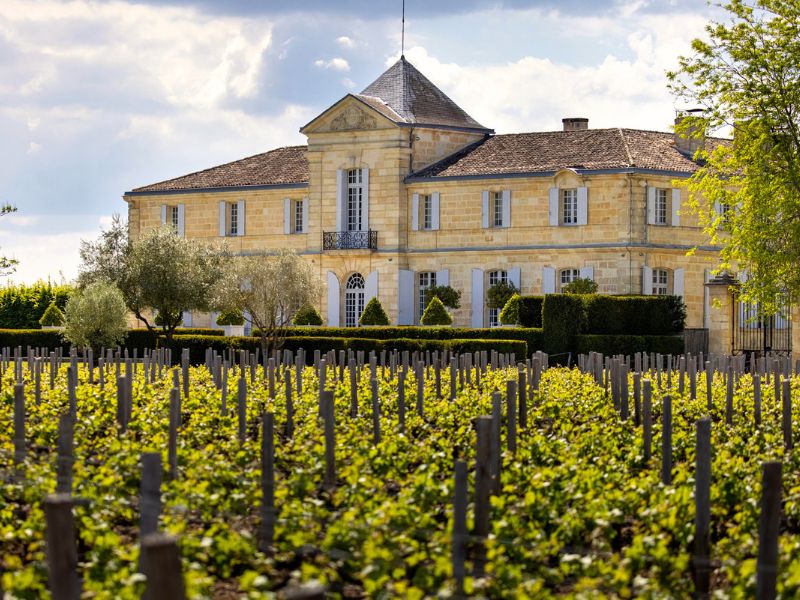
Château du Tertre is a Médoc classified growth estate in Arsac, one of five communes within the Margaux appellation. Its 2025 Pearl 3 Star Prestige recognition from EP Club places it within the higher tier of recognised classified properties. The setting is typical of this part of the southern Médoc: a château and vine-surrounded property on well-drained gravel ridges, working within the institutional framework of the 1855 Classification.
What should I taste at Château du Tertre?
Château du Tertre produces a Cabernet Sauvignon-dominant blend that is appellation-typical Margaux in character: structural finesse, aromatic definition, and a tannin profile built for medium to longer-term ageing rather than immediate drinking. As the estate earned EP Club's Pearl 3 Star Prestige in 2025, its current releases sit within a recognised quality tier that warrants attention from collectors working the Médoc's classified fifth growth level. Specific tasting notes and current vintage availability should be confirmed directly with the estate.
What is Château du Tertre leading at?
Among the Margaux appellation's fifth growths and peer properties in Arsac, Château du Tertre distinguishes itself through the terroir-expressive character its gravel-positioned vineyards produce, a quality level confirmed by its 2025 Pearl 3 Star Prestige award. The commune of Arsac operates slightly outside the highest-traffic section of the Médoc touring route, which means the estate functions without the saturation pressure facing properties directly on the main Margaux circuit. That combination of recognised quality and lower-profile positioning makes it a relevant address for focused Médoc research.
How far ahead should I plan for Château du Tertre?
Contact details including phone and website are not currently confirmed in our database, so direct planning should begin with research into the estate's current visitor programme. Properties at this recognition level across the Médoc typically manage visits by appointment, and peak periods around en primeur season in spring and harvest in autumn require earlier planning. For confirmed logistics and contact information, direct enquiry to the estate or the regional bureau at the Conseil des Vins du Médoc is the most reliable starting point.
Why does Château du Tertre matter within the Margaux appellation specifically?
Arsac-based classified estates represent a distinct sub-geography within Margaux: their gravelly ridges sit at the southern edge of the appellation, where the style tends toward lighter extraction and aromatic precision rather than body-forward concentration. Château du Tertre holds fifth growth status from the 1855 Classification and was awarded Pearl 3 Star Prestige by EP Club in 2025, confirming it as a property performing at recognised quality levels within that tradition. For collectors or visitors focused on appellation expression rather than name recognition alone, this address provides a useful reference point for how Arsac's terroir translates into the glass compared with properties in the more prominent communes.
Related editorial
- Best Fine Dining Restaurants in ParisFrom three-Michelin-star icons to the next generation of Parisian chefs pushing boundaries, these are the restaurants that define fine dining in the world's culinary capital.
- Best Luxury Hotels in RomeFrom rooftop terraces overlooking ancient ruins to Michelin-starred hotel dining, these are the luxury hotels that make Rome unforgettable.
- Best Cocktail Bars in KyotoFrom sleek lounges to hidden speakeasies, Kyoto's cocktail scene blends Japanese precision with global influence in ways you won't find anywhere else.
Save or rate Château du Tertre on Pearl
Keep this venue in your Pearl passport, rate it after you visit, and track it alongside every other place you collect.