
Tetramythos Winery
Ano Diakopto
Winery in Ano Diakopto, Greece
 Book with Pearl
The Read
Gorge-Cooled Highland Viticulture
Why go
Tetramythos Winery is the Ano Diakopto choice for travelers who want a wine-led stop in mountain Achaia rather than a casual tasting-room detour. It suits couples, small groups, and special-occasion itineraries where the route and setting matter; plan carefully if the group needs food, published visitor details, or easy fallback options.
About Tetramythos Winery
Consider Tetramythos Winery as a winery stop in Ano Diakopto. The essentials are limited but useful: it is a winery in Ano Diakopto, the dress code is casual, and it carries Pearl 2 Star Prestige recognition for 2025.
Because detailed public-facing visit information is not confirmed here, plan the stop conservatively. Confirm practical details directly with the venue before building a full itinerary around it, especially if timing, group size, food, purchases, or transport will affect the day.
A wine-focused Ano Diakopto choice
The right reader for this booking is someone who wants a winery visit in Ano Diakopto and is comfortable verifying the operational details before arrival. If the plan is specifically wine in Ano Diakopto, start with broader Ano Diakopto planning and then decide whether the route works with the rest of the day. If the trip needs food, rooms, or evening plans nearby, cross-check those details separately before committing.
As a special-occasion choice, the strongest confirmed signal is the Pearl 2 Star Prestige (2025) recognition. Beyond that, keep expectations practical: dress casually, verify arrangements in advance, and avoid assuming any specific format, menu, tour structure, or service that has not been confirmed by the winery.
How to frame it against other Greek winery stops
For readers comparing options in a broader itinerary, Tetramythos Winery makes sense when the plan is centered on Ano Diakopto. Achaia Clauss is another venue to consider in a Greek wine itinerary; choose based on where the day is actually taking you and what each venue confirms for visits.
If the trip is built around drinks more broadly, keep the comparison practical rather than treating every venue as interchangeable. Aromas Distillery, Kanellopoulos Distillery, Notos Distillery, and Pilavas Distillery can be useful reference points for a different kind of drinks-led plan, while Tetramythos Winery remains the winery option in Ano Diakopto named here.
Bottom line: choose Tetramythos Winery when a winery stop in Ano Diakopto is the point of the day. For anything beyond the confirmed basics, contact the venue first and build the wider itinerary around details.
Planning details
- Location
- 8ο ΧΛΜ ΕΠΑΡΧΙΑΚΗΣ ΟΔΟΥ, Epar.Od. Pountas - Kalavriton, Ano Diakopto 250 03
- Website
- tetramythoswines.com
- Phone
- +30 2691 097500
The take
The Take
The Vibe
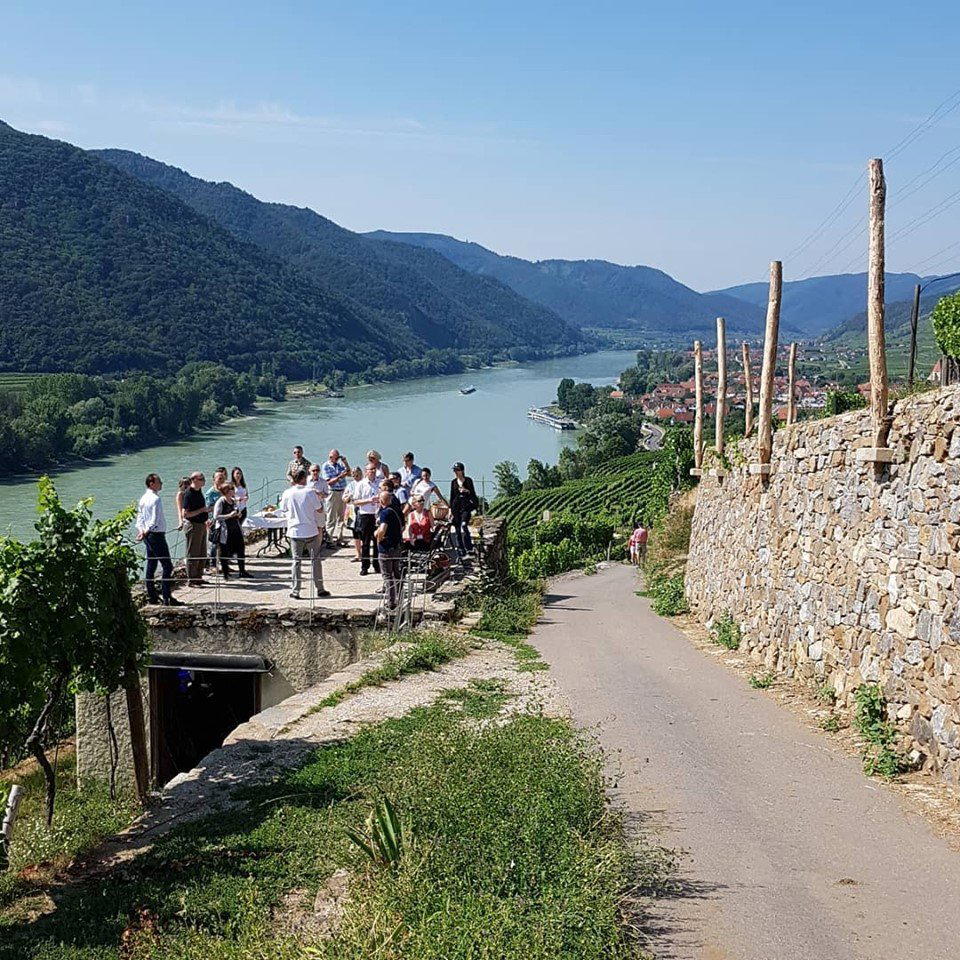
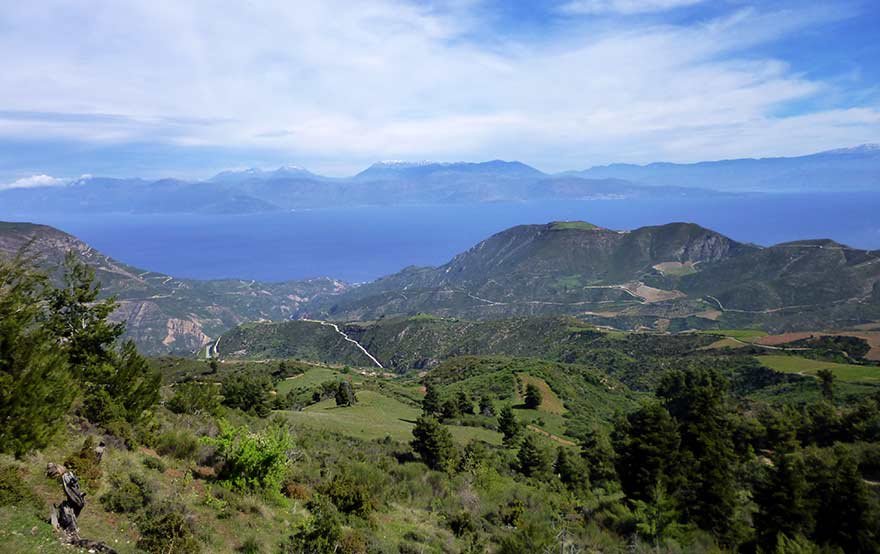
Tetramythos sits high on the northern Peloponnese escarpment, and the property reads as purposeful and restrained rather than theatrical. The writing emphasizes schist and limestone soils, marked diurnal shifts and a cooler altitude register, shaping wines that show structure and mineral definition. Visitors encounter a quiet, contemplative setting—less a tourist spectacle than a working landscape where geology and elevation take center stage. The overall impression is of a producer committed to terroir-driven expression: measured, exacting and quietly confident, appealing to travelers who favor substance over spectacle.
Best For
This is a stop for people who want to learn rather than linger for showy hospitality. The copy foregrounds terroir, soils and altitude, so Tetramythos is best for wine-education visits and focused tasting sessions—travelers who want to trace how schist, limestone and cooler temperatures shape aromatic and structural elements. Its location off the beaten path also suits solo explorers or small parties seeking an off-the-radar encounter with a region still consolidating its reputation. The winery reads as a study in place: bring curiosity and attention to detail.
Venue details
Ambiance
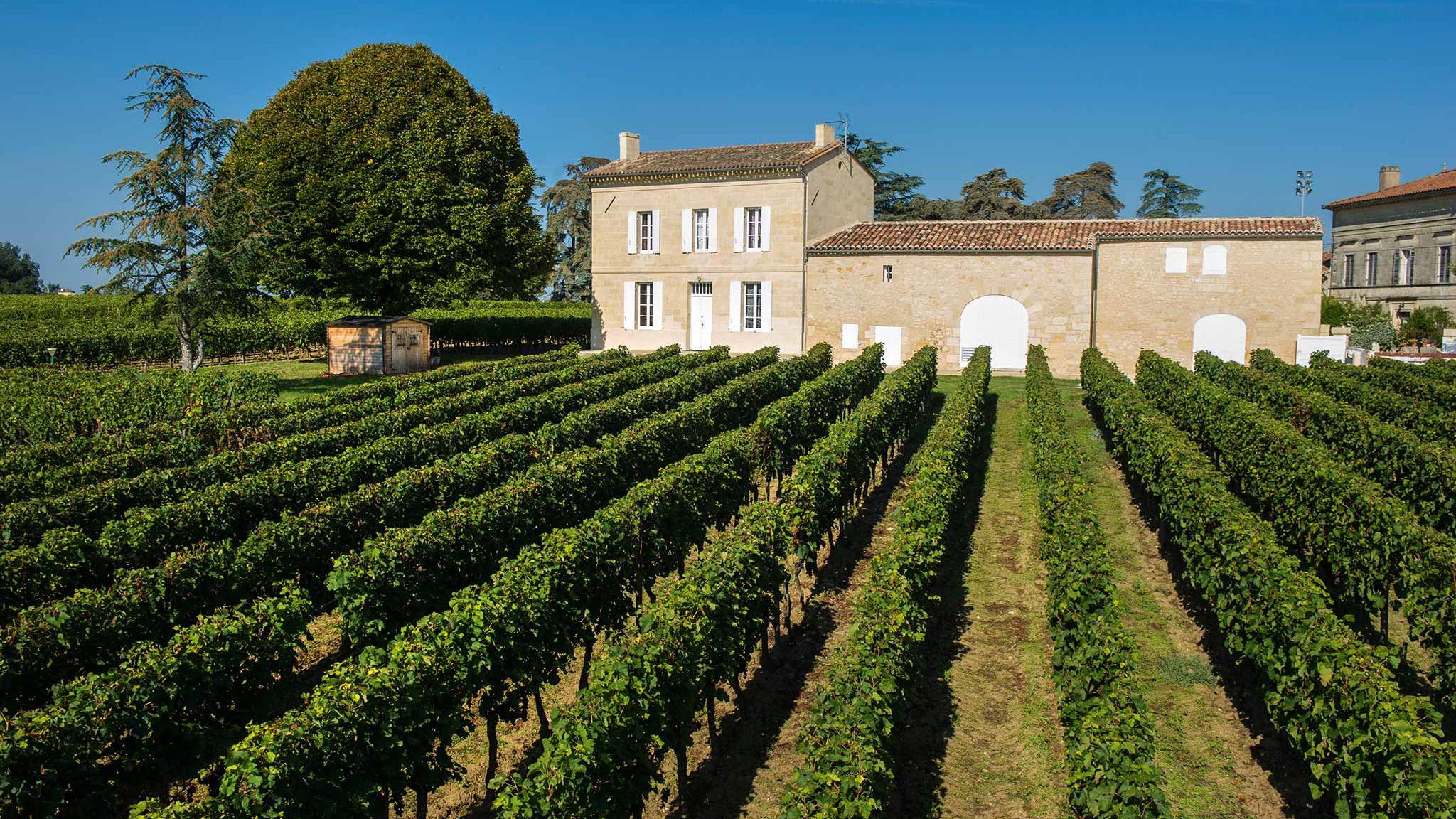
Modern purpose-built facility in sympathy with local architecture, set in scenic mountain surroundings with a welcoming, knowledgeable atmosphere.
Tags
Vibe
Best For
Experience
Sourcing
View
At the Vineyard
- Appellation
- PDO Patras
- Varietals
- Roditis, Malagousia, Agiorgitiko
- Tour Languages
- Greek, English
- Visits
- Walk-ins welcome
- Farming
- Organic
- Production
- Small producer
- Wine Styles
- Still White, Amphora, Skin Contact
- Food Pairing
- Offered
- Wine Club
- Not available
Know before you go
Know Before You Go
- Getting there
- 8ο ΧΛΜ ΕΠΑΡΧΙΑΚΗΣ ΟΔΟΥ, Epar.Od. Pountas - Kalavriton, Ano Diakopto 250 03
Planning details
Location
8ο ΧΛΜ ΕΠΑΡΧΙΑΚΗΣ ΟΔΟΥ, Epar.Od. Pountas - Kalavriton, Ano Diakopto 250 03 · Directions
Recognition and awards

Also consider
Also Consider
- Achaia Clauss, Notable alternative
- Pilavas Distillery, Notable alternative
- Kanellopoulos Distillery, Notable alternative
- Aromas Distillery, Notable alternative
- Notos Distillery, Notable alternative
Winery context
How It Compares
Achaia Clauss is the stronger choice if the priority is a more established Patras-area wine landmark with broader name recognition. Tetramythos Winery is the better fit when the Ano Diakopto mountain setting is central to the day and the group wants the visit to feel more tied to Achaia's hill country than to an urban heritage stop.
For readers deciding between wine and spirits, Pilavas Distillery, Kanellopoulos Distillery, Aromas Distillery, and Notos Distillery point the day toward distillation rather than vineyard context. Pick one of those if the group is more interested in spirits; keep Tetramythos as the first call for a wine-focused itinerary.
On booking difficulty, treat Tetramythos as the least casual option in this set: it is the one to plan around, not the fallback after lunch. For value, the decision is less about a listed price and more about whether the drive, setting, and wine focus justify the planning effort. If ease matters more than ambiance, cross-shop the distilleries; if the occasion calls for a wine-country anchor, Tetramythos is the sharper booking.
Explore Ano Diakopto
Around this place
Discover more on Pearl
Unlock the full Tetramythos Winery guide in Pearl, including awards, comparisons, FAQs, planning details, and nearby places.
Compare Tetramythos Winery
| Venue | Location | Awards |
|---|---|---|
| Tetramythos Winery | Ano Diakopto | 2026 Falstaff Winery Guide |
| Achaia Clauss | Patras | 2026 Falstaff Winery Guide2025 Decanter Winery Prestige |
| Pilavas Distillery | Patras | No published awards |
| Kanellopoulos Distillery | Patras | No published awards |
| Aromas Distillery | Patras | No published awards |
| Notos Distillery | Patras | No published awards |

How Tetramythos Winery compares with similar nearby venues.