Viader Vineyards & Winery
Angwin
Winery in Angwin, United States
 Book with Pearl
The Read
Cabernet Franc-Forward Elevation
Price
$150–200tasting
Why go
Viader Vineyards & Winery is the better choice for a serious Howell Mountain tasting day than for a casual Napa crawl. Go if you are weighing cellar purchases or membership value; compare against Arkenstone Winery, 13th Vineyard, and CADE Estate Winery before committing to an allocation model.
About Viader Vineyards & Winery
Viader Vineyards & Winery is a winery in Angwin with a smart casual dress code and Pearl 2 Star Prestige recognition for 2025.
For planning, confirm practical details directly with Viader Vineyards & Winery before building a day around the visit. That includes availability, tasting structure, cost, timing, and any requirements for your party.
A focused Angwin winery to compare carefully
Viader Vineyards & Winery can be considered alongside 13th Vineyard, Arkenstone Winery, CADE Estate Winery, Failla Wines, and Merus Wines when comparing wine options in the broader planning set. The strongest comparison is not based on claimed formats, prices, or specific wines, but on what each venue confirms directly for the date you want to visit.
The 2025 Pearl 2 Star Prestige recognition is the clearest signal available here. Use it as a reason to give Viader Vineyards & Winery attention, while still checking the winery's own channels for the practical information that determines whether it fits your itinerary.
Plan the Angwin day around confirmed details
Angwin planning works well when each stop is in advance. Before committing, confirm whether Viader Vineyards & Winery is available for your preferred date, what the visit includes, how long to allow, and whether the smart casual dress code affects your plans.
For readers comparing categories across the area, keep Viader Vineyards & Winery in the winery portion of the trip plan. For any broader Angwin itinerary, check current details for wineries, restaurants, hotels, bars, and experiences directly before making plans.
Bottom line: consider Viader Vineyards & Winery for an Angwin winery visit, supported by its 2025 Pearl 2 Star Prestige recognition. Confirm all visit-specific details directly before relying on it for timing, budget, or group planning.
Planning details
- Location
- 1120 Deer Park Rd, Deer Park, CA 94576
- Website
- viader.com
- Phone
- +1 707-963-3816
The take
The Take
The Vibe
Viader presents a terroir-forward, mountain-side personality rooted in Howell Mountain’s elevation and volcanic soils. The narrative centers on rigorous hillside viticulture and wines with pronounced structure and tannin—an approach that feels deliberate rather than decorative. Visitors encounter a composed, understated atmosphere where the land and farming choices do the talking: low-yield, stress-managed vines produce dense, phenolic fruit that favors patience and study. The overall impression is refined and contemplative, appealing to guests who prioritize provenance and technique over spectacle.
Best For
This is a stop for guests who come to Napa to learn as much as to taste. Viader rewards visitors interested in how elevation, volcanic soils and steep-site farming translate into concentrated, age-worthy wines. It suits people who have already explored valley-floor Cabernet and are seeking a different stylistic argument—serious collectors, students of terroir, and anyone wanting a focused tasting that emphasizes vineyard influence. The property’s mountain setting also makes it a good fit for quieter, more deliberate visits rather than rowdy group tastings.
Tasting Tips
When tasting here, prioritize the site-expressive bottlings: ask for wines that showcase Howell Mountain fruit and inquire about vintage-specific vineyard conditions. The copy flags thicker skins, lower yields and tannins that 'require patience,' so expect structured, tannic wines that benefit from decanting or cellar time. Also ask about the estate’s farming practices—organic, biodynamic scheduling and cover-cropping are mentioned as consequential trends—if you want context on how viticulture informs each wine’s profile.
Venue details
Ambiance
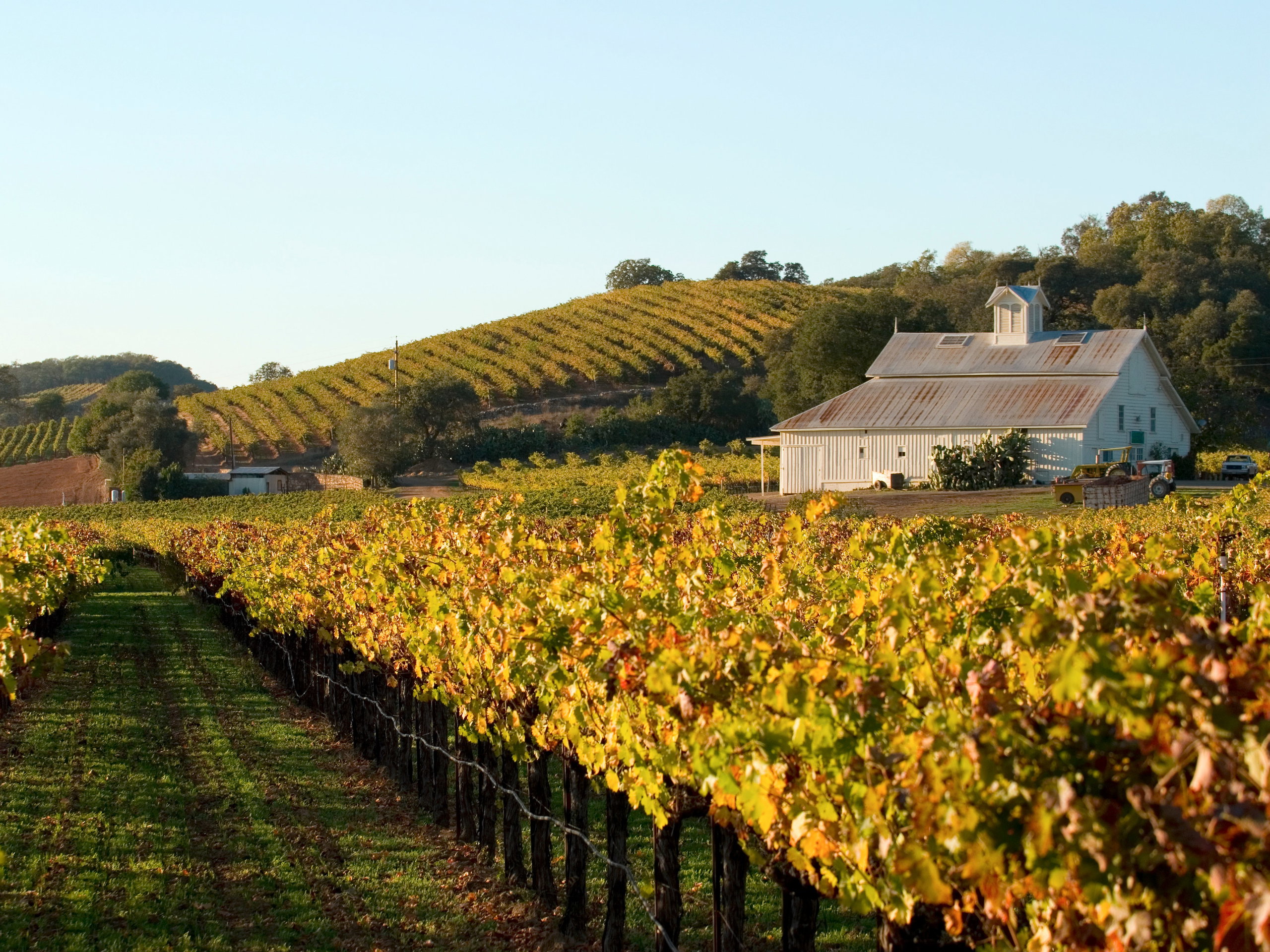
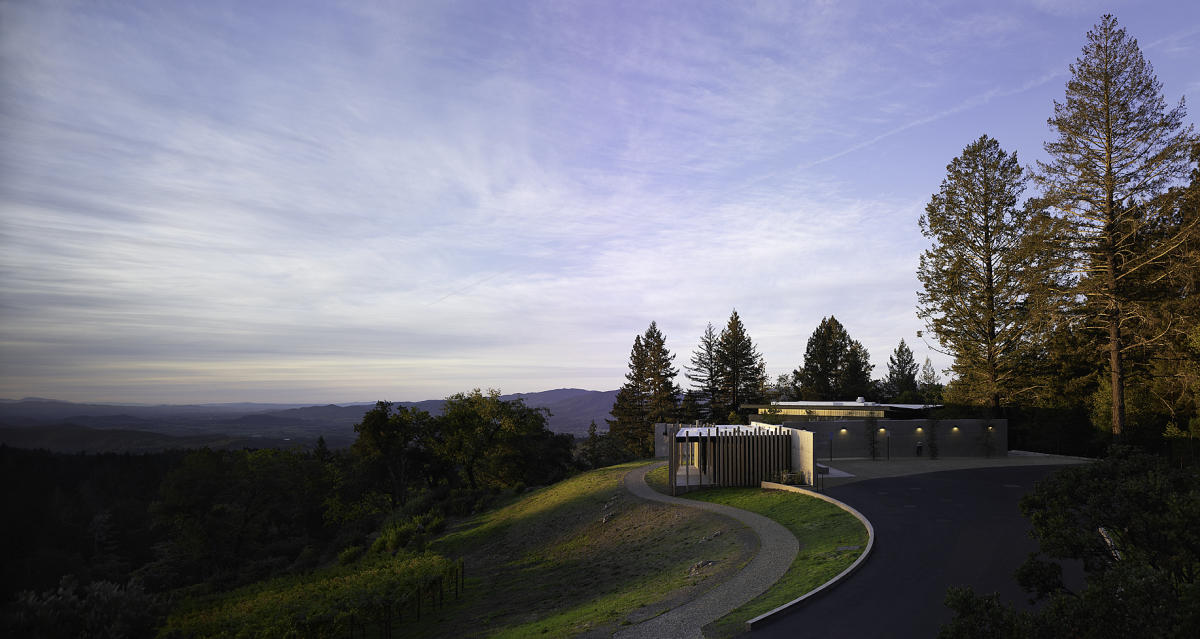
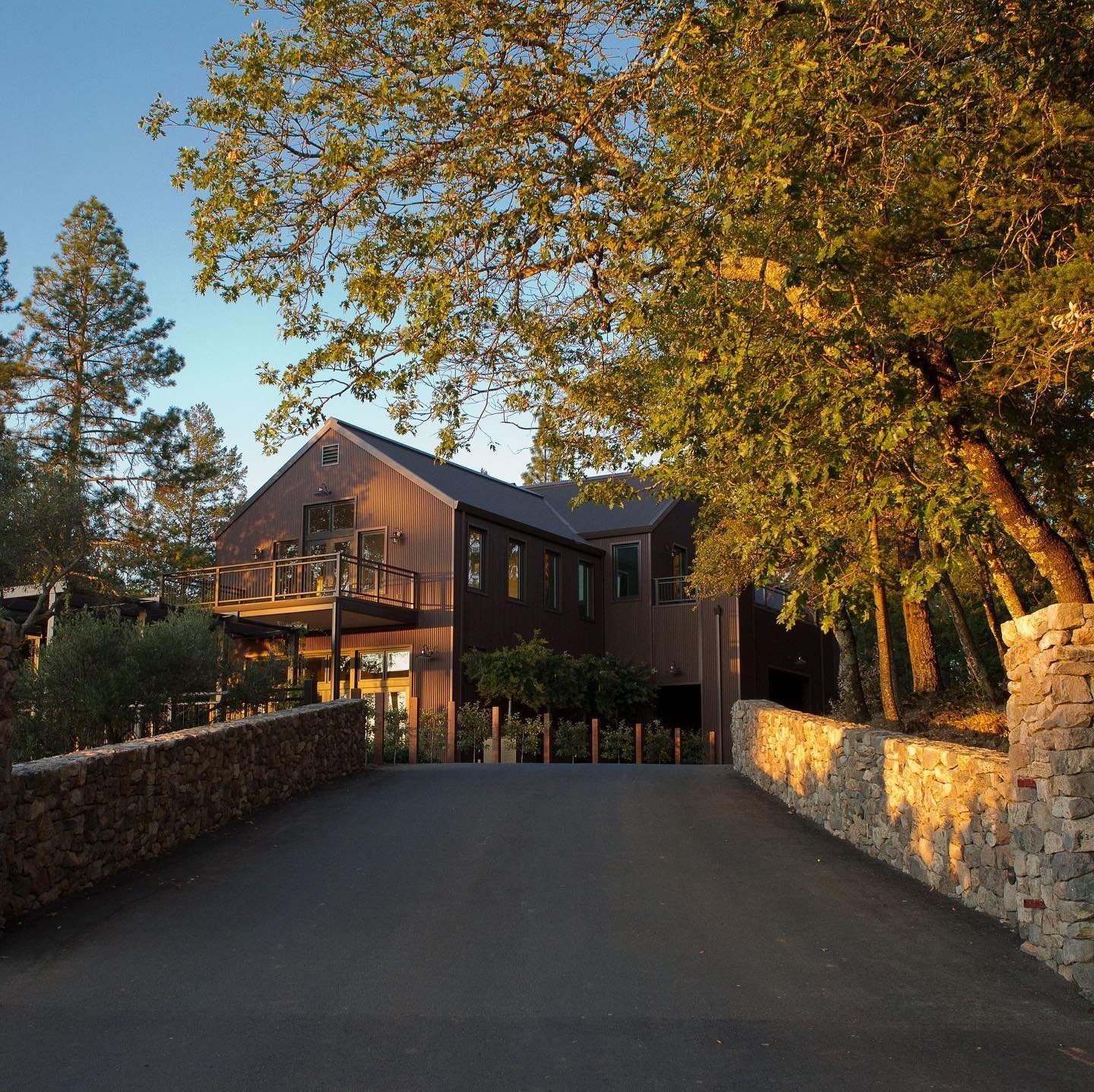
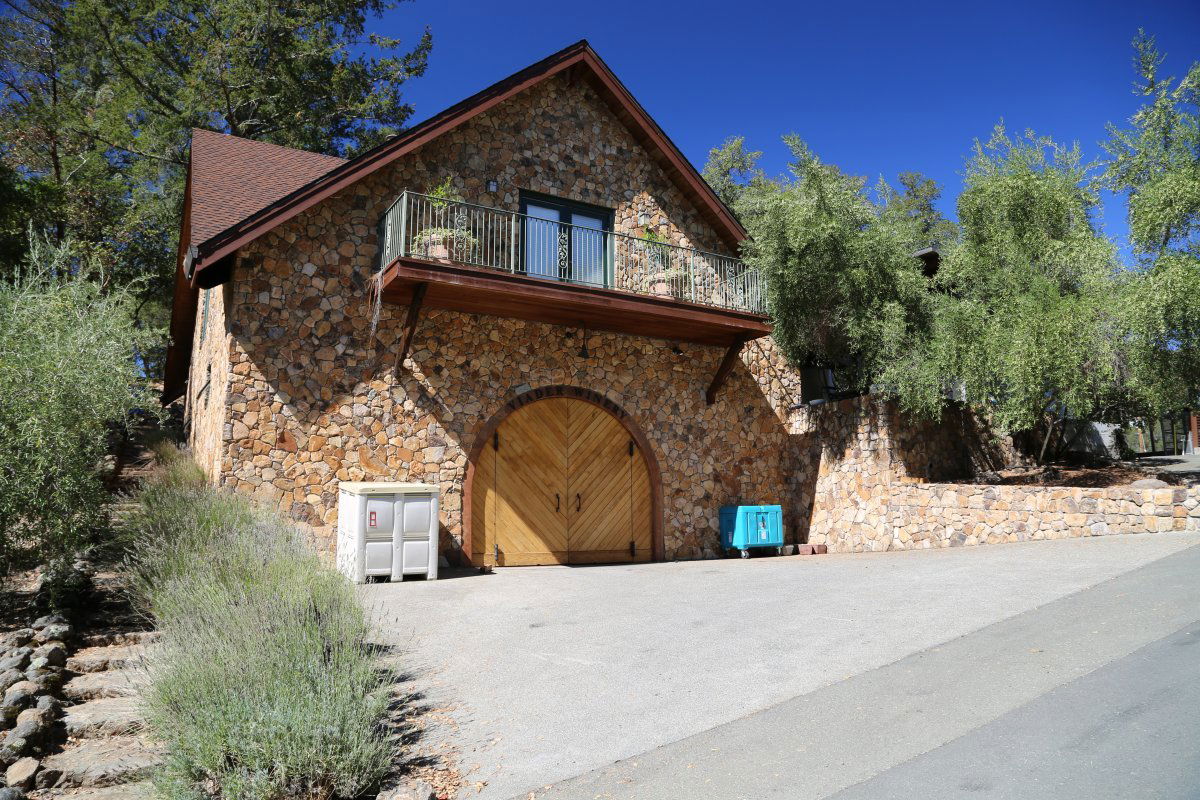
Elegant and refined atmosphere with panoramic vineyard and mountain views, featuring estate caves built in 1997 and a focus on intimate, personalized tasting experiences.
Tags
Vibe
Best For
Experience
Sourcing
View
At the Vineyard
- Appellation
- Howell Mountain AVA
- Varietals
- Cabernet Sauvignon, Cabernet Franc
- Tour Duration
- 90 minutes
- Tour Languages
- English
- Visits
- By appointment only
- Farming
- Organic
- Wine Styles
- Still Red
- Shipping
- Available
- Wine Club
- Available
Know before you go
Know Before You Go
- Getting there
- 1120 Deer Park Rd, Deer Park, CA 94576
Planning details
Location
Also consider
Also Consider
- Arkenstone Winery, Notable alternative
- Merus Wines, Notable alternative
- 13th Vineyard, Notable alternative
- Failla Wines, Notable alternative
- CADE Estate Winery, Notable alternative
Winery context
How it compares in Angwin
Against Arkenstone Winery and 13th Vineyard, Viader Vineyards & Winery is the stronger pick when the decision is allocation value rather than a casual tasting-room stop. Arkenstone is the better cross-shop for visitors who want another serious mountain-wine appointment, while 13th Vineyard works as a simpler nearby comparison if availability is the constraint.
CADE Estate Winery is the safer choice for groups prioritizing a polished estate setting and easier guest consensus. Viader is better for collectors who want to decide whether future buying makes sense. If the group includes mixed-interest guests, CADE will usually be the lower-friction booking; if everyone cares about producer depth, Viader earns the slot.
Merus Wines and Failla Wines are useful alternatives when the Angwin plan is not locked. Choose Merus for another focused wine comparison, and Failla when the day needs a different stylistic lane rather than another Howell Mountain stop.
Explore Angwin
Around this place
Discover more on Pearl
Unlock the full Viader Vineyards & Winery guide in Pearl, including awards, comparisons, FAQs, planning details, and nearby places.
Compare Viader Vineyards & Winery
| Venue | Location | Awards |
|---|---|---|
| Viader Vineyards & Winery | Angwin | No published awards |
| Arkenstone Winery | Angwin | No published awards |
| Merus Wines | St. Helena | No published awards |
| 13th Vineyard | Angwin | No published awards |
| Failla Wines | St. Helena | No published awards |
| CADE Estate Winery | Angwin | 2025 Pearl 3 Star Prestige |

How Viader Vineyards & Winery compares with similar nearby venues.
FAQ
Frequently Asked Questions
What other wineries can I compare with Viader Vineyards & Winery?
Useful comparison options include 13th Vineyard, Arkenstone Winery, CADE Estate Winery, Failla Wines, and Merus Wines. Confirm each venue's current visit details directly before planning an itinerary.
Do I need a reservation at Viader Vineyards & Winery?
Plan ahead by checking directly with Viader Vineyards & Winery before visiting Angwin.
Can Viader Vineyards & Winery handle large groups?
Contact Viader Vineyards & Winery directly before planning for a group visit in Angwin.