

    Winery in Ambonnay, France

    Egly-Ouriet

    1,250pts

    Chalk-Rooted Grower Precision

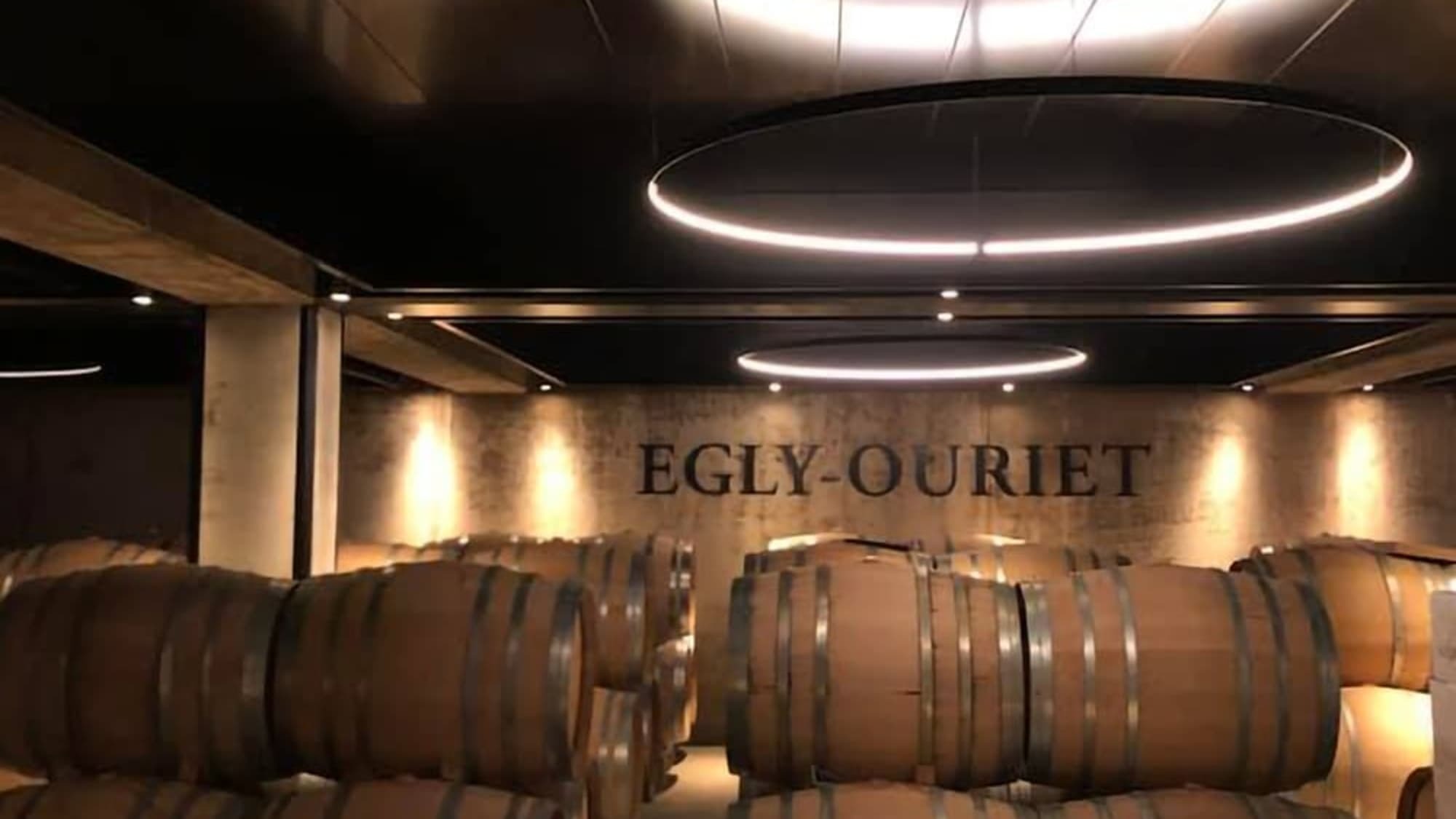
    Egly-Ouriet, Winery in Ambonnay

    About Egly-Ouriet

    From a village address on the Montagne de Reims, Francis Egly has produced allocation-only Champagne since 1982 that consistently positions among the Marne's most discussed grower bottles. Egly-Ouriet earned a Pearl 4 Star Prestige rating in 2025, placing it in a peer set defined by low yields, extended lees aging, and a Pinot Noir-dominant expression that reads closer to still Burgundy in structure than to commercial Champagne.

    Ambonnay and the Grammar of Grand Cru Pinot Noir Champagne

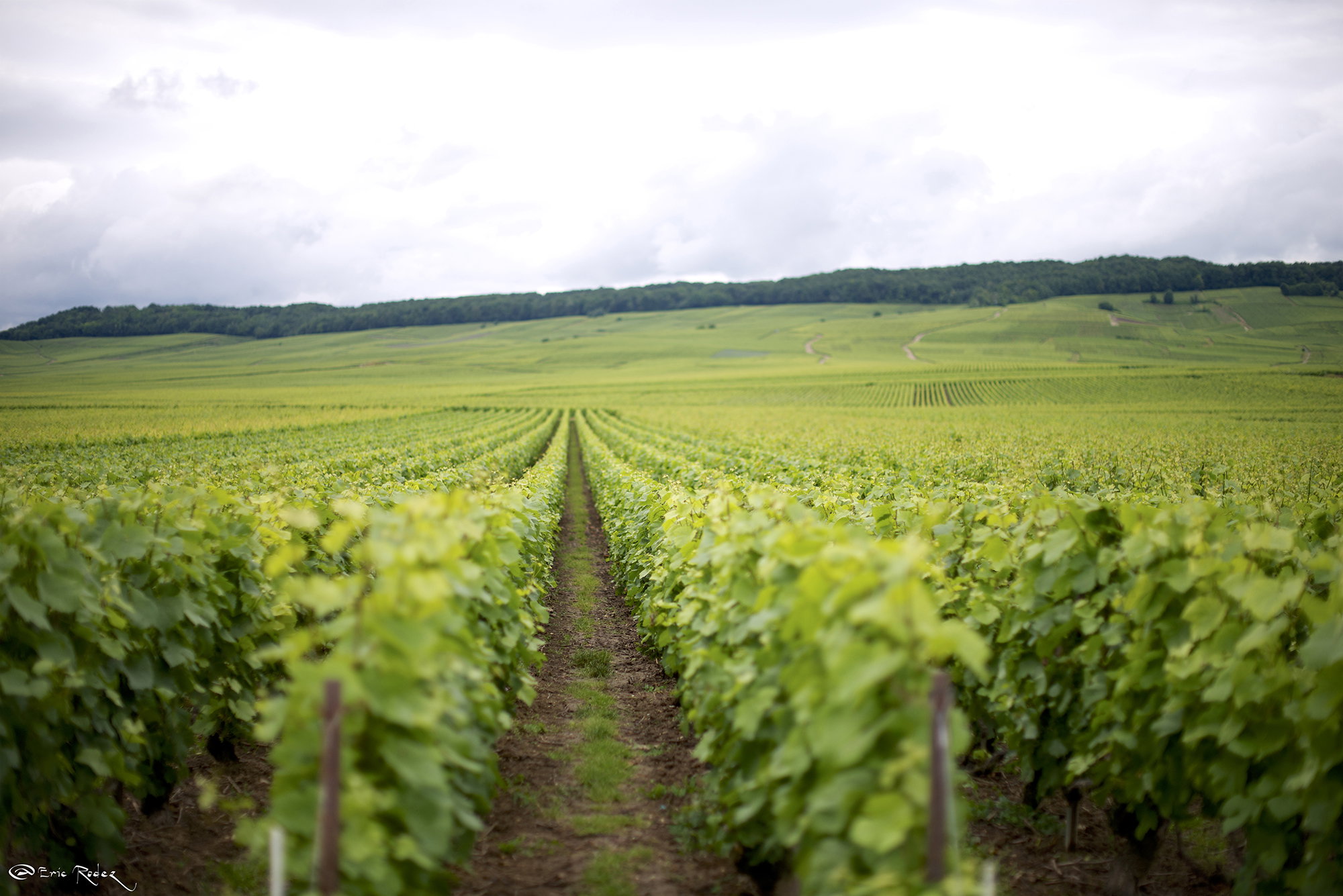
    The village of Ambonnay sits at the southeastern edge of the Montagne de Reims, rated Grand Cru under Champagne's echelle des crus classification and long regarded as one of the appellation's two or three most consequential addresses for Pinot Noir. The chalk subsoil here runs deep, the aspect is largely south-facing, and the diurnal temperature swings that define the Marne at its most expressive are pronounced enough to produce skins with concentration and acidity simultaneously. Ambonnay's position in the hierarchy is not contested; the debate has always been about what individual growers do with the raw material the village provides. In that conversation, Egly-Ouriet — operating from 15 Rue de Trepail since Francis Egly began bottling under the estate label in 1982 — is among the most closely watched names in the grower Champagne category.

    Grower Champagne as a recognisable commercial and critical category is relatively recent. For most of the twentieth century, the grandes maisons controlled the conversation, and small estate producers sold the majority of their fruit to cooperatives or to houses outright. The shift toward grower-producer identity, in which the vineyard source and the farming philosophy become the primary marketing and quality signals, accelerated through the 1990s and 2000s. By the time specialist importers in the United States, the United Kingdom, and Japan had built consumer appetite for single-village and single-vineyard Champagne, a small group of Marne estates had established reputations precise enough to command allocation queues. Egly-Ouriet entered that tier early and has remained there. For producers like Albert Boxler in Niedermorschwihr, the parallel dynamic holds: estates where the land's identity precedes the label's recognition tend to age well in critical esteem.

    How Chalk and Pinot Noir Define the House Style

    The editorial angle on Egly-Ouriet is inseparable from the soil profile beneath Ambonnay. Champagne's chalk , specifically the Belemnite chalk that characterises the Montagne de Reims's upper slopes , functions as both a reservoir and a filter. It retains water through dry summers without waterlogging in wet seasons, and it contributes a mineral salinity to the finished wine that functions differently from the fruit-forward profiles common in Marne villages with heavier clay proportions. In Pinot Noir-dominant Champagnes from this chalk, the structure is vertical rather than broad: the bubbles carry the wine's flavour longitudinally rather than coating the palate laterally.

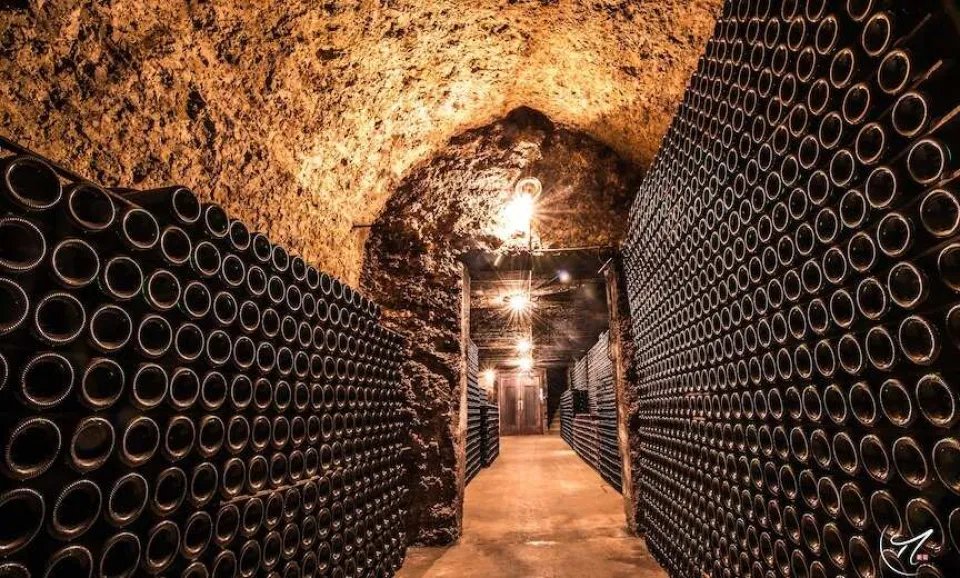
    Francis Egly's approach, consistent across four decades since that first vintage in 1982, has been built on extended lees contact well beyond the Champagne AOC minimums. Non-vintage Champagne must age on lees for a minimum of fifteen months; prestige and vintage categories require three years. Egly-Ouriet's cuvées routinely exceed those floors, and the effect on texture is cumulative and legible: the autolytic character that extended lees contact develops adds a breadth of brioche and toasted grain that integrates with Ambonnay's characteristic chalk-mineral thread rather than replacing it. The result is Champagne that reads, in structure and seriousness, closer to fine Burgundy than to commercial non-vintage Champagne. That comparison is not accidental. Ambonnay's leading Pinot Noir, farmed and vinified with the patience that Egly-Ouriet applies, functions as a kind of northern Burgundy in a different technical format.

    The 2025 Pearl 4 Star Prestige award positions Egly-Ouriet within a peer set of French producers where terroir expression, aging discipline, and critical longevity define membership. Among comparably rated Bordeaux estates tracked by EP Club , including Château Clinet in Pomerol, Château Bastor-Lamontagne in Preignac, and Château Batailley in Pauillac , the common thread is a house style rooted in place rather than in commercial register-adjustment. Egly-Ouriet's version of that commitment is expressed through lees time and yield restraint rather than new oak and extraction, but the underlying logic is identical.

    The Vineyard as Primary Text

    Egly-Ouriet's holdings are concentrated in and around Ambonnay, with additional parcels in neighbouring Grand Cru villages. The estate's non-vintage Brut Tradition draws primarily from Ambonnay fruit, and its single-vineyard offerings narrow the focus further, isolating blocks where vine age and specific slope position create profiles distinct enough to merit separate vinification. In Champagne, vine age matters in ways that are sometimes overstated by producers but in Ambonnay's case are substantiated by the density of root systems that older vines develop through the chalk: deeper roots access more consistent water and mineral supply, producing lower yields with higher concentration per berry.

    The Blanc de Noirs format, in which Pinot Noir is pressed immediately after harvest to avoid colour extraction and vinified as a white wine, is where Ambonnay's chalk terroir is most nakedly expressed. Without Chardonnay to add lightness or Pinot Meunier to add roundness, the mineral spine of the village either holds the wine together or it does not. In Egly-Ouriet's Blanc de Noirs, the chalk's contribution is structural in the most literal sense. The format has become a reference point in grower Champagne circles for understanding what Ambonnay's subsoil actually tastes like when the winemaking refrains from interpolating.

    Accessing Egly-Ouriet: What Practical Planning Looks Like

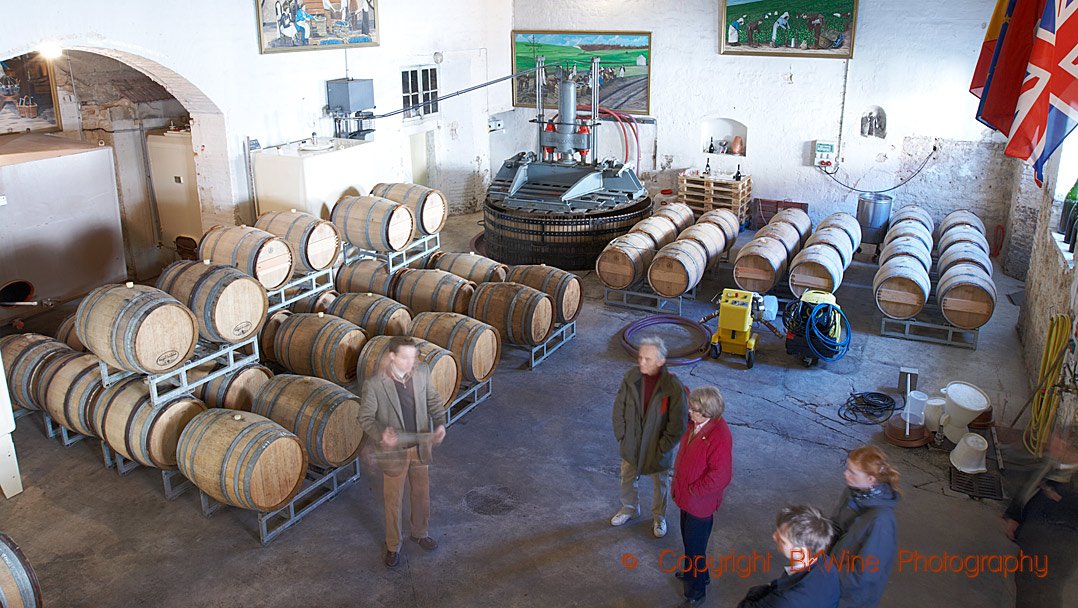
    Egly-Ouriet operates from its village address at 15 Rue de Trepail in Ambonnay, a small Champagne village without the infrastructure of Reims or Epernay. Visits are by appointment, a standard format among serious grower-producers in the Marne where production volumes are limited and the winemaking team is small. The nearest significant city is Reims, approximately twenty kilometres to the northwest, which provides hotel accommodation, rail connections to Paris, and access to the broader Montagne de Reims wine route. Travellers combining Egly-Ouriet with visits to other serious French estates , the Bordeaux right bank properties like Château Bélair-Monange in Saint-Emilion, the Médoc châteaux including Château Branaire Ducru in St-Julien and Château Boyd-Cantenac in Cantenac, or further afield to Château Cantemerle in Haut-Médoc , typically route Champagne as a northern anchor before moving south and west through France.

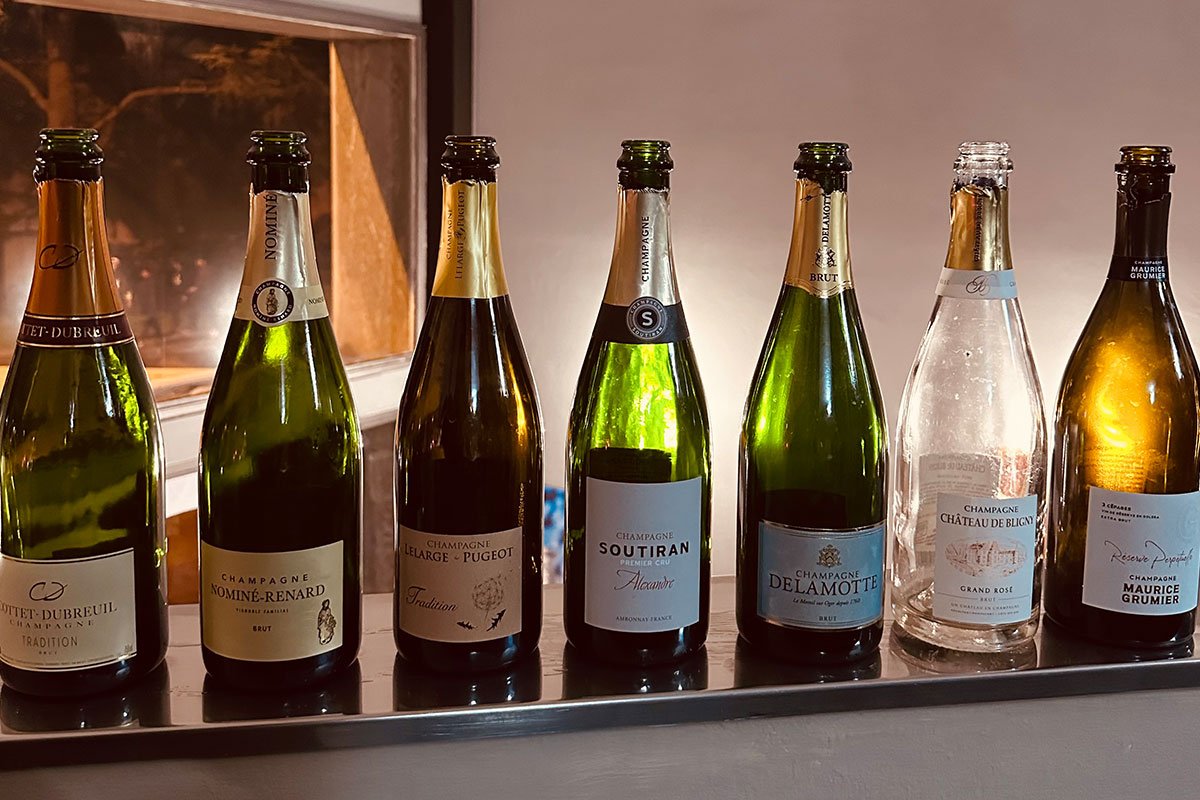
    Bottle acquisition is the more practical question for most visitors. Egly-Ouriet's wines distribute through specialist importers rather than through retail broadly, and allocations in major markets are limited. Auction markets in London, New York, and Hong Kong carry back-vintages with some regularity, and the estate's older disgorgements, when they surface, attract attention from collectors who track grower Champagne at the serious end of the category. Comparing this kind of allocation dynamic with similarly sought-after French producers such as Château d'Arche in Sauternes or Château Dauzac in Labarde illustrates how prestige-tier French wine access consistently requires either direct relationships with importers or participation in the secondary market. See our full Ambonnay restaurants guide for broader regional context on visiting the village.

    For spirits enthusiasts adding French distilleries to a comparable itinerary, Chartreuse in Voiron represents the alpine counterpart to Champagne's chalk-driven specificity, and for those extending to California after a French leg, Accendo Cellars in St. Helena and Château d'Esclans in Courthézon offer rosé and Cabernet reference points that sharpen the contrast with grower Champagne's northern, chalk-rooted idiom. For single malt reference in a similar artisan-producer framework, Aberlour in Aberlour provides a useful structural parallel in terms of how place-name provenance anchors a premium positioning narrative.

    Frequently Asked Questions

    What is the general atmosphere at Egly-Ouriet?
    Egly-Ouriet operates as a working grower-producer estate in Ambonnay, a small Grand Cru village on the Montagne de Reims. The atmosphere is that of a serious production domaine rather than a visitor centre: appointments are the norm, and the focus is on the wines themselves. The 2025 Pearl 4 Star Prestige rating and the estate's four-decade track record since its 1982 first vintage place it in a peer set where the product is the attraction rather than ancillary hospitality programming.
    Which Egly-Ouriet wine should I seek out first?
    The Blanc de Noirs is the clearest argument for why Ambonnay's Grand Cru chalk matters. With no Chardonnay to moderate the Pinot Noir's structure and no intervention to soften the mineral thread from the subsoil, it reads as the most direct expression of what Francis Egly's winemaking extracts from the village. The Pearl 4 Star Prestige recognition in 2025 applies to the estate as a whole, but the Blanc de Noirs is the format where terroir and winemaking discipline are most legible to a taster paying attention.
    What makes Egly-Ouriet worth the effort to visit or source?
    The estate's case rests on four decades of consistency at the Grand Cru level, a 2025 Pearl 4 Star Prestige award, and a winemaking approach , extended lees aging, restrained dosage, yield discipline , that positions the wines against the most serious grower Champagnes rather than against commercial non-vintage production. Ambonnay's chalk subsoil is not replicable elsewhere in the Marne, and Egly-Ouriet's commitment to letting that terroir speak without correction makes it a reference point rather than simply a preference.
    Should I arrange a visit to Egly-Ouriet in advance?
    Yes. Like most serious grower-producers on the Montagne de Reims, Egly-Ouriet receives visitors by appointment rather than through walk-in cellar door access. The estate does not publish visitor hours or a booking website in publicly available data, so contact through specialist importers or direct outreach to the 15 Rue de Trepail address in Ambonnay is the recommended approach. Given the estate's Pearl 4 Star Prestige standing and limited production volumes, availability for visits is not guaranteed on short notice.
    How does Egly-Ouriet's first vintage year affect the value of older bottles at auction?
    With a documented first vintage of 1982, Egly-Ouriet has a production history long enough that early disgorgements and back-vintages surface periodically in specialist auction markets in London, New York, and Hong Kong. Bottles from the estate's first decade are scarce by volume alone, and the Pearl 4 Star Prestige recognition in 2025 adds critical legitimacy that tends to tighten secondary market supply. Collectors tracking grower Champagne at the serious end of the category treat early Egly-Ouriet releases as evidence of how the house style evolved before the grower-producer category gained its current visibility.

    Recognized By

    Keep this place

    Save or rate Egly-Ouriet on Pearl

    Keep this venue in your Pearl passport, rate it after you visit, and track it alongside every other place you collect.