Casa Herradura (Hacienda San José del Refugio)
Amatitán
Winery in Amatitán, Mexico
 Book with Pearl
The Read
Lowland Agave Terroir
Why go
Prioritise Casa Herradura (Hacienda San José del Refugio) if the goal is a serious Amatitán tequila-country visit with a historic hacienda setting. Booking is difficult enough that it should anchor the day, not sit as a flexible add-on; travellers focused on easy access, bottle allocations, or club-style perks should cross-shop nearby distilleries instead.
About Casa Herradura (Hacienda San José del Refugio)
The safest way to frame a visit is simple: treat it as an Amatitán stop, then confirm current visit logistics directly before building a day around it.
The dress code is casual. Confirm current hours, prices, menus, visit formats, reservations, shipping, membership programmes, and tasting details directly rather than assuming them from third-party summaries.
Book this as the main Amatitán stop, not a spare-hour add-on
If you are planning a wider itinerary, keep the schedule flexible until you have confirmed the venue's current availability, visit format, and timing through official channels.
Plan around Amatitán rather than around a fixed service format. If the day also needs meals, bars, or overnight planning, use our full Amatitán restaurants guide, our full Amatitán bars guide, and our full Amatitán hotels guide to reduce backtracking.
The value is in the confirmed recognition, not a membership promise
The decision should rest on whether Casa Herradura (Hacienda San José del Refugio) fits your Amatitán plan.
If the practical details do not work for your trip, compare it with venues such as El Tequileño (La Guarreña), Jose Cuervo (La Rojeña), La Cofradía, La Perseverancia (Casa Sauza), and Tequila Cascahuín, while confirming each venue's location and current visitor policies separately. Start with our full Amatitán experiences guide, then decide whether the day should favour Casa Herradura or another venue in your itinerary.
Planning details
- Location
- 45380, Doña Gabriela Pena Lozada 2S, Hacienda San José del Refugio, 45380 Amatitán, Jal.
- Website
- herradura.com
- Phone
- +523747450415
The take
The Take
The Vibe
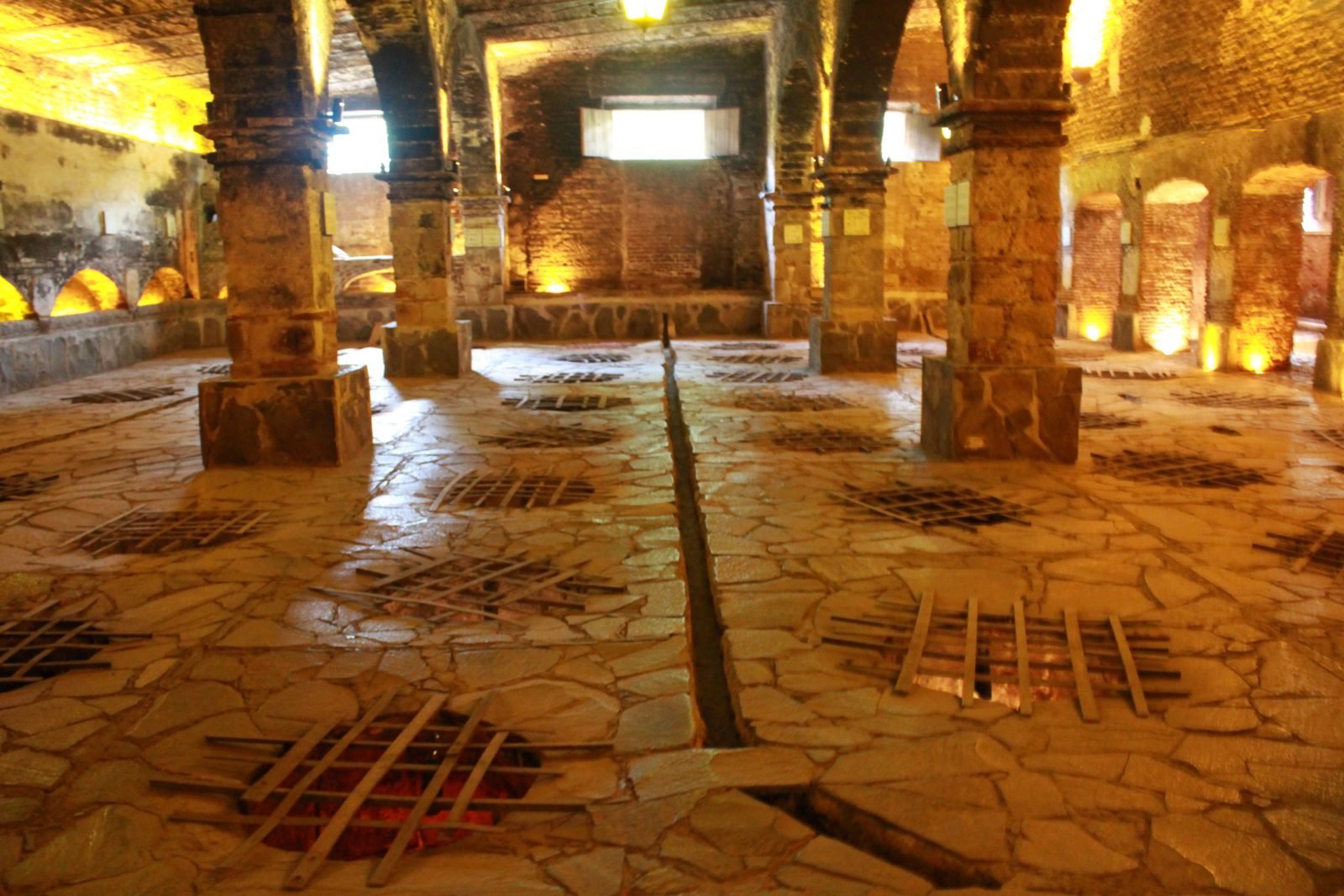
Casa Herradura at Hacienda San José del Refugio presents a quietly classic hacienda experience set in the Tequila Valley. The property reads more like an agricultural estate than a hospitality showcase: colonial-era architecture frames visits, and the surrounding lowland soils and heat are central to the story the place tells. Rather than the bustling tourist circuit of nearby Tequila, this estate offers a restrained, terroir-forward encounter where the volcanic-basalt soils and lower elevation visibly shape the character of the spirit made on site. The overall mood is measured, informative and rooted in place.
Best For
This estate is best for visitors interested in how geography and farming shape spirit production: educational-minded groups and specialist outings get the most from a visit. The Tequila Valley’s lowland agave and highland expressions offer a basis for comparing production styles or studying terroir-driven differences. Because Amatitán remains less touristed than Tequila proper, the hacienda suits organized group visits and people seeking a quieter, more agricultural perspective on tequila production rather than a busy tasting-room scene.
Tasting Tips
When you go, use your time to focus on provenance and process rather than menu choices: ask about the estate’s agave sources, the role of volcanic basalt soils, and how lower-elevation maturation affects sweetness and earthy or herbaceous notes. Frame questions to draw comparisons between Tequila Valley expressions and highland bottlings: the estate’s description foregrounds those contrasts. Plan for an explanatory visit that centers terroir, and allow space to observe the grounds and architecture that inform the spirit’s profile.
Venue details
Ambiance
Rustic traditional architecture blended with modern elements in a tranquil, magical hacienda setting evoking old Mexico.
Tags
Vibe
Best For
Experience
View
At the Vineyard
- Appellation
- Amatitán, Jalisco
- Varietals
- 100% agave azul tequilana weber
- Tour Duration
- 2.5 hours
- Tour Languages
- Spanish, English
- Visits
- By reservation
- Wine Club
- Not available
Know before you go
Know Before You Go
- Getting there
- 45380, Doña Gabriela Pena Lozada 2S, Hacienda San José del Refugio, 45380 Amatitán, Jal.
Planning details
Location
45380, Doña Gabriela Pena Lozada 2S, Hacienda San José del Refugio, 45380 Amatitán, Jal. · Directions
Also consider
Where to go if this is full
If access is unavailable, cross-shop Tequila Cascahuín first for a production-led agave-spirit visit. If the group wants a more relaxed stop with less pressure on timing, La Cofradía is the cleaner backup.
Winery context
How it compares in Amatitán and tequila country
Choose Casa Herradura (Hacienda San José del Refugio) when the day needs a polished heritage anchor and booking effort is acceptable. Tequila Cascahuín is the better cross-shop for travellers who care more about production focus than hacienda atmosphere, while La Cofradía is the easier fit for a more relaxed tasting-day mood.
El Tequileño (La Guarreña) and Jose Cuervo (La Rojeña) make more sense if the priority is a recognisable tequila-town stop with broader visitor infrastructure. Casa Herradura is the stronger choice when the setting itself is part of the reason to go, but it is less forgiving if plans need to stay loose.
La Perseverancia (Casa Sauza) is the practical alternate for travellers who want another established tequila-country name without centring the day on Amatitán. For a single high-effort booking, Casa Herradura is the more occasion-driven pick; for easier itinerary building, the peers are safer backups.
Explore Amatitán
Around this place
Discover more on Pearl
Unlock the full Casa Herradura (Hacienda San José del Refugio) guide in Pearl, including awards, comparisons, FAQs, planning details, and nearby places.
Compare Casa Herradura (Hacienda San José del Refugio)
| Venue | Location | Awards |
|---|---|---|
| Casa Herradura (Hacienda San José del Refugio) | Amatitán | No published awards |
| Tequila Cascahuín | El Arenal | No published awards |
| La Cofradía | Tequila | No published awards |
| El Tequileño (La Guarreña) | Tequila | No published awards |
| Jose Cuervo (La Rojeña) | Tequila | No published awards |
| La Perseverancia (Casa Sauza) | Tequila | No published awards |
How Casa Herradura Amatitán compares with similar nearby venues.
FAQ
Frequently Asked Questions
What other venues can I compare with Casa Herradura (Hacienda San José del Refugio)?
For a comparison-heavy day, look at Tequila Cascahuín, La Cofradía, El Tequileño (La Guarreña), Jose Cuervo (La Rojeña), and La Perseverancia (Casa Sauza). Casa Herradura is the Amatitán pick here if you want to anchor the day around Hacienda San José del Refugio.
Does Casa Herradura (Hacienda San José del Refugio) offer shipping?
If taking purchases home is important, confirm current purchase and shipping options directly with Casa Herradura (Hacienda San José del Refugio) in Amatitán, and compare logistics separately with venues such as Jose Cuervo (La Rojeña).