

Winery in Altmünster, Austria
Sammerhof Distillery
500Pearl PointsProducer-first stop
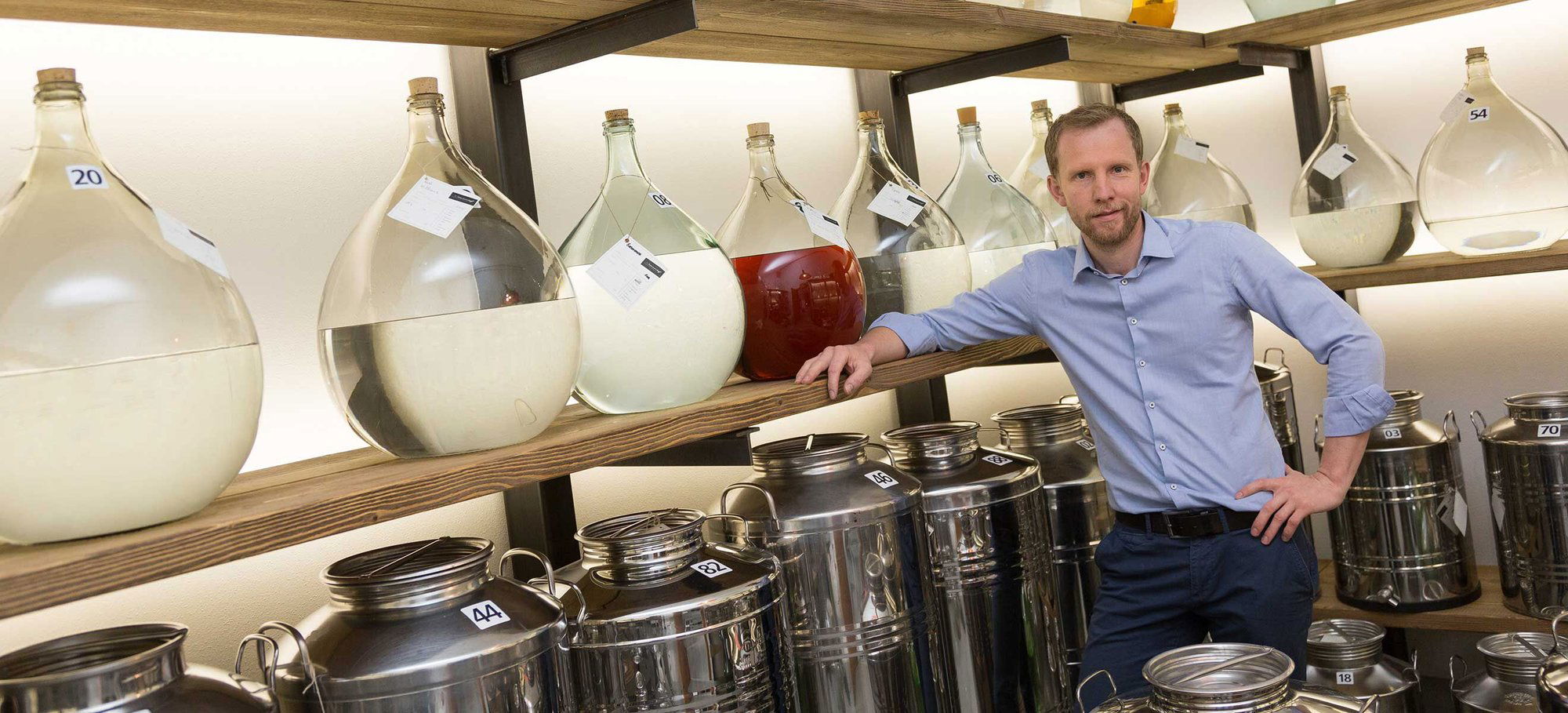
About Sammerhof Distillery
Best for travelers building a focused Upper Austria spirits stop rather than a casual wine-country detour. Sammerhof Distillery makes the most sense as an anchor visit near Altmünster, especially for small groups that care about producer context and can plan timing carefully.
Sammerhof Distillery is a venue in Altmünster with a confirmed casual dress code and Pearl 2 Star Prestige recognition for 2025. Beyond those points, the available verified details are limited, so this guide keeps the planning advice deliberately conservative.
Use Sammerhof Distillery as an Altmünster distillery entry rather than relying on unconfirmed assumptions about hours, menus, tastings, prices, seating, food service, or appointment format. Check the venue's own channels before making firm plans.
Plan this as a confirmed Altmünster distillery listing
The most reliable planning facts are simple: Sammerhof Distillery is in Altmünster, the dress code is casual, it carries Pearl 2 Star Prestige (2025). For meals around the visit, cross-check options through Our full Altmünster restaurants guide.
Because verified public details are thin, avoid building an itinerary around assumed services. Confirm timing, visit format, availability, any food or purchase options directly with the venue before traveling.
Who should choose it over a broader distillery loop
Choose Sammerhof Distillery if you want to include a Pearl-recognized Altmünster distillery in your plans and are comfortable confirming the practical details yourself. If you are comparing multiple distillery names, natural reference points include 1310 Spirit of the Country Distillery, A. Batch Distillery, Hans Reisetbauer Distillery, Parzmair Distillery, Peter Affenzeller Distillery.
Those comparison names are useful for broader research, but Sammerhof Distillery should not be treated as interchangeable with them unless you have confirmed the details that matter to your trip. Formats, access, products, visitor arrangements can vary by venue.
The verdict: Sammerhof Distillery is best approached as a confirmed Altmünster distillery with Pearl 2 Star Prestige (2025), not as a page with enough verified detail to promise a specific experience.
Frequently Asked Questions
Do I need a reservation at Sammerhof Distillery?
No verified reservation policy is available here. Sammerhof Distillery is in Altmünster and carries Pearl 2 Star Prestige (2025), so confirm the current visit process directly with the venue before planning around it.
What other distilleries can I compare with Sammerhof Distillery?
For broader research, compare Sammerhof Distillery with Parzmair Distillery, 1310 Spirit of the Country Distillery, Hans Reisetbauer Distillery, Peter Affenzeller Distillery, or A. Batch Distillery. Confirm practical details with each venue before assuming a similar format.
Does Sammerhof Distillery serve food?
No verified food-service details are available here. Treat Sammerhof Distillery as a distillery listing in Altmünster, use separate Altmünster dining research if a meal is part of your plan. Check the venue's official channels for the latest details.
Does Sammerhof Distillery offer memberships or direct purchasing?
No verified membership or purchasing details are available here. The confirmed facts are that Sammerhof Distillery is in Altmünster, has a casual dress code, carries Pearl 2 Star Prestige (2025). Check the venue's official channels for current information.
When is the best time to visit Sammerhof Distillery?
No verified hours or seasonal schedule are available here. Before visiting Sammerhof Distillery in Altmünster, confirm opening times, access, any required arrangements directly with the venue.
What products is Sammerhof Distillery known for?
No verified flagship product or named product is available here. Sammerhof Distillery is best understood from the confirmed information: an Altmünster distillery with casual dress code and Pearl 2 Star Prestige (2025). Check the venue's official channels for current product details.
Location
Kampesberg 37, 4656 Kirchham bei Vorchdorf
Altmünster, Austria
Compare Sammerhof Distillery
| Venue | Location | Awards |
|---|---|---|
| Sammerhof Distillery | Altmünster | Pearl 2 Star Prestige (2025) |
| Parzmair Distillery | Schwanenstadt | , |
| 1310 Spirit of the Country Distillery | Sierning | , |
| Hans Reisetbauer Distillery | Kirchberg-Thening | , |
| Peter Affenzeller Distillery | Alberndorf | , |
| A. Batch Distillery | Bergheim | , |
How Sammerhof Distillery Altmünster compares with similar nearby venues.
Where to look if this is hard to arrange
If Sammerhof Distillery does not fit the schedule, try Parzmair Distillery for the simplest like-for-like cross-shop. For a broader producer comparison, look at 1310 Spirit of the Country Distillery or A. Batch Distillery.
How it compares with nearby distillery options
Choose Sammerhof Distillery if the priority is a focused rural stop near Altmünster and the day is already built around the Salzkammergut area. Parzmair Distillery is the cleaner cross-shop if availability or route planning makes Sammerhof difficult, while 1310 Spirit of the Country Distillery is better suited to travelers comparing producer styles across a wider Upper Austria route.
For a more ambitious spirits itinerary, Hans Reisetbauer Distillery and Peter Affenzeller Distillery make more sense as comparison stops because they push the trip beyond a single local visit. Sammerhof is the pick for a quieter, more contained plan; those peers are better for travelers who want the day to feel like a regional distillery survey.
A. Batch Distillery is the alternative to consider when the itinerary leans modern and flexible rather than rural and appointment-led. With no reliable public price details across this set, judge value by travel time, booking friction, how much of the day each stop consumes.
Explore Altmünster
Save or rate Sammerhof Distillery on Pearl
Keep this venue in your Pearl passport, rate it after you visit, and track it alongside every other place you collect.