

Winery in Albernoa, Portugal
Herdade da Malhadinha Nova
500Pearl PointsEstate-first wine day
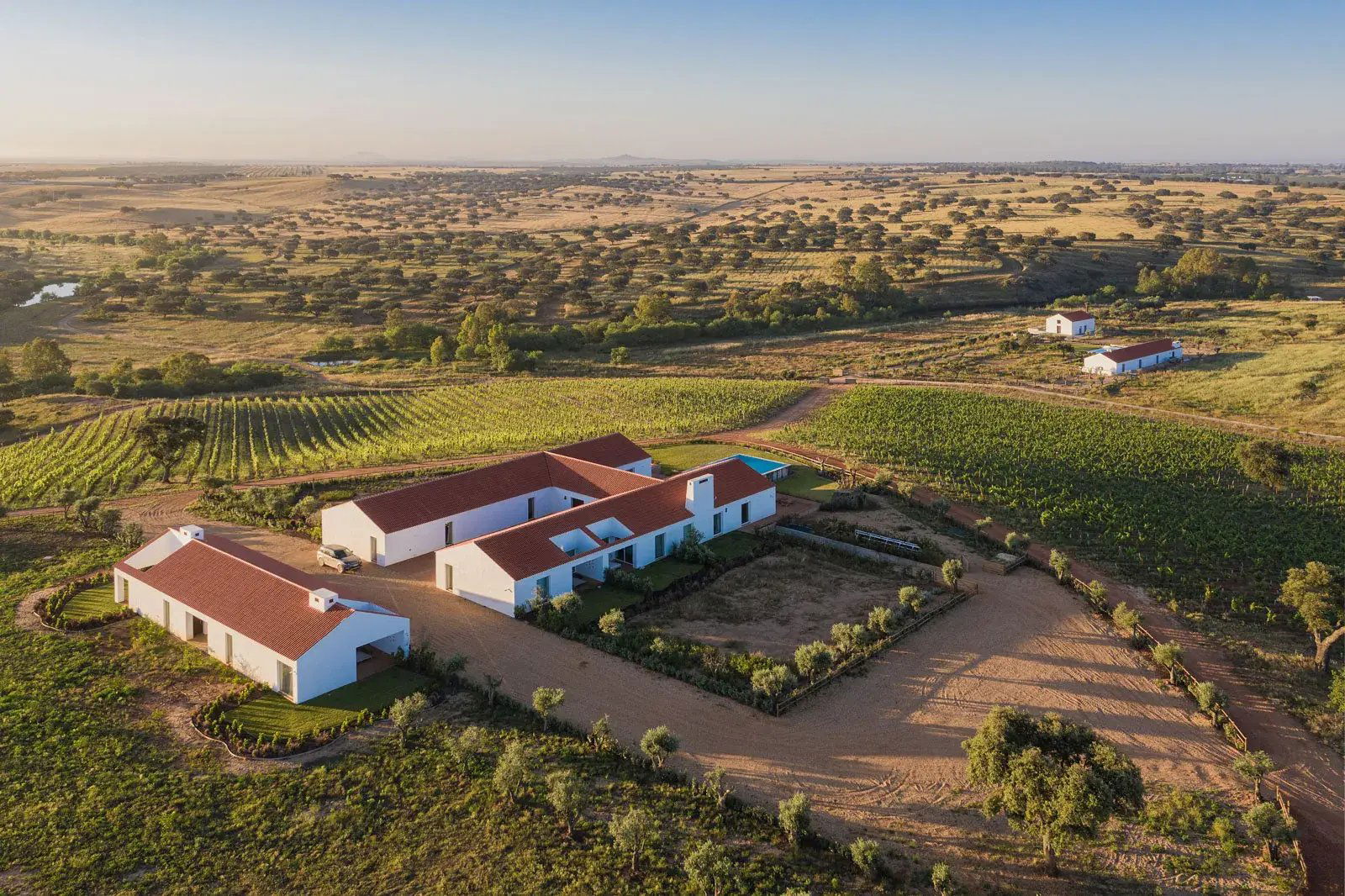
About Herdade da Malhadinha Nova
Book Herdade da Malhadinha Nova if you want an Alentejo estate visit to anchor the day rather than a quick tasting stop. It suits first-timers who value setting, pace, a planned rural itinerary; value-focused drinkers should cross-shop Herdade do Esporão, Adega Cartuxa, Quinta do Carmo before committing.
Herdade da Malhadinha Nova is listed in Albernoa with a smart casual dress code and Pearl 2 Star Prestige recognition for 2025. Beyond those verified details, travelers should avoid assuming a specific format, menu, tasting structure, price, schedule, or service offering without checking the venue directly.
The clearest planning case is for travelers who specifically want to include Herdade da Malhadinha Nova in an Albernoa itinerary. If you are comparing it with other Portuguese venues, consider Herdade do Esporão, Adega Cartuxa (Fundação Eugénio de Almeida), Quinta do Carmo, Morgado do Quintão, or Luis Pato based on your route and current availability.
Plan around Herdade da Malhadinha Nova when it matters to the itinerary
Plan around Albernoa rather than treating the visit as an improvised stop. The verified public details support a more considered visit: Herdade da Malhadinha Nova has Pearl 2 Star Prestige recognition for 2025 and a smart casual dress code. For surrounding planning, use our full Albernoa guide and confirm current details directly with the venue before building the day around it.
For comparison, the right question is less about any unverified price, menu, or visit format and more about whether this is the venue you want anchoring your time in Albernoa. If your route extends elsewhere in Portugal, compare it naturally with Herdade do Esporão, Adega Cartuxa (Fundação Eugénio de Almeida), Quinta do Carmo, Morgado do Quintão, Luis Pato.
How to place it in a Portugal itinerary
Use Herdade da Malhadinha Nova as an Albernoa reference point, then compare it with other Portuguese venues by route, timing, the level of planning you are willing to do. Adega Cartuxa (Fundação Eugénio de Almeida), Herdade do Esporão, Quinta do Carmo, Morgado do Quintão, Luis Pato can be useful comparisons without assuming they share the same location or format.
Because the verified details are limited, confirm current operating information, booking requirements, visit structure with Herdade da Malhadinha Nova before committing travel time. The grounded facts are direct: Albernoa, smart casual dress code, Pearl 2 Star Prestige recognition for 2025.
Frequently Asked Questions
Can Herdade da Malhadinha Nova handle large groups?
Group capacity is not verified here. If you are planning for a larger party, contact Herdade da Malhadinha Nova directly and confirm what is currently possible in Albernoa.
What other venues can I compare with Herdade da Malhadinha Nova?
For comparison within a Portugal itinerary, consider Herdade do Esporão, Quinta do Carmo, Adega Cartuxa (Fundação Eugénio de Almeida), Morgado do Quintão, Luis Pato. Confirm geography and travel times separately before grouping them into the same day.
Does Herdade da Malhadinha Nova serve food?
Food service details are not verified here. Check Herdade da Malhadinha Nova's official channels for current information before planning a meal around the visit.
Are membership options available at Herdade da Malhadinha Nova?
Membership details are not verified here. If access or benefits matter to your decision, confirm the current terms directly with Herdade da Malhadinha Nova.
Do I need a reservation at Herdade da Malhadinha Nova?
Reservation requirements are not verified here. Because Herdade da Malhadinha Nova is in Albernoa and has Pearl 2 Star Prestige recognition for 2025, it is sensible to confirm availability and current booking requirements directly before visiting.
When is the best time to visit Herdade da Malhadinha Nova?
Specific hours and seasonal guidance are not verified here. Plan around Albernoa and confirm current opening times directly with Herdade da Malhadinha Nova before finalizing your itinerary.
Does Herdade da Malhadinha Nova offer purchases or shipping?
Purchase and shipping details are not verified here. Contact Herdade da Malhadinha Nova directly for current information about any purchase or shipping options.
Location
Herdade da Malhadinha Nova, 7800-601 Albernoa
Albernoa, Portugal
Compare Herdade da Malhadinha Nova
| Venue | Location | Awards |
|---|---|---|
| Herdade da Malhadinha Nova | Albernoa | Pearl 2 Star Prestige (2025) |
| Herdade do Esporão | Reguengos de Monsaraz | , |
| Morgado do Quintão | Lagoa | , |
| Adega Cartuxa (Fundação Eugénio de Almeida) | Évora | , |
| Luis Pato | Anadia | , |
| Quinta do Carmo | Estremoz | , |
How Herdade da Malhadinha Nova Albernoa Guide compares with similar nearby venues.
Where to Look If This Is Hard to Secure
Try Herdade do Esporão if you want another Alentejo benchmark with broad appeal. For an Évora-linked route, Adega Cartuxa (Fundação Eugénio de Almeida) is the more practical cross-shop.
How It Compares
Choose Herdade da Malhadinha Nova when ambiance and a full estate setting matter more than squeezing in several tastings. Herdade do Esporão is the cleaner comparison for travelers who want a broader, established Alentejo wine stop, while Quinta do Carmo is a sensible cross-shop for a more focused winery visit.
For value, do not judge only by bottle pricing; judge the whole day. This is a stronger pick when the setting is part of the spend. Adega Cartuxa (Fundação Eugénio de Almeida) may suit travelers building around Évora, while Morgado do Quintão is a better comparison for guests who want a smaller-feeling wine-country stop.
If booking friction is a concern, keep alternatives ready. Luis Pato is less of a direct Albernoa substitute geographically, but it works as a quality-driven comparison for travelers planning a wider Portugal wine route rather than a single Alentejo day.
Explore Albernoa
Save or rate Herdade da Malhadinha Nova on Pearl
Keep this venue in your Pearl passport, rate it after you visit, and track it alongside every other place you collect.