
Winery in Albany, United States
Albany Distilling Company
500ptsHudson Valley Grain Distillation
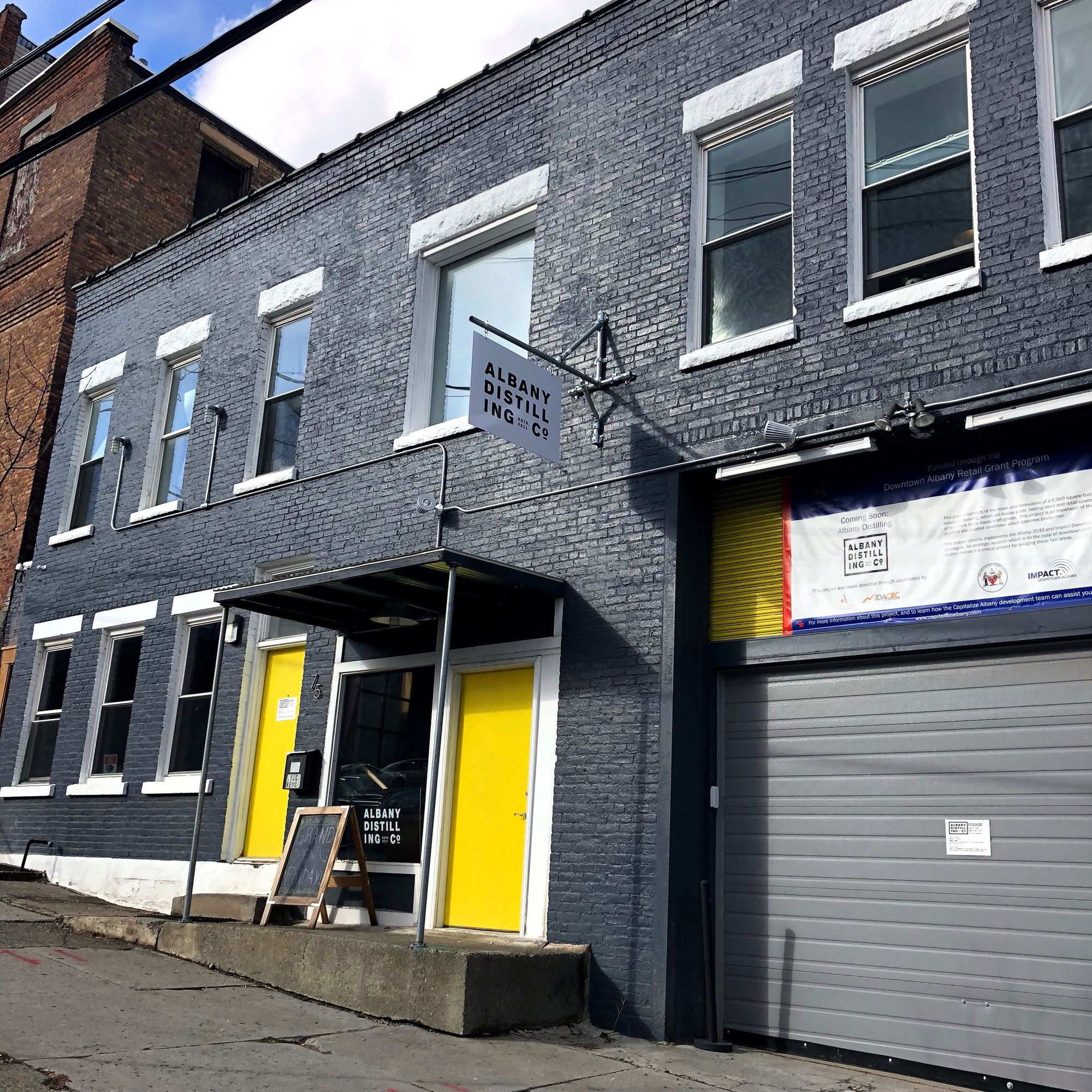
About Albany Distilling Company
Albany Distilling Company, located at 75 Livingston Ave in Albany, NY, holds a Pearl 2 Star Prestige rating (2025), placing it among a select tier of American craft spirits producers earning sustained critical recognition. The address puts it in the heart of a city with a growing artisan spirits culture, where small-batch production and regional grain sourcing define the most credible operations in the category.
Where Albany's Craft Spirits Tradition Takes Shape
There is a particular kind of stillhouse that announces itself through material honesty: exposed brick, the faint copper-and-grain warmth that clings to a working distillery floor, the sound of production that hasn't been hidden behind a polished tasting-room facade. That register is where Albany Distilling Company at 75 Livingston Ave occupies its ground. Albany, New York has a longer relationship with distilled spirits than most American cities care to remember — the Hudson Valley corridor was producing whiskey and gin well before Prohibition dismantled the industry, and the contemporary revival here draws on that institutional memory even when it doesn't advertise it.
The craft spirits movement in the northeastern United States has matured past its first wave. The early 2010s saw dozens of operations open with the same origin story: small still, local grain, hand-labeled bottles. What distinguished the producers that lasted from those that faded was an ability to move from novelty into genuine quality discipline — consistent aging protocols, thoughtful mash bill development, and a willingness to let product sit rather than rush it to market. Albany Distilling Company's Pearl 2 Star Prestige recognition in 2025 places it in the cohort that made that transition. For context on what that tier means across American craft production, the comparison set is instructive: Pearl ratings at the 2 Star level reflect sustained quality assessment rather than a single impressive release.
The Terroir Argument for Hudson Valley Spirits
Wine has long owned the terroir conversation, but distillers working with grain are increasingly making a credible version of the same case. The Hudson Valley sits at an agricultural crossroads: the region produces rye, corn, and heritage wheat varieties in quantities that support grain-to-glass operations at meaningful scale. Soil composition across the valley's eastern and western banks differs enough that sourcing decisions carry real flavor consequence , malted rye grown in heavier clay soils carries a different earthy quality than the lighter loam further north. These are not abstract distinctions for a distillery operating at 75 Livingston Ave, which sits within practical sourcing distance of several active grain farms that supply the state's craft spirits sector.
The terroir argument for American whiskey and gin is still being made, but the geography around Albany supports it more than most. Compare the situation to California's approach: producers like Accendo Cellars in St. Helena or Alpha Omega Winery in Rutherford have spent decades building the language for how specific valley floor conditions translate into the glass. Hudson Valley distillers are a generation behind that conversation, but the raw material conditions are genuinely comparable in their distinctiveness. Producers elsewhere in the American craft tier , from Adelaida Vineyards in Paso Robles country to the grain-forward operations of the Pacific Northwest , are making similar arguments about place, and the critical community is increasingly receptive.
For spirits specifically, the water source matters as much as the grain. Albany sits above a regional aquifer system fed by Catskill Mountain runoff, with mineral profiles that differ from the limestone-filtered water sources associated with Kentucky bourbon production. These distinctions shape fermentation character in measurable ways, and they represent a genuine regional signature rather than a marketing claim.
Reading the 2025 Pearl Rating in Context
Awards in the craft spirits space carry varying weight depending on methodology. The Pearl 2 Star Prestige designation awarded in 2025 operates within a structured assessment framework that evaluates consistency across production runs rather than scoring a single reference bottle. That approach aligns with how the most credible beverage competitions globally have moved: away from one-off blind tastings and toward ongoing quality tracking. For a distillery operating in a mid-size American city without the marketing infrastructure of a major spirits house, a structured prestige rating functions as the primary signal to buyers, retailers, and on-premise accounts that production standards are stable.
The comparison across American craft producers who hold similar recognition is worth sketching. Distilleries in wine-centric states , California producers near Aubert Wines in Calistoga or operations close to Au Bon Climat in Santa Barbara , sometimes benefit from proximity to an established premium beverage culture that accelerates critical recognition. In New York State, the craft spirits sector has had to build that credibility largely on its own terms, which makes a 2025 Prestige rating more earned than inherited. Operations like Adelsheim Vineyard in Newberg spent decades establishing Oregon as a serious wine region before the critical consensus followed; New York's craft distillers are at an earlier point on that same arc.
Albany as a Spirits City
Albany's position in the American craft spirits map is underappreciated relative to its actual production depth. The city's history as a manufacturing and trade hub on the Hudson left behind industrial infrastructure that has proven useful for modern production operations: large floor spaces, loading access, proximity to both agricultural suppliers upstate and distribution networks downstate. That practical geography explains why a higher concentration of credible craft producers has emerged here than in comparably sized northeastern cities.
The dining and drinking culture around Albany has followed rather than led this production story. Bars and restaurants in the Capital District have progressively built local spirits into their programs as the quality floor has risen, but the scene remains less self-promoting than Brooklyn or Portland equivalents. That relative quietness should not be misread as a lack of seriousness. Producers operating in Albany are generally more focused on distribution quality than on the tasting-room experience economy, which shapes the kind of operation Albany Distilling Company represents. Visitors coming specifically to explore the facility at 75 Livingston Ave are arriving at a working production site rather than a hospitality destination engineered for tourism. That distinction matters for expectation-setting.
For a broader orientation to what Albany offers across food and drink, our full Albany restaurants guide maps the city's most credible options across categories. The spirits sector is one piece of a dining culture that has grown more confident in the past decade without abandoning the workmanlike character that defines the city at its leading.
Situating Albany Distilling Company in the Wider American Craft Tier
Context from outside New York is useful for calibrating expectations. West Coast producers have set some of the pace for American craft spirits ambition: the environment that produced serious winemakers at Artesa Vineyards and Winery in Napa or the Rhone-focused discipline at Alban Vineyards in Arroyo Grande also shaped a culture of production seriousness that premium spirits operations absorbed by proximity. The Rhone specialists at Andrew Murray Vineyards in Los Olivos or heritage-focused producers like Alexander Valley Vineyards in Geyserville demonstrate how regional identity becomes a production asset over time.
Hudson Valley distillers are building a version of that regional identity now. The 2025 Pearl 2 Star Prestige rating is evidence that Albany Distilling Company is operating at a level that national critical frameworks recognize. Whether that translates into the kind of allocation scarcity and collector demand that defines the upper tier of American whiskey is a different question, and one the market rather than the awards circuit will answer. For comparison, Scottish producers like Aberlour have spent over a century building the institutional credibility that makes a prestige designation carry weight on its own; American craft operations are compressing that timeline but not eliminating it.
Greek producers such as Achaia Clauss in Patras and California producers like Babcock Winery in Lompoc or B.R. Cohn Winery in Glen Ellen represent the kind of long-arc quality story that Albany Distilling Company is in an earlier chapter of writing. The Pearl rating suggests the foundation is there.
Planning a Visit
Albany Distilling Company is located at 75 Livingston Ave, Albany, NY 12207, in a part of the city accessible from downtown Albany without significant travel. Given the working-distillery character of the operation, visitors are advised to confirm current tasting hours and tour availability directly before arriving, as production schedules can affect public access. The address is within the broader Capital District transit network, and the neighborhood context is industrial-residential in the mode common to many craft production facilities that have taken root in post-manufacturing urban pockets across the northeastern United States.
Frequently Asked Questions
Is Albany Distilling Company more low-key or high-energy?
Based on its location in a working industrial address and its profile as a Pearl 2 Star Prestige-rated production operation in a mid-size northeastern city, Albany Distilling Company reads as decidedly low-key. This is not a venue built around nightlife energy or high-volume hospitality programming. The operation's credibility rests on production quality rather than atmosphere engineering, which places it in the same register as serious craft producers across the country who prioritize the liquid over the experience economy. Visitors seeking a high-energy tasting-room scene will find a different register here than at destination-oriented wineries in California or flagship spirits experiences in major urban centers.
What spirits is Albany Distilling Company known for?
The venue database does not specify individual expressions or core production categories for Albany Distilling Company. What the 2025 Pearl 2 Star Prestige rating confirms is that at least one production line has reached a level of quality and consistency that structured critical assessment recognizes. Given the Hudson Valley's grain-farming profile and New York State's craft spirits regulatory environment, which has actively encouraged grain-to-glass production since 2007, the regional context points toward whiskey and gin as the categories most likely to define the operation's output. For verified current product information, direct contact with the distillery is the appropriate route.
Related editorial
- Best Fine Dining Restaurants in ParisFrom three-Michelin-star icons to the next generation of Parisian chefs pushing boundaries, these are the restaurants that define fine dining in the world's culinary capital.
- Best Luxury Hotels in RomeFrom rooftop terraces overlooking ancient ruins to Michelin-starred hotel dining, these are the luxury hotels that make Rome unforgettable.
- Best Cocktail Bars in KyotoFrom sleek lounges to hidden speakeasies, Kyoto's cocktail scene blends Japanese precision with global influence in ways you won't find anywhere else.
Save or rate Albany Distilling Company on Pearl
Keep this venue in your Pearl passport, rate it after you visit, and track it alongside every other place you collect.