

Winery in Alameda, United States
St. George Spirits
750Pearl PointsSpirits-first stop
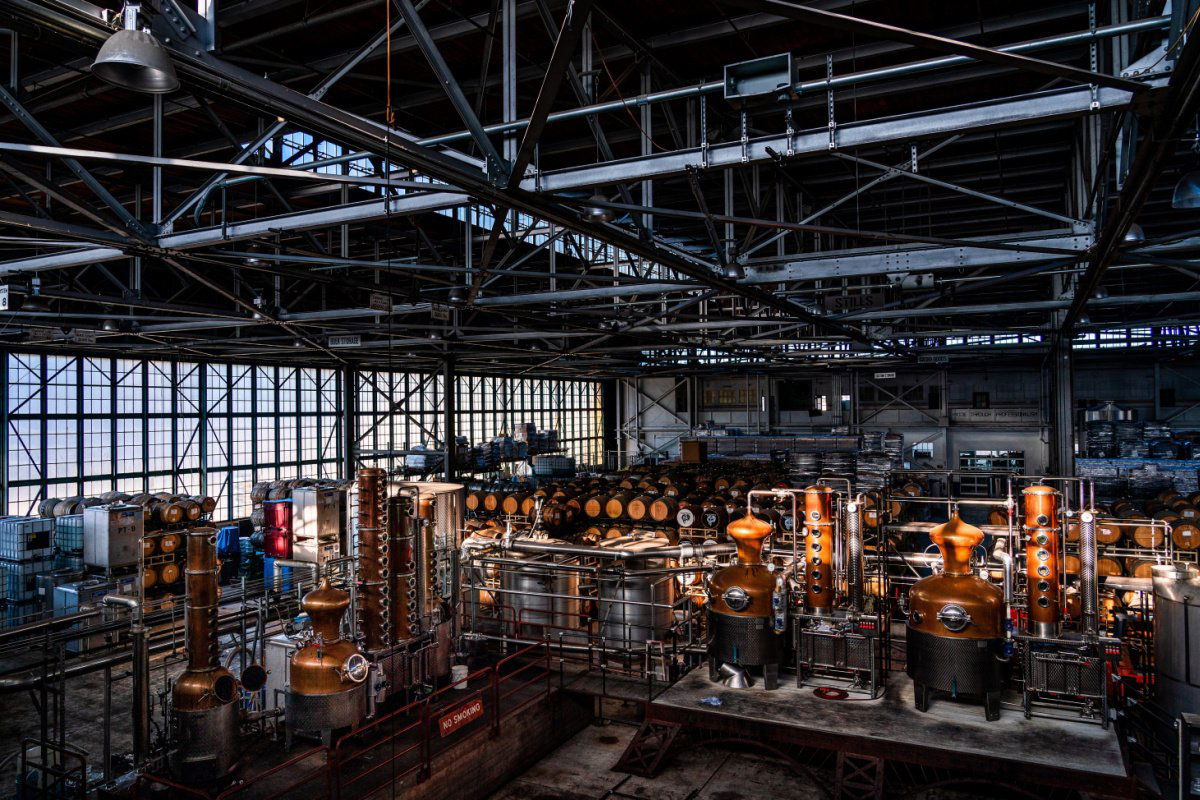
About St. George Spirits
St. George Spirits is worth prioritizing if the group wants a production-led spirits experience in Alameda rather than a classic winery visit. It is better for curious drinkers, dates, small celebrations than for large groups seeking vineyard scenery or a relaxed wine-country afternoon.
St. George Spirits is a venue in Alameda with a casual dress code and Pearl 3 Star Prestige recognition for 2025. Because the verified public details here are limited, plan with the essentials in mind rather than filling in the gaps with assumptions: confirm the current visit format, timing, any booking requirements directly before you go. That approach keeps the listing useful without overstating what is known. Treat the venue as a potentially worthwhile Alameda stop, but one that rewards a quick check-in before you commit the rest of your schedule around it.
Choose this as an Alameda stop with limited verified details
The safest expectation is simple: St. George Spirits is an Alameda venue, the confirmed dress code is casual. It also has Pearl 3 Star Prestige recognition for 2025, which gives the page a clear point of distinction while still leaving several practical questions open. Beyond that, specific claims about formats, menus, service style, hours, pricing, group size, or other visit details should be checked with the venue rather than assumed. That is especially important if your plans depend on a particular kind of visit, a specific window of time, or coordination with other stops. For a broader day in town, use our full Alameda restaurants guide and our full Alameda bars guide to plan the rest of your itinerary.
If you are comparing the stop with other venues, keep the comparison broad rather than assuming the same format or location. Ram's Gate Winery, Acacia Vineyard, Bouchaine Vineyards, Jacuzzi Family Vineyards, Redwood Empire Distillery are other options to research separately. The main point is not that they offer the same experience, but that they may appear in the same planning conversation for visitors considering St. George Spirits alongside other regional venues. Check each venue directly for current availability, visit details, location logistics. That extra step will help you avoid building an itinerary around details that may not apply, it will also make it easier to decide whether St. George Spirits should be a primary stop or one part of a wider Alameda plan.
Plan for visitors who are comfortable confirming details first
St. George Spirits is best treated as a stop to verify before building a full itinerary around it. Confirm the current schedule, reservation policy, access details, any visit options in advance, especially if you are coordinating a group or pairing it with other Alameda plans. The confirmed dress code is casual, so there is no need to plan around formal attire based on the available information. That simplicity can be helpful for visitors who prefer a low-pressure wardrobe choice, but it should not be taken as confirmation of anything else about the visit. The practical move is to separate what is known from what still needs a direct answer.
Use the wider guides if this is part of a weekend rather than a single stop: our full Alameda hotels guide for where to stay, plus Alameda restaurant and bar resources for the rest of the day. Those guides can help frame the rest of the itinerary while you confirm the venue-specific details that are not established here. For comparisons beyond Alameda, research each venue on its own terms rather than assuming the experience will match St. George Spirits. With a casual dress code, Pearl 3 Star Prestige recognition for 2025, limited verified public detail in this listing, the best plan is straightforward: keep the stop on your shortlist, verify the essentials directly, build the surrounding day only after those details are clear.
Frequently Asked Questions
What other venues are relevant comparisons for St. George Spirits?
Ram's Gate Winery, Acacia Vineyard, Bouchaine Vineyards, Jacuzzi Family Vineyards, Redwood Empire Distillery are relevant comparisons to research separately. St. George Spirits is in Alameda, so confirm each venue's location, format, availability before combining any of them into one plan.
When is the best time to visit St. George Spirits?
Confirm the current timing directly with the venue before you go. The verified location detail is Alameda, the available data does not confirm specific hours, visit windows, or the best time of day.
Do I need a reservation at St. George Spirits?
Do not assume a reservation policy from this guide alone. St. George Spirits is listed with Pearl 3 Star Prestige recognition for 2025, but current booking requirements, visit format, availability should be confirmed directly with the venue.
What should I wear to St. George Spirits?
The verified dress code for St. George Spirits is casual. This guide does not verify additional attire requirements, so confirm directly with the venue if your visit depends on a specific event or format.
What details should I confirm before visiting St. George Spirits?
Confirm current timing, booking requirements, visit format, availability directly with St. George Spirits before planning around the stop. The verified details in this guide are limited to Alameda, casual dress code, Pearl 3 Star Prestige recognition for 2025.
Location
2601 Monarch St, Alameda, CA 94501
Alameda, United States
Compare St. George Spirits
| Venue | Location | Awards |
|---|---|---|
| St. George Spirits | Alameda | Pearl 3 Star Prestige (2025) |
| Redwood Empire Distillery | Graton | , |
| Ram's Gate Winery | Sonoma | , |
| Acacia Vineyard | Napa | , |
| Bouchaine Vineyards | Napa | , |
| Jacuzzi Family Vineyards | Sonoma | , |
How St. George Spirits Alameda compares with similar nearby venues.
Where to look if this is full
If St. George Spirits is not available, cross-shop Redwood Empire Distillery first for a similar spirits-led outing. If the group is flexible on category, Ram's Gate Winery is the more natural pivot for a celebratory wine-country plan.
How It Compares
St. George Spirits is the Alameda choice for drinkers who want a production-led spirits stop rather than a vineyard tasting. Compared with Redwood Empire Distillery, it plays in the same broad spirits lane, so the decision comes down to which location fits the day better. If Alameda is already the plan, St. George Spirits is the more convenient anchor.
For ambiance, the wine-country peers are the better fit. Ram's Gate Winery, Acacia Vineyard, Bouchaine Vineyards, Jacuzzi Family Vineyards make more sense for guests who want vineyard context and a slower afternoon. St. George Spirits is the stronger call when the occasion is built around process, technique, a different kind of tasting conversation.
Booking difficulty is the main practical warning. Treat St. George Spirits as the harder plan and keep one of the wine-country options ready as a backup. For value, choose it when the group is specifically interested in spirits; choose the winery peers when scenery and a longer hang matter more than category focus.
Save or rate St. George Spirits on Pearl
Keep this venue in your Pearl passport, rate it after you visit, and track it alongside every other place you collect.