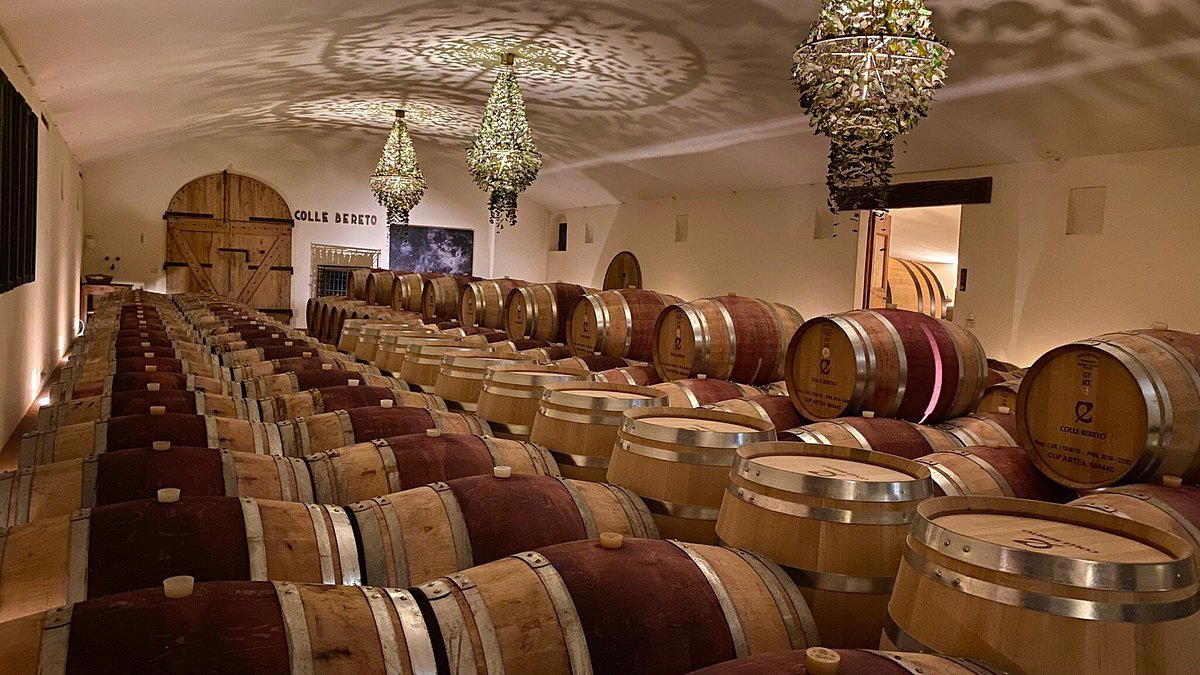

Lyrarakis Winery
Alagni
Winery in Alagni, Greece
 Book with Pearl
The Read
Indigenous Variety Precision
Why go
Book Lyrarakis Winery if your Crete itinerary is built around inland wine context rather than a meal-led tasting. It is a stronger fit for curious wine travelers than for groups looking for published food pairings, fixed prices, or casual walk-in planning. Treat it as a plan-ahead Alagni stop and confirm the tasting format before shaping the day around it.
About Lyrarakis Winery
Lyrarakis Winery is a venue in Alagni with a casual dress code and Pearl 2 Star Prestige recognition for 2025. Approach it as a winery visit and check directly before planning the rest of the day around it.
The practical verdict is simple: consider it if you specifically want to include Lyrarakis Winery in an Alagni itinerary. Do not assume a restaurant-style food program, published pairing menu, price structure, tasting format, or same-day availability unless the venue confirms those details directly.
Go for Lyrarakis Winery, not an assumed meal-centered itinerary
The strongest reasons to place Lyrarakis Winery on the shortlist are its identity as an Alagni winery and its Pearl 2 Star Prestige recognition for 2025. The dress code is casual, so the visit does not require formal attire.
Before you go, contact the venue with specific questions. Ask what visit options are currently available, whether reservations are needed, whether any food component is offered, and how much time to set aside.
How to fit it into an Alagni day
Plan around Alagni rather than building the day on assumptions about schedules, services, or add-ons. If the day needs food, transport, or another stop, confirm those pieces separately instead of assuming the winery visit will cover them.
For comparison within a broader winery or drinks itinerary, consider Lyrarakis Winery alongside Boutari Winery (Crete), Douloufakis Winery, Paterianakis Winery, Vassilakis Distillery, or Zargianakis Distillery. Compare the purpose of each visit and confirm current details directly before building a route.
Planning details
- Location
- Alagni, Arkalochori, 70300, Alagni, Heraklion, Crete 703 00
- Website
- lyrarakis.com/en/home
- Phone
- +30 698 105 0681
The take
The Take
The Vibe
Lyrarakis sits high on Crete’s central plateau and reads like a winery that prioritizes place above prettiness. The writing emphasizes a stonier soil, pronounced diurnal temperature swings and a measured, terroir-first approach—qualities that lend the estate a serious, sophisticated air. Its 2025 Pearl 2 Star Prestige award underlines that focus, marking the operation as part of a more selective tier of Greek producers. Tasting here feels like an encounter with restrained, site-driven wines rather than a coastal tourist stop; the overall mood is deliberate, quiet and quietly exacting.
Best For
This estate is best for visitors interested in learning why Crete’s interior produces distinct wines. The copy foregrounds indigenous grapes and the effects of altitude and soil, making the winery a strong match for wine-education outings, small group tastings keyed to terroir exploration, and solo visitors who want to study varietal expression. It’s less about spectacle and more about attentive tasting: people who come to compare Vidiano, Thrapsathiri, Plyto and other local varieties will find the context and credentials that reward close listening and note-taking.
Tasting Tips
When tasting, prioritize the island’s indigenous varieties mentioned in the description—Vidiano, Thrapsathiri, Plyto, Dafni and Kotsifali—to understand how limestone and clay soils and altitude shape their profiles. The text flags tighter acid structures and more controlled alcohol at this elevation, so sample wines side by side when possible to hear those distinctions. Also ask about the estate’s Pearl 2 Star Prestige bottlings to get a sense of the house style that earned formal recognition; focus on comparative tastings rather than single flashy cuvées.
Venue details
Ambiance
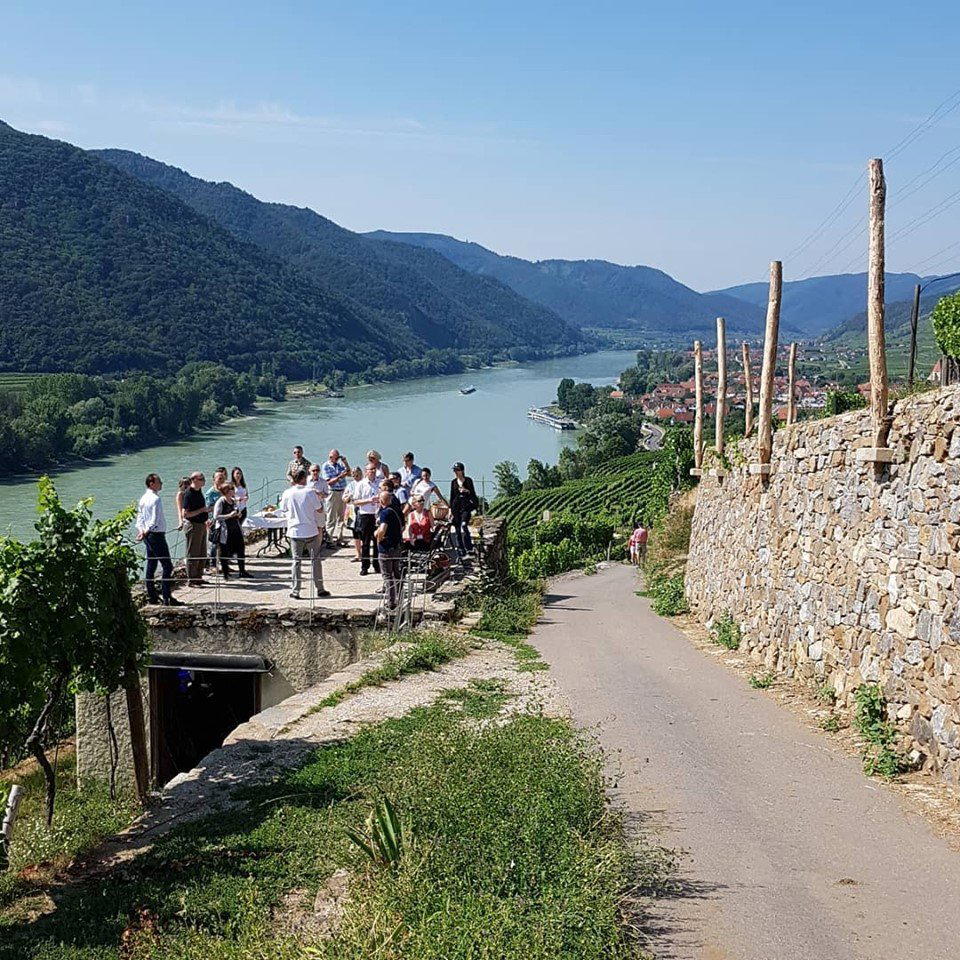
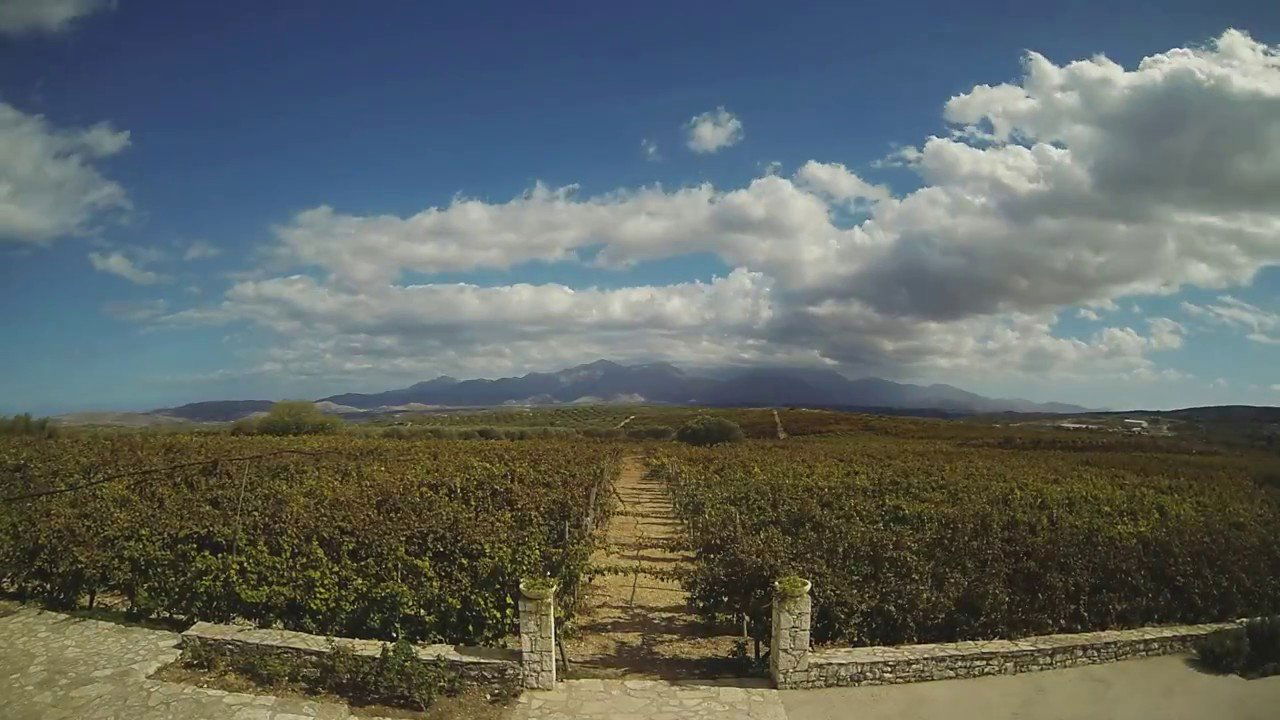
Tranquil and scenic shaded seating overlooking vineyards and Lassithi mountains, with a relaxed, welcoming atmosphere.
Tags
Vibe
Best For
Experience
Sourcing
View
At the Vineyard
- Appellation
- Peza
- Varietals
- Dafni, Plyto, Melissaki, Vidiano, Vilana
- Tour Duration
- 60-90 minutes
- Wine Club
- Not available
Know before you go
Know Before You Go
- Getting there
- Alagni, Arkalochori, 70300, Alagni, Heraklion, Crete 703 00
Planning details
Location
Alagni, Arkalochori, 70300, Alagni, Heraklion, Crete 703 00 · Directions
Recognition and awards

Also consider
If you can't get in
Try Douloufakis Winery first if the goal is another Cretan wine stop, then Paterianakis Winery if the itinerary has room for a second producer. If the group is less wine-focused, switch to Vassilakis Distillery for a spirits-led alternative.
Winery context
How it compares in the Alagni orbit
Lyrarakis Winery is the pick for travelers who want a wine-first Crete stop and are willing to plan around a harder booking. Paterianakis Winery and Douloufakis Winery are the cleaner cross-shops if the group wants to compare Cretan producers without centering the whole day on one address.
Boutari Winery (Crete) is the better fallback for visitors who prefer a more familiar name in the itinerary, while Lyrarakis is more compelling for travelers seeking a focused local wine stop in Alagni. For groups split between wine and spirits, Zargianakis Distillery or Vassilakis Distillery make more sense than forcing everyone into a winery tasting.
On value, the decision comes down to confidence in the format: confirm tasting options before committing, then compare that against how much flexibility the group needs. If the itinerary has only one serious wine stop, Lyrarakis is the stronger wine-focused choice; if ease and variety matter more, pair Douloufakis or Paterianakis with a distillery stop.
Explore Alagni
Around this place
Discover more on Pearl
Unlock the full Lyrarakis Winery guide in Pearl, including awards, comparisons, FAQs, planning details, and nearby places.
Compare Lyrarakis Winery
| Venue | Location | Awards |
|---|---|---|
| Lyrarakis Winery | Alagni | 2026 Falstaff Winery Guide |
| Paterianakis Winery | Heraklion | No published awards |
| Boutari Winery (Crete) | Heraklion | No published awards |
| Douloufakis Winery | Dafnes | 2026 Falstaff Winery Guide |
| Zargianakis Distillery | Heraklion | No published awards |
| Vassilakis Distillery | Heraklion | No published awards |
How Lyrarakis Winery Alagni compares with similar nearby venues.
FAQ
Frequently Asked Questions
When is the best time to visit Lyrarakis Winery?
Contact Lyrarakis Winery directly for hours or seasonal timing before you plan the day around it. Its recognition is Pearl 2 Star Prestige (2025).
Do I need a reservation at Lyrarakis Winery?
Contact Lyrarakis Winery directly before visiting Alagni, especially if timing is important to your itinerary.
What should I know before planning around Lyrarakis Winery?
Key planning details: Lyrarakis Winery is in Alagni, has a casual dress code, and has Pearl 2 Star Prestige recognition for 2025. Confirm any other planning details directly with the venue.
Does Lyrarakis Winery serve food?
Do not assume lunch, dinner, a pairing menu, or a restaurant-style food program unless Lyrarakis Winery confirms it directly.
What other venues can I compare with Lyrarakis Winery?
For comparison, consider Boutari Winery (Crete), Douloufakis Winery, and Paterianakis Winery. Vassilakis Distillery and Zargianakis Distillery may also be relevant for a broader drinks-focused itinerary.