Eigashima (White Oak)
Akashi
Winery in Akashi, Japan
 Book with Pearl
The Read
Coastal-Matured Single Malt
Why go
Eigashima (White Oak) is worth pursuing for Japanese whisky enthusiasts who specifically want the Akashi connection, but it is not the safest choice for a casual, predictable tasting-room plan. Treat access as difficult, build a backup itinerary in Akashi, and compare it with larger destination distilleries before committing the day.
About Eigashima (White Oak)
Plan around the essentials first: Eigashima (White Oak) is a venue in Akashi with casual dress and Pearl 2 Star Prestige recognition for 2025. Build the day with flexibility rather than relying on specifics such as format, prices, hours, services, or reservations.
Akashi is the key location detail for planning from this guide. If Eigashima (White Oak) is important to your itinerary, keep a backup plan in the city and confirm current visit details directly through the venue before committing the rest of the day.
Choose it for a focused Akashi stop, not for specifics
The grounded reason to keep Eigashima (White Oak) on the shortlist is simple: it is an Akashi venue recognized with Pearl 2 Star Prestige in 2025. The dress code is casual, but service style, visit format, pricing, hours, and capacity are not provided here.
For broader trip planning, you may also compare it with other Japan venues such as Yamazaki (Suntory), Hakushu (Suntory), Mars Shinshu Distillery, Shizuoka, and Château Mercian Mariko Winery, while keeping in mind that those are separate destinations rather than Akashi substitutes.
Use Akashi as the base, then keep the itinerary flexible
Base the plan around Akashi and avoid assuming more than the details support. For planning around the area, use Our full Akashi restaurants guide and other local Akashi resources to shape the rest of the day if Eigashima (White Oak) requires confirmation or cannot fit the schedule.
Bottom line: consider Eigashima (White Oak) if you want an Akashi stop with Pearl 2 Star Prestige recognition. Confirm practical details directly before visiting, and keep the rest of the itinerary adaptable.
Planning details
- Location
- Nishijima-919 Ōkubochō, Akashi, Hyogo 674-0065
- Website
- ei-sake.jp
- Phone
- +81 78-946-1001
The take
The Take
The Vibe
Eigashima (White Oak) reads like a coastal distillery anchored in history. The Seto Inland Sea and salt-threaded Akashi air are central to its character; those marine influences accelerate maturation and produce rounder, more approachable spirits than highland producers. With a licence stretching back more than a century, the site retains a quietly storied presence rather than flash—its buildings and operations speak to lineage and craft. The result is a scenic, rustic distillery that feels lived-in and authentic, where ocean proximity and long continuities of production shape both the spirits and the visitor experience.
Best For
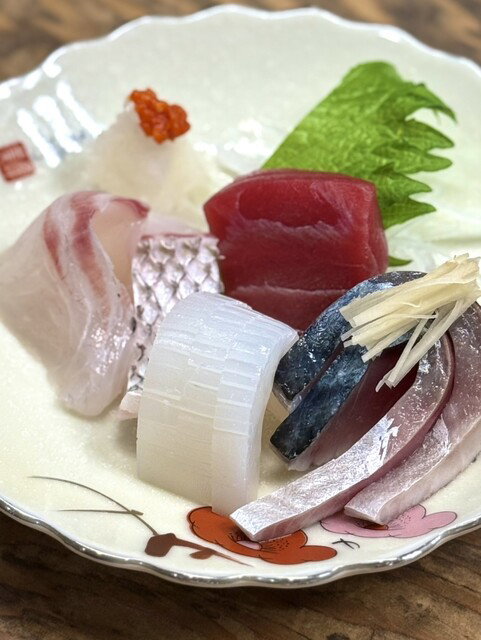
Visitors come to Eigashima primarily to understand how a maritime climate shapes spirit production. Tastings and interpretive visits focus on the distillery’s century-long heritage and the role of Seto Inland Sea air in speeding maturation and softening barrel influence, making it ideal for wine education and short, reflective solo exploration. The address in Akashi pairs well with sampling local seafood nearby, so plan a visit that pairs a distillery tour with local dining. The site suits curious drinkers who want to study regional production forces rather than a cocktail-centric night out.
Venue details
Ambiance
Intimate and rustic with a coastal briny influence from its seaside location, featuring a quiet, artisanal atmosphere.
Tags
Vibe
Best For
Experience
View
At the Vineyard
- Appellation
- Hyogo
- Varietals
- malted barley
- Tour Duration
- 60-90 minutes
- Tour Languages
- Japanese, English
- Visits
- By appointment only
- Wine Club
- Not available
Know before you go
Know Before You Go
- Getting there
- Nishijima-919 Ōkubochō, Akashi, Hyogo 674-0065
Planning details
Location
Also consider
Where to look if access does not work
If Eigashima (White Oak) is too hard to arrange, start with Yamazaki (Suntory) for the classic Japanese whisky reference point. For a different setting with strong destination appeal, Hakushu (Suntory) is the cleaner backup.
Winery context
How it compares with Japan's better-known distillery trips
Choose Eigashima (White Oak) if the Akashi address and White Oak connection are the reason for the detour. For a more polished, destination-style whisky visit, Yamazaki (Suntory) and Hakushu (Suntory) are stronger first-choice comparisons because they are built around broader visitor recognition and clearer trip-planning appeal.
Mars Shinshu Distillery is the better cross-shop for travelers who want a mountain distillery context, while Shizuoka fits readers chasing a more specialist Japanese whisky route. Château Mercian Mariko Winery belongs in the comparison only if the trip is more about Japanese wine than whisky; it is a different kind of day.
For value, Eigashima makes sense only when Akashi is already in the itinerary or the producer is personally important. For ease, choose one of the larger-name alternatives first. For depth, keep Eigashima on the shortlist after the better-known distillery stops are already covered.
Explore Akashi
Around this place
Discover more on Pearl
Unlock the full Eigashima (White Oak) guide in Pearl, including awards, comparisons, FAQs, planning details, and nearby places.
Compare Eigashima (White Oak)
| Venue | Location | Awards |
|---|---|---|
| Eigashima (White Oak) | Akashi | No published awards |
| Yamazaki (Suntory) | Shimamoto | No published awards |
| Mars Shinshu Distillery | Miyada | No published awards |
| Shizuoka | Shizuoka | No published awards |
| Hakushu (Suntory) | Hokuto | No published awards |
| Château Mercian Mariko Winery | Nagano | 2025 World's 50 Best Vineyards · #462023 World's 50 Best Vineyards · #382021 World's 50 Best Vineyards · #332020 World's 50 Best Vineyards · #30 |

How Eigashima (White Oak) Akashi compares with similar nearby venues.
FAQ
Frequently Asked Questions
Can Eigashima (White Oak) handle large groups?
What other Japan venues can I compare with Eigashima (White Oak)?
Château Mercian Mariko Winery, Yamazaki (Suntory), Mars Shinshu Distillery, Shizuoka, and Hakushu (Suntory) are useful broader comparisons, but they should be treated as separate destinations rather than Akashi options.
How long should I plan for a visit to Eigashima (White Oak)?
Does Eigashima (White Oak) have memberships or ongoing purchase options?
Does Eigashima (White Oak) serve food?
Plan any dining separately unless the venue confirms otherwise.
Do I need a reservation at Eigashima (White Oak)?
What should I know before visiting Eigashima (White Oak)?
The key details are Akashi as the city, casual dress, and Pearl 2 Star Prestige recognition for 2025. For current practical information, check directly with Eigashima (White Oak).