Bodega Melipal
Agrelo
Winery in Agrelo, Argentina
 Book with Pearl
The Read
High-Altitude Malbec Terroir
Why go
Bodega Melipal is worth considering for a focused Agrelo wine stop, especially if the goal is producer depth rather than a broad visitor circuit. Booking should be treated as difficult, so pair it with backup options and compare any bottle or club decision against other Mendoza wineries before committing.
About Bodega Melipal
Bodega Melipal is a Pearl 2 Star Prestige (2025) venue in Agrelo. The dress code is smart casual.
Choose it for a focused Agrelo stop, not a catch-all day plan
The case for visiting is strongest if your decision is based on its Pearl 2 Star Prestige (2025) recognition and the venue's location in Agrelo. Keep expectations precise: check current menus, visit formats, access, amenities, service details, and booking requirements directly with Bodega Melipal before building a full itinerary around it.
For travelers comparing options, Bodega Melipal can be considered alongside Bodega Bressia, Bodega Norton, Susana Balbo (Dominio del Plata), Terrazas de los Andes, and Viña Cobos, as well as other dining in Agrelo more generally.
Worth considering if you can confirm the current experience
Do not rely on assumptions about reservations, hours, food service, visit length, retail options, or special formats. Confirm the current offering directly before you go, especially if Bodega Melipal is meant to be the anchor of your Agrelo plans.
Use broader Agrelo planning resources to round out the trip rather than forcing one venue to answer every part of the day, especially if the itinerary needs structure beyond a single stop.
Planning details
- Location
- Cochabamba s/n, M5509 Agrelo, Mendoza
- Website
- bodegamelipal.com
- Phone
- +542616368438
The take
The Take
The Vibe
Bodega Melipal presents as a refined Agrelo estate that foregrounds terroir and measured execution. The writing places the winery within a tier of producers where attention to site and varietal expression matters, so the overall impression is one of calm professionalism and focused craftsmanship. Visits feel deliberate rather than theatrical: the estate, the vineyard and the tasting room work together to let the grapes’ altitude-driven aromatics and structure speak. For travelers seeking a composed, sophisticated winery experience that privileges vineyard specificity over volume, Melipal reads as a confident, well-ordered destination.
Best For
This estate is best suited to visitors who want to deepen their understanding of Mendoza’s vineyard logic and to those marking a special visit on a wine-focused itinerary. The description emphasises tasting as translation—how the vineyard and winery are presented to the glass—so the property works well for wine-education outings and for travelers who prize quality-driven experiences. Its EP Club recognition and focus on terroir make it an appropriate stop when choosing a small number of meaningful estate visits in Agrelo or when planning a more celebratory, serious tasting day.
Tasting Tips
When you taste at Melipal, centre your attention on how altitude and diurnal swing shape the wines—the copy specifically notes preserved aromatic structure in red varieties. Ask the tasting staff to connect specific vineyard parcels or practices to the sensory notes in each pour; the text flags the importance of staff fluency in bridging field and glass. Prioritise wines that showcase varietal aromatics and structure and use the tasting room as an educational moment rather than a quick sampling stop—this is where the estate’s terroir argument is most clearly expressed.
Venue details
Ambiance
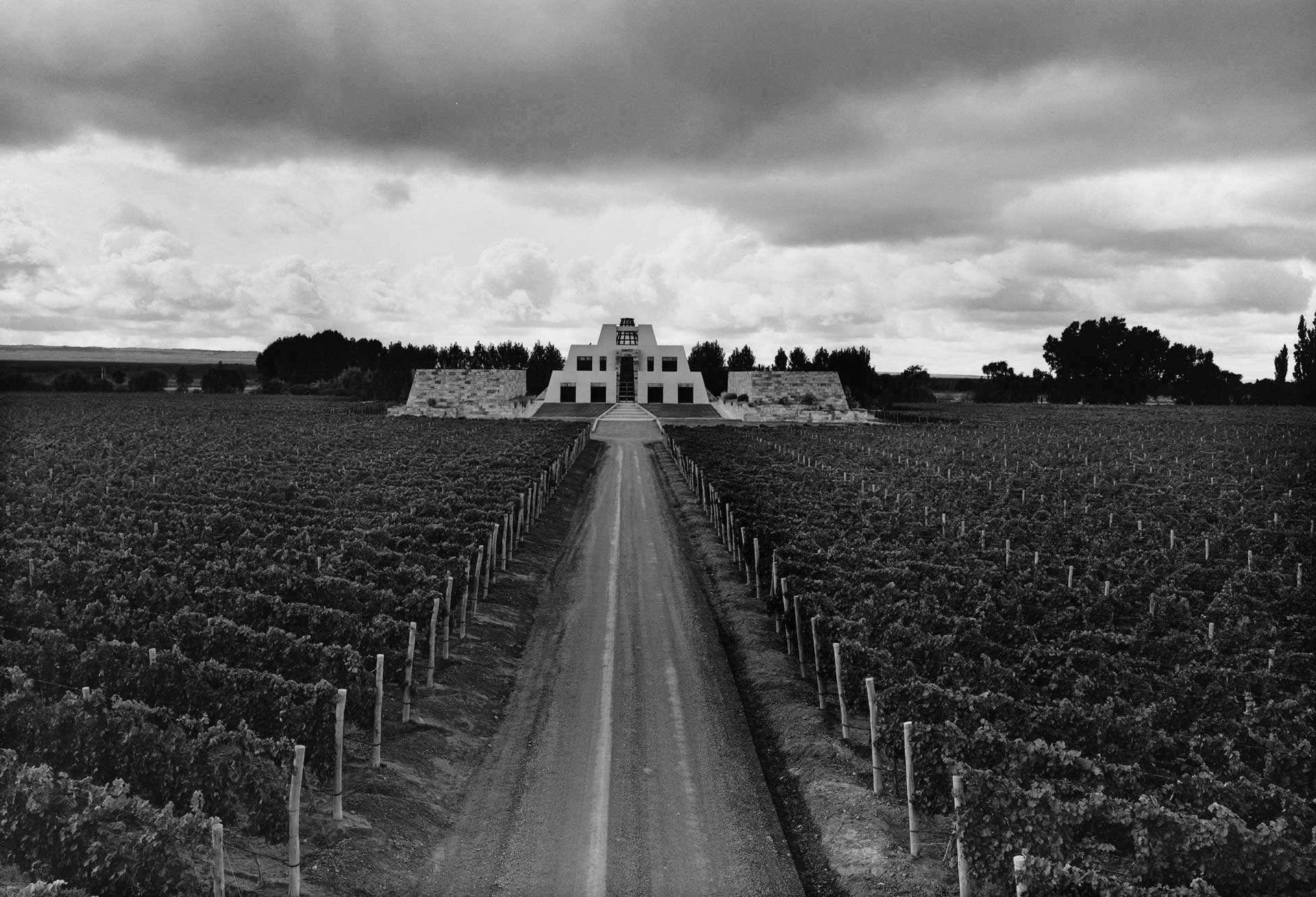
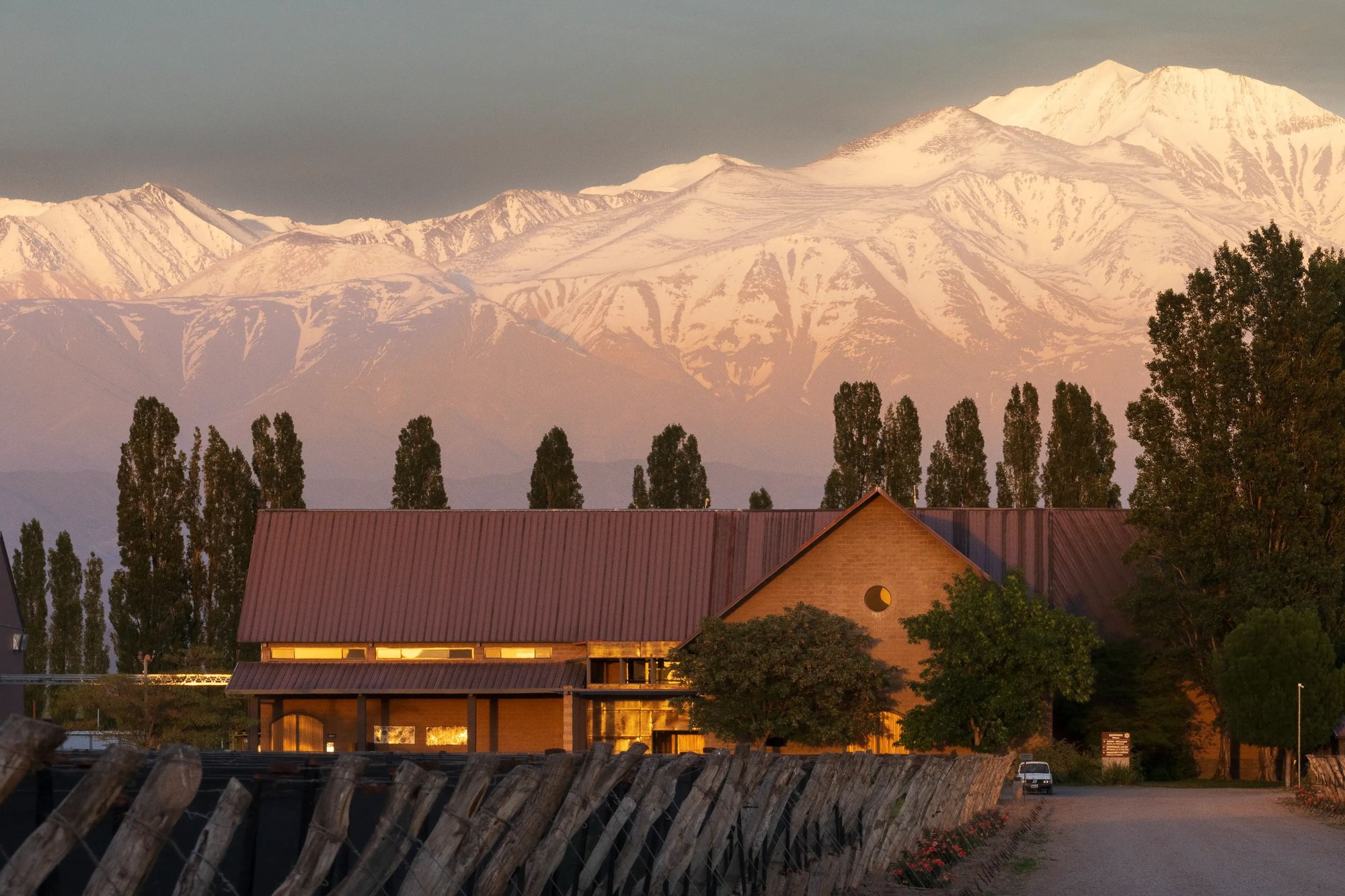
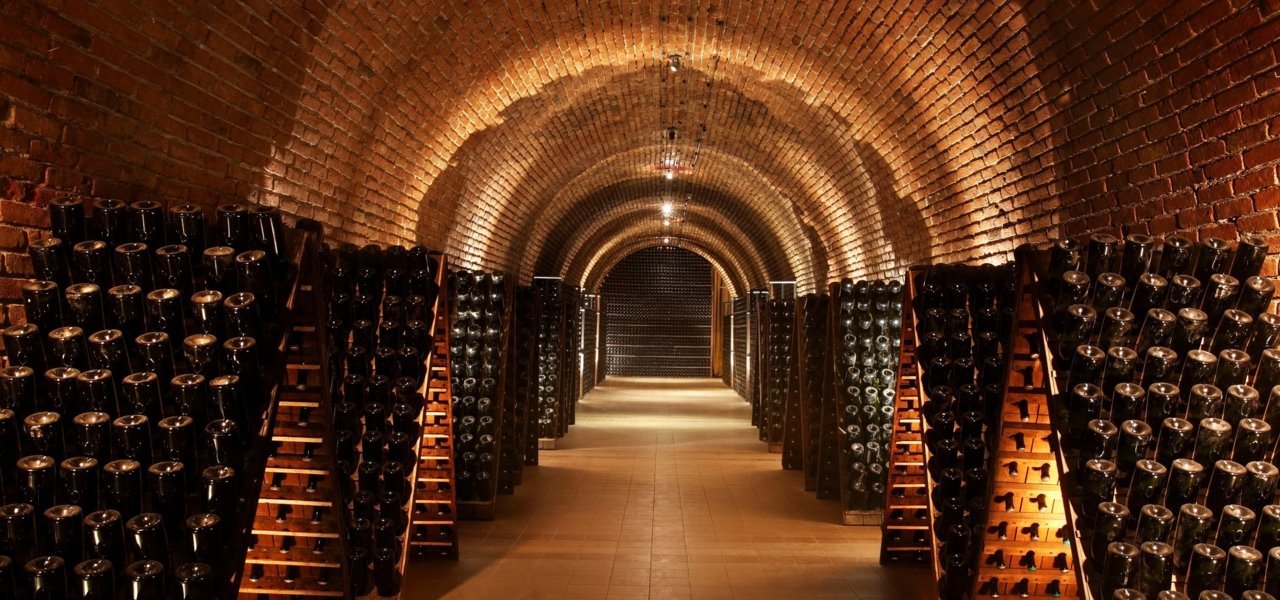
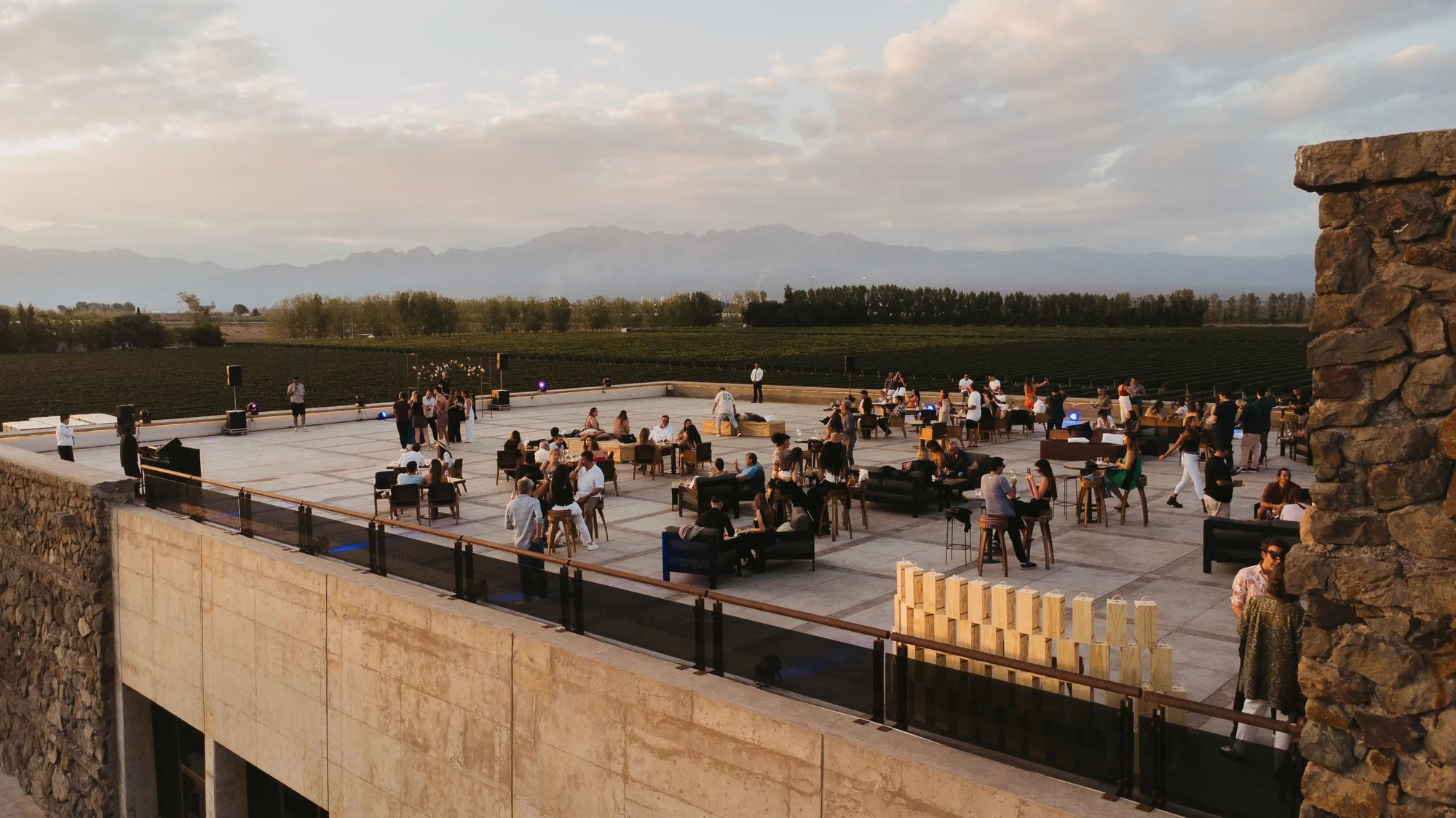
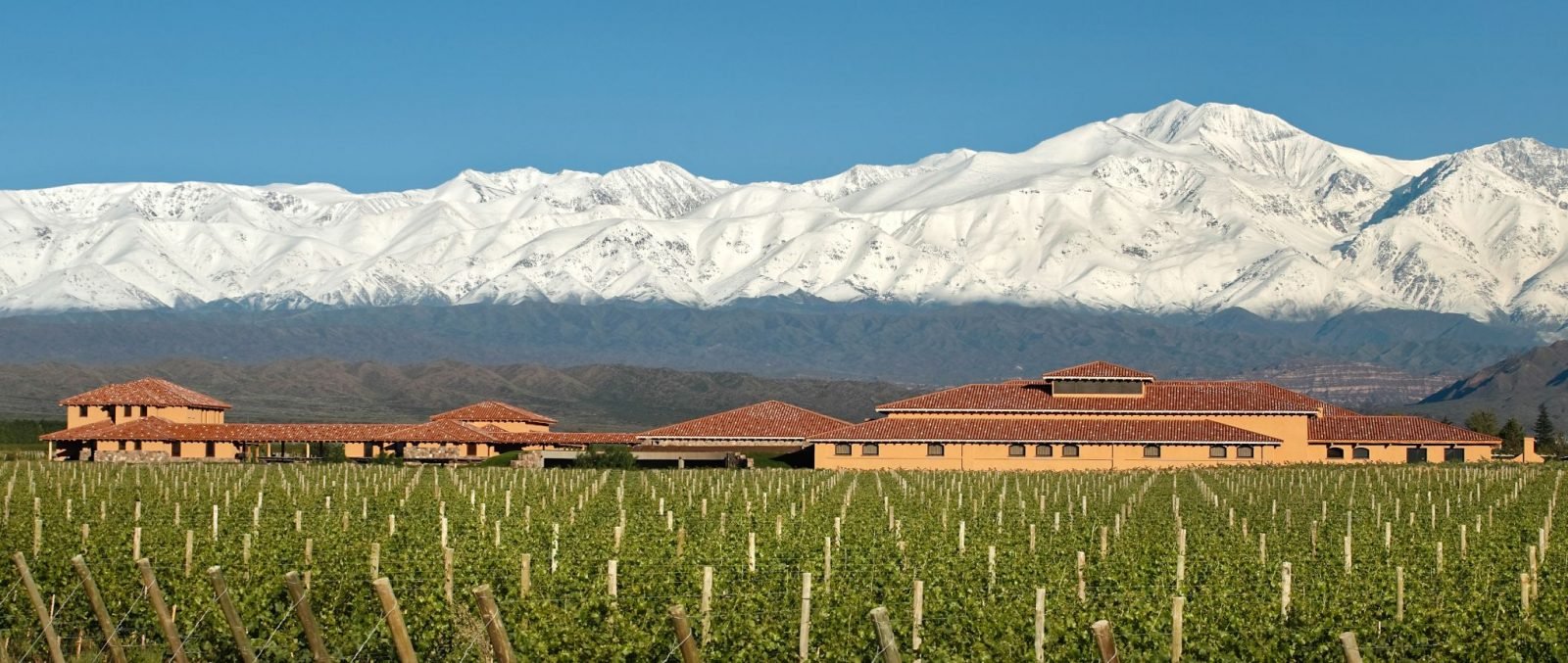
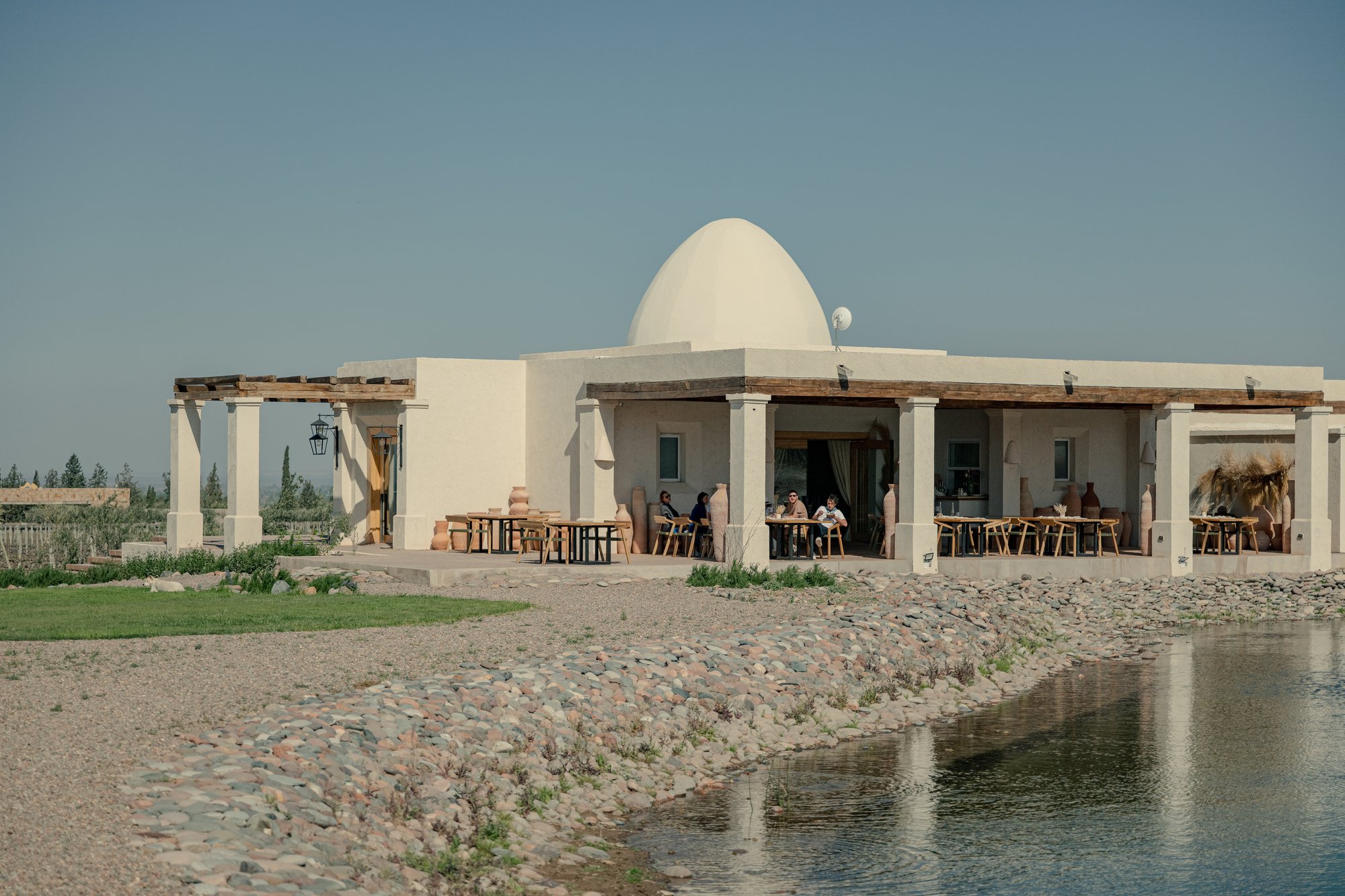
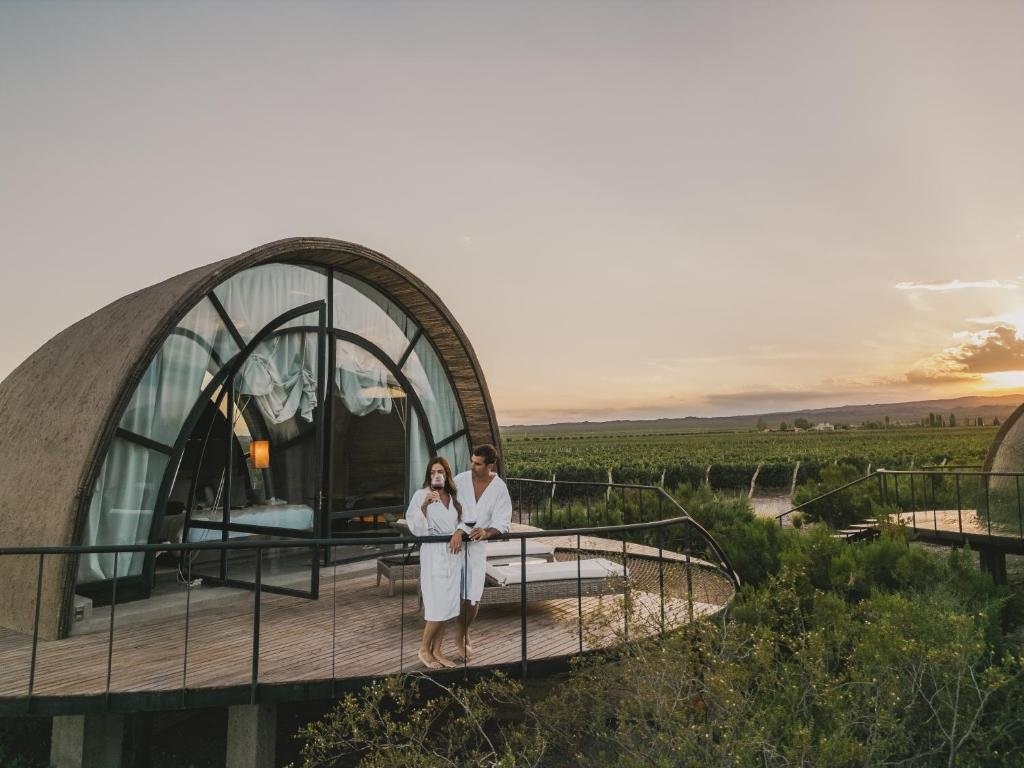
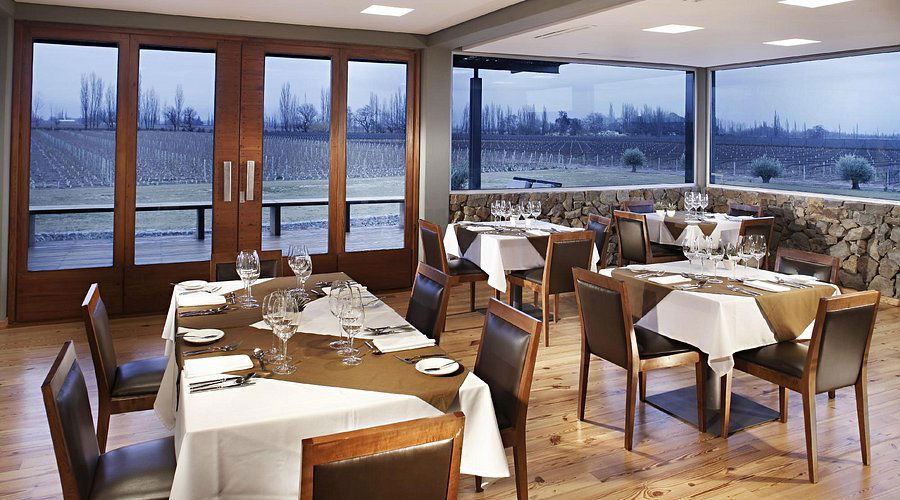
Warm and passionate atmosphere surrounded by vineyards, willows, and Andes mountain views with contemporary design.
Tags
Vibe
Best For
Experience
Sourcing
View
At the Vineyard
- Appellation
- Luján de Cuyo
- Varietals
- Malbec, Cabernet Sauvignon, Merlot, Cabernet Franc, Petit Verdot
- Visits
- By reservation
- Farming
- Sustainable
- Wine Styles
- Still Red
- Food Pairing
- Offered
- Wine Club
- Not available
Know before you go
Know Before You Go
- Getting there
- Cochabamba s/n, M5509 Agrelo, Mendoza
Planning details
Location
Also consider
If You Can't Get In
Try Bodega Bressia first if staying close to Agrelo is the priority. If the itinerary can stretch beyond the immediate area, Viña Cobos is the better reputation-led cross-shop.
Winery context
How It Compares
Against Bodega Bressia, Bodega Melipal is the more selective-feeling choice if the priority is a tighter winery stop rather than a broader day plan. Bressia is the safer cross-shop for visitors who want another Agrelo name in the mix; Melipal is the pick when the decision is driven by recognition and a more focused wine agenda.
Susana Balbo (Dominio del Plata) and Bodega Norton are better backup choices if availability matters more than exclusivity. For travelers trying to avoid a fragile itinerary, those peers make more sense as anchors, while Melipal is better treated as a high-priority request with alternatives ready.
Terrazas de los Andes and Viña Cobos are stronger comparisons for visitors shopping by reputation and cellar seriousness. Choose Melipal if Agrelo location and a focused visit matter; choose Viña Cobos or Terrazas when the plan calls for a more widely recognized Mendoza name in the itinerary.
Explore Agrelo
Around this place
Discover more on Pearl
Unlock the full Bodega Melipal guide in Pearl, including awards, comparisons, FAQs, planning details, and nearby places.
Compare Bodega Melipal
| Venue | Location | Awards |
|---|---|---|
| Bodega Melipal | Agrelo | No published awards |
| Bodega Bressia | Agrelo | No published awards |
| Susana Balbo (Dominio del Plata) | Luján de Cuyo | No published awards |
| Bodega Norton | Luján de Cuyo | Michelin Guide Buenos Aires & Mendoza 20262026 Falstaff Winery Guide2025 Michelin Plate |
| Terrazas de los Andes | Mendoza | 2026 Falstaff Winery Guide |
| Viña Cobos | Luján de Cuyo | 2026 Falstaff Winery Guide2025 World's 50 Best Vineyards · #49 |


.png?width=1200&quality=80)

How Bodega Melipal Agrelo compares with similar nearby venues.
FAQ
Frequently Asked Questions
Does Bodega Melipal serve food?
Treat Bodega Melipal as a Pearl 2 Star Prestige (2025) venue in Agrelo and confirm any current dining or visitor details directly before planning around a meal.
Do I need a reservation at Bodega Melipal?
How long should I plan for a visit to Bodega Melipal?
What should I wear to Bodega Melipal?
The dress code for Bodega Melipal is smart casual.
What visitor amenities does Bodega Melipal offer?
What is Bodega Melipal recognized for?
Bodega Melipal is recognized as a Pearl 2 Star Prestige (2025) venue.