Bodega Bressia
Agrelo
Winery in Agrelo, Argentina
 Book with Pearl
The Read
Agrelo Appellation Precision
Price
$20–30tasting
Why go
Bodega Bressia is a serious Agrelo winery pick for travelers planning a celebration-focused Mendoza day, especially if the visit is meant to anchor the itinerary rather than fill a spare hour. The planning friction is real, so compare nearby alternatives before committing, and confirm access before arranging transport.
About Bodega Bressia
Bodega Bressia is a venue in Agrelo, recognized with Pearl 2 Star Prestige for 2025 and observing a smart casual dress code. For other specifics such as hours, pricing, menus, visit formats, group capacity, or booking rules, confirm directly with the venue.
The right reason to consider Bodega Bressia is a deliberate Agrelo stop built around a Pearl-recognized venue. If you are comparing possible visits, keep the comparison focused on venue names such as Bodega Melipal, Bodega Norton, Susana Balbo (Dominio del Plata), Terrazas de los Andes, and Viña Cobos, or look at other Agrelo options generically before finalizing plans.
A better fit for a deliberate visit than a casual drop-in
For a date, anniversary, or client-facing outing, Bodega Bressia is best treated as a planned stop rather than an improvised one. The smart casual dress code also points toward arriving polished rather than overly casual. For public hours, pricing, visit structure, food service, phone details, or reservation process, confirm directly with the venue before arranging transport or building the rest of the day around it.
That planning burden matters. Visitors who need specific details about timing, access, food, dietary needs, or group arrangements should confirm those points with the venue or a trusted local planning channel before committing. If the group has mixed expectations, compare Bodega Bressia with other Agrelo options and with venues such as Bodega Norton, Terrazas de los Andes, Susana Balbo (Dominio del Plata), Bodega Melipal, and Viña Cobos.
Where it belongs on an Agrelo shortlist
Bodega Bressia belongs on a focused Agrelo shortlist for travelers who want a Pearl 2 Star Prestige venue and are comfortable confirming the practical details themselves. The comparison set should remain direct: Bodega Melipal, Bodega Norton, Susana Balbo (Dominio del Plata), Terrazas de los Andes, and Viña Cobos are useful names to consider alongside it, while other local choices can be assessed generically based on the needs of the day.
The practical verdict: choose Bodega Bressia as a planned Agrelo stop. Dress smart casual, confirm current access and arrangements before you go, and avoid relying on unstated details such as pricing, hours, food service, visit format, or group capacity unless the venue confirms them directly.
Planning details
- Location
- 7725,, Cochabamba, Luján de Cuyo, Mendoza
- Website
- bressiabodega.com
- Phone
- +54 9 261 453-1182
The take
The Take
The Vibe
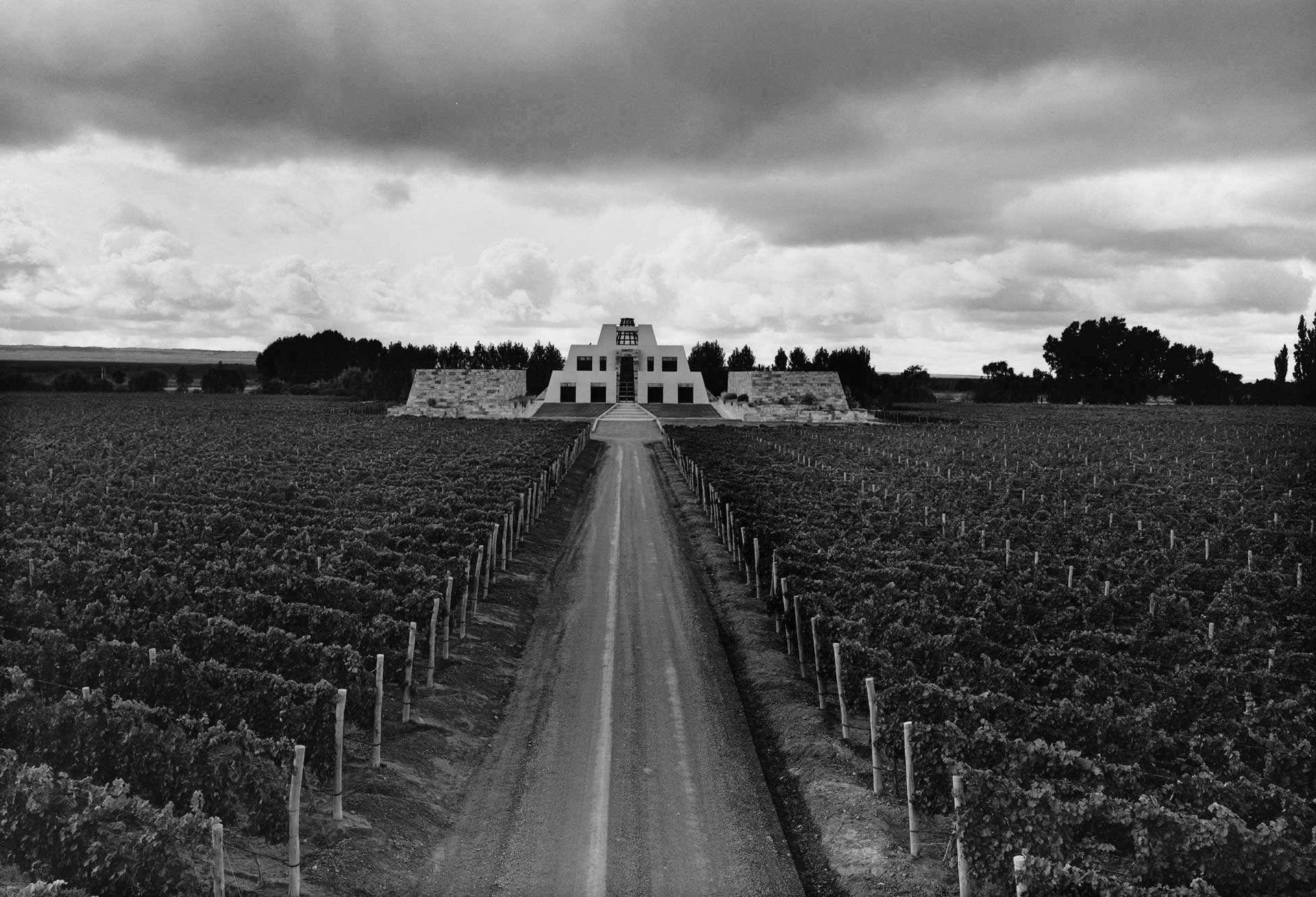
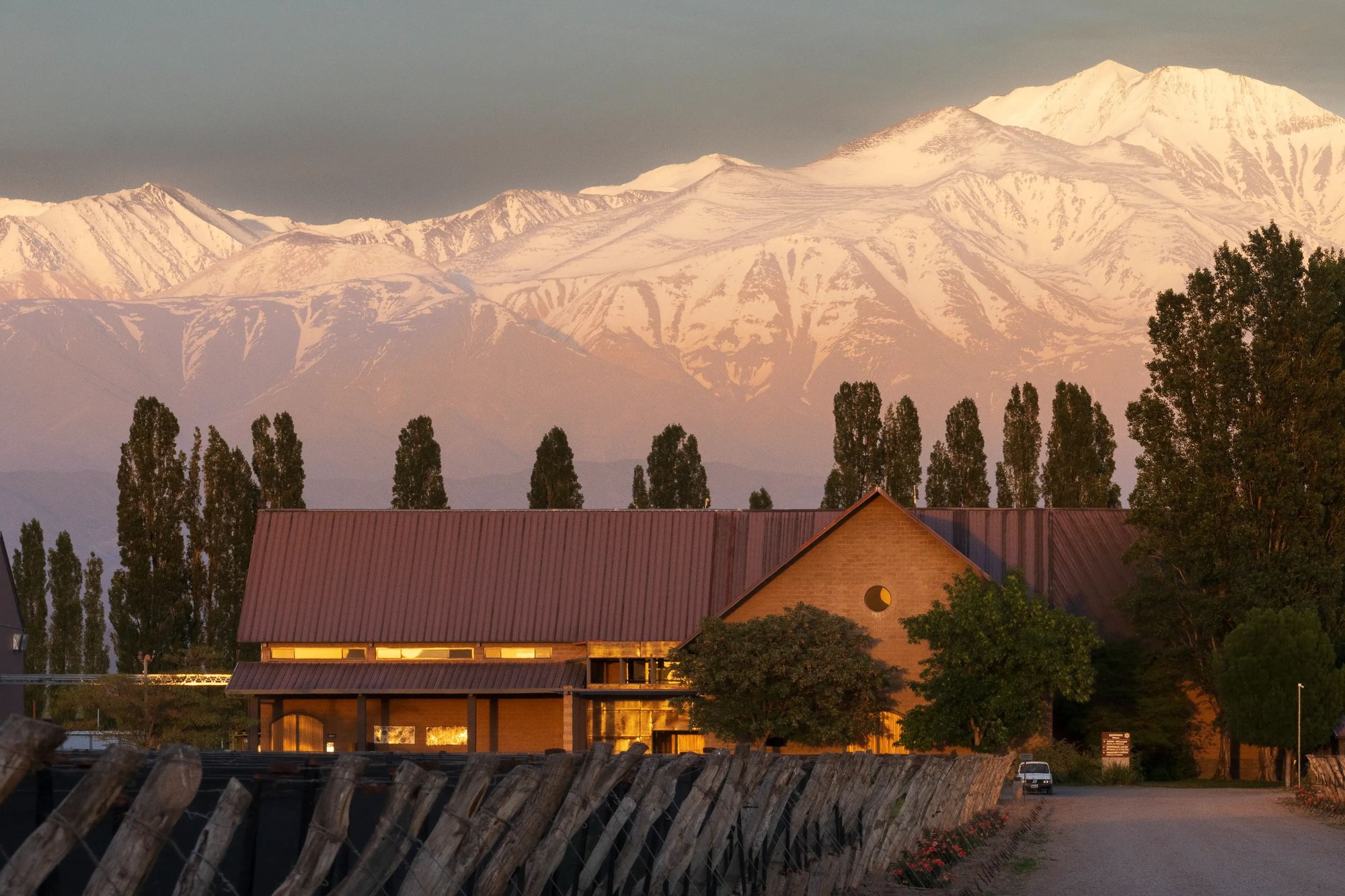
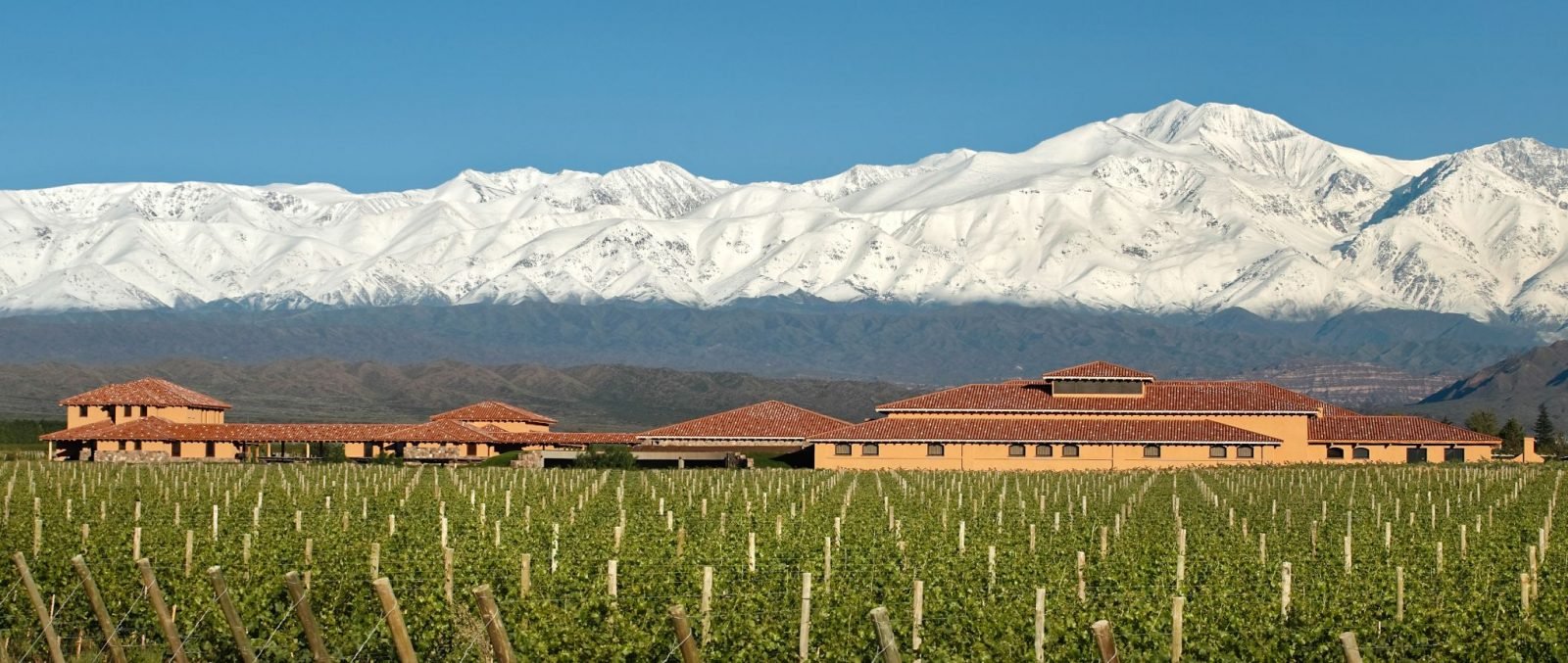
Bodega Bressia sits in the scenic foothills of the Andes, where altitude and light shape a very legible vineyard landscape. The estate foregrounds block-by-block variation — gravels, loams and sandy silts — and encourages close reading of terroir rather than broad regional generalities. That attention to site pairs neatly with its critical standing: a Pearl 2 Star Prestige rating positions the bodega among producers that prize precision over volume. Visits feel quietly focused and refined, with an emphasis on how elevation and alluvial soils influence structure and acidity across individual plots.
Best For
This is a destination for people who come to learn and to taste with attention. The writing emphasizes Agrelo's altitude, diurnal swings and block-by-block soil differences, so the bodega suits wine-education visits and solo explorers who want to study vineyard expression. Rather than a boisterous tasting room, Bressia attracts visitors interested in comparative tasting and terroir-driven conversation — journalists, students of viticulture and curious travelers who prefer measured, detail-oriented experiences over large-group, casual outings.
Tasting Tips
When tasting here, prioritize the estate's Malbecs and other single-block or site-designated wines that illustrate Agrelo's alluvial variability. The notes stress cooler nights and slower phenolic development, so look for bottlings that highlight acidity and structure rather than overt ripeness. Ask staff about the different soil patches — gravels, loams and sandy silts — and request comparative samples from neighboring plots to perceive how those textures shape color, tannin and balance.
Venue details
Ambiance
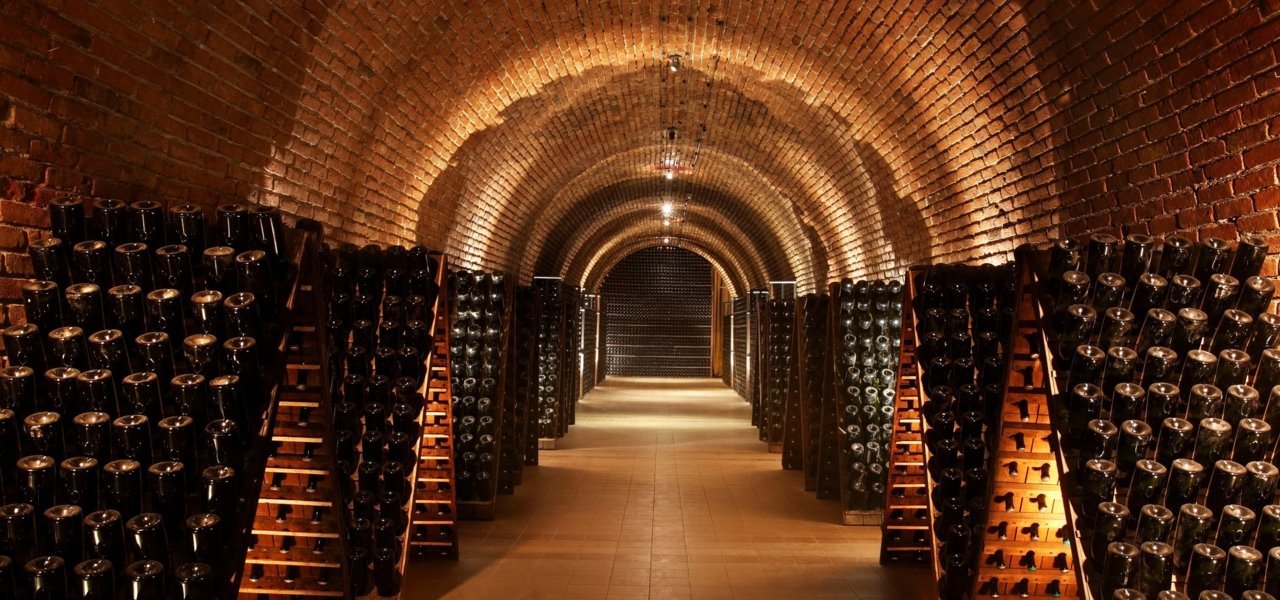
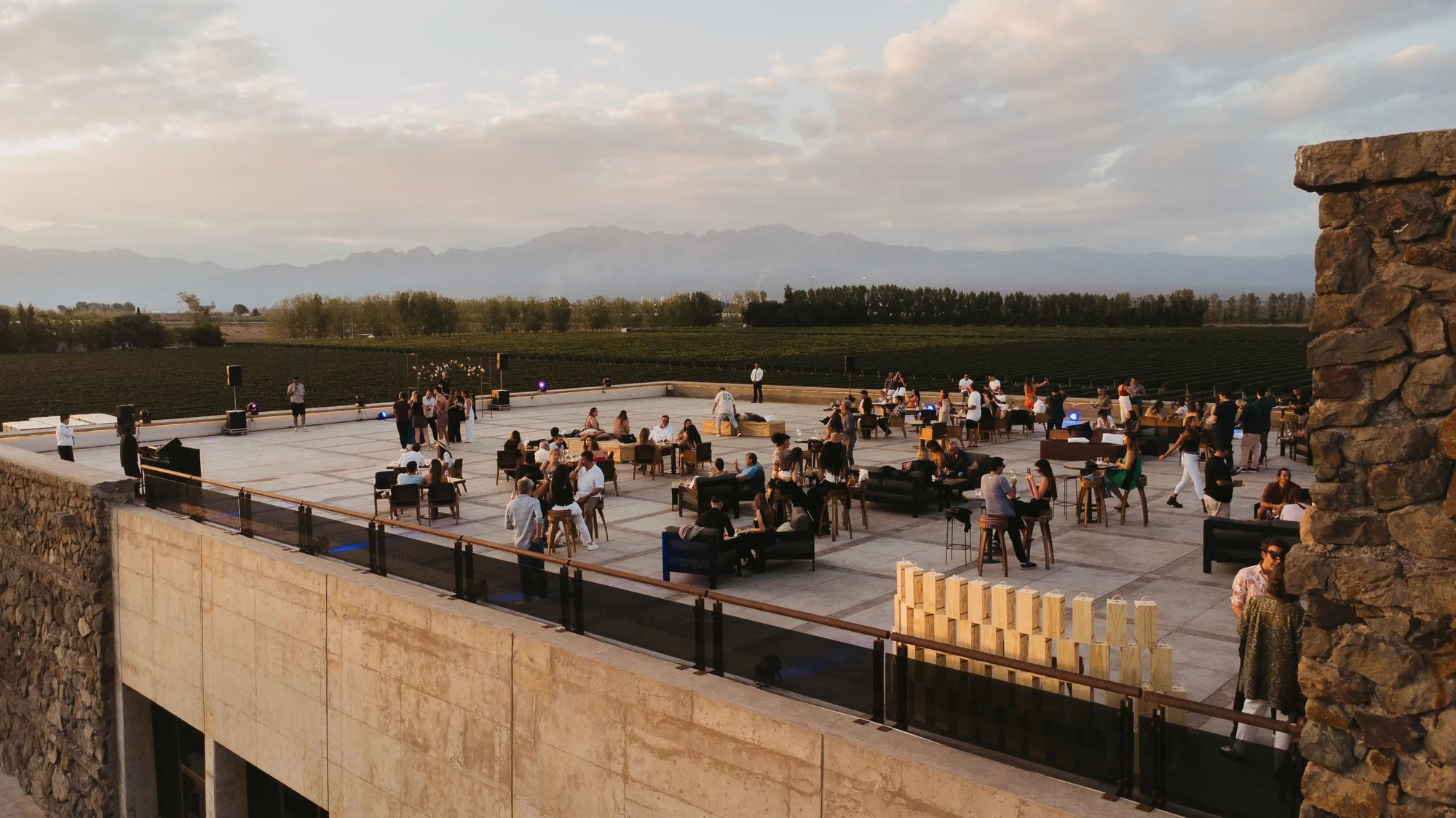
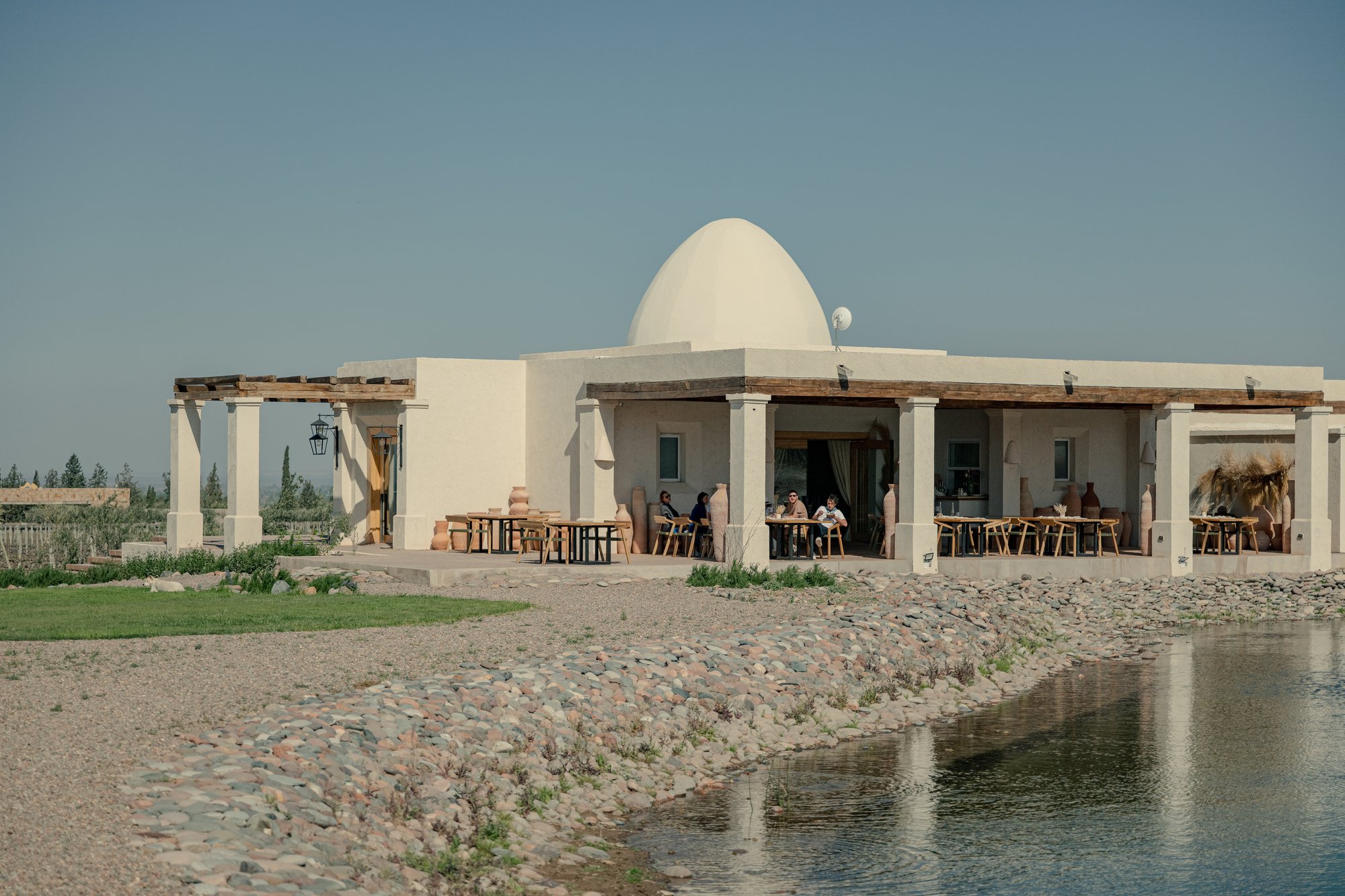
Intimate and personalized with friendly guides, lovely outdoor tasting area, and enthusiastic hospitality.
Tags
Vibe
Best For
Experience
View
At the Vineyard
- Appellation
- Luján de Cuyo
- Varietals
- Malbec, Pinot Noir, Cabernet Franc, Chardonnay
- Tour Duration
- 60-90 minutes
- Tour Languages
- Spanish, English
- Visits
- By reservation
- Production
- Small producer
- Wine Styles
- Still Red, Still White
- Shipping
- Available
- Wine Club
- Not available
Know before you go
Know Before You Go
- Getting there
- 7725, Cochabamba, Luján de Cuyo, Mendoza
Planning details
Location
Also consider
Also Consider
- Bodega Melipal, Notable alternative
- Susana Balbo (Dominio del Plata), Notable alternative
- Bodega Norton, Notable alternative
- Terrazas de los Andes, Notable alternative
- Viña Cobos, Notable alternative
Winery context
How it compares in Agrelo and nearby Mendoza wine country
Bodega Bressia is the more deliberate choice: better for travelers who want one serious winery stop in Agrelo than for groups trying to fit in several easy bookings. Bodega Melipal is the cleaner cross-shop if staying local in Agrelo matters, especially for visitors who want a simpler backup nearby.
Susana Balbo (Dominio del Plata) and Bodega Norton make more sense for travelers who prefer larger-name Mendoza planning with a broader hospitality expectation. Choose Bodega Bressia when the priority is a quieter, more focused wine-country occasion; choose those peers when logistics and recognizability matter more.
Terrazas de los Andes and Viña Cobos are stronger cross-shops for visitors chasing a polished premium tasting day. If availability becomes the issue, start with Bodega Melipal for proximity, then compare Terrazas de los Andes or Viña Cobos for a higher-structure alternative.
Explore Agrelo
Around this place
Discover more on Pearl
Unlock the full Bodega Bressia guide in Pearl, including awards, comparisons, FAQs, planning details, and nearby places.
Compare Bodega Bressia
| Venue | Location | Awards |
|---|---|---|
| Bodega Bressia | Agrelo | No published awards |
| Bodega Melipal | Agrelo | No published awards |
| Susana Balbo (Dominio del Plata) | Luján de Cuyo | No published awards |
| Bodega Norton | Luján de Cuyo | Michelin Guide Buenos Aires & Mendoza 20262026 Falstaff Winery Guide2025 Michelin Plate |
| Terrazas de los Andes | Mendoza | 2026 Falstaff Winery Guide |
| Viña Cobos | Luján de Cuyo | 2026 Falstaff Winery Guide2025 World's 50 Best Vineyards · #49 |


.png?width=1200&quality=80)

How Bodega Bressia Agrelo compares with similar nearby venues.
FAQ
Frequently Asked Questions
Can Bodega Bressia handle large groups?
For group capacity at Bodega Bressia, if you are planning for a larger party in Agrelo, confirm arrangements directly with the venue before making transport or itinerary decisions.
Does Bodega Bressia have a flagship item?
When is the best time to visit Bodega Bressia?
For specific hours or seasonal guidance at Bodega Bressia, the safest approach is to plan ahead, confirm current access directly, and dress smart casual for the visit.
Does Bodega Bressia have membership details?
If recurring access or member benefits are important, ask Bodega Bressia directly and compare the terms with other venues such as Susana Balbo (Dominio del Plata) and Terrazas de los Andes.
Does Bodega Bressia serve food?
Do not assume a meal is available at Bodega Bressia unless the venue confirms it directly; if food is important to the day, confirm that point before finalizing plans.