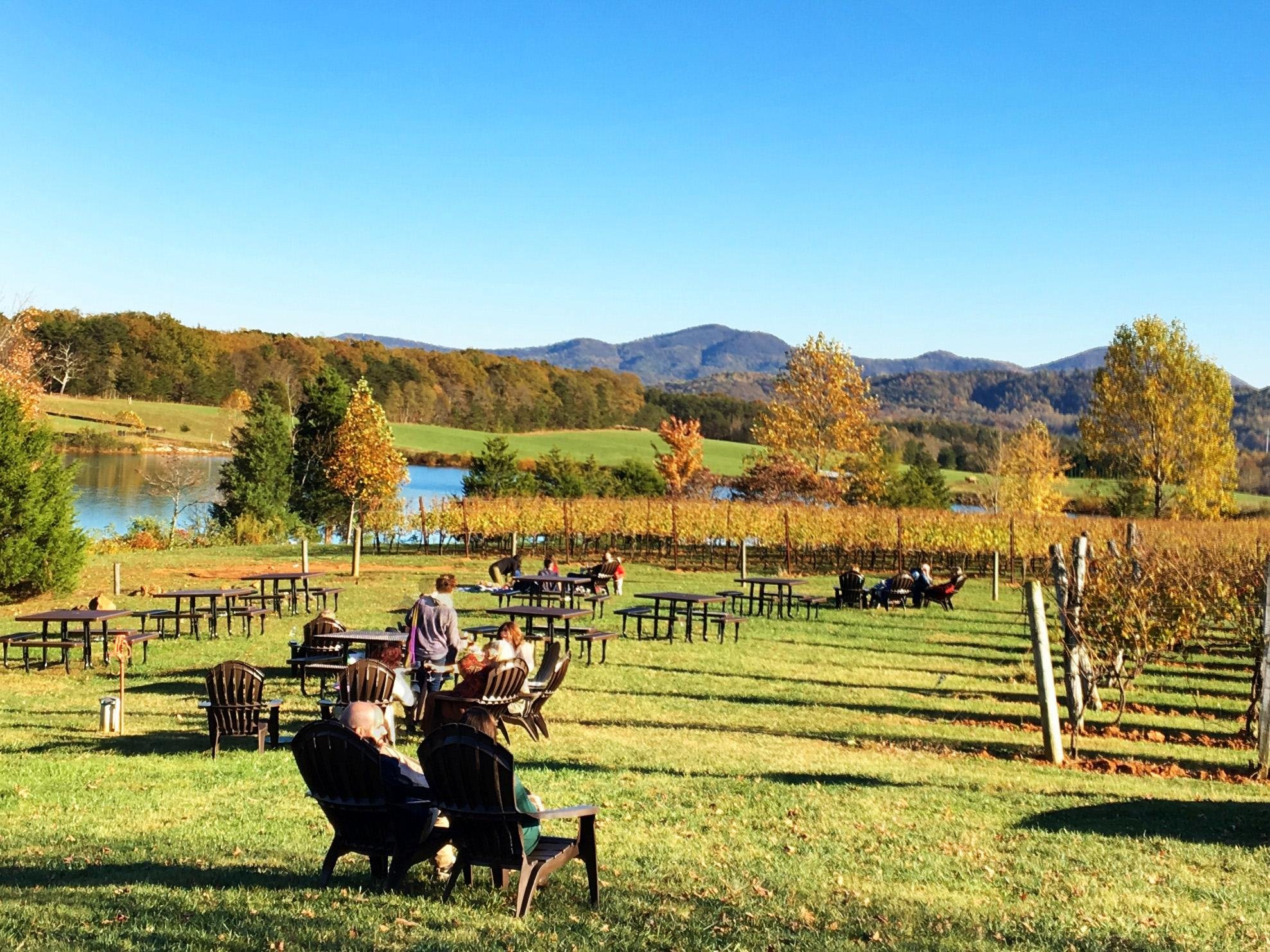
Afton Mountain Vineyards
Afton
Winery in Afton, United States
 Book with Pearl
The Read
Blue Ridge Elevation Viticulture
Price
$10–20tasting
Why go
Afton Mountain Vineyards is worth prioritizing for a wine-first Afton itinerary, especially if external recognition matters more than easy scheduling. The reservation profile is difficult, so treat it as the anchor stop rather than a flexible add-on. Cross-shop Veritas, Flying Fox, and Cardinal Point if you need a simpler local backup.
About Afton Mountain Vineyards
Afton Mountain Vineyards is in Afton, has a casual dress code, and carries Pearl 2 Star Prestige (2025). For more specific planning details, check directly with the venue before you go. The strongest reason to prioritize it is that recognition, rather than an assumed menu format, price point, seating setup, or service style.
The value case here rests on confidence, not bargain hunting. Prices, hours, specific offerings, reservation requirements, and group policies can change and should be checked directly. The 2025 Pearl 2 Star Prestige recognition gives Afton Mountain Vineyards a clear quality signal for travelers comparing venue options.
Book this when recognition matters more than extra detail
Afton Mountain Vineyards is a stronger pick when you want a casual Afton venue with a notable distinction. It can be compared naturally with Veritas Vineyard & Winery, Flying Fox Vineyard, and Cardinal Point Winery when you are deciding how to shape a visit, with the final choice based on current details you check before going.
The main planning caution is simple: do not assume specifics. Check directly for current hours, pricing, availability, group needs, and any visit requirements. That matters for value because the venue's recognition and casual dress code are clear, while the finer operational details can determine whether it fits a particular trip.
Who should choose it over other comparison venues
Choose Afton Mountain Vineyards if the Pearl 2 Star Prestige (2025) recognition is the deciding signal and a casual dress code fits the outing. If your group needs large-party handling, a published price structure, specific hours, or detailed service information before committing, compare current details with Veritas Vineyard & Winery, Flying Fox Vineyard, Cardinal Point Winery, Pollak Vineyards, and Chiswell Farm & Winery.
The verdict: choose Afton Mountain Vineyards when you want an Afton venue with notable recognition and you are comfortable checking practical details before you go. Do not rely on assumptions about format, pricing, hours, or special services.
Planning details
- Location
- 234 Vineyard Ln, Afton, VA 22920
- Website
- aftonmountainvineyards.com
- Phone
- +1 540-456-8667
The take
The Take
The Vibe
Afton Mountain Vineyards presents a quietly scenic mountain character rooted in place. The drive over Rockfish Valley and the descent into a cooler microclimate set a contemplative tone: this is a vineyard where geology and altitude shape the experience as much as any tasting menu. The prose emphasizes mineral-driven fruit, diurnal swings and old bedrock, so the overall impression is one of measured, site-led winemaking in a serene rural setting. Visitors encounter a thoughtful, terroir-forward winery rather than a flashy tasting-room spectacle.
Best For
This estate is especially good for visitors who want to understand what mountain viticulture contributes to wine. The copy foregrounds terroir and microclimate, making the vineyard well suited to wine-education outings and solo exploration where listening and learning matter. The scenic drive and quiet foothill setting also make it a fitting stop for a low-key romantic getaway that centers on landscape and wine rather than nightlife. The recent Pearl 2 Star Prestige recognition reinforces that it is a meaningful stop for anyone curious about quality Virginia wines and site expression.
Tasting Tips
When you visit, orient the conversation around site and vintage: the description emphasizes elevation, soil and diurnal swings as defining influences, so asking the winemaker or host about how those factors show up in specific releases is productive. The text calls out a Pearl 2 Star Prestige award in 2025—ask which current bottlings carry that lineage and what to look for in recent vintages. Keep the focus on tasting for minerality and acidity, and request context about vineyard blocks and harvest timing to deepen your understanding of the wines you sample.
Venue details
Ambiance
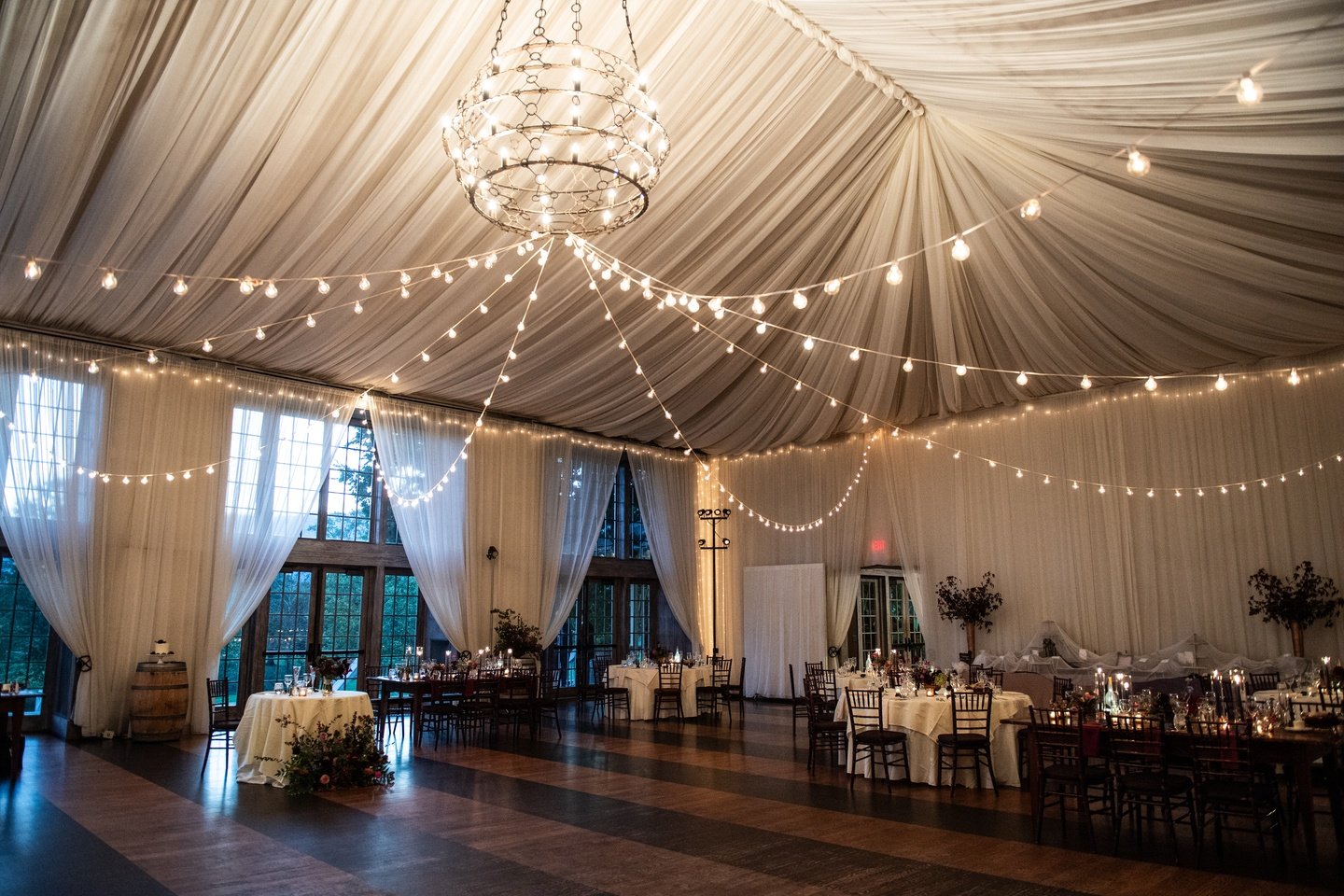
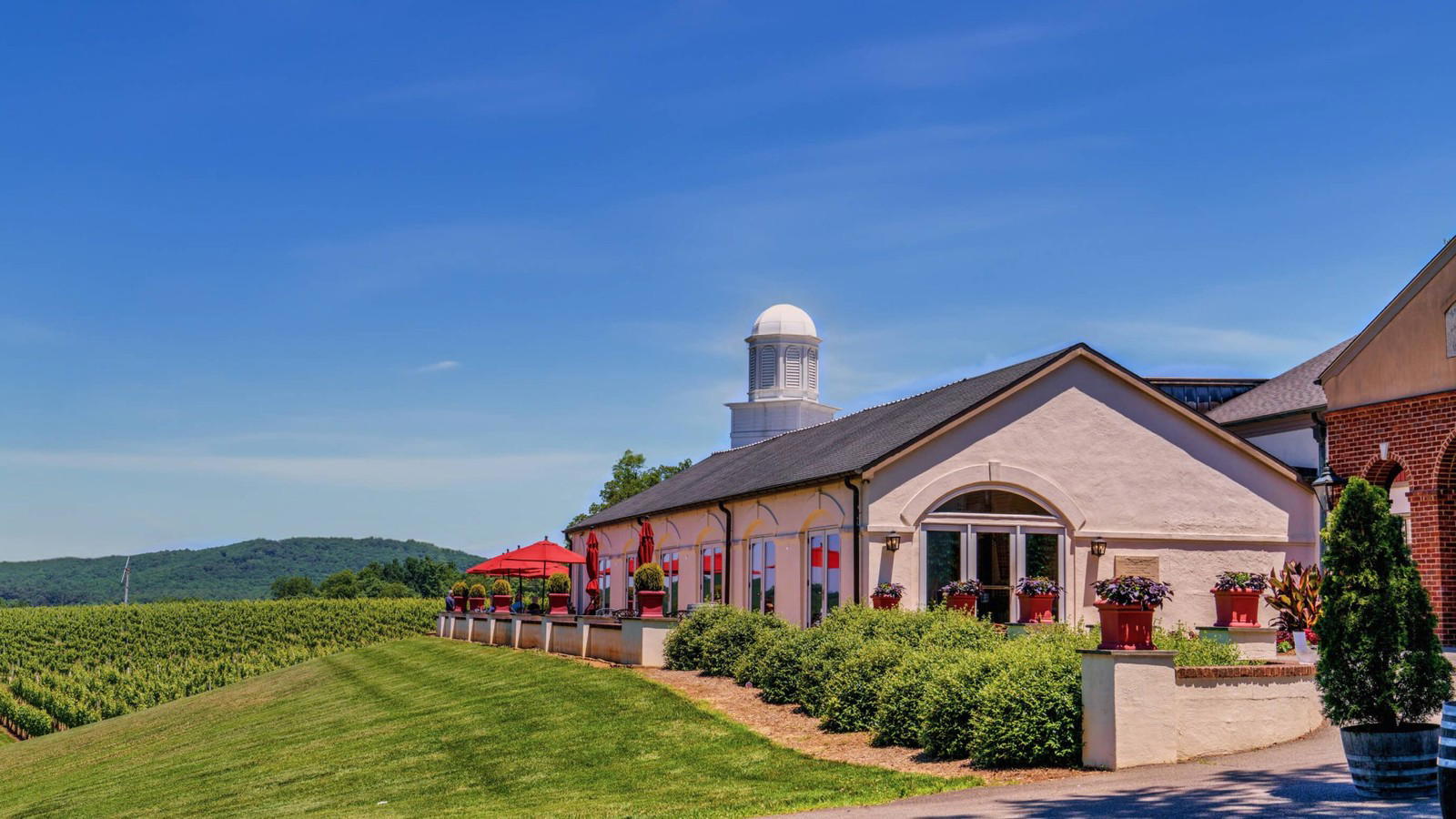
Cozy glass-enclosed tasting room with panoramic mountain and vineyard views, complemented by a relaxed outdoor patio and pavilion atmosphere.
Tags
Vibe
Best For
Experience
View
At the Vineyard
- Appellation
- Monticello AVA
- Varietals
- Cabernet Sauvignon, Merlot, Petit Verdot, Chardonnay, Cabernet Franc
- Visits
- Walk-ins welcome
- Wine Styles
- Still Red, Still White, Still Rose, Sparkling
- Wine Club
- Not available
Know before you go
Know Before You Go
- Getting there
- 234 Vineyard Ln, Afton, VA 22920
Planning details
Location
Also consider
Where to Go If You Can't Get In
Try Veritas Vineyard & Winery first if you want another strong Afton-area anchor. For a simpler backup in the same local set, Flying Fox Vineyard or Cardinal Point Winery are the cleaner swaps.
Winery context
How It Compares
Afton Mountain Vineyards is the stronger choice when the decision is quality confidence over convenience. Veritas Vineyard & Winery reads more like the obvious destination pick in Afton, while Afton Mountain is better for visitors who want a focused wine stop and are willing to plan around a tougher booking profile.
For easier cross-shopping, Flying Fox Vineyard and Cardinal Point Winery make sense as nearby alternatives when flexibility matters. Choose them if the group is assembling a multi-stop day and needs less scheduling pressure.
Pollak Vineyards and Chiswell Farm & Winery are better for readers expanding beyond the immediate Afton loop. They are useful backups if the priority is a broader Virginia winery day rather than locking in one high-confidence Afton booking.
Explore Afton
Around this place
Discover more on Pearl
Unlock the full Afton Mountain Vineyards guide in Pearl, including awards, comparisons, FAQs, planning details, and nearby places.
Compare Afton Mountain Vineyards
| Venue | Location | Awards |
|---|---|---|
| Afton Mountain Vineyards | Afton | No published awards |
| Veritas Vineyard & Winery | Afton | No published awards |
| Flying Fox Vineyard | Afton | No published awards |
| Cardinal Point Winery | Afton | No published awards |
| Pollak Vineyards | Greenwood | No published awards |
| Chiswell Farm & Winery | Charlottesville | No published awards |
How Afton Mountain Vineyards compares with similar nearby venues.
FAQ
Frequently Asked Questions
What other venues can I compare with Afton Mountain Vineyards?
For comparison, consider Veritas Vineyard & Winery, Cardinal Point Winery, Flying Fox Vineyard, Pollak Vineyards, and Chiswell Farm & Winery. Check current details for each venue before deciding how to structure the day.
What practical details should I know about Afton Mountain Vineyards?
Afton Mountain Vineyards is in Afton, has a casual dress code, and carries Pearl 2 Star Prestige (2025). For other planning details, rely on current information from the venue.
How long should I plan for a visit to Afton Mountain Vineyards?
Plan your visit length after checking current hours, availability, and any visit requirements directly with the venue.