Murdoch Hill
Oakbank, Adelaide Hills
Winery in Adelaide Hills, Australia
 Book with Pearl
The Read
Cool-Climate Prestige Viticulture
Price
$10–20tasting
Why go
Murdoch Hill is worth prioritising if the Adelaide Hills plan is wine-led and small-group rather than built around dining or a broad estate day. It suits couples, celebrations, and serious tasting itineraries; larger groups should plan ahead and cross-shop Bird in Hand, Nepenthe, or Shaw + Smith depending on the style of visit they want.
About Murdoch Hill
Murdoch Hill is a venue in Adelaide Hills with a casual dress code and Pearl 2 Star Prestige recognition for 2025. For specific claims about its service format, menus, drinks, booking requirements, address, pricing, hours, or group suitability, plan directly with the venue before building a detailed itinerary around it.
Murdoch Hill is located in Adelaide Hills; a specific street address or smaller locality should be confirmed directly with the venue.
Book this for an Adelaide Hills venue, not an assumed format
The safest way to approach Murdoch Hill is to treat it as an Adelaide Hills stop with casual dress and Pearl 2 Star Prestige recognition in 2025. Do not assume a particular dining format, tasting structure, drinks program, or large-group setup without checking directly with the venue.
If you are comparing other options, Adelaide Hills Distillery (78°), Bird in Hand, Nepenthe, Shaw + Smith, and Tin Shed Distilling Co (Iniquity) are useful names to consider alongside Murdoch Hill. For broader planning, other venues can be considered generically without assuming they match Murdoch Hill's format.
How to compare it with other stops
Choose Murdoch Hill if you want an Adelaide Hills venue with casual dress and a 2025 Pearl 2 Star Prestige listing. If your plans depend on specific hours, food, drinks, accessibility, dietary support, private events, or group capacity, confirm those details directly before committing.
If the broader trip needs backup options, build a compact Adelaide Hills plan rather than relying on assumptions. For wider planning, use the Adelaide Hills wineries guide, then add meals, stays, and evening options from the Adelaide Hills restaurants guide, hotels guide, bars guide, and experiences guide.
The verdict: keep Murdoch Hill on the shortlist if you are looking for a casual Adelaide Hills venue with Pearl 2 Star Prestige recognition in 2025. Skip any assumptions about address, menu, drinks, reservations, pricing, or group suitability unless you have checked them directly with the venue.
Planning details
- Location
- 260 Mappinga Rd, Oakbank SA 5243
- Website
- murdochhill.com.au
- Phone
- +61 8 7200 5018
The take
The Take
The Vibe
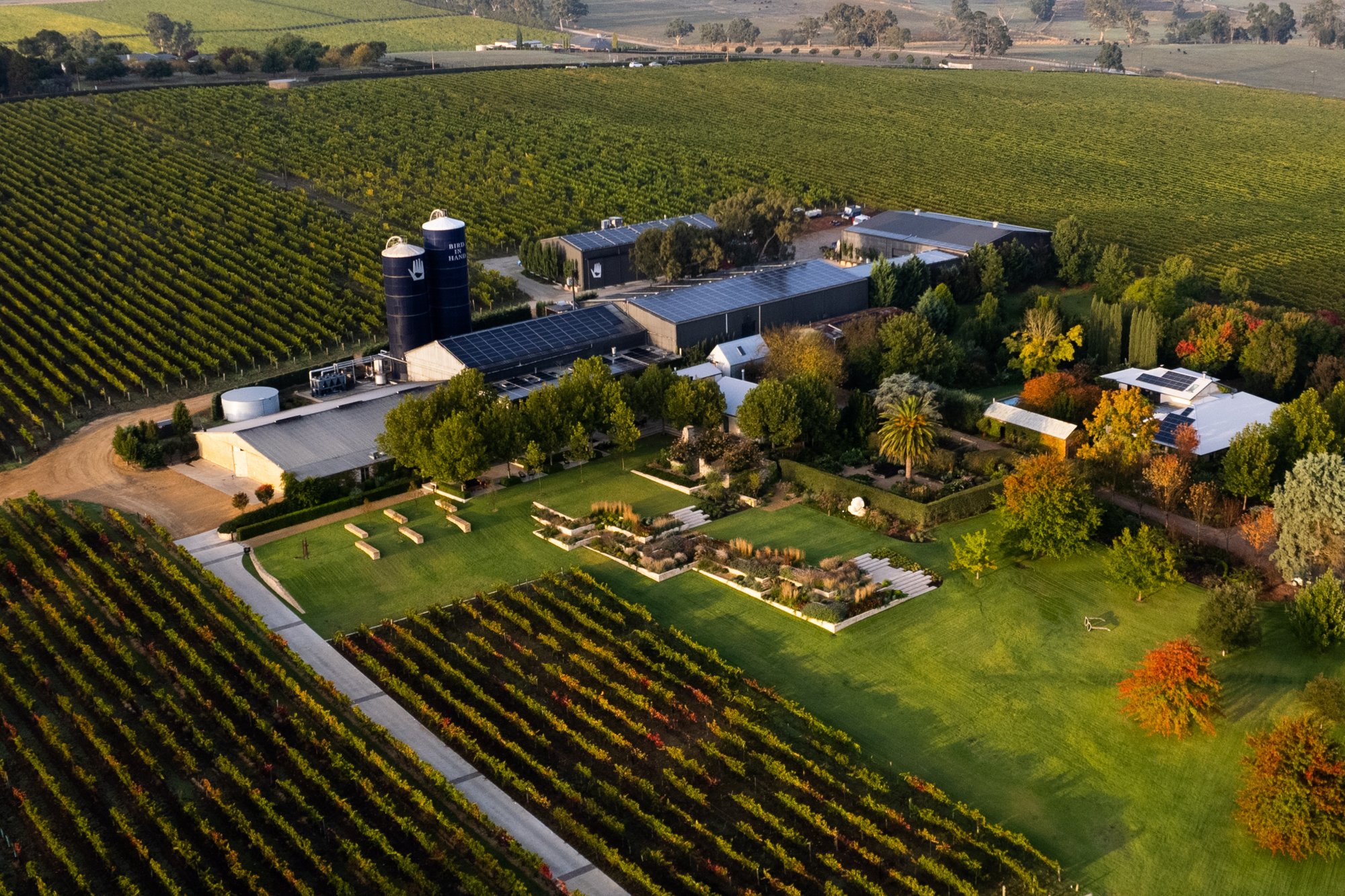
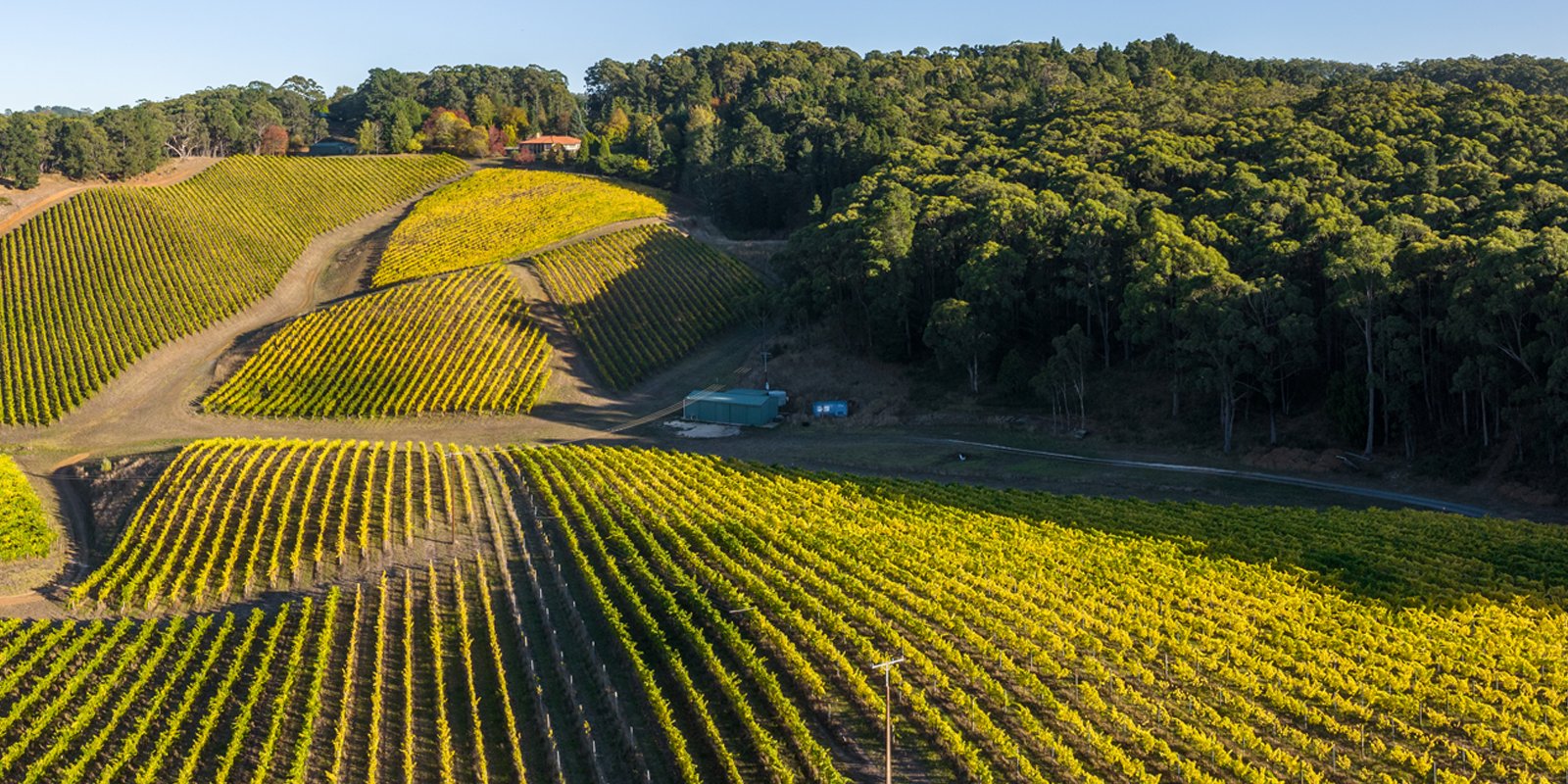
Murdoch Hill reads as a quietly assured Adelaide Hills estate that prizes nuance over extraction. The writing foregrounds vineyard practice and seasonal variation, so the place feels measured and refined rather than showy. Expect a restrained, terroir-focused personality in both land and wine: cool nights, well-drained slopes and attentive canopy work shape wines that are about structure, tension and clarity. The overall impression is sophisticated and classic, with a calm, contemplative atmosphere that suits visitors who come to taste the place as much as the bottles.
Best For
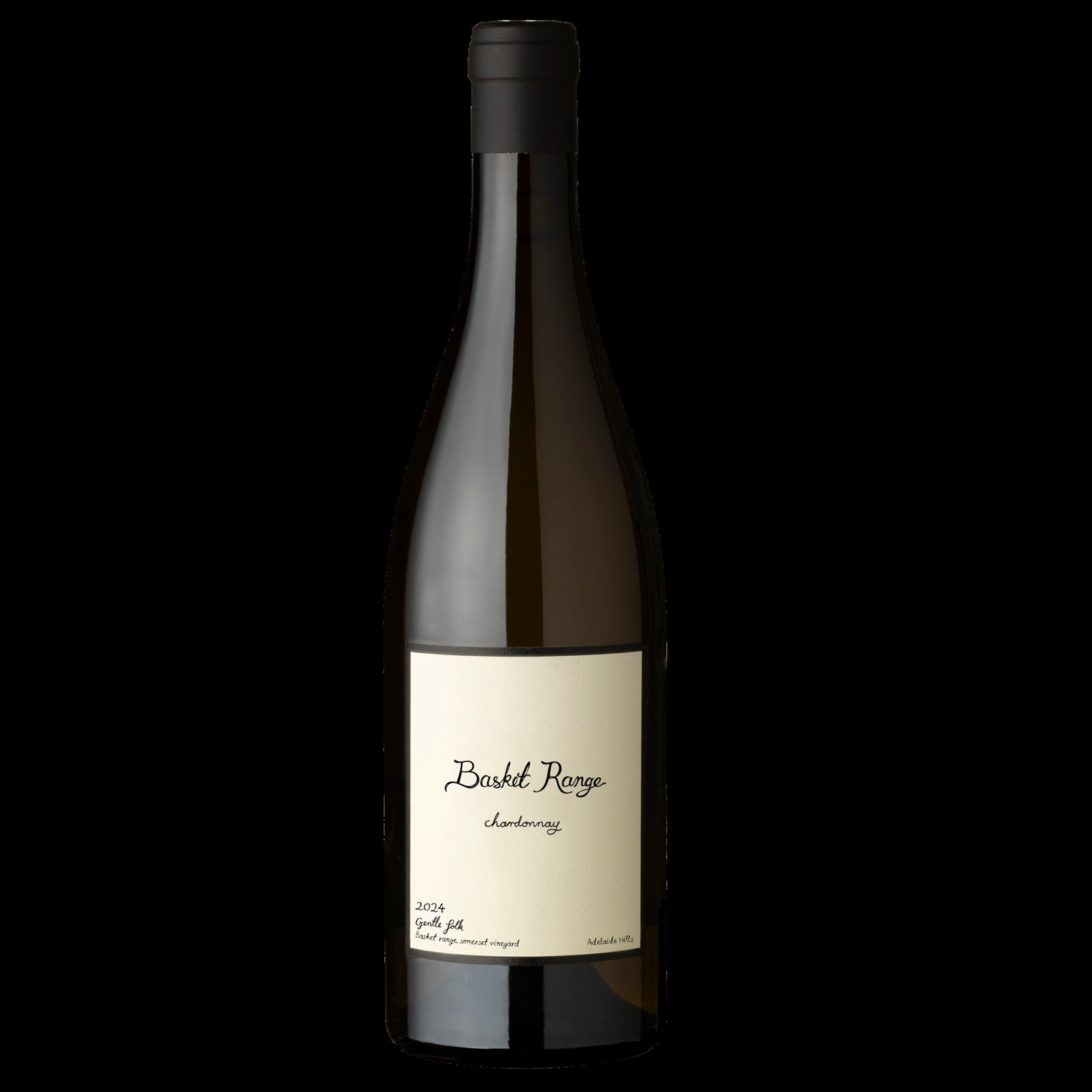
Murdoch Hill is best suited to visitors who are curious about how site and minimal intervention shape wine—serious taster, students of terroir and solo explorers alike. The estate’s positioning in the Adelaide Hills and its recent Pearl 2 Star Prestige recognition make it a smart stop for those prioritizing education and tasting nuance rather than spectacle. It’s a good fit for quiet, focused visits where the goal is to compare varietal expression—Sauvignon Blanc, Pinot Noir and Chardonnay—through the lens of restraint and vineyard-driven technique.
Tasting Tips
When tasting at Murdoch Hill, look for bottles that emphasize texture and acidity rather than overt fruit. The description specifically highlights a textured Sauvignon Blanc, a structurally fine Pinot Noir and a Chardonnay that leans on acidity—seek those as exemplars of the estate’s approach. Given the copy’s focus on vineyard decisions and minimal intervention, ask about vineyard-sites, canopy and harvest choices to understand how each vintage’s expression is achieved. The estate’s Pearl 2 Star Prestige recognition signals that sportingly restrained, terroir-forward examples are likely to be standouts.
Venue details
Ambiance
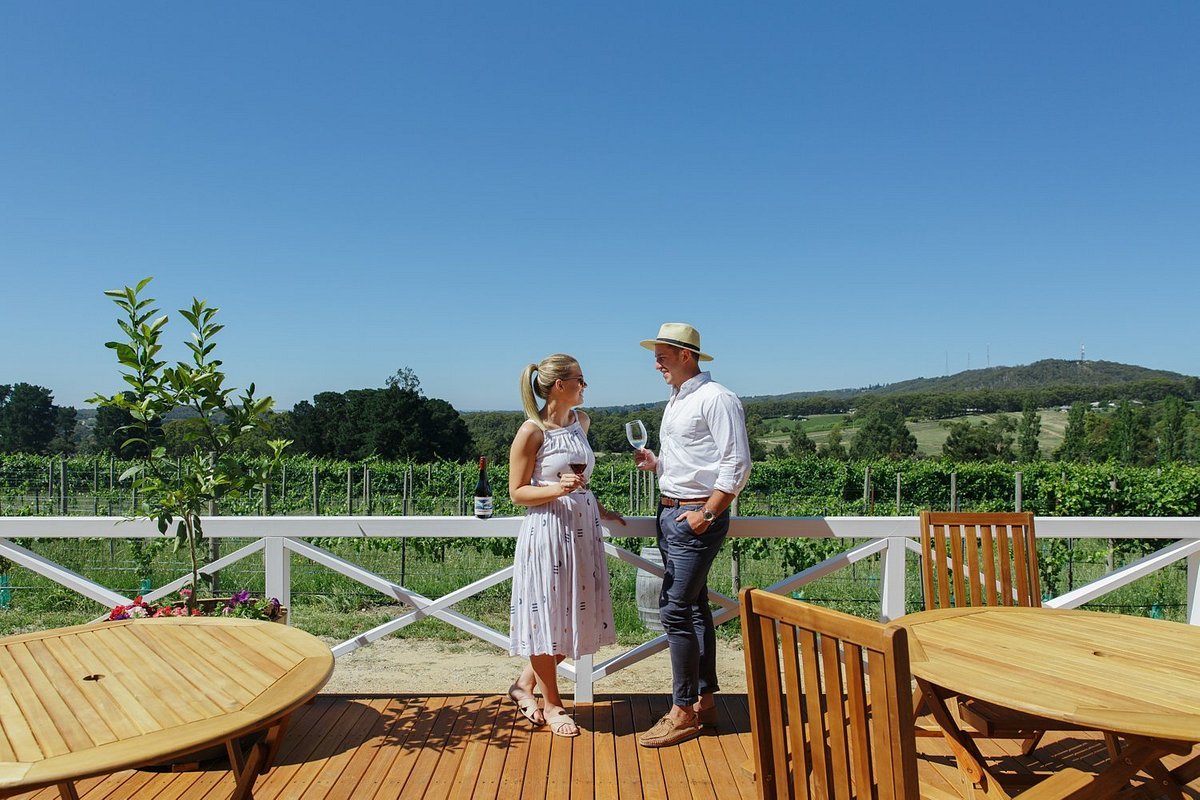
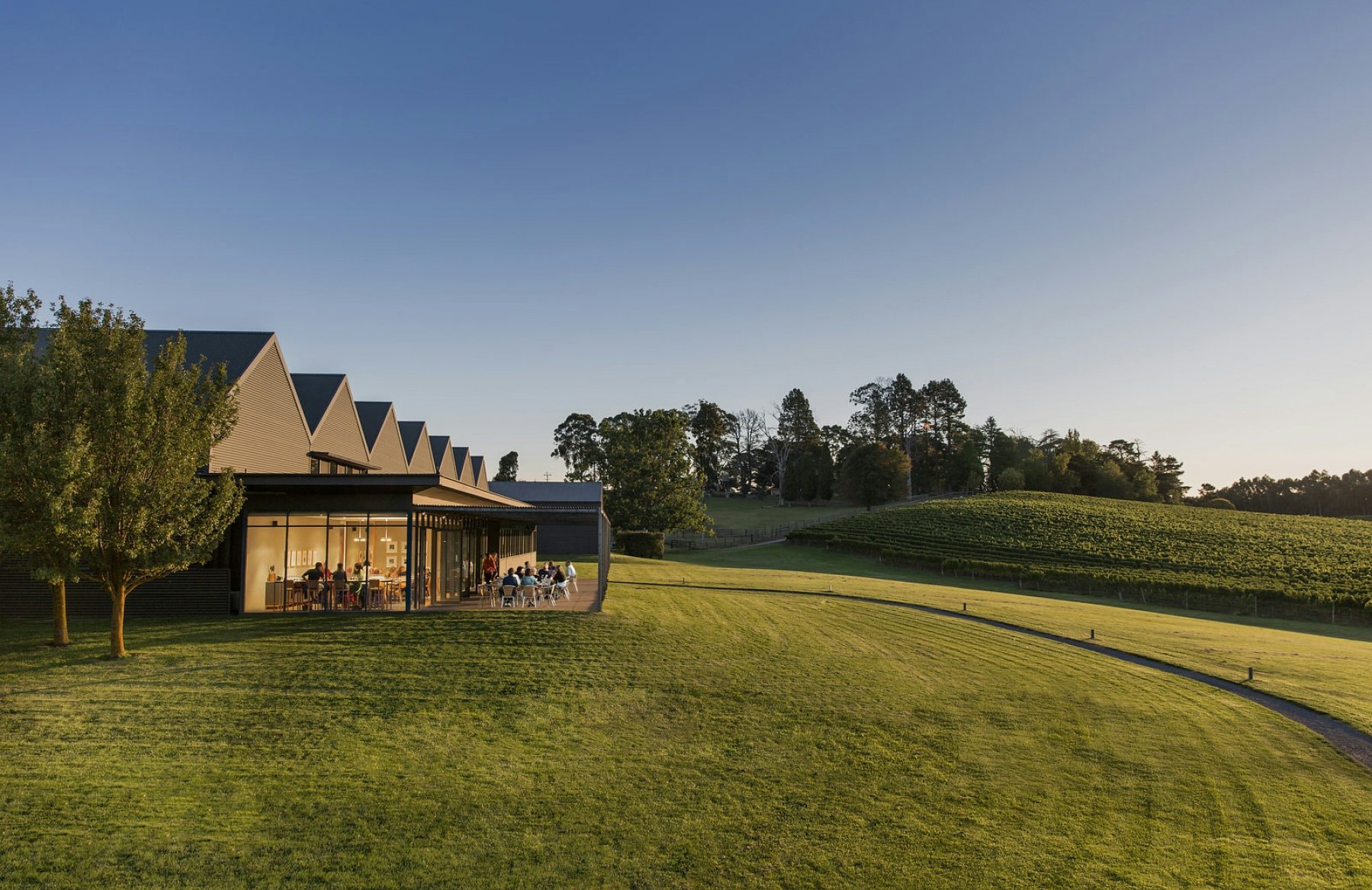
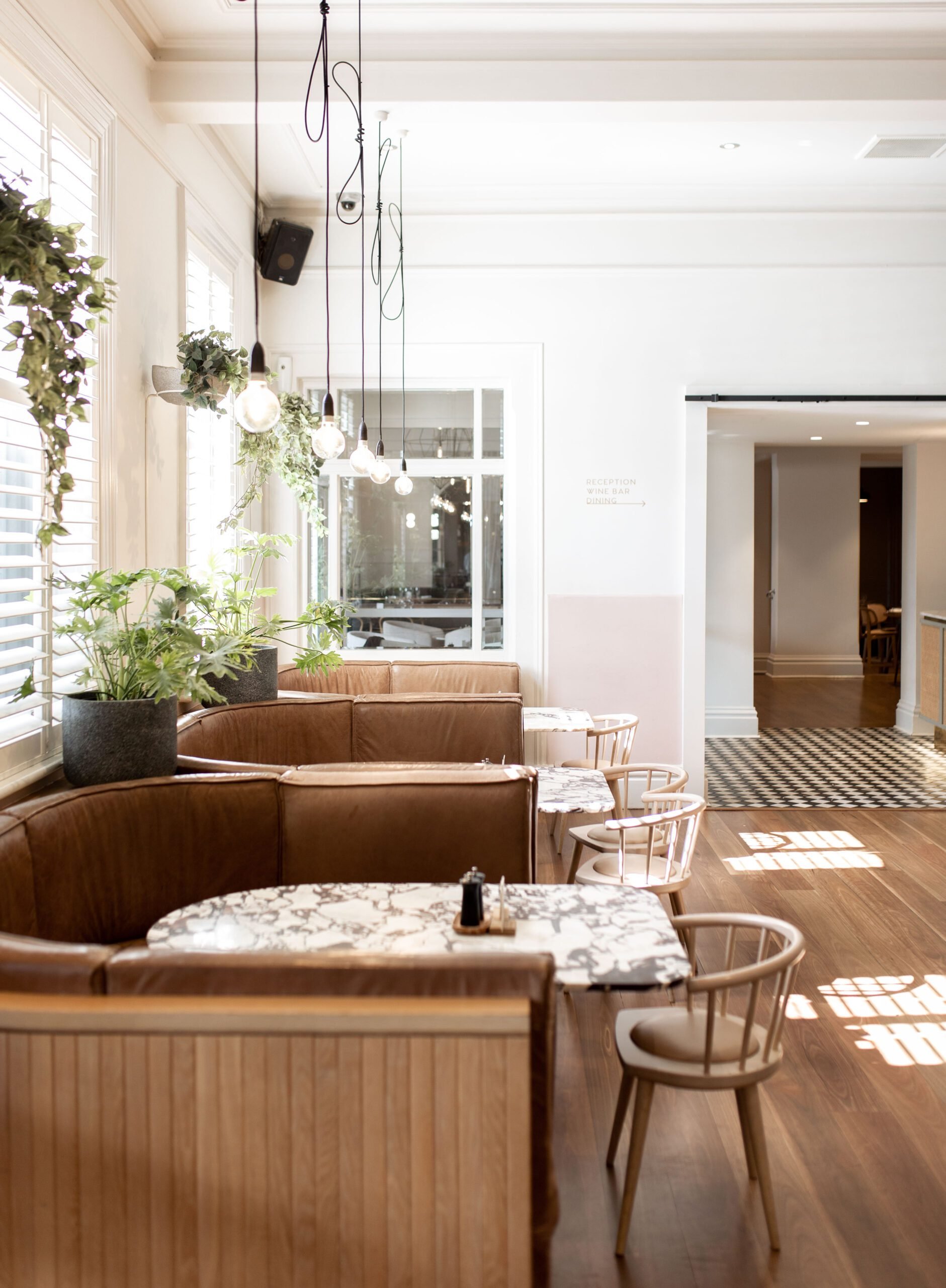
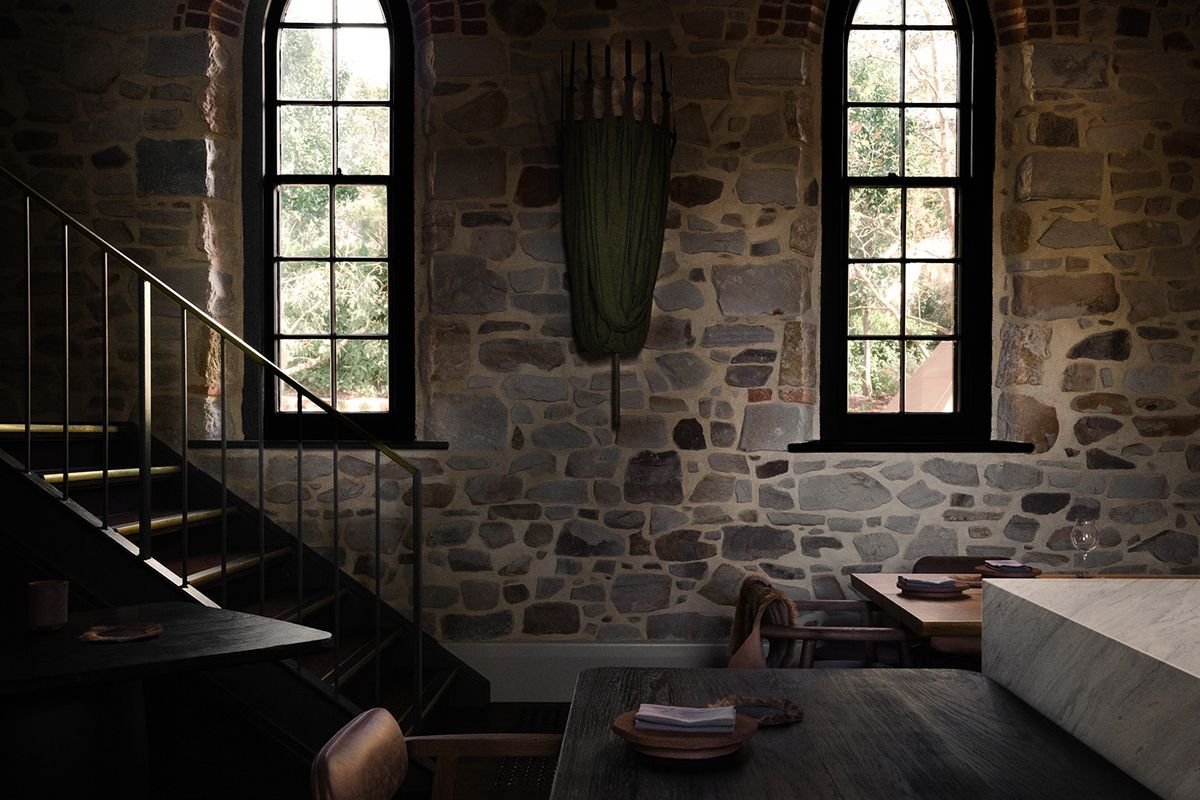
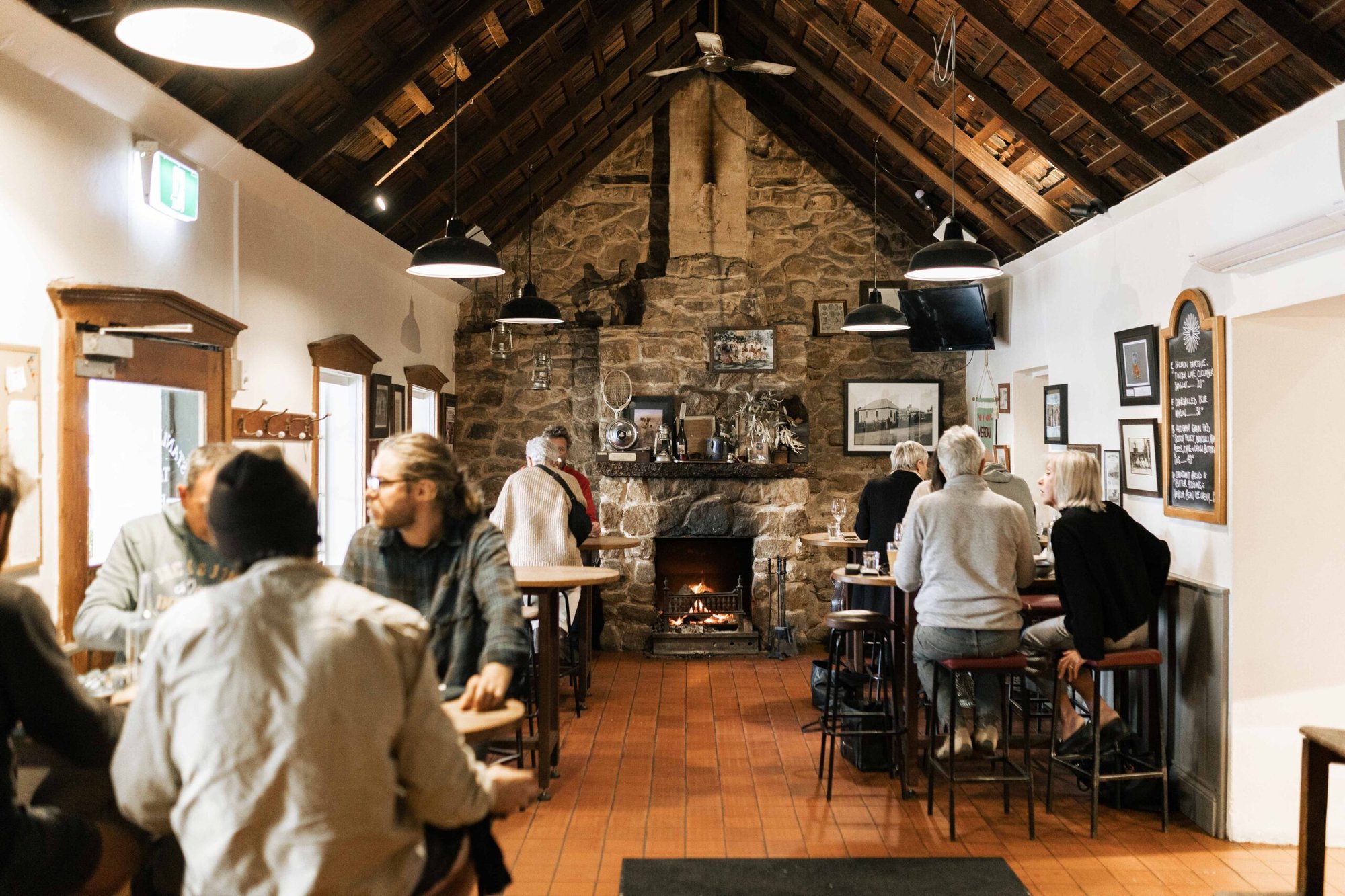
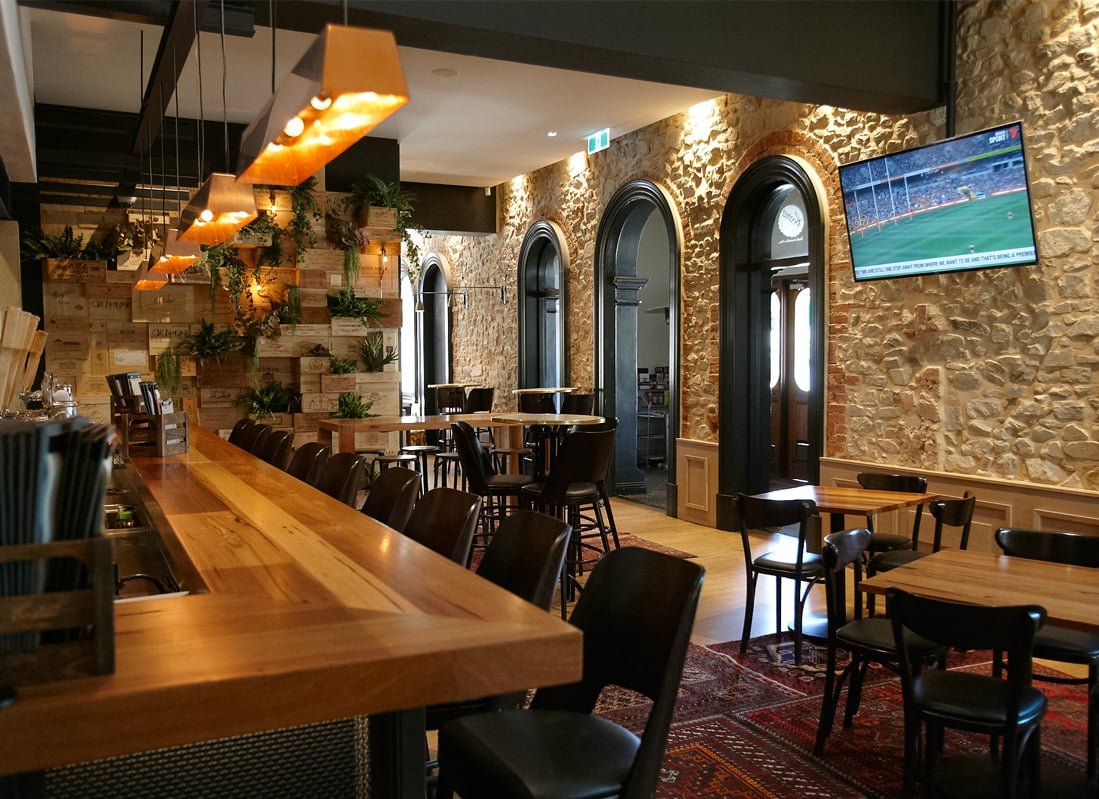
Cozy modern tasting room with sun-filled deck offering stunning views over vineyards and hills, praised for relaxed hospitality.
Tags
Vibe
Best For
Experience
Sourcing
View
At the Vineyard
- Appellation
- Adelaide Hills
- Varietals
- Sauvignon Blanc, Chardonnay, Pinot Noir, Pinot Meunier, Cabernet Sauvignon
- Tour Duration
- 1-2 hours
- Visits
- By reservation
- Farming
- Organic
- Production
- Small producer
- Wine Styles
- Still White, Still Red
- Food Pairing
- Offered
- Wine Club
- Not available
Know before you go
Know Before You Go
- Getting there
- 260 Mappinga Rd, Oakbank SA 5243
Planning details
Location
Also consider
If you cannot get in
Try Nepenthe for a conventional Adelaide Hills cellar-door plan, or Bird in Hand if the group wants a bigger estate atmosphere. For a non-wine alternative, Adelaide Hills Distillery (78°) is the better pivot.
Winery context
How it compares in the Adelaide Hills
Choose Murdoch Hill when the brief is a focused wine visit near Oakbank. Bird in Hand is the better fit for guests who want a larger estate feel and a more social atmosphere, while Shaw + Smith is the more polished cross-shop for a high-recognition Adelaide Hills tasting.
Nepenthe is the safer alternative for a classic cellar-door itinerary, especially if the group wants a familiar Hills name without overcomplicating the plan. Murdoch Hill makes more sense for a smaller, wine-first visit where the room does not need to carry a long lunch or a large group.
If the group is split between wine and spirits, do not force the booking. Adelaide Hills Distillery (78°) and Tin Shed Distilling Co (Iniquity) are cleaner choices for a spirits-led stop. Murdoch Hill is the stronger call when wine is the reason for the detour.
Explore Adelaide Hills
Around this place
Discover more on Pearl
Unlock the full Murdoch Hill guide in Pearl, including awards, comparisons, FAQs, planning details, and nearby places.
Compare Murdoch Hill
| Venue | Location | Awards |
|---|---|---|
| Murdoch Hill | Adelaide Hills | No published awards |
| Bird in Hand | Adelaide Hills | 2026 Falstaff Winery Guide |
| Adelaide Hills Distillery (78°) | Adelaide Hills | No published awards |
| Nepenthe | Adelaide Hills | No published awards |
| Shaw + Smith | Adelaide Hills | 2026 Falstaff Winery Guide |
| Tin Shed Distilling Co (Iniquity) | Adelaide | No published awards |

How Murdoch Hill Adelaide Hills compares with similar nearby venues.
FAQ
Frequently Asked Questions
How long should I plan for a visit to Murdoch Hill?
What other venues can I compare with Murdoch Hill?
Bird in Hand, Nepenthe, Shaw + Smith, Adelaide Hills Distillery (78°), and Tin Shed Distilling Co (Iniquity) are useful comparisons when planning around Murdoch Hill. Check each venue directly for current formats, hours, and availability.
Does Murdoch Hill serve food?
Information on food service is not available here. Contact Murdoch Hill directly before relying on it for a meal or dietary needs.
Are there membership details to know before visiting Murdoch Hill?
Details on a membership program are not available here. The recognition is Pearl 2 Star Prestige (2025), but any membership details should be checked directly with Murdoch Hill.
Is there a signature offering at Murdoch Hill?
Details on a signature offering are not available here. Avoid planning around a specific item unless Murdoch Hill confirms it directly.
Do I need a reservation at Murdoch Hill?
Information on reservation requirements is not available here. Contact Murdoch Hill directly to confirm whether bookings are needed for your preferred date.