
Petale De Sakura
Izumi, Yokohama
Restaurant in Yokohama, Japan
 Book with Pearl
The Read
Price
$50–100per person
Dress
Smart Casual
Why go
Petale De Sakura is worth considering for a calm Yokohama celebration when ease of booking matters and the meal should feel more considered than a quick casual stop. Price is not listed, so budget-focused diners should compare it with lower-priced Yokohama peers; the stronger reason to go is its relaxed special-occasion fit and We're Smart World 2025 1 Radish recognition.
About Petale De Sakura
Petale De Sakura is a Yokohama venue with lunch and dinner hours from Tuesday through Sunday, and Monday is closed. It has We're Smart World 2025 recognition with 1 Radish, and the smart-casual dress code makes it a good choice for a planned meal.
More specific details such as price, seating layout, menu format, and service style should be confirmed directly with the venue if those details matter for your meal.
Choose it for a planned Yokohama meal
The hours make both lunch and dinner possible from Tuesday through Sunday. Lunch is listed from 11:30 AM–3 PM, and dinner is listed from 6–10 PM. Monday is closed.
The dress code is smart casual, which makes it worth approaching as a planned meal rather than an improvised stop. If budget, seating, dietary needs, or a specific menu format are important, confirm those details with the venue before booking.
How to decide between this and other options
If you are still comparing options, consider Petale De Sakura alongside other choices such as China Soba Ya Honten, Silk Road Ryori Budouen, Chinese Kyoka Rou, Tan Ha, and Yukiguni. For a broader scan before committing, Our full Yokohama restaurants guide is the right next step, especially if the group has mixed preferences.
Petale De Sakura is easiest to evaluate on the key facts: Yokohama location, Tuesday-to-Sunday lunch and dinner hours, Monday closure, smart-casual dress code, and We're Smart World 2025 recognition with 1 Radish. For anything beyond that, direct confirmation is the reliable next step.
Use Yokohama's wider scene for the rest of the trip: Our full Yokohama bars guide for after-dinner planning, Our full Yokohama hotels guide if staying overnight, and Our full Yokohama experiences guide if the meal is part of a larger day out.
Planning details
- Location
- 5-2 Yayoidai, Izumi Ward, Yokohama, Kanagawa 245-0008, Japan
- Reservations
- Book on the venue's website
- Website
- petaledesakura.com
- Phone
- +81 45-443-5876
The take
The Take
The Vibe
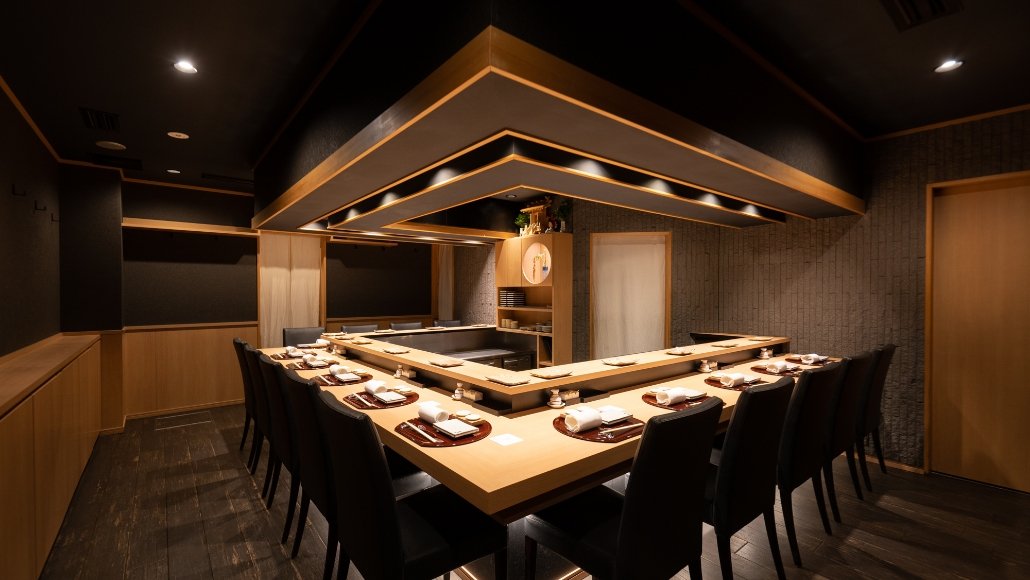
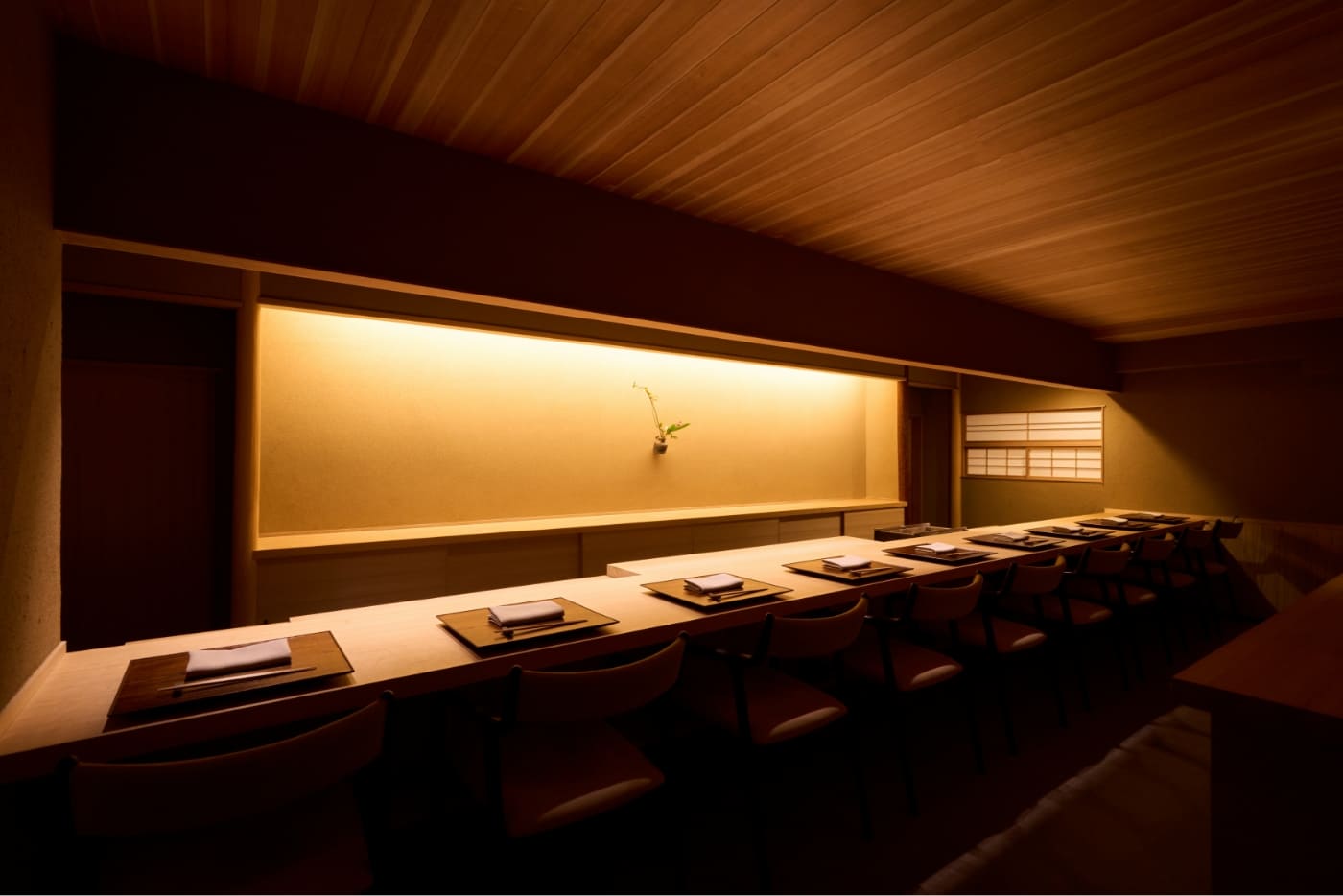
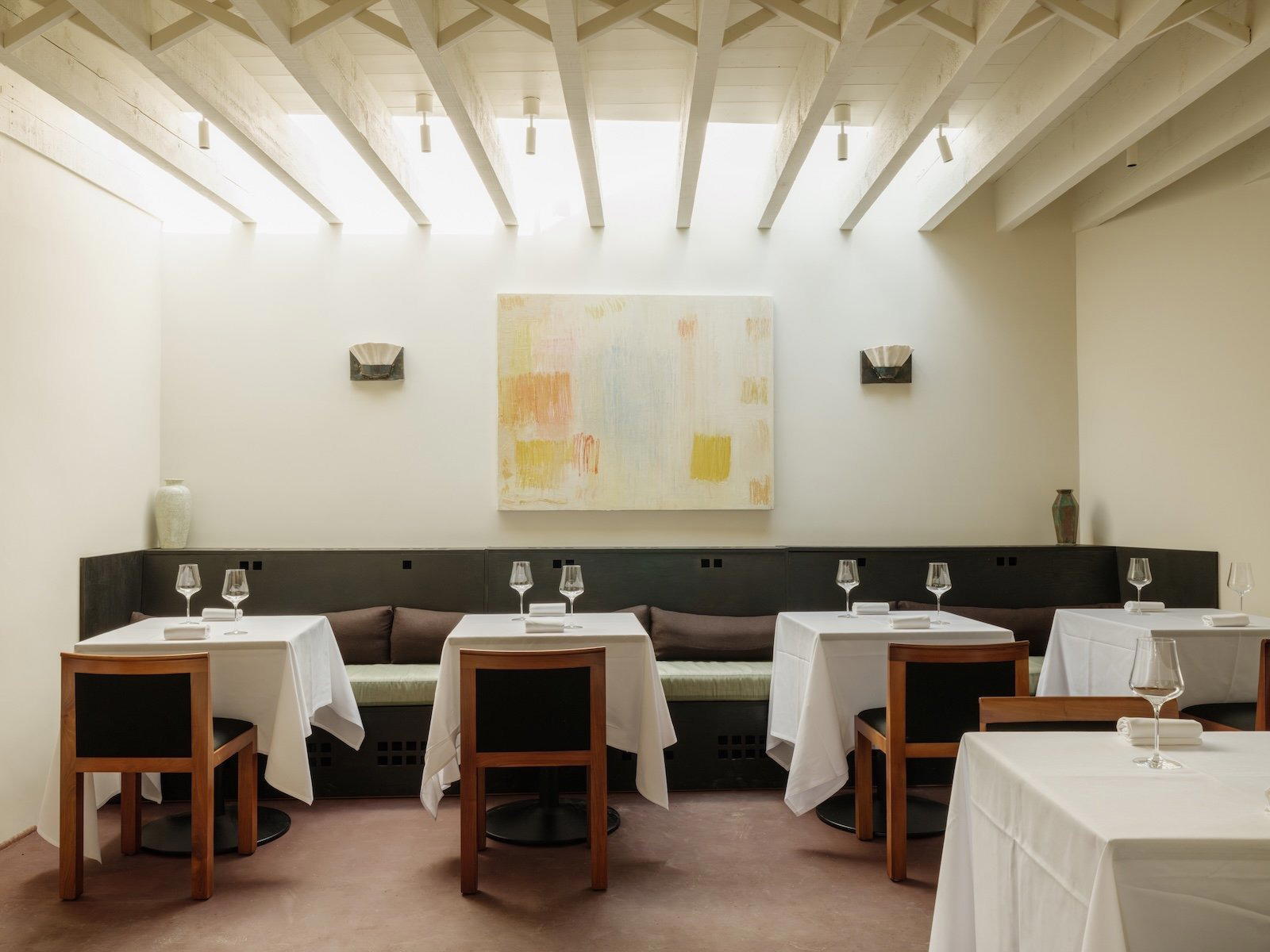
Petale De Sakura sits quietly in Izumi Ward and reads as a refined neighbourhood restaurant rather than a tourist destination. The tone is elegant and understated: cozy, intimate dining rooms and a sophisticated, chef-led approach put technique and provenance front and center. The kitchen’s sourcing ethos—summarized as “vegetables from the field in the moment”—shapes both menu and mood, so the room feels curated and restrained rather than flashy. Diners encounter a low-key, polished atmosphere that rewards attention to seasonality and to the relationships between chef and growers.
Best For
This is a place for deliberate, small-group meals—date nights, business dinners and special occasions all fit easily into the restaurant’s neighborhood rhythm. Because the kitchen prioritizes seasonal produce and composed plates such as the cocotte of vegetables and Select Aged Wagyu, the setting suits diners who value thoughtful technique and ingredient provenance. Families from the area also use it as a reliable local option. The quieter register and chef-driven menu make it less suitable for large boisterous gatherings and better for occasions that favor conversation and attentive service.
Ordering Tips
Let the season determine your meal: the kitchen emphasizes what growers bring each day, so ask staff which vegetables or producers are featured and build your choices around those items. The cocotte of vegetables is a signature reflection of the restaurant’s sourcing philosophy, and the Select Aged Wagyu represents its meat focus—plan to try one of those highlights. Because the menu is responsive to short-cycle agricultural rhythms, expect daily changes; approach ordering as a conversation with the server about today’s arrivals rather than a checklist of fixed dishes.
Venue details
Ambiance
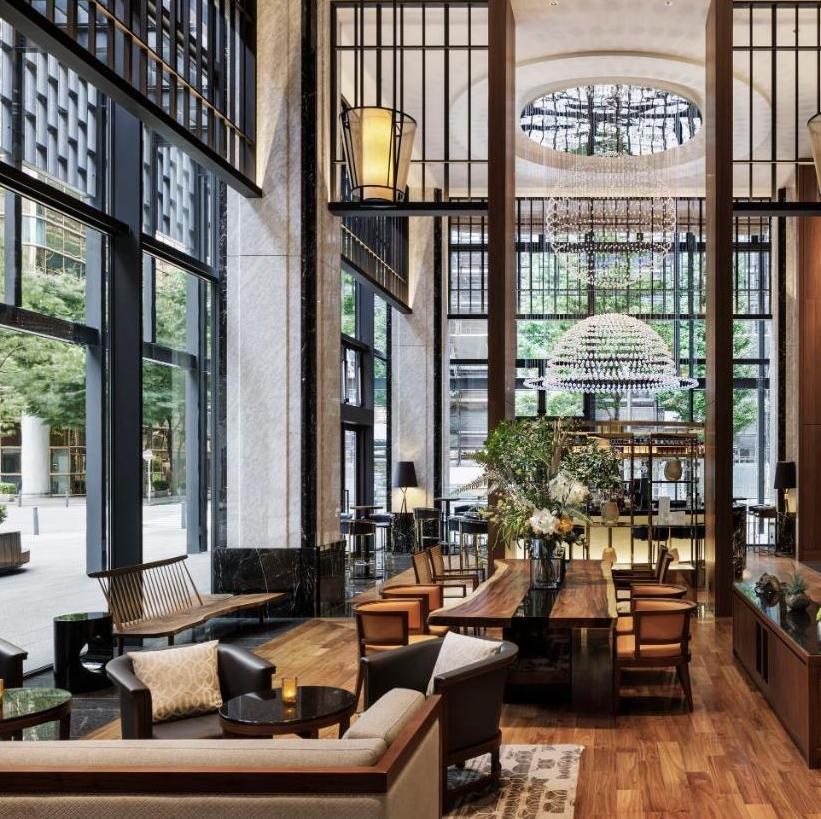
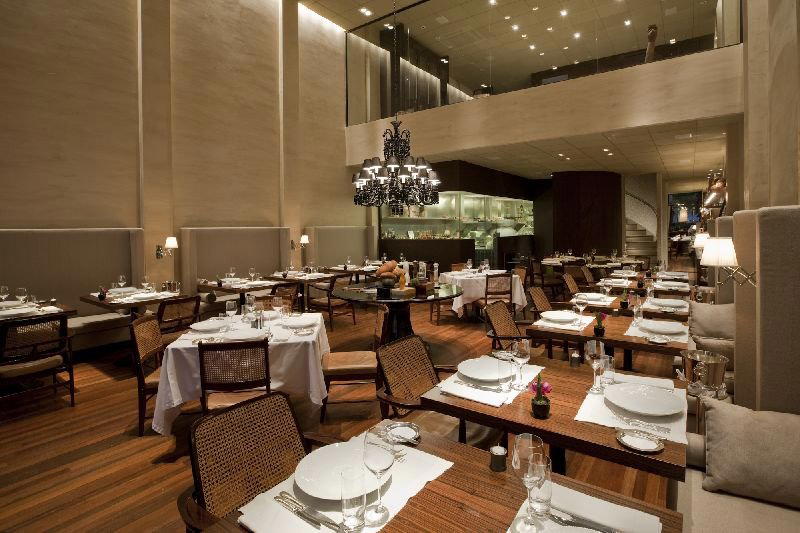
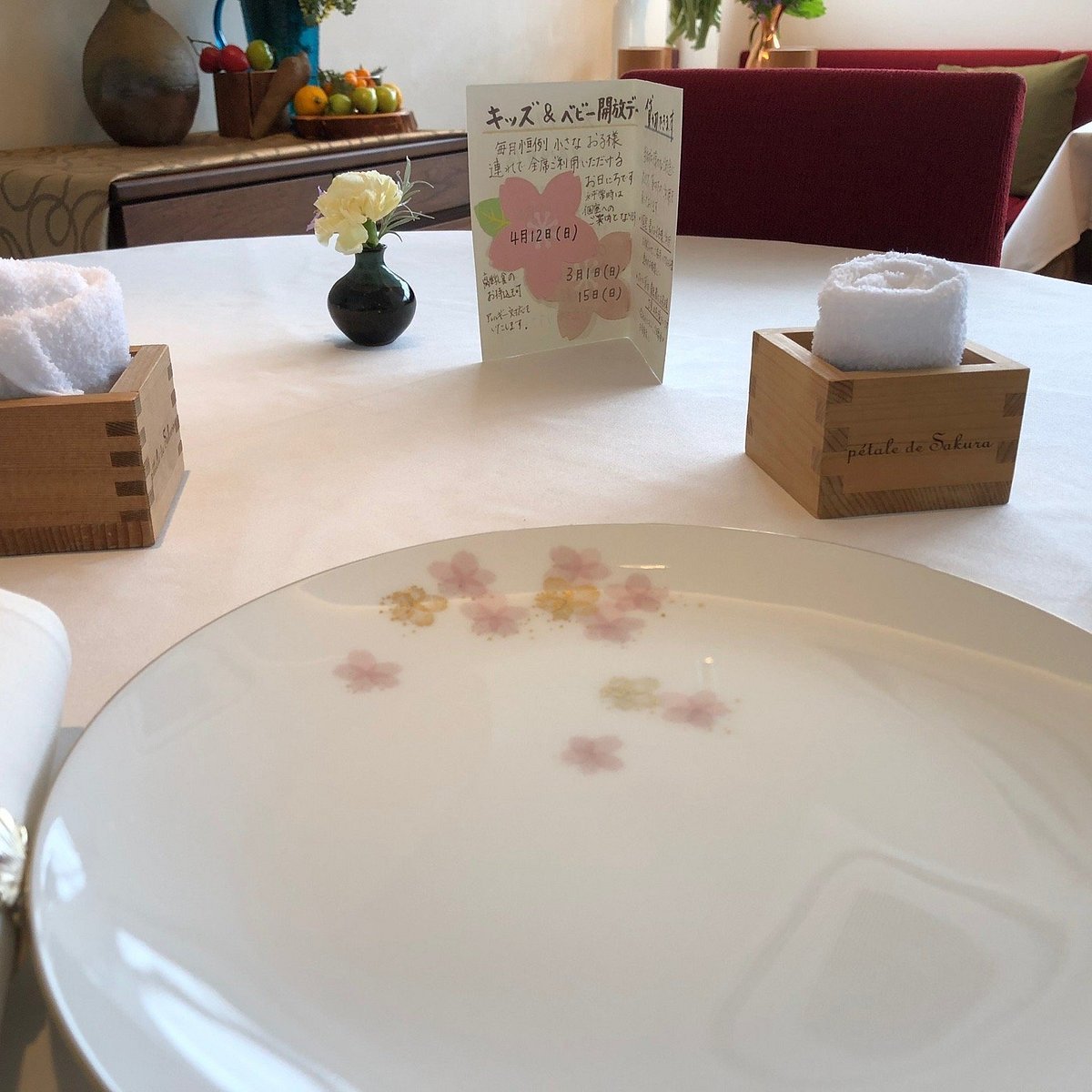
Cozy and clean interior with large windows offering cherry blossom tree views, relaxed yet sophisticated atmosphere with careful attention to table settings and plating.
Tags
Vibe
Best For
Experience
Sourcing
Accessibility
At the Table
- Dress Code
- Smart Casual
- Noise Level
- Quiet
- Service Style
- Upscale Casual
- Meal Pacing
- Leisurely
- Capacity
- Intimate
- Kitchen
- Seasonal
- Menu Format
- A la carte
- Wine Program
- Curated
- Drinks Focus
- Wine, Sake
- Dietary
- Vegetarian friendly
- Private Dining
- Available
Signature Dishes
- Cocotte of vegetables
- Select Aged Wagyu
Know before you go
Know Before You Go
- Getting there
- 5-2 Yayoidai, Izumi Ward, Yokohama, Kanagawa 245-0008, Japan
Planning details
Location
5-2 Yayoidai, Izumi Ward, Yokohama, Kanagawa 245-0008, Japan · Directions
Recognition and awards
Also consider
Also Consider
- Yukiguni, Ramen, Ramen
- Tan Ha, JPY 1,000 - JPY 1,999 JPY 2,000 - JPY 2,999 View spending breakdown, JPY 1,000 - JPY 1,999 JPY 2,000 - JPY 2,999 View spending breakdown
- China Soba Ya Honten, JPY 1,000 - JPY 1,999 JPY 1,000 - JPY 1,999, JPY 1,000 - JPY 1,999 JPY 1,000 - JPY 1,999
- Silk Road Ryori Budouen, JPY 1,000 - JPY 1,999 JPY 1,000 - JPY 1,999, JPY 1,000 - JPY 1,999 JPY 1,000 - JPY 1,999
- Chinese Kyoka Rou, JPY 1,000 - JPY 1,999 JPY 1,000 - JPY 1,999 View spending breakdown, JPY 1,000 - JPY 1,999 JPY 1,000 - JPY 1,999 View spending breakdown
Restaurant context
How it compares in Yokohama
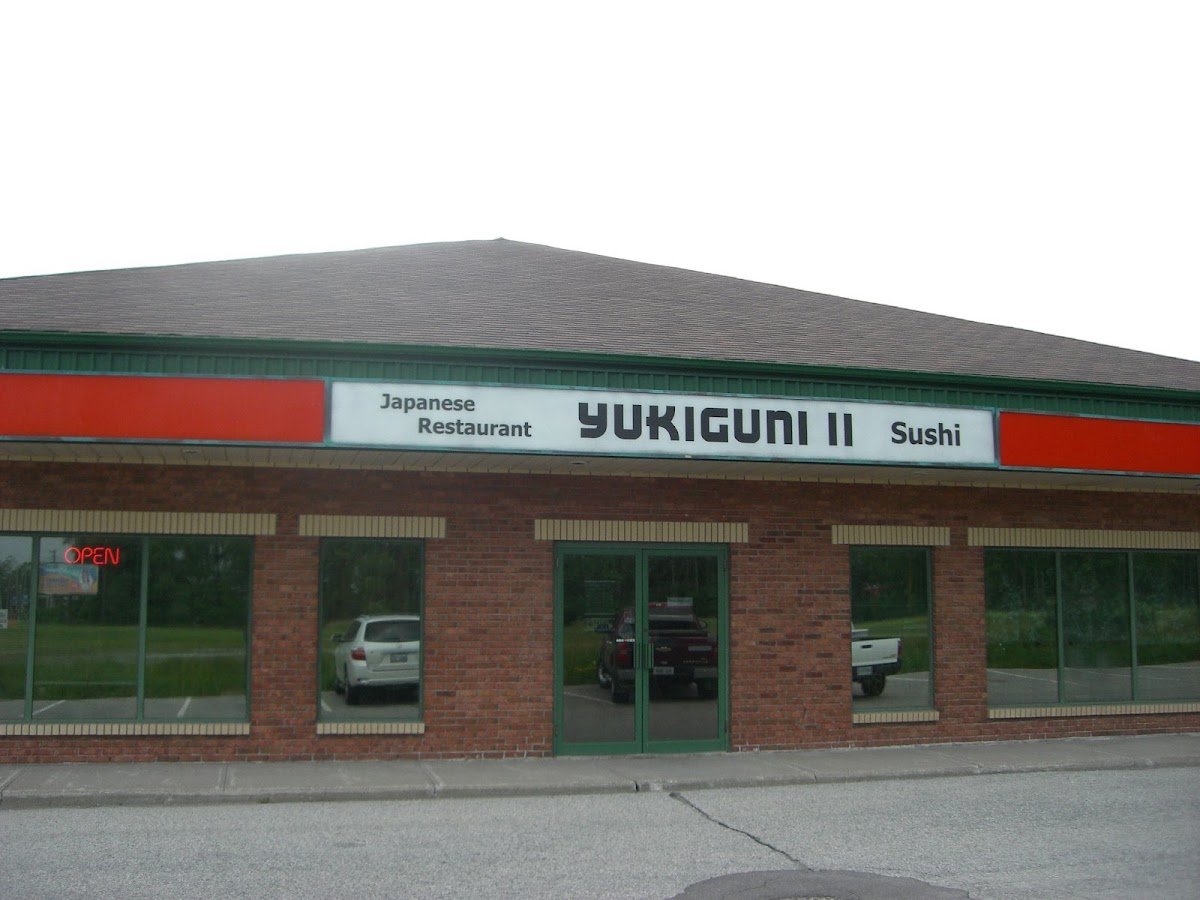
Petale De Sakura is the better choice when the meal needs to feel more occasion-ready than a quick casual stop. Yukiguni is the clearer pick for ramen, especially if the priority is speed and category certainty. Tan Ha is easier to justify for value-led dining, with listed spend bands from JPY 1,000 to JPY 1,999 and JPY 2,000 to JPY 2,999.
For tighter budgets, China Soba Ya Honten, Silk Road Ryori Budouen, and Chinese Kyoka Rou all give more price visibility in the JPY 1,000 to JPY 1,999 range. Choose those when the decision is mainly about a low-cost meal. Choose Petale De Sakura when booking ease, a calmer room, and a more deliberate dining experience matter more than a known bargain bracket.
The practical split is simple: Petale De Sakura for dates and small celebrations, Yukiguni for ramen, Tan Ha for casual value, and China Soba Ya Honten or Silk Road Ryori Budouen when price certainty comes first. Chinese Kyoka Rou is another sensible cross-shop for diners who want a low listed spend and a casual Yokohama meal.
Explore Yokohama
Around this place
Discover more on Pearl
Unlock the full Petale De Sakura guide in Pearl, including awards, comparisons, FAQs, planning details, and nearby places.
Compare Petale De Sakura
| Venue | Location | Cuisine | Awards | Price |
|---|---|---|---|---|
| Petale De Sakura | Yokohama | , | We're Smart World Top Restaurants 2025 | , |
| Yukiguni | Yokohama | Ramen | No published awards | , |
| Tan Ha | Yokohama | Tabelog 100 - Asian cuisine / Ethnic cuisine - EAST - 2024 · #94 | , | JPY 1,000 - JPY 1,999 JPY 2,000 - JPY 2,999 View spending breakdown |
| China Soba Ya Honten | Yokohama | Tabelog 100 - Ramen - KANAGAWA - 2025 · #79 | , | JPY 1,000 - JPY 1,999 JPY 1,000 - JPY 1,999 |
| Silk Road Ryori Budouen | Yokohama | Tabelog 100 - Asian cuisine / Ethnic cuisine - EAST - 2024 · #43 | , | JPY 1,000 - JPY 1,999 JPY 1,000 - JPY 1,999 |
| Chinese Kyoka Rou | Yokohama | Tabelog 100 - Chinese cuisine - EAST - 2026 · #79 | , | JPY 1,000 - JPY 1,999 JPY 1,000 - JPY 1,999 View spending breakdown |

How Petale De Sakura Yokohama compares with similar nearby venues.
FAQ
Frequently Asked Questions
Is Petale De Sakura good for solo dining?
Can I eat at the bar at Petale De Sakura?
Bar seating is not specified. Petale De Sakura is in Yokohama, is closed Monday, and is open Tuesday through Sunday from 11:30 AM–3 PM and 6–10 PM.
Can Petale De Sakura accommodate groups?
If you are planning for more than one or two diners, confirm availability and seating directly, and compare timing with other options such as Chinese Kyoka Rou or Silk Road Ryori Budouen.
Is lunch or dinner better at Petale De Sakura?
Both are listed from Tuesday through Sunday: lunch runs 11:30 AM–3 PM, and dinner runs 6–10 PM. Choose based on your schedule, and confirm any menu, price, or seating details directly with the venue.