

Restaurant in Yerevan, Armenia
Dolmama - Armenia's Restaurant
100Pearl PointsCentral Armenian dining
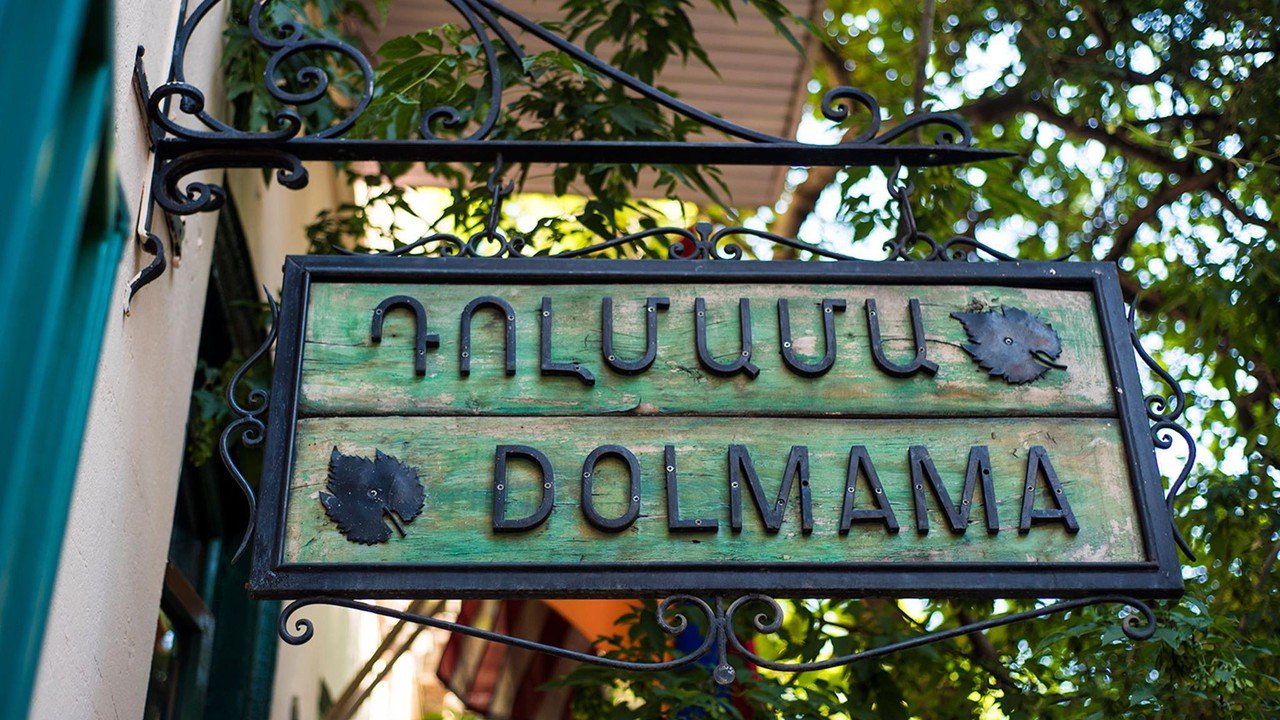
About Dolmama - Armenia's Restaurant
Book Dolmama - Armenia's Restaurant if the goal is a central Yerevan Armenian meal with flexible timing and a conversation-friendly feel. It is a stronger fit for travelers seeking local context than for diners who need published tasting menus, chef details, or a clearly stated price tier before committing.
Dolmama - Armenia's Restaurant is a Yerevan restaurant with verified daily hours from 11 AM to 11:30 PM and a smart casual dress code. Those are the reliable planning details available here, so treat the page as a practical starting point rather than a source for menu specifics, prices, chef details, awards, or a documented drinks program.
Choose it for a Yerevan meal with direct planning details
For visitors comparing meals in Yerevan, Dolmama - Armenia's Restaurant is easiest to evaluate on logistics: it is open every day from 11 AM to 11:30 PM, the stated dress code is smart casual. The verified information does not include a street address, neighborhood, seat count, menu format, signature dishes, pricing, or service style, so those details should be checked directly before making plans.
Because no verified dish list or cuisine description is available here beyond the venue name itself, the safest approach is to use Dolmama - Armenia's Restaurant as one candidate in a wider Yerevan dining plan rather than arriving with fixed expectations about specific plates. For a broader look at the city's options, use our full Yerevan restaurants guide, then compare the practical fit, hours, dress code against other meals.
Where it fits among Yerevan dining options
The daily 11 AM to 11:30 PM schedule gives travelers a broad planning window, whether the meal is meant to sit earlier or later in the day. The verified dress code is smart casual, so it may suit plans where guests want to be a little more put together without needing formal attire. If Dolmama - Armenia's Restaurant is not the right fit, other Yerevan options to compare include Gabriel's Patisserie, Italiano Ristorante Yerevan, Lahmajun Gaidz, Nairi Kitchen & Bar, The Grand Conservatory, Refectory & Bar.
Beyond those direct comparisons, keep the rest of the itinerary flexible: the verified record here does not confirm takeout, delivery, allergy accommodations, set menus, beverage specialties, awards, exact prices, or a particular dining format. For trip planning around the meal, use Yerevan hotels and other Yerevan travel resources rather than treating one restaurant listing as the whole itinerary.
Frequently Asked Questions
Can Dolmama - Armenia's Restaurant accommodate groups?
The verified information does not confirm group capacity, private dining, or a seat count. What is confirmed is that Dolmama - Armenia's Restaurant is in Yerevan, is open daily from 11 AM to 11:30 PM, has a smart casual dress code. Larger parties should confirm arrangements directly before going.
Is lunch or dinner better at Dolmama - Armenia's Restaurant?
The verified hours run daily from 11 AM to 11:30 PM, so both earlier and later visits may fit within the published schedule. No separate lunch menu, dinner format, or time-specific pricing is verified here, so choose the time that best fits your Yerevan plans and confirm details directly if needed.
What should I order at Dolmama - Armenia's Restaurant?
No verified dish list, signature item, tasting format, or menu detail is available here. Use the confirmed basics, Yerevan location, daily 11 AM to 11:30 PM hours, smart casual dress code, for planning, then ask the restaurant directly for current recommendations.
What are alternatives to Dolmama - Armenia's Restaurant in Yerevan?
Other Yerevan options to compare include Gabriel's Patisserie, Lahmajun Gaidz, Italiano Ristorante Yerevan, Nairi Kitchen & Bar, The Grand Conservatory, Refectory & Bar. Use current hours, dress code, the kind of visit you want to decide which is the better fit.
Is Dolmama - Armenia's Restaurant good for solo dining?
The verified information does not confirm a counter, bar seating, table layout, or solo-dining setup. Solo travelers can still use the broad daily hours and smart casual dress code for planning, but should check the venue's official channels if seating style matters.
Location
10 Pushkin St, Yerevan 0010, Armenia
Yerevan, Armenia
Compare Dolmama - Armenia's Restaurant
| Venue | Location |
|---|---|
| Dolmama - Armenia's Restaurant | Yerevan |
| Italiano Ristorante Yerevan | Yerevan |
| Gabriel’s Patisserie | Yerevan |
| Nairi Kitchen & Bar | Yerevan |
| The Grand Conservatory, Refectory & Bar | Yerevan |
| Lahmajun Gaidz | Yerevan |
How Dolmama Yerevan compares with similar nearby venues.
Also Consider
- Italiano Ristorante Yerevan, Notable alternative
- Gabriel's Patisserie, Notable alternative
- Nairi Kitchen & Bar, Notable alternative
- The Grand Conservatory, Refectory & Bar, Notable alternative
- Lahmajun Gaidz, Notable alternative
How it compares in Yerevan
Choose Dolmama - Armenia's Restaurant when Armenian cooking is the point of the meal and the group wants a central, sit-down format. Italiano Ristorante Yerevan is the clearer pick when the table wants a familiar European frame instead of a local one, while Gabriel's Patisserie is better for a lighter pastry-led stop rather than a full restaurant meal.
For ambiance, The Grand Conservatory, Refectory & Bar reads as the better cross-shop if the room and bar component matter as much as the food. Nairi Kitchen & Bar is the more flexible alternative for diners who want a kitchen-and-bar format, while Lahmajun Gaidz is the practical move for a more casual, lower-commitment Armenian bite.
On booking difficulty, Dolmama is the easy recommendation when the plan needs flexibility rather than a chase. For value, the decision is about format: pick it for a fuller Armenian restaurant experience, pick Lahmajun Gaidz for speed and simplicity, pick The Grand Conservatory, Refectory & Bar when the setting is a bigger part of the spend.
Explore Yerevan
Save or rate Dolmama - Armenia's Restaurant on Pearl
Keep this venue in your Pearl passport, rate it after you visit, and track it alongside every other place you collect.